

 Предпросмотр
 Поделиться
 Поделиться
 Детали произведения

 Скачать
 Похожие работы
 Рентгенография
 Слайд-шоу
 Статистика
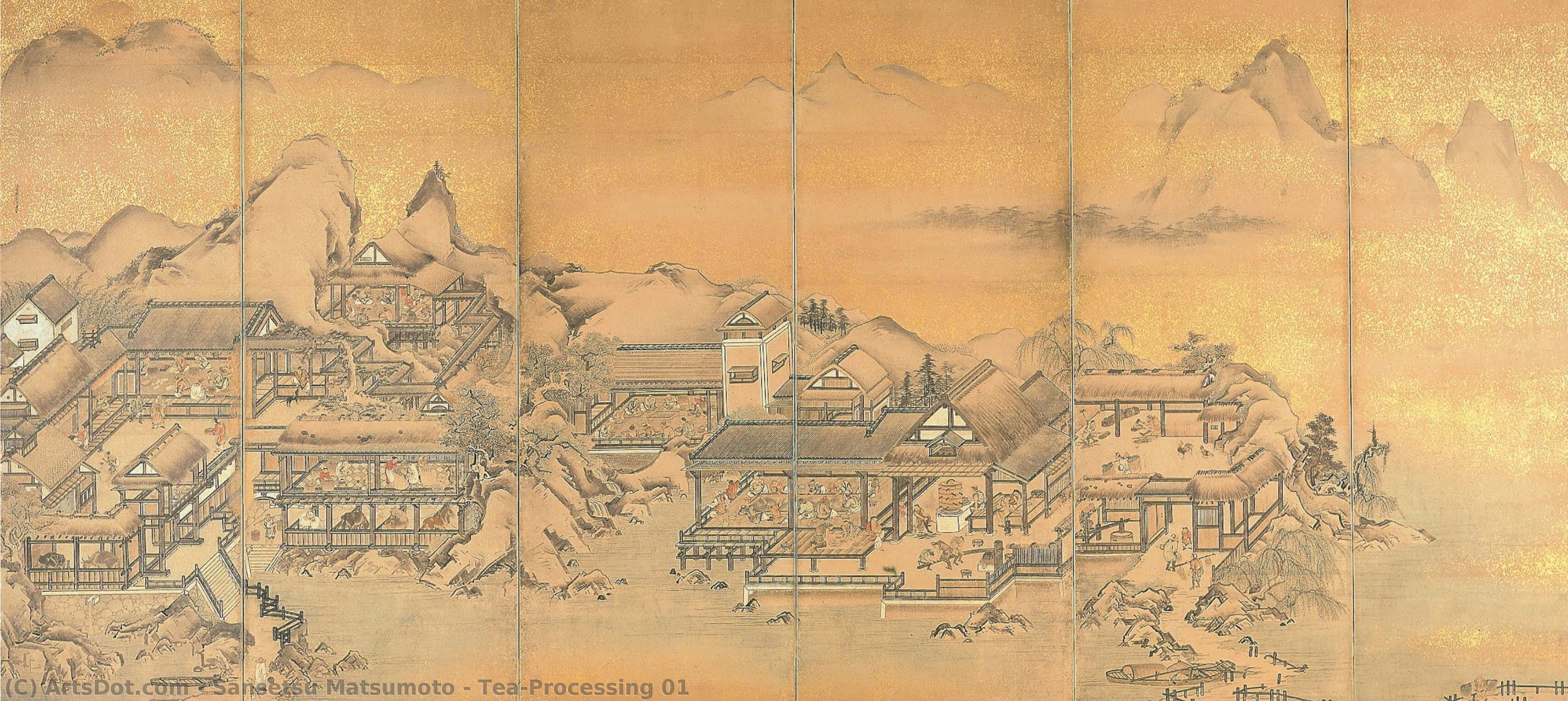
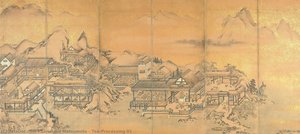
Tea-Processing 01
 161.0 x 360.0 cm
 Читать далее
Приобретите цифровое изображение высокого разрешения в улучшенном качестве, которое значительно превосходит онлайн-превью.
Каждый файл тщательно подготавливается нашими специалистами с использованием передовых инструментов и экспертной ручной ретуши. Мы гарантируем исключительную четкость, точную цветопередачу и детальную проработку каждого изображения.
Финальный файл доставляется по электронной почте в течение 72 часов и оптимизирован для немедленного использования в профессиональной среде, при верстке и печати. Это тот же уровень качества, которому доверяют ведущие дизайнерские студии, издательства и галереи.
Цифровое изображение
Скачайте файл высокого разрешения для личного использования, печати и творческих проектов. ( Перейти к печати Купить картину ручной работы)
Включено в каждый заказ цифровых изображений
Гарантия экспертной цифровой доставки
Выбирая ArtsDot.com, вы получаете не просто изображение — вы приобретаете профессионально обработанное цифровое произведение искусства, созданное с безупречной точностью и под защитой гарантии качества. Вот всё, что автоматически входит в ваш заказ:

Мгновенная доставка по e-mail
Ваш цифровой файл в высоком разрешении будет отправлен вам по электронной почте в течение 72 часов после оформления заказа — и сразу станет доступен для использования.

Цифровой файл с ИИ-улучшением
Ваше произведение искусства проходит профессиональную оптимизацию с использованием передовых инструментов ИИ и ручной обработки, что гарантирует максимальную детализацию, четкость и точность цветопередачи.

Бессрочная бесплатная повторная доставка
Случайно удалили или потеряли файл? Не беспокойтесь — мы отправим его вам повторно в любое время и совершенно бесплатно.

Без импортных пошлин — навсегда
Наслаждайтесь вашим произведением искусства мгновенно без таможенных пошлин, сборов или затрат на доставку — цифровые загрузки всегда не облагаются налогом.

Гарантия точности цветопередачи
Мы гарантируем, что ваше цифровое изображение максимально точно передает оригинальные цвета благодаря использованию профессиональных инструментов и систем управления цветом.

Гарантия удовлетворенности 100 дней
Если вы не будете удовлетворены своим цифровым изображением, мы внесем правки или вернем 100% стоимости в течение 100 дней — без лишних вопросов.

100% Гарантия возврата средств
Не удовлетворены покупкой? Получите полный возврат средств в течение 100 дней после получения цифрового файла — без лишних вопросов.

Скидки на оптовые заказы
Купите 3 изображения, сэкономьте 10% — Купите 5, сэкономьте 15% — Купите 10+, сэкономьте 20%. Отличное решение для творческих проектов, галерей и агентств.
Похожие произведения



Биография художника
The Silent Resonance of Ink: The Life and Legacy of Sansetsu Matsumoto
In the quiet, contemplative atmosphere of early seventeenth-century Kyoto, a master was refining a visual language that would forever define the spirit of the Edo period. Sansetsu Matsumoto, an artist whose life spanned the transformative years from approximately 1589 to 1651, emerged as a pivotal figure in Japanese art history. While the biographical details of his early years remain partially veiled by the mists of time, his presence in the artistic landscape of Japan is unmistakable. He was a painter who did not merely observe the world but sought to capture its very essence through the disciplined medium of sumō (monochrome ink wash). His work serves as a profound bridge between the spiritual depth of Zen Buddhism and the structured social ideals of Confucianism, creating a visual dialogue between the human soul and the natural world.
The foundation of Matsumoto’s mastery was laid within the rich, sophisticated artistic milieu of Kyoto. It is believed that he honed his craft under the guidance of influential masters such as Kobori Fumio, a renowned landscape architect. This lineage of training was crucial, as it introduced Matsumoto to the aesthetic principles of wabi-sabi—the profound appreciation for imperfection, transience, and the subtle beauty found in simplicity. Through this lens, every brushstroke became an exercise in restraint. He learned to utilize the vast emptiness of the paper as a structural element, allowing the viewer's imagination to fill the spaces between the ink, much like the silence between notes in a musical composition.
A Courtly Vision: Service and Symbolism
As his reputation grew, Matsumoto’s talents were sought after by the powerful structures of feudal Japan. His tenure as a court painter for the Iyo Matsuyama han, a domain under the governance of Tokugawa Yoshimune, marked a significant chapter in his professional development. This period of service allowed him to produce a prolific body of work that functioned on multiple levels. On one hand, his landscapes served a decorative purpose, beautifying the halls of the nobility; on the other, they acted as subtle instruments of political expression. By depicting the grandeur and serenity of the domain's territories, his paintings reflected the Confucian ideal of benevolent governance, suggesting that a well-ordered landscape was a mirror to a well-governed state.
His technical achievements during this era are characterized by an extraordinary command over the monochrome palette. Matsumoto possessed a rare ability to evoke texture, light, and atmosphere using only varying shades of black ink. Whether depicting the muscular grace of horses or the delicate, rhythmic patterns of tea-processing, his work maintains a sense of organic vitality. His compositions often feature:
- Asymmetry: A deliberate departure from rigid balance to mimic the unpredictable beauty of nature.
- Atmospheric Perspective: The use of fading ink washes to create depth and a sense of infinite distance.
- Minimalist Detail: Focusing on essential forms to convey the character of a subject without unnecessary ornamentation.
Historical Significance and Enduring Influence
The historical significance of Sansetsu Matsumoto lies in his ability to synthesize the ruggedness of early ink traditions with the refined elegance required by the burgeoning Edo culture. He did not merely document landscapes; he created spiritual sanctuaries on paper. His mastery of the monochrome technique provided a template for subsequent generations of Japanese painters, influencing the way nature was perceived as both a physical reality and a metaphysical concept. Even today, his works stand as testament to a period of profound cultural flourishing, reminding us that true artistic power often resides in the most subtle of gestures.
Through his dedication to the sumō technique, Matsumoto ensured that the ephemeral beauty of the natural world—the shifting mist, the swaying leaf, the transient light—could be captured and preserved. His legacy remains a cornerstone of Japanese art, offering a timeless meditation on the harmony that exists when humanity learns to move in rhythm with the earth.
sansetsu matsumoto
1676 - , Japan
Основные сведения
- Artistic Movement Or Style: Edo Period
- Full Name: sansetsu matsumoto
- Nationality: Japanese
- Notable Artworks: ['Tea-Processing 01']
- Place Of Birth: Japan