

 Предпросмотр
 Поделиться
 Поделиться
 Детали произведения

 Скачать
 Похожие работы
 Рентгенография
 Слайд-шоу
 Статистика
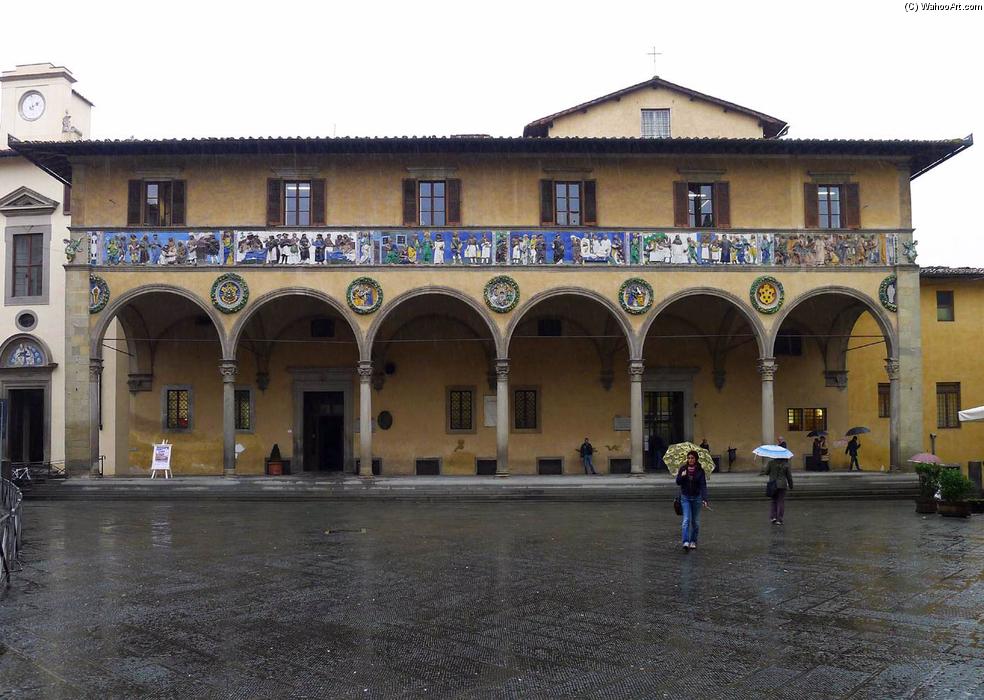
Façade with Loggia


 Читать далее
Масляная репродукция ручной работы
Картина маслом на холсте в выбранном вами размере и раме, написанная на заказ нашими художниками. ( Перейти к печати Перейти к цифровым изображениям)




































Выберите один из наших стандартных размеров, соответствующих оригинальным пропорциям произведения искусства.

Вы можете указать собственные размеры, чтобы картина идеально вписалась в выбранную раму или пространство. Если выбранный вами размер не соответствует пропорциям оригинала, мы либо обрежем полотно, либо расширим его за счет дополнительных элементов, написанных вручную. Цифровой макет будет отправлен вам на утверждение перед началом производства.
Обратите внимание, что предварительный просмотр на экране не отражает фактическую обрезку или расширение. Только макет точно покажет окончательную композицию.
Хотя доступны индивидуальные размеры, мы рекомендуем выбирать вариант из предопределенного списка, чтобы сохранить исходные пропорции.
После оформления заказа команда ArtsDot.com свяжется с клиентом по электронной почте для уточнения деталей и предоставит предварительный макет
Доставка по всему миру () за 3–4 недели вместо стандартных 5 недель. (11 Сентябрь). Без компромиссов в качестве.

Бесплатная экспресс-доставка по всему миру

Высококачественный льняной холст

Полное страхование доставки

Гарантия возмещения таможенных пошлин

Гарантия точного соответствия цветов

100-дневная политика возврата (только при обнаружении дефектов)

Гарантия возврата 100% средств

Предложение оптовых скидок
 Вариант со стеклом доступен только для размеров менее 110 см

Façade with Loggia
Техника репродукции
Размер репродукции
-


Итоговая стоимость
$ 263
Похожие произведения






Биография художника
Michelangelo Buonarroti: A Titan of the Renaissance
Michelangelo di Lodovico Buonarroti Simoni, born in Caprese (1494) and died in Rome (1564), stands as arguably the most influential artist of the High Renaissance. More than simply a painter or sculptor, he was a polymath—a master of architecture, poetry, and crucially, human anatomy. His work embodies the ideals of classical beauty and humanist thought, profoundly shaping Western art for centuries to come. Michelangelo’s life was one of intense dedication, often marked by personal struggles and creative conflicts, yet consistently producing masterpieces that continue to inspire awe and debate.
Michelangelo's early years were spent in Florence, where he apprenticed under Domenico Ghirlandaio, a prominent painter. However, his true passion lay in sculpture, and he quickly sought the tutelage of Bertoldo di Giovanni, sculptor to Lorenzo de’ Medici. This period instilled in him a deep understanding of classical forms and a commitment to anatomical accuracy. His early works, such as the *Battle of the Centaurs* (1492-93), already demonstrated his powerful draftsmanship and dramatic flair, foreshadowing the monumental scale and emotional intensity that would characterize his later achievements.
The Sculptor’s Vision: David and Pietà
Michelangelo's reputation as a sculptor solidified with the creation of *David* (1501-04), commissioned for Florence Cathedral. This colossal marble statue, depicting the biblical hero before his battle with Goliath, is a testament to Michelangelo’s mastery of human form—a figure of heroic strength and unwavering resolve. The sheer scale of the sculpture, combined with its remarkably lifelike detail and psychological depth, immediately established it as one of the greatest works of art ever created.
Perhaps even more profoundly moving is the *Pietà* (1498-99), sculpted for St. Peter’s Basilica in Rome. This depiction of Mary cradling the dead Christ is a masterpiece of emotional restraint and exquisite beauty. The figures are rendered with astonishing tenderness, conveying both sorrow and profound dignity. The *Pietà* exemplifies Michelangelo's ability to imbue inanimate stone with an almost palpable sense of humanity—a hallmark of his artistic genius.
Painting and Architecture: A Broadening Palette
While renowned primarily as a sculptor, Michelangelo’s talents extended significantly into the realms of painting and architecture. Pope Julius II commissioned him to paint the ceiling of the Sistine Chapel in Vatican City (1508-12), a project that consumed nearly four years of his life. The frescoes depict scenes from Genesis—the Creation, the Fall of Man, the Flood, and Noah’s Ark—executed with breathtaking scale, dynamism, and anatomical precision. The *Creation of Adam*, arguably the most famous image within the cycle, captures a moment of divine inspiration with unparalleled power.
Following the completion of the Sistine Chapel ceiling, Michelangelo turned his attention to designing the New Sacristy for St. Peter’s Basilica (1536-1541). This architectural masterpiece is characterized by its elegant proportions, intricate detailing, and harmonious integration with the surrounding basilica. The Sacistry showcases Michelangelo's understanding of classical architecture and his ability to create spaces that are both visually stunning and spiritually uplifting.
Mannerism and Legacy
As Michelangelo’s career progressed, his style evolved, reflecting the influence of the burgeoning Mannerist movement. His later works, such as *The Last Judgment* (1536-1541) on the altar wall of the Sistine Chapel and the Tomb of Pope Julius II, exhibit a greater emphasis on dramatic gesture, distorted perspective, and emotional intensity—a departure from the balanced harmony of his earlier work. Despite these stylistic shifts, Michelangelo’s commitment to anatomical accuracy, psychological depth, and expressive power remained unwavering.
Michelangelo's impact on Western art is immeasurable. His mastery of sculpture, painting, and architecture set a new standard for artistic excellence, inspiring generations of artists to strive for greater technical skill, emotional intensity, and intellectual rigor. His works continue to be studied, admired, and debated—a testament to the enduring power and timeless beauty of his genius. He remains not just an artist, but a symbol of human potential and creative achievement.
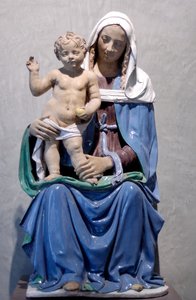
santi buglioni (santi di michele)
1494 - 1576 , Italy
Основные сведения
- Artistic Movement Or Style: High Renaissance, Early Mannerism
- Artists Or Movements Influenced By This Artist:
- Raphael
- Botticelli
- Artists Who Influenced This Artist:
- Donatello
- Leonardo da Vinci
- Date Of Birth: March 6, 1475
- Date Of Death: February 18, 1564
- Full Name: Michelangelo di Lodovico Buonarroti Simoni
- Nationality: Italian
- Notable Artworks:
- David
- Pietà
- The Last Judgment
- Place Of Birth: Caprese Michelangelo, Italy