

 Предпросмотр
 Поделиться
 Поделиться
 Детали произведения

 Скачать
 Похожие работы
 Рентгенография
 Слайд-шоу
 Статистика
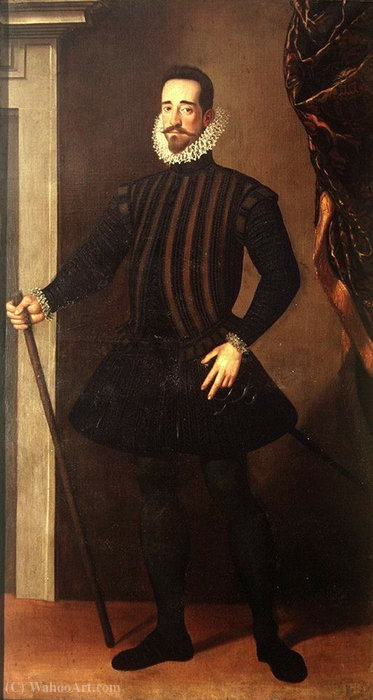
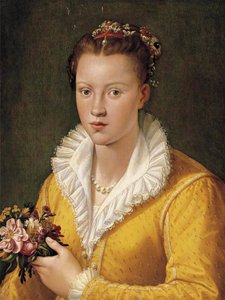
Pietro de 'Medici
 Читать далее
Масляная репродукция ручной работы
Картина маслом на холсте в выбранном вами размере и раме, написанная на заказ нашими художниками. ( Перейти к печати Перейти к цифровым изображениям)




































Выберите один из наших стандартных размеров, соответствующих оригинальным пропорциям произведения искусства.

Вы можете указать собственные размеры, чтобы картина идеально вписалась в выбранную раму или пространство. Если выбранный вами размер не соответствует пропорциям оригинала, мы либо обрежем полотно, либо расширим его за счет дополнительных элементов, написанных вручную. Цифровой макет будет отправлен вам на утверждение перед началом производства.
Обратите внимание, что предварительный просмотр на экране не отражает фактическую обрезку или расширение. Только макет точно покажет окончательную композицию.
Хотя доступны индивидуальные размеры, мы рекомендуем выбирать вариант из предопределенного списка, чтобы сохранить исходные пропорции.
После оформления заказа команда ArtsDot.com свяжется с клиентом по электронной почте для уточнения деталей и предоставит предварительный макет
Доставка по всему миру () за 3–4 недели вместо стандартных 5 недель. (11 Сентябрь). Без компромиссов в качестве.

Бесплатная экспресс-доставка по всему миру

Высококачественный льняной холст

Полное страхование доставки

Гарантия возмещения таможенных пошлин

Гарантия точного соответствия цветов

100-дневная политика возврата (только при обнаружении дефектов)

Гарантия возврата 100% средств

Предложение оптовых скидок
 Вариант со стеклом доступен только для размеров менее 110 см

Pietro de 'Medici
Техника репродукции
Размер репродукции
-


Итоговая стоимость
$ 263
Похожие произведения







Биография художника
The Architect of Counter-Maniera
In the vibrant, shifting landscape of late 16th-century Italy, few figures played as pivotal a role in redefining the visual language of Florence as Santi di Tito. Born in 1536, this master emerged during a period of profound artistic transition, standing at the crossroads between the highly stylized, artificial elegance of Mannerism and the burgeoning naturalism that would eventually blossom into the Baroque. While his contemporaries often sought refuge in the complex, elongated forms and intellectual puzzles of the Maniera, di Tito embarked on a different journey—one of reform, clarity, and a return to the profound grace of classical tradition.
The early years of his career were marked by significant collaborative endeavors that expanded his horizons far beyond the borders of Tuscany. Between 1558 and 1564, di Tito’s presence was felt in the grand halls of Rome, where he worked alongside talented peers such as Giovanni de’ Vecchi and Niccolò Circignani. Their monumental fresco projects at the Palazzo Salviati and the Sala Grande of the Belvedere served as a crucible for his developing style. It was during this Roman period that he began to absorb the Raphaelesque influences that would become the hallmark of his mature work, moving away from the crowded, ornamental aesthetics of the Zuccari brothers toward a more balanced and legible composition.
A Departure from Tradition
Upon his return to Florence in 1564, Santi di Tito did not merely rejoin the existing artistic community; he sought to transform it. As a member of the prestigious Accademia del Disegno, he became a central figure in a movement often described by historians as Counter-Maniera. This was not simply a rejection of style, but a profound intellectual shift. While his early contributions to Francesco I de’ Medici's Studiolo—such as The Sisters of Pheton and Hercules and Io—still echoed the stylized conventions of Florentine Mannerism, they contained the seeds of his later revolution.
Driven by a desire for greater naturalism and emotional sincerity, di Tito famously distanced himself from the influence of Bronzino. He viewed the prevailing trend of extreme artifice as a barrier to true artistic expression. Instead, he looked backward to the clarity of the High Renaissance and forward toward a more direct, humanistic approach to painting. His work began to emphasize:
- Classical Form: A renewed focus on anatomical accuracy and structural integrity.
- Clarity of Composition: Moving away from overwhelming, overcrowded scenes toward more legible and focused narratives.
- Innovative Color Palettes: The use of light and color to create depth and atmosphere rather than mere decorative effect.
Legacy and Historical Significance
The legacy of Santi di Tito is etched into the very fabric of Italian art history. By championing a style that favored clarity and naturalism, he paved the way for the dramatic innovations of the 17th century. His ability to marry the intellectual rigor of Florentine training with a new, accessible emotionality made him one of the most respected painters of his era. His prolific output, including monumental altarpieces such as The Resurrection for Santa Croce, demonstrated that art could be both profoundly beautiful and deeply communicative.
Ultimately, di Tito stands as a bridge between two worlds. He took the sophisticated, often impenetrable language of the late Renaissance and refined it into something more enduring and human. In doing so, he helped steer the course of Western art, ensuring that the transition from the complex Mannerist era to the emotive Baroque was marked by a profound respect for the classical foundations of beauty.
Santi di Tito
1536 - 1603 , Italy
Основные сведения
- Artistic Movement Or Style: Proto-Baroque & Counter-Maniera
- Artists Or Movements Influenced By This Artist:
- Vasari
- Alessandro Allori
- Artists Who Influenced This Artist:
- Titian
- Bronzino
- Date Of Birth: Florence, Italy (1536)
- Date Of Death: 1603
- Full Name: Santi di Tito
- Nationality: Italian
- Notable Artworks:
- Madonna and Child with the Infant Saint John the Baptist
- Vision of St Thomas Aquinas
- Saint Eustahe
- Place Of Birth: Florence