

 Поделиться
 Поделиться
 Детали произведения

 Скачать
 Похожие работы
 Слайд-шоу
 Статистика
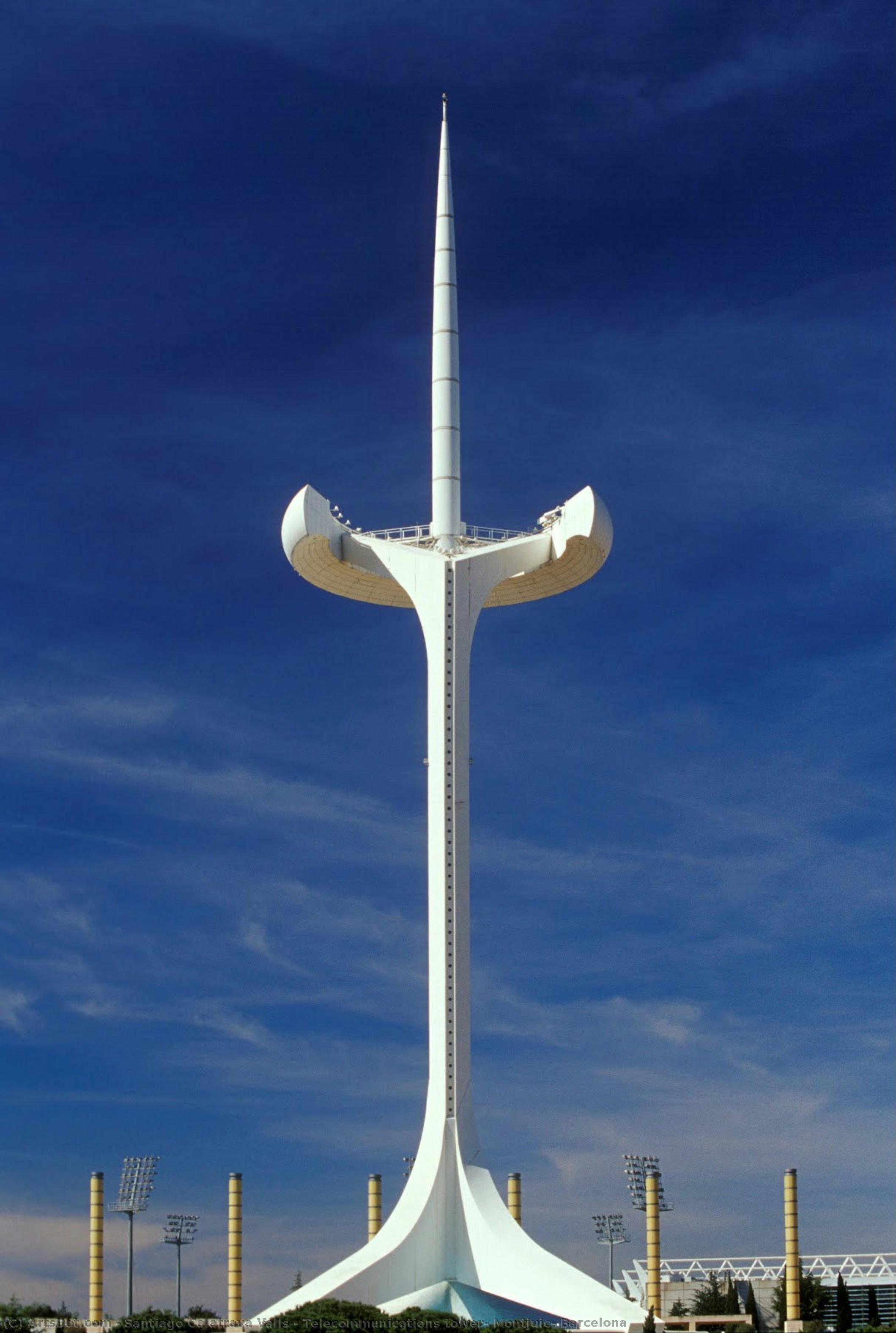
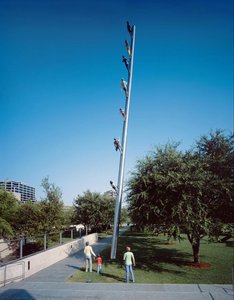
Telecommunications tower, Montjuic, Barcelona
 Digital Painting
- Digital
- Contemporary Minimalism
 2005
2005- Contemporary
 Ритейл Институт Британских Архитекторов (RIBA)
 Читать далее
Жикле / Арт-принт
Печать (жикле) или холст музейного качества с быстрыми сроками изготовления и широким выбором вариантов отделки. ( Купить картину ручной работы Перейти к цифровым изображениям)




































Выберите один из наших стандартных размеров, соответствующих оригинальным пропорциям произведения искусства.

Вы можете указать свои собственные размеры, чтобы репродукция идеально подошла под конкретную раму или пространство. Если выбранный вами размер не будет соответствовать пропорциям оригинала, мы либо обрежем произведение, либо дополним изображение зеркальным отражением краев или однотонной заливкой. Перед началом производства вам будет отправлен цифровой макет для утверждения.
Пожалуйста, обратите внимание, что предварительный просмотр на экране не отображает фактическую обрезку или расширение изображения. Только макет точно покажет финальную композицию.
Несмотря на возможность заказа индивидуальных размеров, мы рекомендуем выбирать размер из предопределенного списка, чтобы сохранить оригинальные пропорции.
Доставка по всему миру () за 2 недели вместо стандартных 4/5 недель. (13 Сентябрь)

Бесплатная экспресс-доставка по всему миру

Высококачественный льняной холст

Полное страхование доставки

Гарантия возмещения таможенных пошлин

Гарантия точного соответствия цветов

100-дневная политика возврата (только при обнаружении дефектов)

Гарантия возврата 100% средств

Предложение оптовых скидок
 Вариант со стеклом доступен только для размеров менее 110 см

Telecommunications tower, Montjuic, Barcelona
Жикле / Арт-принт
Размер репродукции
-


Итоговая стоимость
$ 62
A Symphony of Steel and Light
In the heart of Barcelona, where the Mediterranean breeze meets the urban pulse, stands a monument that transcends its functional purpose to become a sculptural masterpiece. The Telecommunications Tower, Montjuïc, Barcelona is not merely an antenna; it is a breathtaking dialogue between human ingenuity and organic grace. As captured in this evocative digital painting by the visionary Santiago Calatrava Valls, the structure emerges from the landscape like a living organism, a white spire reaching toward the heavens with an elegance that defies its industrial composition. The artwork invites the viewer to contemplate the intersection of engineering prowess and fine art, presenting a scene where the rigid strength of steel is softened by the fluid, spiraling rhythms of modern architectural innovation.
The painting masterfully utilizes light and shadow to breathe life into the tower's complex geometry. Through a sophisticated digital technique, the artist renders the white ceramic panels with such precision that they seem to shimmer under the Catalan sun, reflecting a brilliance that is both ethereal and grounded. The composition is layered with depth; while the central tower commands the viewer's attention, smaller ancillary structures are scattered throughout the scene, creating a sense of a larger, interconnected technological ecosystem. This careful arrangement of forms provides a rhythmic complexity that guides the eye upward, mirroring the very ascent the architecture represents.
The Poetry of Biomimicry and Identity
To understand this piece is to understand the philosophy of its creator, whose work often seeks to capture "frozen movement." The tower’s design draws profound inspiration from biomimicry, echoing the skeletal structures of seashells and the delicate articulation of bone. In this painting, these organic influences are palpable; the spiral motif serves as a powerful symbol of growth, dynamism, and the relentless pursuit of progress. For the collector or interior designer, this artwork offers more than just a depiction of a landmark; it provides a window into a world where technology does not conquer nature but rather honors its most beautiful patterns.
Beyond its aesthetic allure, the work carries a deep sense of cultural resonance. Situated atop Montjuïc Hill, the tower is a sentinel of Catalan identity, representing a bridge between a storied past and a high-tech future. The emotional impact of the painting lies in this duality—the tension between the heavy, permanent nature of the steel skeleton and the light, airy quality of its white cladding. It is an ideal centerpiece for a sophisticated interior, offering a sense of monumental scale and intellectual depth. Whether placed in a contemporary gallery or a refined residential space, this reproduction serves as a captivating conversation piece that celebrates the enduring beauty of structural elegance and the soaring spirit of human ambition.
Похожие произведения




Биография художника
The Architect of Motion: The Visionary World of Santiago Calatrava Valls
To witness a structure by Santiago Calatrava Valls is to observe a moment of frozen movement. Born on July 28, 1951, in the Spanish town of Benimamet, near Valencia, Calatrava did not merely study architecture; he sought to master the very language of skeletal grace and structural tension. His journey began in the academic halls of the Polytechnic University of Valencia, where he earned his undergraduate degree in 1974. However, it was his subsequent pursuit of advanced studies at the Swiss Federal Institute of Technology (ETH) in Zürich that would fundamentally alter the trajectory of modern design. By earning a Ph.D. in technical sciences in 1979, with a thesis focused on the complex mathematics of space frames, Calatrava bridged the gap between the rigid precision of structural engineering and the fluid, emotive potential of fine art.
This rare duality—the mind of an engineer paired with the soul of a sculptor—became the cornerstone of his aesthetic revolution. His early career was defined by a profound exploration of how steel, concrete, and glass could mimic the organic rhythms found in nature. He looked toward the skeletal systems of animals, the delicate articulation of wings, and the rhythmic sway of branches to inform his monumental works. When he established his architectural atelier in Zürich in 1981, he brought with him a neo-futuristic sensibility that rejected the heavy, static blocks of traditional modernism in favor of asymmetrical, light-filled forms that seem to breathe within their urban environments.
Engineering as Poetry: The Sculptural Legacy
The true brilliance of Calatrava lies in his ability to elevate civil engineering from a functional necessity to a profound cultural landmark. His bridges, perhaps his most celebrated contribution to the global landscape, serve as connective tissue that is both physically and emotionally resonant. The Alamillo Bridge in Seville stands as a definitive testament to this approach; its dramatic, leaning pylon creates a visual tension that echoes the resilient spirit of the Andalusian landscape, transforming a simple river crossing into a sculptural icon. Similarly, his work on the Chords Bridge and various railway stations demonstrates a mastery of light and shadow, where the repetitive use of ribs and struts creates a sense of rhythmic, musical progression.
Beyond the realm of bridges, Calatrava’s architectural portfolio spans continents and disciplines, touching upon museums, airports, and sporting complexes. His designs often feature:
- Organic Fluidity: The use of sweeping, white curves that suggest the motion of a bird in flight or the undulating waves of the sea.
- Structural Transparency: A reliance on glass and skeletal frameworks to invite natural light, blurring the boundaries between interior sanctuary and exterior world.
- Kinetic Energy: Even in static structures, his use of tension and compression creates an illusion of potential movement, as if the building might unfold or shift at any moment.
From the ethereal beauty of the Milwaukee Art Museum’s Quadracci Pavilion to the futuristic grandeur of the City of Arts and Sciences in Valencia, Calatrava’s work challenges the observer to reconsider the limits of what a structure can be. He does not merely build shelters; he crafts landmarks that act as beacons of human ingenuity.
A Global Impression and Historical Significance
The historical significance of Santiago Calatrava Valls resides in his role as a pioneer of neo-futurism, an era where the boundaries between the built environment and biological form become increasingly porous. His influence is felt in the way contemporary architects approach large-scale infrastructure, moving away from purely utilitarian designs toward structures that possess a distinct, sculptural identity. Through his work, the heavy materials of the industrial age—steel and concrete—are reimagined as delicate, expressive mediums capable of conveying profound human emotions such as hope, strength, and transcendence.
As he continues to shape the skylines of cities from New York to Dubai, Calatrava’s legacy remains anchored in his fundamental belief that architecture should be a celebration of life's inherent dynamism. His ability to synthesize the rigorous logic of a Ph.D. engineer with the boundless imagination of a sculptor ensures that his structures will remain not just functional monuments of our time, but enduring works of art that continue to inspire awe for generations to come.

santiago calatrava valls
1951 - , Spain
Основные сведения
- Artistic Movement Or Style: Neo-futurism
- Artists Who Influenced This Artist:
- Felix Candela
- Antonio Gaudi
- Date Of Birth: July 28, 1951
- Full Name: Santiago Calatrava Valls
- Nationality: Spanish
- Notable Artworks:
- Alamillo Bridge
- Turning Torso
- Airport Railway Station Lyon
- Place Of Birth: Benimamet, Spain
Похожие статьи

10 легендарных бронзовых шедевров, изменивших искусство | ArtsDot
Погрузитесь в мир великих бронзовых шедевров! От Давида Донателло до Мыслителя Родена – узнайте историю создания, технику и значение легендарных скульптур. Вдохновение для интерьера и музейное качество репродукций на ArtsDot.com.
Непреходящее наследие бронзовой скульптуры: история, техники и современные интерпретации
Узнайте историю бронзовой скульптуры, техники литья и советы по коллекционированию от экспертов. Откройте для себя вечное искусство бронзы!

The Enduring Form: Sculpture Across History, Technique & Emotional Resonance
Explore the rich history of sculpture with ArtsDot. Discover key techniques, influential artists & investment potential for discerning collectors. Expert insights into valuing and collecting timeless masterpieces.

The Enduring Form: Exploring Themes & Techniques in Sculpture Across Historical Periods
Explore the rich history of sculpture from ancient masterpieces to contemporary innovations. Discover key techniques, influential artists & investment potential for discerning art collectors.

10 легендарных бронзовых скульптур, изменивших искусство навсегда | ArtsDot
Погрузитесь в мир великих бронзовых скульптур! От Давида Микеланджело до работ Родена – история искусства, техники и вдохновения. Купите репродукции шедевров для вашего интерьера на ArtsDot.com