

 Предпросмотр
 Поделиться
 Поделиться
 Детали произведения

 Скачать
 Похожие работы
 Рентгенография
 Слайд-шоу
 Статистика
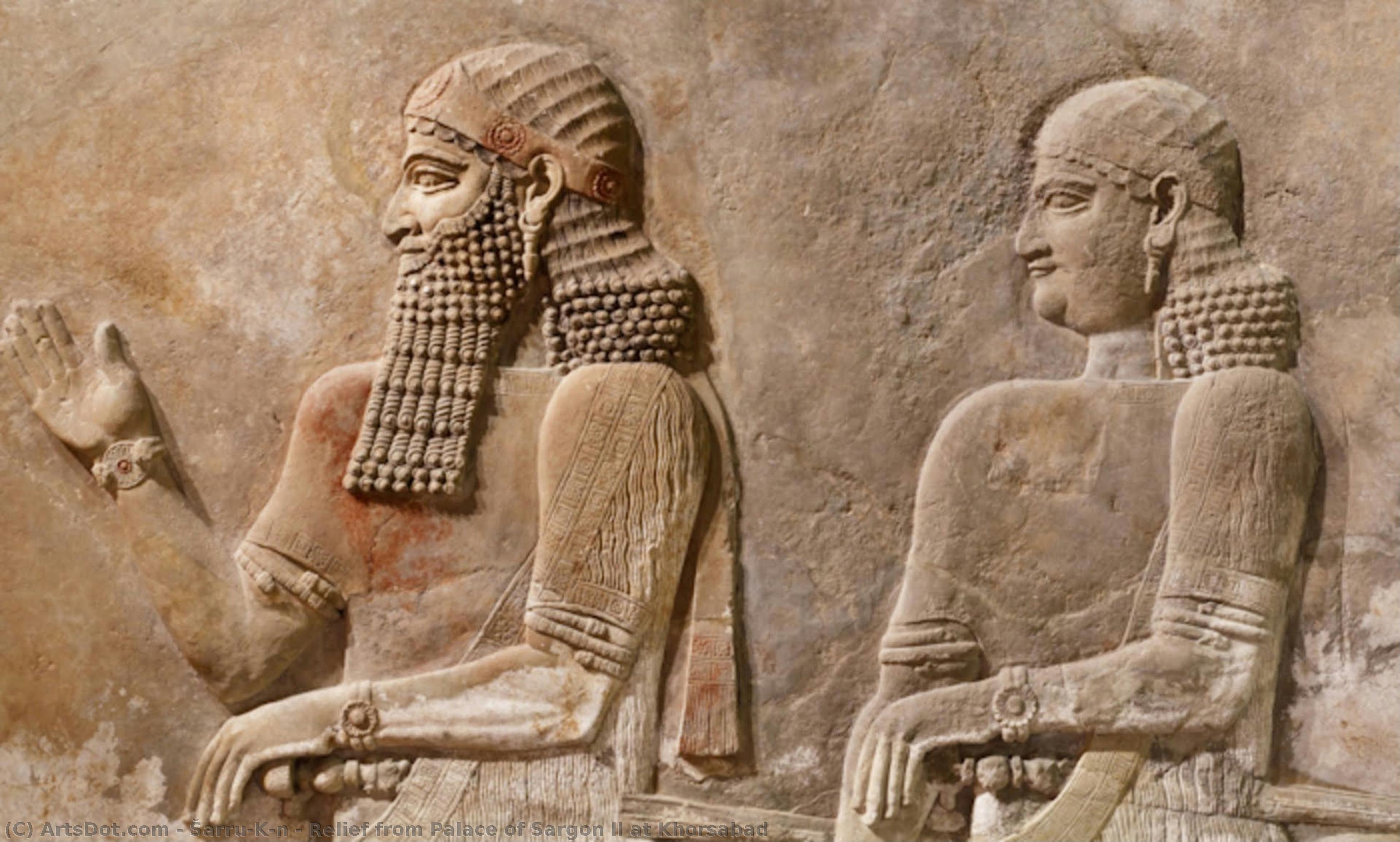
Relief from Palace of Sargon II at Khorsabad

 Читать далее
Масляная репродукция ручной работы
Картина маслом на холсте в выбранном вами размере и раме, написанная на заказ нашими художниками. ( Перейти к печати Перейти к цифровым изображениям)




































Выберите один из наших стандартных размеров, соответствующих оригинальным пропорциям произведения искусства.

Вы можете указать собственные размеры, чтобы картина идеально вписалась в выбранную раму или пространство. Если выбранный вами размер не соответствует пропорциям оригинала, мы либо обрежем полотно, либо расширим его за счет дополнительных элементов, написанных вручную. Цифровой макет будет отправлен вам на утверждение перед началом производства.
Обратите внимание, что предварительный просмотр на экране не отражает фактическую обрезку или расширение. Только макет точно покажет окончательную композицию.
Хотя доступны индивидуальные размеры, мы рекомендуем выбирать вариант из предопределенного списка, чтобы сохранить исходные пропорции.
После оформления заказа команда ArtsDot.com свяжется с клиентом по электронной почте для уточнения деталей и предоставит предварительный макет
Доставка по всему миру () за 3–4 недели вместо стандартных 5 недель. (12 Сентябрь). Без компромиссов в качестве.

Бесплатная экспресс-доставка по всему миру

Высококачественный льняной холст

Полное страхование доставки

Гарантия возмещения таможенных пошлин

Гарантия точного соответствия цветов

100-дневная политика возврата (только при обнаружении дефектов)

Гарантия возврата 100% средств

Предложение оптовых скидок
 Вариант со стеклом доступен только для размеров менее 110 см

Relief from Palace of Sargon II at Khorsabad
Техника репродукции
Размер репродукции
-


Итоговая стоимость
$ 288
Похожие произведения







Биография художника
The Rise of a King: Sargon of Akkad and the Dawn of Empire
The name Sargon, meaning “true king” in Akkadian – Šarru-kīn – echoes through the millennia as synonymous with power, conquest, and the very birth of empire. While shrouded in legend for much of his early life, Sargon’s impact on Mesopotamia, and indeed the world, is undeniable. He emerged not from a lineage of kings, but from relative obscurity around 2334 BC, a period when Sumerian city-states fiercely guarded their independence. The details of his ascent are interwoven with myth, most notably the tale of being abandoned in a reed basket on the Euphrates River – a parallel to Moses’s story that speaks to a common archetype of divinely favored beginnings. Rescued and raised by Akki, a gardener, Sargon rose through the ranks, eventually becoming cupbearer to Ur-Zababa, the ruler of Kish. This position afforded him access to power, but it was his ambition and military prowess that ultimately propelled him to greatness. He didn’t simply inherit a kingdom; he forged one, uniting Sumerian city-states under his rule through a series of brilliant campaigns. His conquest wasn't merely political; it represented a cultural shift, establishing Akkadian as the dominant language and ushering in a new era of centralized governance.Akkadian Innovations: Administration, Art, and Religious Synthesis
Sargon’s genius extended far beyond military strategy. He understood that lasting power required more than just conquest; it demanded effective administration and cultural cohesion. He implemented a sophisticated bureaucracy, appointing officials loyal to him throughout his vast empire. This centralized system allowed for efficient tax collection, resource management, and the standardization of weights and measures – crucial elements in fostering economic stability. His army was also reorganized, becoming a professional fighting force equipped with standardized weaponry. Perhaps less known but equally significant were Sargon’s contributions to art and religion. He commissioned monumental sculptures and reliefs depicting his victories and divine legitimacy. The famous Victory Stele of Naram-Sin (his grandson) builds upon the artistic foundations laid during Sargon's reign, showcasing a clear emphasis on royal power and divine favor. Religiously, Sargon skillfully integrated Akkadian deities with existing Sumerian gods, creating a syncretic system that appealed to diverse populations within his empire. He rebuilt temples dedicated to both Akkadian and Sumerian divinities, demonstrating respect for local traditions while asserting his own authority. This policy of religious tolerance helped to quell potential unrest and solidify his rule.The Sargonid Dynasty: Legacy and Expansion
Sargon’s reign wasn't just about personal glory; he established a dynasty – the Sargonids – that would continue to shape Mesopotamia for centuries. His son, Rimush, inherited a vast but restless empire, facing numerous rebellions. While Rimush proved capable of suppressing these uprisings, it was his brother, Manishtushu, who further consolidated Akkadian power through continued military campaigns and administrative reforms. However, the true culmination of the Sargonid dynasty came with Naram-Sin, Sargon’s grandson. Naram-Sin declared himself a god – an unprecedented act that reflected the immense power wielded by the Akkadian kings. He led successful campaigns against neighboring kingdoms, expanding the empire to its greatest extent and leaving behind a legacy of military prowess and artistic innovation. The Akkadian Empire under Naram-Sin saw a flourishing of literature, with royal hymns and epics celebrating his achievements. However, this very assertion of divinity may have contributed to the empire’s eventual decline, as it alienated traditional religious authorities and fostered resentment among conquered peoples.Decline and Rediscovery: The Fall of Akkad and Modern Scholarship
The Akkadian Empire ultimately succumbed to internal strife and external pressures around 2154 BC. A combination of factors contributed to its collapse, including prolonged droughts, economic instability, and the rise of Gutian invaders from the Zagros Mountains. The Gutians, though not necessarily a unified force, disrupted trade routes, weakened Akkadian defenses, and ultimately overran much of Mesopotamia. The empire fragmented into smaller city-states once again, ushering in a period of chaos and decline known as the Gutian Period. Despite its relatively short lifespan – roughly 150 years – the Akkadian Empire left an indelible mark on Mesopotamian history. The rediscovery of Sargon’s legacy began with archaeological excavations in the 19th century. Cuneiform tablets unearthed at various sites revealed details about his life, conquests, and administrative policies. Scholars pieced together fragments of information to reconstruct the story of this remarkable king and his empire. Today, Sargon of Akkad is recognized as one of the most important figures in ancient history – a visionary leader who transformed Mesopotamia from a collection of independent city-states into a unified empire, laying the foundations for future civilizations. His name continues to inspire awe and fascination, reminding us of the enduring power of ambition, innovation, and the pursuit of greatness.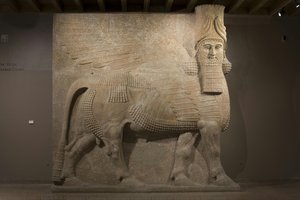
Основные сведения
- Artistic Movement Or Style: Akkadian Empire Founder
- Date Of Death: Living
- Full Name: Šarru-Kīn