

 Предпросмотр
 Поделиться
 Поделиться
 Детали произведения

 Скачать
 Похожие работы
 Рентгенография
 Слайд-шоу
 Статистика
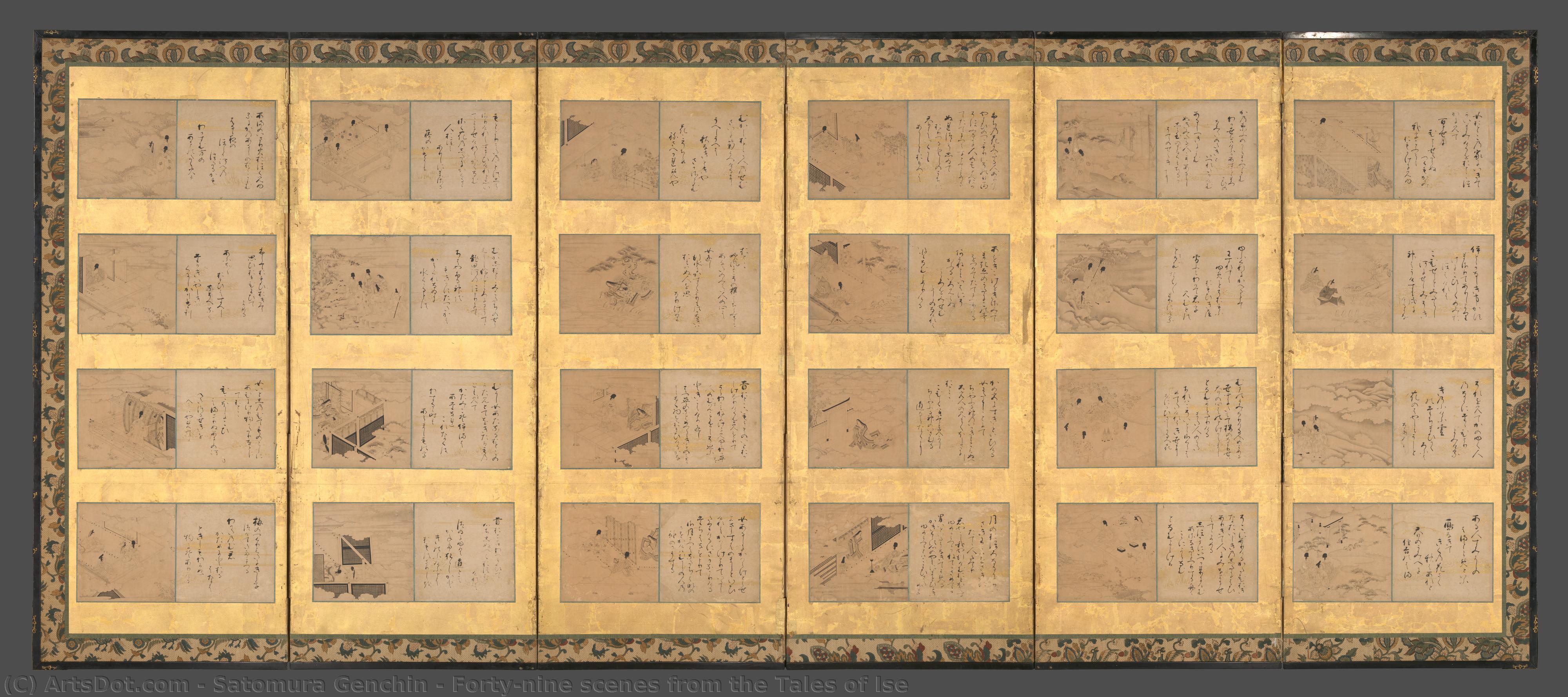
Forty-nine scenes from the Tales of Ise
 601
601 107.0cm x 269.0cm
 Читать далее
Масляная репродукция ручной работы
Картина маслом на холсте в выбранном вами размере и раме, написанная на заказ нашими художниками. ( Перейти к печати Перейти к цифровым изображениям)




































Выберите один из наших стандартных размеров, соответствующих оригинальным пропорциям произведения искусства.

Вы можете указать собственные размеры, чтобы картина идеально вписалась в выбранную раму или пространство. Если выбранный вами размер не соответствует пропорциям оригинала, мы либо обрежем полотно, либо расширим его за счет дополнительных элементов, написанных вручную. Цифровой макет будет отправлен вам на утверждение перед началом производства.
Обратите внимание, что предварительный просмотр на экране не отражает фактическую обрезку или расширение. Только макет точно покажет окончательную композицию.
Хотя доступны индивидуальные размеры, мы рекомендуем выбирать вариант из предопределенного списка, чтобы сохранить исходные пропорции.
После оформления заказа команда ArtsDot.com свяжется с клиентом по электронной почте для уточнения деталей и предоставит предварительный макет
Доставка по всему миру () за 3–4 недели вместо стандартных 5 недель. (13 Сентябрь). Без компромиссов в качестве.

Бесплатная экспресс-доставка по всему миру

Высококачественный льняной холст

Полное страхование доставки

Гарантия возмещения таможенных пошлин

Гарантия точного соответствия цветов

100-дневная политика возврата (только при обнаружении дефектов)

Гарантия возврата 100% средств

Предложение оптовых скидок
 Вариант со стеклом доступен только для размеров менее 110 см

Forty-nine scenes from the Tales of Ise
Техника репродукции
Размер репродукции
-


Итоговая стоимость
$ 313
The Artistic Genius of Satomura Genchin
Born in Kyoto during the late Muromachi and early Edo periods, Satomura Genchin was a member of the Tosa school of painting. Known for his delicate and refined style, he excelled at depicting landscapes and figures with remarkable skill. His work often showcased a unique blend of traditional Japanese aesthetics and innovative techniques that set him apart from other artists of his time.The Tales of Ise: A Timeless Masterpiece
Compiled in the tenth century, The Tales of Ise comprises 124 short chapters, each relating an episode - sometimes amorous - in the life of an anonymous protagonist referred to as "that man." This enigmatic figure is believed to be based on the ninth-century courtier-poet Ariwara no Narihira. Although the text circulated through copied manuscripts for centuries, its essence was also conveyed through oral tradition and various forms of art, including paintings like Forty-nine Scenes from the Tales of Ise.Experience the Beauty of Japanese Art at https://ArtsDot.com
If you're captivated by this exquisite piece and wish to explore more masterpieces from Japan, look no further than https://ArtsDot.com. Our extensive collection features a wide range of handmade oil paintings reproductions that capture the essence of Japanese artistry. From ancient pottery and sculpture to ink painting, calligraphy on silk and paper, ukiyo-e paintings, woodblock prints, ceramics, origami, bonsai, and manga - we have it all!Discover the Art of Japanese Paper
In addition to our vast selection of artworks, https://ArtsDot.com also offers an array of products made from traditional Japanese paper (washi). This versatile material has been used for centuries in various forms of art and craftsmanship due to its durability, flexibility, and unique texture. Whether you're looking for handmade washi notebooks or exquisite origami papers, we have something special waiting for you at https://ArtsDot.com.Explore the World of Japanese Art Today!
Don't miss out on the opportunity to immerse yourself in the rich tapestry of Japanese art and culture. Visit https://ArtsDot.com today and discover a treasure trove of handmade oil paintings reproductions, traditional crafts, and more!Похожие произведения




Биография художника
Satōmura Genchin: A Master of Tranquil Beauty in the Late Muromachi Era
Satōmura Genchin (1524-1596) stands as a pivotal figure in Japanese art, embodying the refined elegance and contemplative spirit of the late Muromachi and early Edo periods. Born in Kyoto during a time of political instability and shifting power dynamics, Genchin’s life coincided with a flourishing of artistic innovation within the Tosa school of painting – a tradition renowned for its delicate brushwork, subtle colors, and evocative depictions of nature and human subjects. His work offers a serene window into a world of meticulously crafted landscapes and poignant portrayals of everyday life, reflecting both the formal traditions he embraced and his own unique artistic sensibilities. Genchin’s early training likely occurred within the Tosa school, absorbing its core principles of *yamato-e*, or “Japanese painting,” which prioritized capturing the essence of a subject rather than strict realism. This approach is evident in his meticulous attention to detail – from the rustling leaves of a bamboo grove to the subtle expressions on a figure’s face – and his masterful use of color, often employing muted tones and delicate washes to create an atmosphere of quiet contemplation. Unlike many contemporary artists who focused on grand historical narratives or elaborate court scenes, Genchin primarily depicted landscapes, particularly those found in the vicinity of Kyoto, alongside intimate portraits and scenes from folklore. A defining achievement of Genchin’s career was his completion of the “Forty-Nine Scenes from the Tales of Ise” (伊勢物語絵巻, *Isegoto Emaki*) between 1601 and 1603. This ambitious series, based on the classic Japanese prose romance *The Tale of Ise*, is considered a cornerstone of his oeuvre and a remarkable example of Tosa painting at its finest. Each scene—depicting moments from the story’s interwoven narratives—is rendered with exquisite detail and imbued with a profound sense of atmosphere. The series showcases Genchin's ability to convey not just visual information but also subtle emotions and psychological nuances, transforming simple scenes into powerful works of art. The meticulous composition, the careful rendering of textures – silk garments, wooden architecture, flowing water – and the evocative use of light all contribute to the overall sense of tranquility and beauty that characterizes his work. The project itself was a significant undertaking, requiring years of dedicated labor and demonstrating Genchin’s exceptional skill and artistic vision.The Influence of Tosa School Tradition
Genchin's artistic style is deeply rooted in the traditions established by the Tosa school, but he also developed his own distinctive voice within this framework. He shared with other Tosa artists a commitment to *yamato-e*, emphasizing naturalism and capturing the essence of subjects rather than striving for photographic accuracy. However, Genchin’s work possesses a particular sensitivity to light and atmosphere that sets it apart. His landscapes are not merely representations of scenery; they are imbued with a palpable sense of mood—a feeling of stillness, solitude, or gentle melancholy. He skillfully employed *sumi-e* (ink wash painting) techniques to create subtle gradations of tone and texture, lending his works an ethereal quality. Furthermore, Genchin’s portraits often reveal a remarkable ability to capture the inner lives of his subjects, conveying their personalities through carefully observed details of expression and gesture.Beyond the Forty-Nine Scenes: A Diverse Body of Work
While the “Forty-Nine Scenes from the Tales of Ise” undoubtedly represents Genchin’s most celebrated achievement, it is important to recognize that he produced a diverse body of work beyond this monumental series. He created numerous landscape compositions depicting gardens, mountains, rivers, and temples—many of which are now housed in prominent museums worldwide. He also painted portraits of individuals from various social strata, including members of the samurai class and wealthy merchants. These portraits demonstrate his ability to capture both physical likenesses and psychological characterizations. Beyond paintings, Genchin was a skilled woodblock printer, contributing significantly to the development of *nishiki-e*, or “pictures in colors,” a technique that revolutionized Japanese art production during the Edo period.Historical Context and Legacy
Satōmura Genchin’s artistic career unfolded during a turbulent era marked by political instability and social upheaval. The Ashikaga shogunate, which had ruled Japan for centuries, was gradually weakened, paving the way for the rise of powerful regional warlords. Despite these challenges, the late Muromachi period witnessed a flourishing of cultural creativity, fueled in part by the patronage of wealthy merchants and samurai who sought to cultivate refined tastes and express their status through art. Genchin’s work reflects this dynamic environment, embodying both the traditions of the Tosa school and the evolving artistic sensibilities of his time. His legacy endures as one of Japan's most accomplished landscape painters and a master of *yamato-e*, whose serene and evocative works continue to captivate audiences today. His meticulous attention to detail and profound understanding of human emotion ensure that Satōmura Genchin remains a vital voice in the history of Japanese art.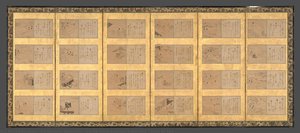
satōmura genchin
1524 - 1596 , Japan
Основные сведения
- Artistic Movement Or Style: Tosa School
- Date Of Birth: 1524
- Date Of Death: 1596
- Full Name: Satōmura Genchin
- Nationality: Japanese
- Notable Artworks: ['Forty-Nine Scenes Ise']
- Place Of Birth: Kyoto, Japan