

 Предпросмотр
 Поделиться
 Поделиться
 Детали произведения

 Скачать
 Похожие работы
 Рентгенография
 Слайд-шоу
 Статистика
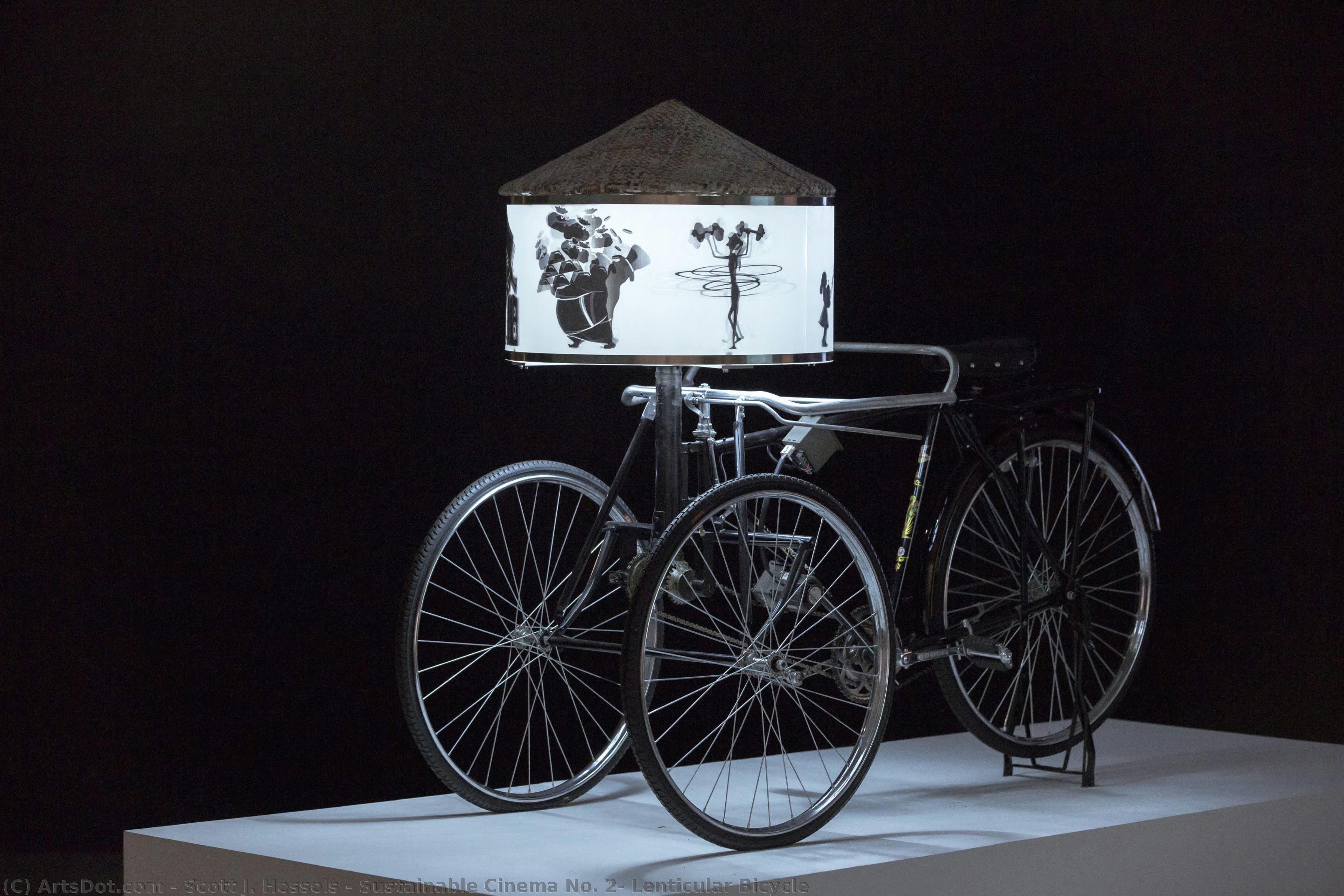
Sustainable Cinema No. 2: Lenticular Bicycle


 Читать далее
Жикле / Арт-принт
Печать (жикле) или холст музейного качества с быстрыми сроками изготовления и широким выбором вариантов отделки. ( Купить картину ручной работы Перейти к цифровым изображениям)




































Выберите один из наших стандартных размеров, соответствующих оригинальным пропорциям произведения искусства.

Вы можете указать свои собственные размеры, чтобы репродукция идеально подошла под конкретную раму или пространство. Если выбранный вами размер не будет соответствовать пропорциям оригинала, мы либо обрежем произведение, либо дополним изображение зеркальным отражением краев или однотонной заливкой. Перед началом производства вам будет отправлен цифровой макет для утверждения.
Пожалуйста, обратите внимание, что предварительный просмотр на экране не отображает фактическую обрезку или расширение изображения. Только макет точно покажет финальную композицию.
Несмотря на возможность заказа индивидуальных размеров, мы рекомендуем выбирать размер из предопределенного списка, чтобы сохранить оригинальные пропорции.
Доставка по всему миру () за 2 недели вместо стандартных 4/5 недель. (12 Сентябрь)

Бесплатная экспресс-доставка по всему миру

Высококачественный льняной холст

Полное страхование доставки

Гарантия возмещения таможенных пошлин

Гарантия точного соответствия цветов

100-дневная политика возврата (только при обнаружении дефектов)

Гарантия возврата 100% средств

Предложение оптовых скидок
 Вариант со стеклом доступен только для размеров менее 110 см

Sustainable Cinema No. 2: Lenticular Bicycle
Жикле / Арт-принт
Размер репродукции
-


Итоговая стоимость
$ 62
Похожие произведения







Биография художника
A Cinematic Cartographer of the Environment: The World of Scott J. Hessels
Scott J. Hessels, born in Los Angeles in 1958, is an artist whose work transcends traditional categorization. He isn’t simply a filmmaker or sculptor; he's a media archaeologist, a kinetic engineer, and a profound observer of the evolving relationship between humanity and the natural world. His journey began with a fascination for the origins of moving images—the pre-digital mechanics of animation—and has blossomed into an expansive practice encompassing film, video installation, robotics, GPS technology, and even collaborations with institutions like NASA and the Federal Aviation Administration. Hessels’s art isn't confined to galleries or museums; it actively seeks engagement with its surroundings, often utilizing environmental forces – wind, water, sunlight – as integral components of its operation.Early Explorations and the Genesis of Sustainable Cinema
Hessels’s early work laid the foundation for his signature exploration of interactivity and environment. He wasn't content to merely *represent* the world through film; he sought to create systems that responded to it, blurring the lines between artwork and active participant in its own ecosystem. This ethos culminated in the “Sustainable Cinema” series—a collection of kinetic sculptures that are perhaps his most recognizable achievement. These aren’t simply beautiful objects; they are functioning cinematic machines powered by renewable energy sources. The *Praxinoscope Windmill*, for example, reimagines a 19th-century optical toy driven by wind power, projecting animated images onto surrounding surfaces. This series is more than just an aesthetic statement; it's a poignant commentary on the history of cinema and a hopeful vision for its future—one powered by sustainability rather than fossil fuels. The sculptures act as time machines, connecting us to the earliest forms of visual storytelling while simultaneously propelling us toward innovative solutions for environmental challenges.Interactivity, Technology, and the Expansion of Artistic Boundaries
As Hessels’s career progressed, his work became increasingly interactive, incorporating sensors, robotics, and GPS systems. He began to explore how technology could be used not just to capture or represent reality but to *augment* it, creating experiences that were deeply responsive to their environment and the presence of viewers. Projects involving NASA demonstrate this ambition—utilizing satellite data and real-time environmental information to create dynamic installations that reflect the planet’s ever-changing conditions. This period also saw collaborations with Nokia, pushing the boundaries of mobile technology and its potential for artistic expression. Hessels's willingness to embrace new technologies isn’t driven by a simple desire for innovation; it stems from a deeper interest in how these tools can facilitate connection—connection between people, between art and science, and ultimately, between humanity and the environment.Teaching and The Extreme Environments Program
Currently an associate professor at the School of Creative Media at City University of Hong Kong, Hessels’s influence extends beyond his own artistic practice. He is also the executive producer of the *Extreme Environments Program*, a unique initiative that organizes art/science expeditions to environmentally significant sites around the world. This program embodies Hessels's belief in the power of interdisciplinary collaboration and the importance of firsthand experience in understanding complex environmental issues. By bringing artists and scientists together, he fosters a new generation of creatives equipped with both technical skills and a deep sense of ecological awareness. The Program isn’t simply about documenting these environments; it’s about actively engaging with them, creating art that is informed by scientific research and driven by a commitment to sustainability.Historical Significance and a Legacy of Innovation
Scott J. Hessels occupies a unique position in contemporary art—bridging the gap between sculpture, filmmaking, and new media installation. His work has been recognized not only for its aesthetic qualities but also for its technical innovation, earning him patents for developed technologies and widespread coverage in cultural publications like *Wired* and *Discover*. More importantly, Hessels’s legacy lies in his ability to challenge conventional notions of artistic practice. He demonstrates that art can be more than just a passive object of contemplation; it can be an active agent of change, a catalyst for dialogue, and a powerful tool for environmental awareness. His cinematic cartography—mapping the world through moving images, responsive systems, and sustainable technologies—offers a compelling vision for a future where art and science converge to create a more harmonious relationship between humanity and the planet.
scott j. hessels
1958 - , United States of America
Основные сведения
- Artistic Movement Or Style: New Media Art
- Current Status: Living
- Date Of Birth: 1958
- Full Name: Scott J. Hessels
- Nationality: American
- Notable Artworks:
- Sustainable Cinema No. 1
- Lenticular Bicycle
- Praxinoscope Windmill
- Place Of Birth: Los Angeles, USA