


 Предпросмотр
 Поделиться
 Поделиться
 Детали произведения

 Скачать
 Похожие работы
 Рентгенография
 Слайд-шоу
 Статистика
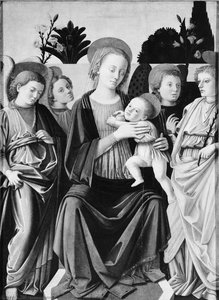
Madonna with Child, the Young St John and Two Angels
 Early Renaissance
 1500
1500- Renaissance
 82.0 x 82.0 cm
 Liechtenstein Museum
 Читать далее
Масляная репродукция ручной работы
Картина маслом на холсте в выбранном вами размере и раме, написанная на заказ нашими художниками. ( Перейти к печати Перейти к цифровым изображениям)




P118B $10

P118H $10

P118W $10

P438Z $10

P508JH $12

P508YH $12

P805H $10

P805Z $10

P919BZ $10

P919G $10

P919XJ $10

P959ZH $10

P968JZ $12

W106C $8

W218G $10

W218JH $8

W218Y $10

W307PJ $10

W316G $10

W316PJ $8

W316Y $10

W398PJ $8

W4111J $10

W500HY $15

W500JH $15

W692G $12

W849H $8

W940BG $15

W953PJ $8
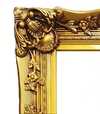
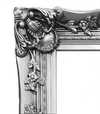
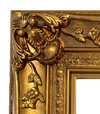
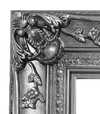
Выберите один из наших стандартных размеров, соответствующих оригинальным пропорциям произведения искусства.

Вы можете указать собственные размеры, чтобы картина идеально вписалась в выбранную раму или пространство. Если выбранный вами размер не соответствует пропорциям оригинала, мы либо обрежем полотно, либо расширим его за счет дополнительных элементов, написанных вручную. Цифровой макет будет отправлен вам на утверждение перед началом производства.
Обратите внимание, что предварительный просмотр на экране не отражает фактическую обрезку или расширение. Только макет точно покажет окончательную композицию.
Хотя доступны индивидуальные размеры, мы рекомендуем выбирать вариант из предопределенного списка, чтобы сохранить исходные пропорции.
После оформления заказа команда ArtsDot.com свяжется с клиентом по электронной почте для уточнения деталей и предоставит предварительный макет
Доставка по всему миру () за 3–4 недели вместо стандартных 5 недель. (14 Сентябрь). Без компромиссов в качестве.

Бесплатная экспресс-доставка по всему миру

Высококачественный льняной холст

Полное страхование доставки

Гарантия возмещения таможенных пошлин

Гарантия точного соответствия цветов

100-дневная политика возврата (только при обнаружении дефектов)

Гарантия возврата 100% средств

Предложение оптовых скидок
 Вариант со стеклом доступен только для размеров менее 110 см

Madonna with Child, the Young St John and Two Angels
Техника репродукции
Размер репродукции
-


Итоговая стоимость
$ 263
A Vision of Florentine Grace
In the quiet, luminous realm of Sebastiano Mainardi’s Madonna with Child, the Young St John and Two Angels, time seems to suspend itself within a moment of divine tenderness. Painted around 1500, this masterpiece serves as a breathtaking window into the heart of the Early Renaissance. The composition centers on the Virgin Mary, whose serene countenance radiates a maternal warmth that is both profoundly human and ethereally holy. Held closely in her arms, the Christ Child becomes the focal point of a celestial gathering, flanked by two watchful angels whose presence adds a rhythmic depth to the sacred scene. This is not merely a religious icon; it is an intimate portrait of devotion, captured with the delicate precision that defined the Florentine school.
The artistry of Mainardi, a pupil of the legendary Domenico Ghirlandaio, shines through in the meticulous handling of light and form. The technique employs a harmonious color palette where soft, skin-like tones meet the rich, textured fabrics of the figures' garments. As your eyes wander from the central figures toward the background, a masterful use of perspective reveals a sprawling cityscape framed by a window, suggesting that the divine is not separate from our world, but intimately woven into it. The distant view of boats upon a shimmering body of water introduces a maritime tranquility, grounding the spiritual subject matter in a tangible, earthly reality that invites the viewer to step directly into the landscape.
Symbolism and the Renaissance Spirit
Every element within this composition is imbued with layers of meaning designed to stir the soul. The presence of the Young St John serves as a prophetic bridge between the Old and New Testaments, while the angels act as intermediaries between the heavens and the earth. The window, a classic Renaissance motif, functions as more than just a structural detail; it acts as a threshold between the sacred interior space and the bustling, mortal world outside. This juxtaposition of the eternal and the temporal creates a profound emotional resonance, reminding the observer of the omnipresence of the divine within the everyday rhythms of life.
For the discerning collector or interior designer, this painting offers an unparalleled opportunity to introduce a sense of historical prestige and contemplative calm into a living space. The balanced composition and the soft, diffused lighting make it a versatile centerpiece that complements both classical and contemporary settings. Whether placed in a sunlit gallery or a sophisticated study, the work commands attention through its subtle elegance rather than through sheer scale. Owning a high-quality reproduction of this Mainardi treasure is an invitation to surround oneself with the enduring beauty of the Italian Renaissance, fostering an atmosphere of peace, intellect, and timeless sophistication.
Похожие произведения

Биография художника
Sebastiano Mainardi: A Florentine Master of Madonna Portraits
Sebastiano Mainardi (c.1460 – 1513), born in San Gimignano, Tuscany, stands as a pivotal figure within the Early Renaissance artistic landscape of Florence. Largely illuminated by the meticulous observations of Giorgio Vasari—the celebrated biographer of artists—his life’s narrative remains fragmented yet undeniably intertwined with the flourishing creative spirit of his era. Primarily recognized for his serene Madonna portraits and contributions to monumental frescoes, Mainardi's legacy endures as a testament to Ghirlandaio’s influence and the enduring beauty of Florentine art. Early Life & Training: Giorgio Vasari recounts that Mainardi was apprenticed to Domenico Ghirlandaio, arguably Florence’s most prominent painter during this period. This association proved invaluable, fostering a stylistic kinship characterized by harmonious color palettes and refined compositional balance—traits readily discernible in numerous works attributed to both artists. The careful attention to detail and subtle shading techniques characteristic of Ghirlandaio's style permeated Mainardi’s artistic endeavors, establishing a foundational aesthetic that would define his subsequent creations. Collaboration with Ghirlandaio: The Sassetti Chapel frescoes commissioned by Giovanni Battista Sassetti represent arguably Mainardi’s most celebrated achievement. Under Ghirlandaio's guidance, he skillfully executed scenes depicting the Nativity and Adoration of the Magi, demonstrating a masterful grasp of perspective and drapery—techniques that epitomized the artistic ideals of the time. Vasari meticulously documented this partnership, emphasizing the collaborative spirit and mutual respect between the two masters. The resulting frescoes are considered cornerstones of Florentine Renaissance art, showcasing Ghirlandaio’s innovative approach to narrative composition and Mainardi's contribution to achieving visual harmony. The Abbey of Passignano: Evidence suggests Mainardi participated in decorating the Abbey of Passignano near Florence. Although details regarding his involvement remain scarce, scholars believe he contributed to the frescoes adorning the basilica’s interior, furthering Ghirlandaio's artistic vision and solidifying Florentine artistic prestige. The Abbey’s walls bear witness to a concerted effort to elevate Florentine art—a symbol of civic pride and spiritual aspiration during the Renaissance. Madonna Portraits & Artistic Style: Beyond monumental frescoes, Mainardi produced a series of Madonna portraits distinguished by their tranquil expressions and idealized depictions of motherhood. These paintings exemplify the humanist aesthetic prevalent in Florence—emphasizing spiritual contemplation and conveying profound emotional depth. His style is notable for its subtle modeling and luminous coloration; he achieved an ethereal quality that captured the essence of divine grace. The serene gaze of Mary, combined with delicate drapery folds and harmonious color schemes, reflects a deep understanding of human psychology and artistic technique. Legacy & Influence: Although Mainardi’s oeuvre remains relatively modest compared to contemporaries like Michelangelo or Raphael, his work nonetheless embodies the essence of Florentine Renaissance art. He served as a crucial link between Ghirlandaio's formative style and subsequent artistic developments—a testament to the enduring power of mentorship and collaborative creativity. His influence can be seen in the works of younger artists who adopted Ghirlandaio’s principles of balance and elegance, ensuring that Mainardi’s contribution to Florentine art history would endure for centuries to come. The Basilica San Sebastiano houses St. Sebastiano fouri le Mura, a masterpiece that showcases Mainardi's artistic prowess alongside Bernini's Salvator Mundi and ancient Roman catacombs—a unique Roman experience. Similarly, the Church of San Sebastiano in Venice displays Paolo Veronese’s magnificent paintings, highlighting Venetian art history and architectural grandeur. Finally, exploring San Sebastiano fuori le Mura reveals the Seven Pilgrim Churches route and its significance on the artistic heritage of Rome.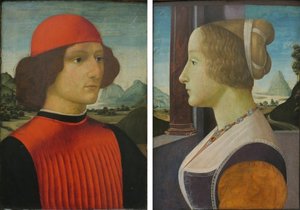
Себастьяно Майнарди
1460 - 1513 , Италия
Основные сведения
- Artistic Movement Or Style: Раннее Возрождение
- Artists Or Movements Influenced By This Artist: ['Возрожденческий стиль']
- Artists Who Influenced This Artist: ['Доменико Гирландейо']
- Date Of Birth: c.1460
- Date Of Death: 1513
- Full Name: Sebastiano Mainardi
- Nationality: Итальянский
- Notable Artworks:
- Святой Себастьян и четыре муры
- Мадонна и Святые
- Place Of Birth: San Gimignano, Italy
Похожие статьи
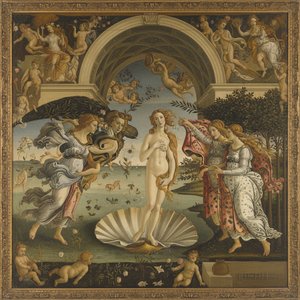
Топ-25 шедевров Сандро Боттичелли: искусство Ренессанса для вашего дома
Погрузитесь в мир Сандро Боттичелли! 25 шедевров Ренессанса – "Рождение Венеры", "Весна" и другие культовые картины. Узнайте историю, технику и вдохновение великого художника. Репродукции высокого качества для вашего интерьера на ArtsDot.com.

Рафаэль: 25 шедевров великого художника для ценителей искусства и декора интерьера
Погрузитесь в мир Рафаэля! 25 величайших шедевров эпохи Возрождения, полные гармонии и красоты. Узнайте истории создания картин, технику живописи и вдохновитесь для декора интерьера. Репродукции высокого качества на ArtsDot.com.

25 Шедевров Уффици: Путешествие в Сердце Ренессанса | ArtsDot
Погрузитесь в мир Ренессанса с 25 шедеврами галереи Уффици! От Боттичелли до Леонардо да Винчи – истории, техники и вдохновение для вашего интерьера. Купите репродукции картин высочайшего качества на ArtsDot.com.
Celestial Messengers: A Comprehensive Exploration of Angelic Representation in Art History
Explore the captivating history of angels in art! Discover symbolism, iconic Renaissance masterpieces & renowned artists. Expert insights for art lovers & collectors at ArtsDot.
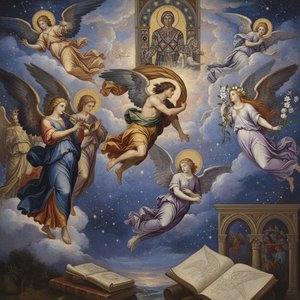
Celestial Messengers: Angels in Painting – A Historical & Artistic Exploration
Explore the captivating history of angels in painting! Discover symbolism, iconic Renaissance & Byzantine masterpieces, and renowned artists. Expert insights for art lovers & collectors at ArtsDot.