

 Предпросмотр
 Поделиться
 Поделиться
 Детали произведения

 Скачать
 Похожие работы
 Рентгенография
 Слайд-шоу
 Статистика
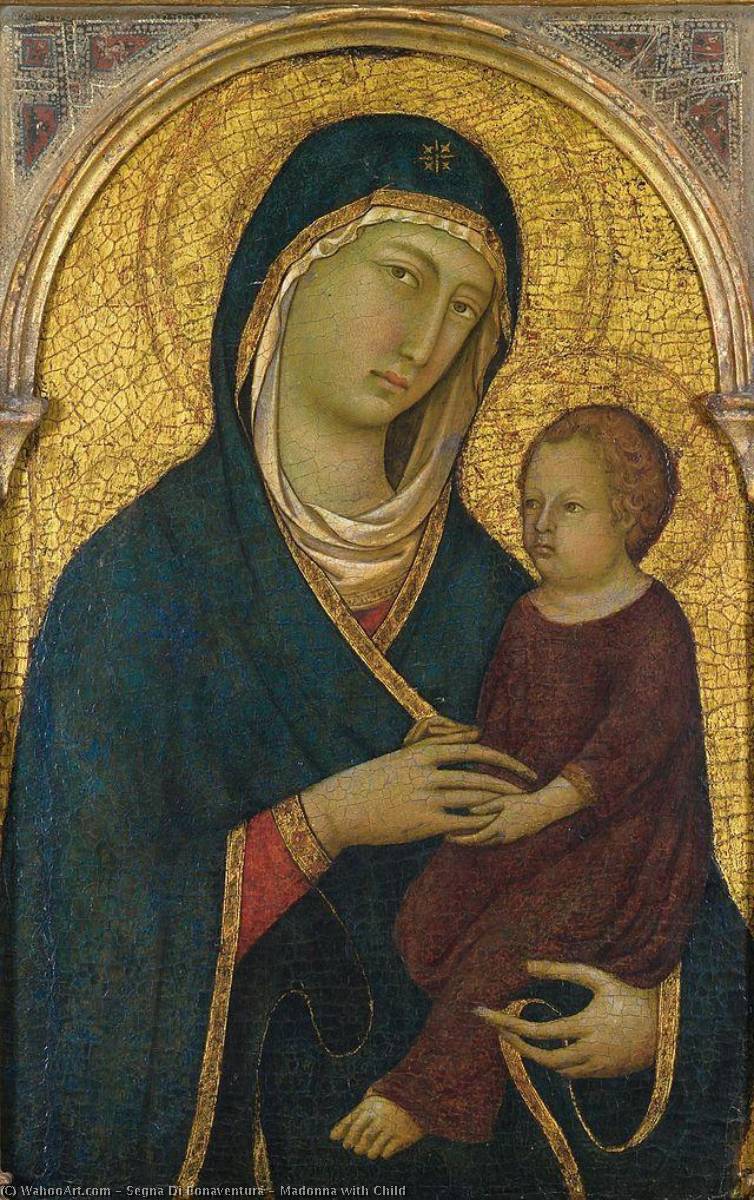
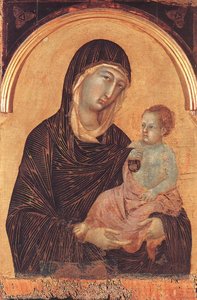
Madonna with Child


 Читать далее
Приобретите цифровое изображение высокого разрешения в улучшенном качестве, которое значительно превосходит онлайн-превью.
Каждый файл тщательно подготавливается нашими специалистами с использованием передовых инструментов и экспертной ручной ретуши. Мы гарантируем исключительную четкость, точную цветопередачу и детальную проработку каждого изображения.
Финальный файл доставляется по электронной почте в течение 72 часов и оптимизирован для немедленного использования в профессиональной среде, при верстке и печати. Это тот же уровень качества, которому доверяют ведущие дизайнерские студии, издательства и галереи.
Цифровое изображение
Скачайте файл высокого разрешения для личного использования, печати и творческих проектов. ( Перейти к печати Купить картину ручной работы)
Включено в каждый заказ цифровых изображений
Гарантия экспертной цифровой доставки
Выбирая ArtsDot.com, вы получаете не просто изображение — вы приобретаете профессионально обработанное цифровое произведение искусства, созданное с безупречной точностью и под защитой гарантии качества. Вот всё, что автоматически входит в ваш заказ:

Мгновенная доставка по e-mail
Ваш цифровой файл в высоком разрешении будет отправлен вам по электронной почте в течение 72 часов после оформления заказа — и сразу станет доступен для использования.

Цифровой файл с ИИ-улучшением
Ваше произведение искусства проходит профессиональную оптимизацию с использованием передовых инструментов ИИ и ручной обработки, что гарантирует максимальную детализацию, четкость и точность цветопередачи.

Бессрочная бесплатная повторная доставка
Случайно удалили или потеряли файл? Не беспокойтесь — мы отправим его вам повторно в любое время и совершенно бесплатно.

Без импортных пошлин — навсегда
Наслаждайтесь вашим произведением искусства мгновенно без таможенных пошлин, сборов или затрат на доставку — цифровые загрузки всегда не облагаются налогом.

Гарантия точности цветопередачи
Мы гарантируем, что ваше цифровое изображение максимально точно передает оригинальные цвета благодаря использованию профессиональных инструментов и систем управления цветом.

Гарантия удовлетворенности 100 дней
Если вы не будете удовлетворены своим цифровым изображением, мы внесем правки или вернем 100% стоимости в течение 100 дней — без лишних вопросов.

100% Гарантия возврата средств
Не удовлетворены покупкой? Получите полный возврат средств в течение 100 дней после получения цифрового файла — без лишних вопросов.

Скидки на оптовые заказы
Купите 3 изображения, сэкономьте 10% — Купите 5, сэкономьте 15% — Купите 10+, сэкономьте 20%. Отличное решение для творческих проектов, галерей и агентств.
Похожие произведения






Биография художника
Segna di Buonaventure: A Shadow of Siena’s Brilliance
Segna di Buonaventure, a name that echoes through the annals of early Trecento painting, remains an intriguing figure shrouded in a degree of mystery. Born around 1298 in Siena, Italy, and tragically dying sometime before 1331, his life spanned a period of immense artistic ferment – the very dawn of the Renaissance – and he left behind a remarkably small but intensely significant body of work. While much about his early training and precise biographical details remains elusive, we can piece together a compelling portrait of an artist deeply rooted in the Sienese school yet possessing a unique, almost austere sensibility that distinguished him from his more celebrated contemporaries like Duccio di Buoninsegna, his uncle. His existence is documented through relatively sparse archival evidence, primarily relying on mentions within guild records and convent notices, lending a certain air of scholarly intrigue to his artistic legacy. Despite the limited information, Segna’s paintings offer a valuable glimpse into the evolving visual language of the period, showcasing both the influence of Byzantine traditions and the nascent experimentation with naturalism that would define the Renaissance.Early Influences and Artistic Development
Segna's artistic journey is believed to have begun under the tutelage of his uncle, Duccio di Buoninsegna, a towering figure in Sienese painting. Duccio’s workshop at Siena was a crucible of innovation, where artists honed their skills in tempera on gesso panels – a technique favored for its luminosity and durability. Segna's early works demonstrate a clear debt to Duccio’s style, particularly in the use of gold leaf to create shimmering halos around figures and the meticulous rendering of drapery with intricate web-like patterns. However, unlike Duccio’s often exuberant and emotionally charged compositions, Segna’s paintings possess a more restrained elegance, characterized by a sense of solemnity and a focus on formal clarity. The influence of Byzantine iconography is also readily apparent in his work – the stylized poses, the hierarchical arrangement of figures, and the use of flattened perspective all point to a deep engagement with the artistic traditions of Constantinople. It’s believed that Segna spent time in Florence during this period, absorbing influences from the burgeoning Florentine school, which was beginning to experiment with linear perspective and naturalistic representation.Key Works and Distinctive Style
Despite his relatively small output – only four paintings definitively attributed to him have survived – Segna’s works are remarkably distinctive. His most celebrated pieces include “St. Magdalen” (circa 1315-1320) and “Mary Magdalen” (circa 1320), both housed in the collection of ArtsDot, which showcase his mastery of tempera on wood. "St. Magdalen" is particularly striking for its dramatic lighting and the artist’s ability to convey a sense of profound sorrow through the figure's posture and expression. The painting’s composition is carefully balanced, with the saint presented in a three-quarter view that emphasizes her vulnerability and spiritual intensity. “Mary Magdalen” similarly demonstrates Segna’s skill in rendering human form and emotion, capturing the saint’s penitent gaze and humble demeanor. Beyond these iconic portraits, he created a "Crucifix" (circa 1320), a powerfully emotive depiction of Christ on the cross, characterized by its stark simplicity and emotional directness. His work is notable for its use of muted colors and a preference for clear, precise lines, creating an atmosphere of quiet contemplation.Symbolism and Historical Context
Segna’s paintings are not merely aesthetically pleasing; they are rich in symbolic meaning. The halos surrounding the figures, for example, represent their sanctity and divine grace. The use of gold leaf symbolizes spiritual illumination and transcendence. Furthermore, his works reflect the prevailing religious climate of 14th-century Italy, a period marked by both fervent piety and growing intellectual curiosity. The Church was undergoing significant reforms, and artists were increasingly called upon to create images that would inspire devotion and reinforce orthodox doctrine. Segna’s paintings can be seen as part of this broader cultural dialogue, offering a visual representation of faith and spirituality within the context of his time. His work also provides insight into the economic and social dynamics of Siena during the early 14th century, reflecting the city's status as a major center of trade and craftsmanship.Legacy and Historical Significance
Segna di Buonaventure’s legacy is one of quiet significance. He wasn’t a flamboyant innovator like his uncle Duccio, but rather a steady, reliable artist who contributed significantly to the development of Sienese painting. His work represents a crucial link between the Byzantine traditions that had shaped Italian art for centuries and the emerging naturalism of the Renaissance. His restrained style, characterized by clarity, solemnity, and a profound sense of spirituality, offers a valuable counterpoint to the more exuberant expressions of his contemporaries. While he may not be as widely celebrated as some of his peers, Segna’s paintings continue to fascinate art historians and viewers alike, offering a poignant glimpse into the artistic world of early 14th-century Siena – a world where shadow and light, faith and doubt, intertwined to create works of enduring beauty.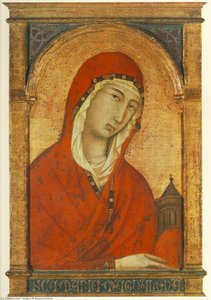
segna di buonaventure
1298 - 1326
Основные сведения
- Artistic Movement Or Style: Trecento
- Artists Or Movements Influenced By This Artist: ['Sienese School']
- Artists Who Influenced This Artist: ['Duccio di Buoninsegna']
- Date Of Birth: c.1298
- Date Of Death: 1326/31
- Full Name: Segna di Buonaventure
- Nationality: Italian
- Notable Artworks:
- St Magdalen
- Mary Magdalen
- Crucifix
- Place Of Birth: Siena, Italy