


 Предпросмотр
 Поделиться
 Поделиться
 Детали произведения

 Скачать
 Похожие работы
 Рентгенография
 Слайд-шоу
 Статистика
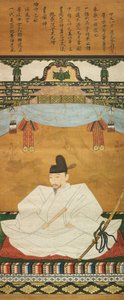
Portrait of Toyotomi Hideyoshi,


 Читать далее
Приобретите цифровое изображение высокого разрешения в улучшенном качестве, которое значительно превосходит онлайн-превью.
Каждый файл тщательно подготавливается нашими специалистами с использованием передовых инструментов и экспертной ручной ретуши. Мы гарантируем исключительную четкость, точную цветопередачу и детальную проработку каждого изображения.
Финальный файл доставляется по электронной почте в течение 72 часов и оптимизирован для немедленного использования в профессиональной среде, при верстке и печати. Это тот же уровень качества, которому доверяют ведущие дизайнерские студии, издательства и галереи.
Цифровое изображение
Скачайте файл высокого разрешения для личного использования, печати и творческих проектов. ( Перейти к печати Купить картину ручной работы)
Включено в каждый заказ цифровых изображений
Гарантия экспертной цифровой доставки
Выбирая ArtsDot.com, вы получаете не просто изображение — вы приобретаете профессионально обработанное цифровое произведение искусства, созданное с безупречной точностью и под защитой гарантии качества. Вот всё, что автоматически входит в ваш заказ:

Мгновенная доставка по e-mail
Ваш цифровой файл в высоком разрешении будет отправлен вам по электронной почте в течение 72 часов после оформления заказа — и сразу станет доступен для использования.

Цифровой файл с ИИ-улучшением
Ваше произведение искусства проходит профессиональную оптимизацию с использованием передовых инструментов ИИ и ручной обработки, что гарантирует максимальную детализацию, четкость и точность цветопередачи.

Бессрочная бесплатная повторная доставка
Случайно удалили или потеряли файл? Не беспокойтесь — мы отправим его вам повторно в любое время и совершенно бесплатно.

Без импортных пошлин — навсегда
Наслаждайтесь вашим произведением искусства мгновенно без таможенных пошлин, сборов или затрат на доставку — цифровые загрузки всегда не облагаются налогом.

Гарантия точности цветопередачи
Мы гарантируем, что ваше цифровое изображение максимально точно передает оригинальные цвета благодаря использованию профессиональных инструментов и систем управления цветом.

Гарантия удовлетворенности 100 дней
Если вы не будете удовлетворены своим цифровым изображением, мы внесем правки или вернем 100% стоимости в течение 100 дней — без лишних вопросов.

100% Гарантия возврата средств
Не удовлетворены покупкой? Получите полный возврат средств в течение 100 дней после получения цифрового файла — без лишних вопросов.

Скидки на оптовые заказы
Купите 3 изображения, сэкономьте 10% — Купите 5, сэкономьте 15% — Купите 10+, сэкономьте 20%. Отличное решение для творческих проектов, галерей и агентств.
Похожие произведения
Биография художника
Seisho Shotai (1548-1607): The Silent Chronicler of a Turbulent Era
The world of 16th-century Japan was one of immense upheaval – the waning days of the Sengoku period, marked by constant warfare and shifting alliances. Amidst this chaos emerged Seisho Shotai (c. 1548-1607), an artist whose legacy rests primarily on his exquisite inscriptions and, most notably, his masterful portraiture, particularly that of Toyotomi Hideyoshi, a figure who profoundly shaped the nation’s destiny. Shotai's name rarely graces the headlines of art history, yet his work offers a remarkably intimate glimpse into the political and cultural currents of his time, revealing a keen eye for detail and a subtle understanding of symbolism.
Born during this period of intense conflict, Shotai’s early life remains shrouded in relative obscurity. He emerged as a skilled calligrapher and painter, quickly gaining recognition for his elegant brushwork and ability to capture the essence of his subjects. His career coincided with the rise of Toyotomi Hideyoshi, a peasant-born warrior who, through sheer force of will and military brilliance, ascended to become one of Japan’s most powerful figures – a shogun in all but name. Shotai's connection to Hideyoshi was not merely professional; he became a trusted advisor and confidant, deeply involved in the warlord’s court.
The Art of Inscription and Portraiture
Shotai’s artistic output is remarkably focused. He is primarily known for his inscriptions – elegant calligraphy accompanying paintings, often providing context, commentary, or personal reflections. These inscriptions are not mere labels; they are integral to the artwork itself, adding layers of meaning and revealing Shotai's perspective on the subject depicted. However, it’s his portraits, particularly those of Toyotomi Hideyoshi, that have secured his place in art history. He produced a series of remarkably detailed and psychologically astute depictions of the warlord, capturing not just his physical appearance but also his character and authority.
The “Portrait of Toyotomi Hideyoshi” (circa 1599), now housed at the Google Arts & Culture collection, exemplifies Shotai’s skill. The painting itself is a masterpiece of composition – Hideyoshi is seated with a ceremonial fan in his right hand and his left fist clenched, a gesture conveying both power and vigilance. He wears white silk socks and sits cross-legged on raised mats, mimicking the attire of an emperor, subtly asserting his elevated status as a regent (kanpaku). The backdrop features a stylized paulownia tree, a symbol deeply associated with imperial authority, further reinforcing Hideyoshi’s claim to legitimacy.
Symbolism and Context
Analyzing Shotai's work requires understanding the intricate symbolism of the era. The inclusion of the white silk socks, for instance, was not merely decorative; it represented a deliberate attempt to emulate imperial protocol, legitimizing Hideyoshi’s rule amidst a period of political instability. The paulownia tree, a sacred symbol in Japanese culture, served as a visual link between the warlord and the imperial lineage. Shotai's inscription, penned by Saisho Jotai, further illuminates these connections, highlighting the significance of the date – the 18th day of the fourth month—which coincided with the dedication of Hokoku Jinja, a shrine erected in honor of Hideyoshi.
The portrait’s creation was deeply intertwined with the political and religious landscape of the time. Commissioned by Yakuin Zenso, Hideyoshi's physician and a prominent Buddhist priest, it served as both a memorial to the deceased warlord and a means of solidifying his legacy. Shotai’s work, therefore, transcends mere portraiture; it becomes a historical document, capturing a pivotal moment in Japanese history.
Legacy and Influence
Despite his relatively quiet life, Seisho Shotai left an enduring mark on Japanese art. His meticulous attention to detail, combined with his profound understanding of symbolism, established him as one of the most accomplished portraitists of his era. His work offers a rare window into the world of Toyotomi Hideyoshi and the turbulent political climate in which he reigned. While few of his works survive, they remain highly prized by collectors and scholars alike, offering invaluable insights into the artistic and cultural traditions of 16th-century Japan.
Furthermore, Shotai’s legacy extends beyond individual artworks. His mastery of inscription influenced generations of calligraphers, while his portraiture set a standard for future artists seeking to capture the essence of their subjects. He stands as a testament to the power of quiet observation and skillful execution – a silent chronicler of a remarkable era.
seisho shotai (japanese, 1548-1607)
1548 - 1607 , Japan
Основные сведения
- Artistic Movement Or Style: Inscriptions, Portraiture
- Artists Who Influenced This Artist: ['Saisho Jotai']
- Date Of Birth: 1548
- Date Of Death: 1607
- Full Name: Seisho Shotai
- Nationality: Japanese
- Notable Artworks: ['Portrait of Toyotomi Hideyoshi']
- Place Of Birth: Japan