

 Предпросмотр
 Поделиться
 Поделиться
 Детали произведения

 Скачать
 Похожие работы
 Рентгенография
 Слайд-шоу
 Статистика
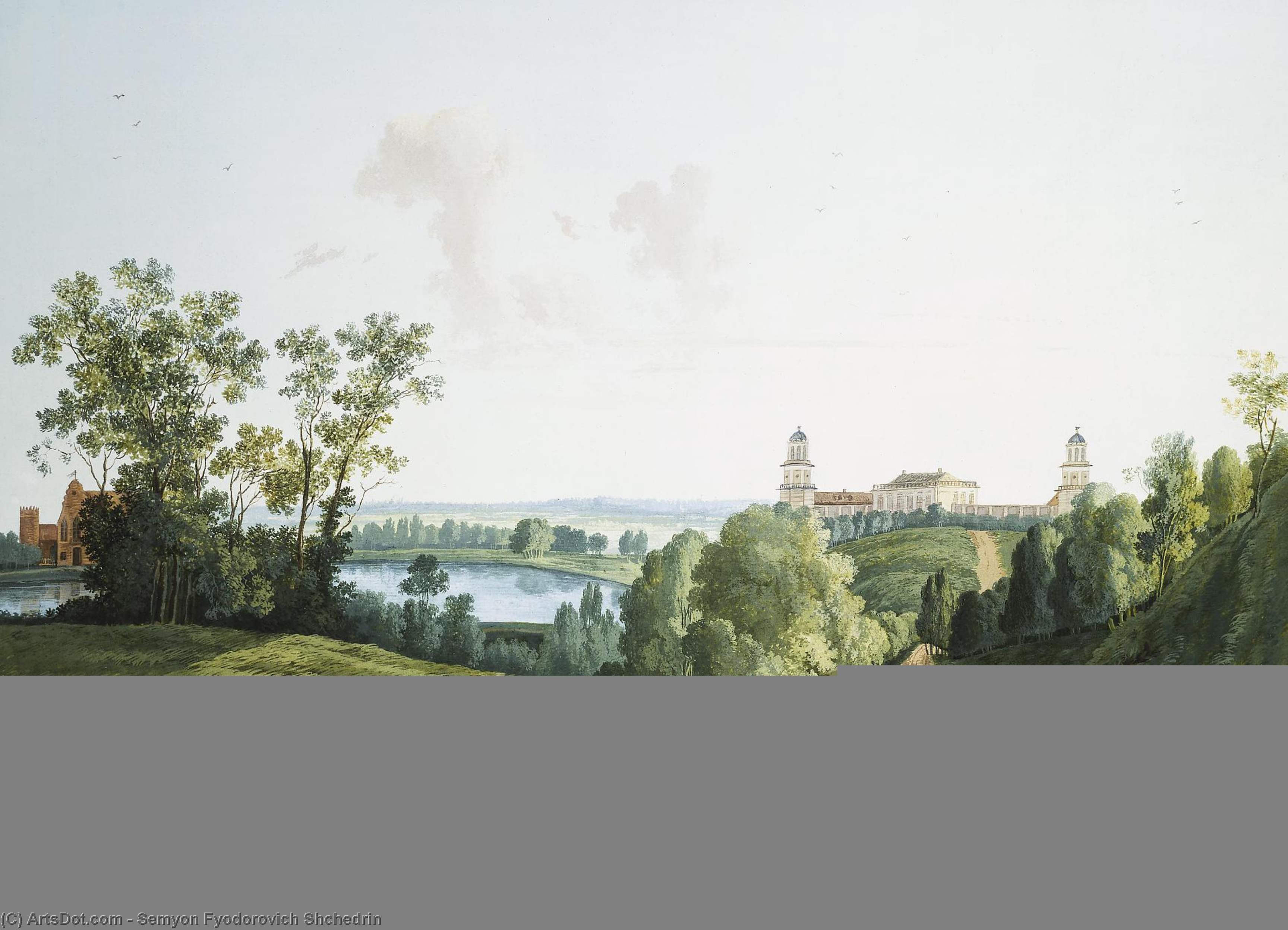
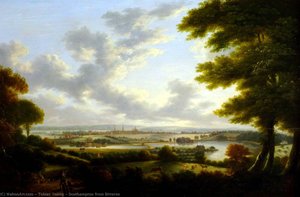
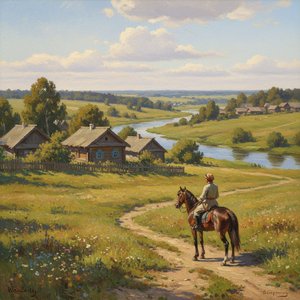
Landscape with a Farm in the Park in Tsarskoye Selo
 Acrylic On Canvas
- WallArt
- Romantic Landscape
 58.0 x 73.0 cm
 Эрмитаж
 Читать далее
Масляная репродукция ручной работы
Картина маслом на холсте в выбранном вами размере и раме, написанная на заказ нашими художниками. ( Перейти к печати Перейти к цифровым изображениям)




P118B $10

P118H $10

P118W $10

P438Z $10

P508JH $12

P508YH $12

P805H $10

P805Z $10

P919BZ $10

P919G $10

P919XJ $10

P959ZH $10

P968JZ $12

W106C $8

W218G $10

W218JH $8

W218Y $10

W307PJ $10

W316G $10

W316PJ $8

W316Y $10

W398PJ $8

W4111J $10

W500HY $15

W500JH $15

W692G $12

W849H $8

W940BG $15

W953PJ $8
Выберите один из наших стандартных размеров, соответствующих оригинальным пропорциям произведения искусства.

Вы можете указать собственные размеры, чтобы картина идеально вписалась в выбранную раму или пространство. Если выбранный вами размер не соответствует пропорциям оригинала, мы либо обрежем полотно, либо расширим его за счет дополнительных элементов, написанных вручную. Цифровой макет будет отправлен вам на утверждение перед началом производства.
Обратите внимание, что предварительный просмотр на экране не отражает фактическую обрезку или расширение. Только макет точно покажет окончательную композицию.
Хотя доступны индивидуальные размеры, мы рекомендуем выбирать вариант из предопределенного списка, чтобы сохранить исходные пропорции.
После оформления заказа команда ArtsDot.com свяжется с клиентом по электронной почте для уточнения деталей и предоставит предварительный макет
Доставка по всему миру () за 3–4 недели вместо стандартных 5 недель. (13 Сентябрь). Без компромиссов в качестве.

Бесплатная экспресс-доставка по всему миру

Высококачественный льняной холст

Полное страхование доставки

Гарантия возмещения таможенных пошлин

Гарантия точного соответствия цветов

100-дневная политика возврата (только при обнаружении дефектов)

Гарантия возврата 100% средств

Предложение оптовых скидок
 Вариант со стеклом доступен только для размеров менее 110 см

Landscape with a Farm in the Park in Tsarskoye Selo
Техника репродукции
Размер репродукции
-


Итоговая стоимость
$ 263
A Serene Vision of Imperial Russia
Semyon Shchedrin’s “Landscape with a Farm in the Park in Tsarskoye Selo” is more than just a depiction of a picturesque estate; it's a carefully constructed tableau of Russian imperial life, imbued with the quiet grandeur and contemplative spirit of the late 18th century. Painted around 1790-1804, during Shchedrin’s prolific career as a landscape artist working primarily for Catherine the Great, this gouache on cardboard masterpiece offers a glimpse into the meticulously curated world of Tsarskoye Selo, one of Russia's most celebrated palaces and gardens.
The scene unfolds across a gently rolling expanse, dominated by a sprawling estate nestled amongst verdant hills. A meandering river reflects the soft hues of the sky, while a stately palace – likely Pavlovsk Palace, a favored retreat for the Empress – rises in the distance, its classical architecture softened by the atmospheric perspective characteristic of Shchedrin’s style. Foreground trees, rendered with delicate detail and varying shades of green, create a sense of depth, drawing the viewer into the composition. The inclusion of a small farmstead suggests the agricultural prosperity underpinning the imperial court's lifestyle – a subtle reminder of the land’s bounty and the connection between power and productivity.
The Language of Neoclassicism
Shchedrin’s approach is firmly rooted in the principles of Neoclassicism, a movement that sought to revive the artistic ideals of ancient Greece and Rome. This is evident in the carefully balanced composition, the emphasis on clear lines and forms, and the restrained use of color. The artist avoids dramatic contrasts or overly expressive brushstrokes, opting instead for a smooth, polished surface achieved through the application of gouache – a medium known for its opacity and ability to create subtle gradations of tone. The meticulous detail in depicting architectural elements like the palace and the farm buildings speaks to a desire for accuracy and order, reflecting the values associated with Enlightenment thought.
Notably, Shchedrin’s work bridges the gap between the Rococo style prevalent earlier in his career and the more formal Neoclassicism that gained prominence under Catherine's reign. The painting retains some of the Rococo’s fondness for naturalistic detail and a sense of idyllic beauty, but it is tempered by a greater emphasis on structure, proportion, and restraint – hallmarks of the new artistic order.
Symbolism and Emotional Resonance
Beyond its purely representational qualities, “Landscape with a Farm in the Park in Tsarskoye Selo” carries significant symbolic weight. The palace, a symbol of imperial power and wealth, is presented not as an ostentatious display of grandeur but rather as a harmonious element within the landscape. The inclusion of the farmstead subtly reminds viewers of the social hierarchy underpinning the scene – the privileged elite enjoying the fruits of labor performed by those less fortunate. The overall mood is one of tranquility and serenity, inviting contemplation and reflecting the Empress’s desire to create an atmosphere of refined beauty and intellectual stimulation within her court.
Furthermore, the painting's connection to Tsarskoye Selo – a place renowned for its artistic patronage and cultural significance – elevates it beyond a simple landscape. It becomes a testament to the imperial commitment to art and architecture, embodying the ideals of a flourishing society under Catherine’s enlightened rule. The soft lighting and muted color palette contribute to this sense of peacefulness, creating an emotional resonance that transcends mere visual representation.
A Legacy in Reproduction
Today, reproductions of “Landscape with a Farm in the Park in Tsarskoye Selo” offer art enthusiasts a chance to experience Shchedrin’s masterful artistry and appreciate the beauty of this iconic Russian landscape. Whether displayed as a statement piece in a grand salon or incorporated into a more intimate setting, this painting continues to evoke a sense of timeless elegance and quiet contemplation – a lasting legacy of an era defined by imperial ambition and artistic refinement.
Похожие произведения

Биография художника
William Hogarth: A Moral Mirror of 18th Century England
William Hogarth, born in London on November 10, 1697, stands as a pivotal figure in the history of English art – a pioneer who bridged the gap between illustration and fine painting. His legacy isn’t defined by grand landscapes or heroic historical scenes, but rather by his unflinching moral and satirical engravings and paintings that offered a brutally honest, often darkly humorous, reflection of 18th-century London society. He was the first English-born artist to achieve widespread international recognition, largely due to his ability to capture both the superficial glamour and the underlying corruption of his time. His life, marked by financial struggles and a persistent pursuit of artistic validation, ultimately shaped an oeuvre that remains remarkably relevant today.Early Life and Artistic Training – A Foundation Built on Frustration
Hogarth’s childhood was far from idyllic. Born into a family of modest means, his father, Richard Hogarth, a classical scholar, struggled to provide for his household, leading to a period of relative poverty and a deep-seated resentment within the young William. His formal artistic training began with an apprenticeship as a silversmith, a profession he found deeply unsatisfying – a far cry from the creative expression he craved. This experience, however, instilled in him a pragmatic approach to his art, a willingness to learn through observation and experimentation, and a keen eye for detail. Crucially, it also fostered a distrust of established institutions, particularly those involved in printing and publishing, which would later inform his artistic choices and subject matter. He sought refuge in the study of classical literature and drawing, developing his skills independently before eventually being accepted into the Academy of Arts, where he studied under Francis Hayman. Despite this formal training, Hogarth’s true education came from observing the world around him – the bustling streets of London, the opulent homes of the wealthy, and the desperate lives of the poor.The Rise of Moral Panics: Engravings as Social Commentary
Hogarth's breakthrough came through his engravings, a medium he mastered with remarkable skill. He quickly established himself as a leading satirical artist, producing a series of prints that exposed the vices and follies of London society. His most famous works – *Marriage A-la-Mode*, *The Rake’s Progress*, *Gin Lane*, and *A Harlot's Progress* – are not merely decorative illustrations; they are meticulously constructed narratives designed to critique social ills. *The Gin Lane* series, for example, vividly depicted the devastating effects of gin consumption on the poor, while *A Harlot’s Progress* charted the downward spiral of a woman’s life through a series of increasingly grim scenes. These works were not intended as gentle moralizing; they were often shocking and confrontational, designed to provoke thought and action. Hogarth's use of caricature, exaggerated features, and detailed settings created a powerful visual language that resonated deeply with the public.Painting and Theory: A Pursuit of Recognition
Despite his success as an engraver, Hogarth harbored ambitions to establish himself as a painter, particularly in the grand tradition of history painting. He produced numerous portraits and historical scenes, but these efforts were largely unsuccessful, hampered by financial difficulties and a lack of patronage. He was deeply frustrated by the limitations placed upon him as an artist, struggling to gain acceptance within the established artistic circles. However, his intellectual curiosity led him to develop a sophisticated theory of painting, outlined in *A Dissertation on Painting*, published in 1738. This treatise explored the relationship between art and morality, arguing that paintings should serve as moral lessons for viewers. While not widely embraced during his lifetime, Hogarth’s theories have since been recognized as remarkably prescient, anticipating many of the ideas later developed by Romantic artists like William Blake.Legacy and Influence
William Hogarth died in London on October 26, 1764, at the age of 66. His impact on art history is profound. He is considered a pioneer of sequential art – the use of multiple images to tell a story – and his satirical engravings laid the groundwork for later caricatures and political cartoons. His meticulous attention to detail, his unflinching portrayal of social realities, and his innovative approach to composition influenced generations of artists. Furthermore, Hogarth’s emphasis on the moral dimension of art helped to shift the focus from mere aesthetic beauty to a more socially conscious engagement with the world. Today, his works are celebrated for their artistic merit, their historical significance, and their enduring relevance as a commentary on human nature and society. His legacy continues to inspire artists and viewers alike, reminding us of the power of art to both reflect and shape our understanding of the world around us.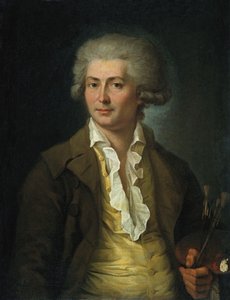
semyon fyodorovich shchedrin
1745 - 1804 , Russia
Основные сведения
- Artistic Movement Or Style: English school
- Artists Who Influenced This Artist: ['Richardson the elder, Jonathan],\n "Artists or movements influenced by this artist": ["Romantic literature"]\n}']
- Date Of Birth: November 10, 1697
- Date Of Death: October 26, 1764
- Full Name: William Hogarth
- Nationality: English
- Notable Artworks:
- A Rake’s Progress
- Marriage a-la-mode
- Place Of Birth: London, England
Похожие статьи

Джон Констебль: 25 шедевров английского пейзажа для вашего интерьера
Погрузитесь в мир английского пейзажа с Джоном Констеблом! 25 шедевров романтизма, история создания картин и вдохновение для вашего интерьера. Репродукции высокого качества на ArtsDot.com – искусство для ценителей.

Evocations of Place: A Historical Journey Through Landscape Art
Explore the rich history of landscape art with ArtsDot. Discover renowned artists, movements like Impressionism & Romanticism, and expert guidance for collecting timeless pieces. Find your perfect serene escape today!

Романтический пейзаж: 10 шедевров, изменивших искусство | ArtsDot.com
Погрузитесь в мир романтического пейзажа! 10 шедевров Фридриха, Тёрнера и других гениев. Узнайте историю создания культовых картин и вдохновитесь для декора интерьера. Репродукции высокого качества на ArtsDot.com.
Fyodor Vasilyev: A Poetic Vision of Russian Landscape – Life, Legacy, and the Transience of Nature
Explore the captivating world of Fyodor Vasilyev, a pioneering Russian landscape painter. Discover his lyrical style, influential works like 'Clouds' & lasting legacy. Learn about his life, artistic journey & impact on Russian art history.
Vasily Polenov: A Pioneer of Landscape Impressionism & Russian National Identity
Explore the captivating landscapes of Vasily Polenov, a pivotal figure in Russian art history. Discover his lyrical realism, biblical series & influence on Impressionism. Learn about the 'Knight of Beauty' and his enduring legacy.