


 Предпросмотр
 Поделиться
 Поделиться
 Детали произведения

 Скачать
 Похожие работы
 Рентгенография
 Слайд-шоу
 Статистика
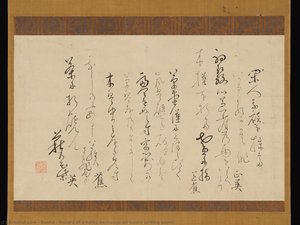
Letter to Akimago Nyudo

 Читать далее
Жикле / Арт-принт
Печать (жикле) или холст музейного качества с быстрыми сроками изготовления и широким выбором вариантов отделки. ( Купить картину ручной работы Перейти к цифровым изображениям)




































Выберите один из наших стандартных размеров, соответствующих оригинальным пропорциям произведения искусства.

Вы можете указать свои собственные размеры, чтобы репродукция идеально подошла под конкретную раму или пространство. Если выбранный вами размер не будет соответствовать пропорциям оригинала, мы либо обрежем произведение, либо дополним изображение зеркальным отражением краев или однотонной заливкой. Перед началом производства вам будет отправлен цифровой макет для утверждения.
Пожалуйста, обратите внимание, что предварительный просмотр на экране не отображает фактическую обрезку или расширение изображения. Только макет точно покажет финальную композицию.
Несмотря на возможность заказа индивидуальных размеров, мы рекомендуем выбирать размер из предопределенного списка, чтобы сохранить оригинальные пропорции.
Доставка по всему миру () за 2 недели вместо стандартных 4/5 недель. (14 Сентябрь)

Бесплатная экспресс-доставка по всему миру

Высококачественный льняной холст

Полное страхование доставки

Гарантия возмещения таможенных пошлин

Гарантия точного соответствия цветов

100-дневная политика возврата (только при обнаружении дефектов)

Гарантия возврата 100% средств

Предложение оптовых скидок
 Вариант со стеклом доступен только для размеров менее 110 см

Letter to Akimago Nyudo
Жикле / Арт-принт
Размер репродукции
-


Итоговая стоимость
$ 62
Похожие произведения





Биография художника
The Architect of Stillness
In the vibrant, merchant-rich atmosphere of Sakai during the sixteenth century, a profound transformation was quietly unfolding. Sen no Rikyū, known simply as Rikyū, emerged not merely as a practitioner of tea but as the architect of a spiritual revolution. Born in 1522, his life coincided with one of Japan's most turbulent eras, yet within the intimate confines of the tea room, he sought to cultivate a stillness that transcended political chaos. Through his mastery of chanoyu, or the Japanese way of tea, Rikyū elevated a simple social ritual into a meditative practice deeply rooted in Zen Buddhism, forever altering the cultural landscape of Japan.The Beauty of the Imperfect
Rikyū’s greatest contribution to the world of aesthetics was his radical embrace of simplicity. Before his influence, tea gatherings often leaned toward the ostentatious, showcasing precious Chinese imports and gilded splendor. Rikyū, however, championed the concept of wabi-sabi—the beauty found in imperfection, impermanence, and the rustic. He taught that true elegance resided in the weathered texture of a handmade bowl, the quiet shadow in a corner, and the humble presence of seasonal wildflowers. This philosophy turned the tea ceremony into an exercise in mindfulness, where every movement and every object served to ground the practitioner in the present moment.- The celebration of the unrefined and the natural world.
- The intentional use of space and shadow to evoke profound depth.
- A focus on the spiritual connection between host and guest through shared silence.
An Enduring Legacy
Though his life reached its conclusion in 1591, Rikyū’s influence remains an unbreakable thread in the fabric of Japanese identity. He established a lineage that continues to breathe life into the tea ceremony through the three great iemoto, or head houses: the Omotesenke, Urasenke, and Mushakōjisenke. Collectively known as the San Senke, these schools serve as the guardians of his teachings, ensuring that the principles of harmony, respect, purity, and tranquility are passed down through generations. His life remains a testament to the power of finding profound meaning within the smallest, most deliberate acts of grace.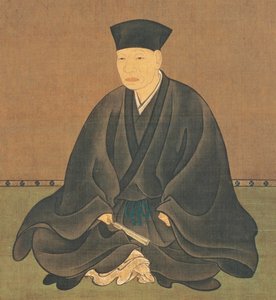
sen no rikyū
1522 - 1591 , Japan
Основные сведения
- Artistic Movement Or Style: Chanoyu (Way of Tea), Wabi-sabi
- Artists Or Movements Influenced By This Artist:
- Omotesenke
- Urasenke
- Mushakōjisenke
- Date Of Birth: 1522
- Date Of Death: 1591
- Full Name: Sen no Rikyū
- Nationality: Japanese
- Place Of Birth: Sakai, Japan