

 Предпросмотр
 Поделиться
 Поделиться
 Детали произведения

 Скачать
 Похожие работы
 Рентгенография
 Слайд-шоу
 Статистика
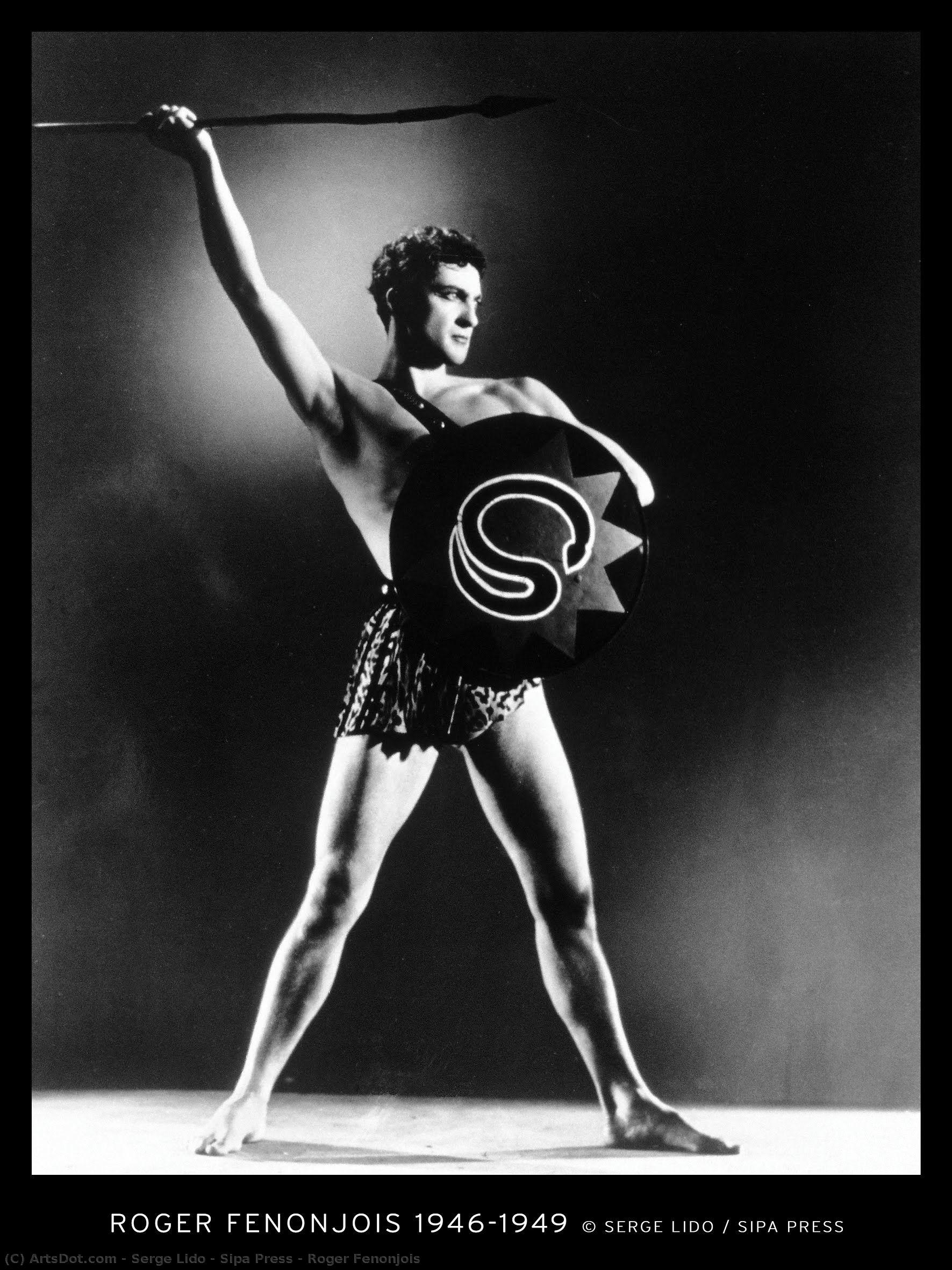
Roger Fenonjois

 Читать далее
Жикле / Арт-принт
Печать (жикле) или холст музейного качества с быстрыми сроками изготовления и широким выбором вариантов отделки. ( Купить картину ручной работы Перейти к цифровым изображениям)




































Выберите один из наших стандартных размеров, соответствующих оригинальным пропорциям произведения искусства.

Вы можете указать свои собственные размеры, чтобы репродукция идеально подошла под конкретную раму или пространство. Если выбранный вами размер не будет соответствовать пропорциям оригинала, мы либо обрежем произведение, либо дополним изображение зеркальным отражением краев или однотонной заливкой. Перед началом производства вам будет отправлен цифровой макет для утверждения.
Пожалуйста, обратите внимание, что предварительный просмотр на экране не отображает фактическую обрезку или расширение изображения. Только макет точно покажет финальную композицию.
Несмотря на возможность заказа индивидуальных размеров, мы рекомендуем выбирать размер из предопределенного списка, чтобы сохранить оригинальные пропорции.
Доставка по всему миру () за 2 недели вместо стандартных 4/5 недель. (12 Сентябрь)

Бесплатная экспресс-доставка по всему миру

Высококачественный льняной холст

Полное страхование доставки

Гарантия возмещения таможенных пошлин

Гарантия точного соответствия цветов

100-дневная политика возврата (только при обнаружении дефектов)

Гарантия возврата 100% средств

Предложение оптовых скидок
 Вариант со стеклом доступен только для размеров менее 110 см

Roger Fenonjois
Жикле / Арт-принт
Размер репродукции
-


Итоговая стоимость
$ 62
Похожие произведения





Биография художника
Serge Lido: Capturing the Ephemeral Grace of Ballet
Serge Lido (1906-1984), a name perhaps less familiar than some of his contemporaries, remains one of the most significant and visually arresting figures in 20th-century photography. Born in Moscow during a period of immense social and political upheaval, Lido’s artistic journey was inextricably linked to his relocation to Paris in 1933, a move that fundamentally shaped both his subject matter and his photographic style. He didn't simply document ballet; he imbued it with an almost dreamlike quality, capturing not just the physical movements of dancers but also their emotional states, their vulnerability, and the fleeting beauty of the moment. His work stands as a testament to the power of photography to transcend mere representation and achieve a profound sense of atmosphere and feeling.Early Life and Influences – A Russian Foundation
Lido’s early life in Moscow provided him with an appreciation for both classical art and the burgeoning world of ballet. Growing up amidst the vibrant artistic scene, he was exposed to influences ranging from Constructivism's geometric abstraction to the expressive qualities of Russian realist painting. These formative experiences instilled a deep respect for composition, form, and the ability to convey complex narratives through visual means. Crucially, his marriage to Irene Lidova in 1933 proved pivotal. Irene, herself a talented dancer and choreographer, became his primary muse and collaborator, traveling extensively throughout Europe with him – primarily France, Italy, Spain, and Russia – documenting the world of ballet with an unwavering dedication. This partnership allowed Lido to immerse himself fully within the dance community, gaining access to rehearsals, performances, and the intimate moments between dancers that often went unseen by the public eye.The Balletic Vision: Technique and Atmosphere
Lido’s photographic approach was remarkably unconventional for its time. He eschewed the stiff formality of traditional studio portraits, instead favoring natural light and candid settings. His images were frequently taken in rehearsal rooms, backstage areas, and even during travel, capturing dancers in moments of intense concentration, quiet contemplation, or playful interaction. A key element of his style was his masterful use of composition – often employing strong diagonals, shallow depth of field, and carefully arranged props to create a sense of dynamism and spatial tension. He wasn’t interested in simply freezing the action; he sought to convey the *feeling* of movement, the weight of gravity, and the subtle shifts in expression that revealed the dancers' inner lives. His use of black and white photography further enhanced this effect, stripping away distractions and allowing the textures of fabric, skin, and light to take center stage.Notable Works and Collaborations – A Legacy of Grace
Lido’s photographic output is substantial, encompassing over 10,000 images. Many of his most celebrated works depict iconic figures of the ballet world, including Maya Plisetskaya, Rudolf Nureyev, and Mikhail Baryshnikov. His portraits of Plisetskaya are particularly renowned for their ability to capture her fierce intensity and captivating presence. He also collaborated extensively with leading choreographers such as Roland Petit and George Balanchine, documenting their creative processes and the evolution of their works. His images from 1951, featuring a young Brigitte Bardot in a ballet scene, are particularly striking, showcasing his ability to capture both youthful beauty and dramatic emotion. The Roger Ritz collection, featuring photographs of Baryshnikov, exemplifies Lido’s dedication to capturing the essence of the dancer's performance.Historical Significance and Lasting Influence – Beyond the Dance Floor
Serge Lido’s work transcends its immediate subject matter—the world of ballet—to offer a profound meditation on beauty, vulnerability, and the ephemeral nature of human experience. His images possess a timeless quality, evoking a sense of nostalgia for a bygone era while simultaneously capturing the enduring spirit of artistic expression. He demonstrated that photography could be more than just a record of events; it could be a vehicle for exploring complex emotions and creating lasting impressions. While he may not be as widely recognized as some of his contemporaries, Serge Lido’s legacy continues to inspire photographers today, particularly those interested in capturing the beauty of movement and the emotional depth of human performance. His work serves as a reminder that true artistry lies not just in technical skill but also in the ability to connect with one's subject on a deeply personal level.Further Resources
- Roger Ritz: https://ArtsDot.com/en/artists/serge-lido-sipa-press-roger-ritz-D49LHK-en/
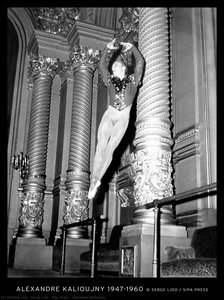
- Alexander Kalioujny: https://ArtsDot.com/en/artists/serge-lido-sipa-press-alexander-kalioujny-D49LHP-en/
- Roger Fenonjois: https://ArtsDot.com/en/artists/serge-lido-sipa-press-roger-fenonjois-D49LHF-en/
- Serge Lido / Sipa Press: https://ArtsDot.com/en/artists/serge-lido-sipa-press-en/?srsltid=AfmBOopTvM9OhkTGdJcKWpbsSkWnZAzihiiP-qRGzj8lcmgvafgSfU3F
serge lido / sipa press
France
Основные сведения
- Artistic Movement Or Style: Portraiture, Ballet Photography
- Artists Or Movements Influenced By This Artist: ['WahooArt.com']
- Artists Who Influenced This Artist: ['Félix Nadar']
- Date Of Death: 1984
- Full Name: Serge Lido / Sipa Press
- Nationality: French
- Notable Artworks:
- One Million Ballet Dancers
- Roger Ritz
- Alexander Kalioujny
- Roger Fenonjois
- Place Of Birth: Moscow, Russia