

 Предпросмотр
 Поделиться
 Поделиться
 Детали произведения

 Скачать
 Похожие работы
 Рентгенография
 Слайд-шоу
 Статистика
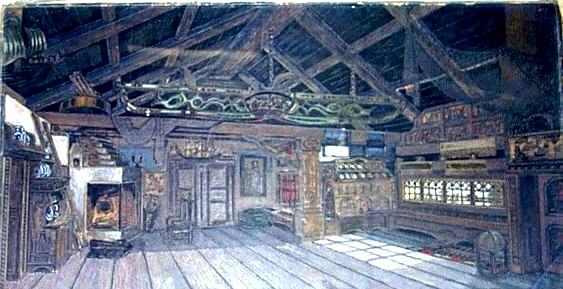
Sadko. Design for the scene decoration.


 Читать далее
Масляная репродукция ручной работы
Картина маслом на холсте в выбранном вами размере и раме, написанная на заказ нашими художниками. ( Перейти к печати Перейти к цифровым изображениям)




































Выберите один из наших стандартных размеров, соответствующих оригинальным пропорциям произведения искусства.

Вы можете указать собственные размеры, чтобы картина идеально вписалась в выбранную раму или пространство. Если выбранный вами размер не соответствует пропорциям оригинала, мы либо обрежем полотно, либо расширим его за счет дополнительных элементов, написанных вручную. Цифровой макет будет отправлен вам на утверждение перед началом производства.
Обратите внимание, что предварительный просмотр на экране не отражает фактическую обрезку или расширение. Только макет точно покажет окончательную композицию.
Хотя доступны индивидуальные размеры, мы рекомендуем выбирать вариант из предопределенного списка, чтобы сохранить исходные пропорции.
После оформления заказа команда ArtsDot.com свяжется с клиентом по электронной почте для уточнения деталей и предоставит предварительный макет
Доставка по всему миру () за 3–4 недели вместо стандартных 5 недель. (12 Сентябрь). Без компромиссов в качестве.

Бесплатная экспресс-доставка по всему миру

Высококачественный льняной холст

Полное страхование доставки

Гарантия возмещения таможенных пошлин

Гарантия точного соответствия цветов

100-дневная политика возврата (только при обнаружении дефектов)

Гарантия возврата 100% средств

Предложение оптовых скидок
 Вариант со стеклом доступен только для размеров менее 110 см

Sadko. Design for the scene decoration.
Техника репродукции
Размер репродукции
-


Итоговая стоимость
$ 263
Sadko. Design for the Scene Decoration: A Glimpse into Russian Folklore and Art Nouveau
- Artwork Details: This captivating artwork, titled "Sadko. Design for the Scene Decoration," was created in 1930 by Sergey Yurievich Sudeikin. It serves as a design concept for a theatrical production or installation inspired by the beloved Russian folk tale of Sadko.
Subject and Narrative: The Legend of Sadko
- The Folk Tale: Sadko is a prominent figure in East Slavic folklore, particularly within Russia. The story recounts the adventures of a gusli (a traditional Russian stringed instrument) player who, facing poverty and despair, throws his beloved axe into the sea as an offering. In return, he is showered with riches by the Sea King's daughter, leading to fame and fortune. However, Sadko must eventually choose between earthly wealth and returning to his homeland.
- Sudeikin’s Interpretation: Sudeikin's design captures a moment within this narrative, depicting an interior space likely intended for a pivotal scene in the play or production. The artwork doesn't explicitly portray Sadko himself but rather evokes the atmosphere of his world – a realm blending earthly and fantastical elements.
Style and Technique: Naive Art Meets Art Nouveau
- Artistic Style: The painting exhibits characteristics of both Naive Art (also known as Folk Art or Primitive Art) and Art Nouveau. The simplicity in composition, directness in representation, and lack of complex perspective are hallmarks of the Naive style. Simultaneously, the intricate carvings on the walls, the decorative elements above the fireplace, and the overall flowing lines suggest an influence from Art Nouveau's emphasis on organic forms and ornamentation.
- Visual Elements: The room itself is richly detailed with exposed wooden beams creating a vaulted ceiling, elaborate wall carvings, and a prominent fireplace. The subdued lighting casts soft shadows, contributing to a quiet and somewhat somber mood. Scattered objects in the foreground hint at a space used for display or ritualistic purposes.
- Sudeikin's Signature Style: Sergey Sudeikin was known for his whimsical figures, fairytale scenes, and intricate designs. This piece exemplifies his ability to blend fantastical narratives with meticulous attention to detail, creating visually enchanting compositions.
Historical Context and Symbolism
- The 1930s in Russia: Created in 1930, the artwork reflects a period of significant cultural and artistic change within the Soviet Union. While Socialist Realism was becoming dominant, artists like Sudeikin continued to explore more expressive and decorative styles.
- Symbolic Elements: The design likely aimed to create a visually striking backdrop that would enhance the storytelling. The fireplace could symbolize warmth, home, or transformation – themes central to Sadko's journey. The intricate carvings might represent the richness of Russian folklore and tradition.
Emotional Impact and Artistic Legacy
- Atmosphere: "Sadko. Design for the Scene Decoration" evokes a sense of quiet contemplation and mystery. The muted color palette, subdued lighting, and absence of human figures contribute to an atmosphere of introspection.
- Sudeikin's Contribution: Sergey Sudeikin (1882-1946) was a remarkable figure in Russian Symbolism and Art Nouveau. His work is celebrated for its imaginative storytelling and decorative beauty, making this design study a valuable window into his artistic vision and the cultural landscape of early 20th-century Russia.
Похожие произведения
Биография художника
The Enchanted Realms of Sergey Sudeikin
Sergey Yurievich Sudeikin, known to the international art world as Serge Soudeikine, was a master weaver of dreams, a painter whose brushstrokes breathed life into the folklore and whimsy of a bygone era. Born in 1882 in Smolensk, Russia, Sudeikin possessed an innate ability to bridge the gap between the tangible world and the ethereal realms of childhood imagination. His artistic journey was not merely a career but a lifelong pursuit of enchantment, characterized by a distinctive style that seamlessly blended the playful simplicity of Naive Art with the sophisticated elegance of Art Nouveau and Symbolism. Through his work, the boundaries between stage and canvas dissolved, allowing audiences to step into meticulously crafted worlds of myth, legend, and nostalgic beauty.
The foundations of Sudeikin’s visual language were laid in the vibrant cultural heart of Saint Petersburg. At the prestigious Saint Petersburg Imperial Art Academy, he encountered the profound influence of Ilya Repin, a master of realism who instilled in him a deep respect for expressive emotion and structural integrity. Yet, while his training provided a rigorous technical base, Sudeikin’s soul gravitated toward the more evocative currents of his time. He drew inspiration from the haunting Symbolism of Gustave Moreau and the psychological depth of Edvard Munch, elements that would later manifest in his ability to imbue even the most whimsical figures with a sense of poetic mystery. His early explorations in landscape and portraiture served as a prelude to a much more decorative and narrative-driven aesthetic.
A Life Set Upon the Stage
Sudeikin’s true metamorphosis occurred through his profound connection to the theater, where he found a medium capable of hosting his most expansive fantasies. As a prolific scenographer, he became an essential architect of atmosphere for legendary institutions such as the Moscow Opera Ballet Theatre and the Meyerhold Theatre Company. His talent for creating immersive environments made him a vital collaborator for the Ballets Russes, working under the visionary direction of Serge Diaghilev. In the theater, Sudeikin was not merely designing sets; he was constructing entire universes. His designs for productions like La tragédie de Salomé showcased an exquisite command over color and form, using intricate carvings, flowing organic lines, and symbolic motifs to transport spectators into realms of mythic grandeur.
This theatrical sensibility bled directly into his fine art, resulting in a body of work that feels both intimate and epic. His paintings often mirror the composition of a stage set, featuring carefully arranged figures within ornate, sometimes surreal, interiors. Whether depicting the legendary adventures of Sadko or the romanticized elegance of Eugene Onegin, Sudeikin utilized a palette that could shift from the somber, subdued tones of a quiet evening to the vibrant, celebratory hues of a folk festival. His work often celebrated the "naive" aesthetic—a rejection of academic rigidity in favor of spontaneity, emotional sincerity, and a decorative charm that resonated with the Mir Iskusstva (World of Art) movement.
Legacy of the Visual Storyteller
The historical significance of Sergey Sudeikin lies in his unique ability to harmonize disparate artistic movements into a singular, cohesive vision. He stood at the crossroads of tradition and modernity, utilizing the decorative flourishes of Art Nouveau to frame the folk-inspired narratives of Russian heritage. His life, which eventually took him from the cultural centers of Russia to the heights of the international art scene in Paris and later to New York, reflected the nomadic and transformative spirit of the early 20th-century avant-garde.
Even as his style embraced the simplicity of folk motifs, it never lost its intellectual depth. His legacy is found in:
- The Fusion of Disciplines: Breaking the barriers between set design, illustration, and fine art painting.
- Cultural Preservation: Reimagining Russian folklore and East Slavic legends through a modern, sophisticated lens.
- Aesthetic Innovation: Pioneering a version of Naive Art that maintained a high level of decorative complexity and symbolic richness.
Today, Sudeikin’s work remains a captivating window into a world where the magical and the mundane coexist. His paintings continue to enchant viewers with their nostalgic warmth, reminding us of the enduring power of storytelling and the timeless beauty of the imagination.
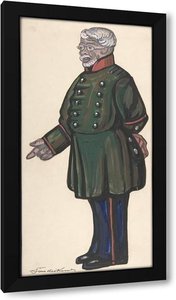
sergey yurievich sudeikin
1882 - 1946 , Russia
Основные сведения
- Artistic Movement Or Style: Naive Art
- Artists Or Movements Influenced By This Artist: ['Symbolism']
- Artists Who Influenced This Artist: ['Maurice Sterne']
- Date Of Birth: 1882 Smolensk Russia
- Date Of Death: 1946 Nyack New York
- Full Name: Sergey Yurievich Sudeikin
- Nationality: Russian
- Notable Artworks:
- Sadko
- Design for Katinka
- Place Of Birth: Saint Petersburg Russia
Похожие статьи
The Soul of Tradition: Transforming Modern Interiors with the Timeless Charm of Folk Art
Transform your home with the soulful charm of folk art. Explore how naive textures and regional traditions breathe life into modern interiors. Discover exquisite, hand-painted oil reproductions and custom commissions at ArtsDot.com—your gateway to meaningful, inspired living.
Victor Vasnetsov: Myth, Nationalism & the Revival of Russian Fairy Tale Painting
Explore the captivating world of Victor Vasnetsov, a co-founder of Russian folklorist painting. Discover his iconic works, influence on national identity, and lasting legacy in this expert guide.

Echoes of Tradition: Exploring the Enduring Legacy of Folk Art Movements
Explore the rich history of folk art movements worldwide! Discover definitions, notable artists, and the enduring legacy of this captivating tradition. Expert insights & high-quality reproductions at ArtsDot.
Ivan Bilibin: A Synthesis of Folklore, Modernism & National Identity in Russian Illustration
Explore the enchanting world of Ivan Bilibin, a master Russian illustrator who synthesized folklore, Art Nouveau & national identity. Discover his iconic fairy tale illustrations and legacy with ArtsDot.
Sergey Vinogradov: Capturing the Lyricism of Everyday Russian Life
Explore the captivating world of Sergey Vinogradov (1869-1938), a leading Russian Impressionist painter. Discover his lyrical genre scenes, landscapes & wartime art – a testament to everyday life and artistic mastery.