

 Предпросмотр
 Поделиться
 Поделиться
 Детали произведения

 Скачать
 Похожие работы
 Рентгенография
 Слайд-шоу
 Статистика
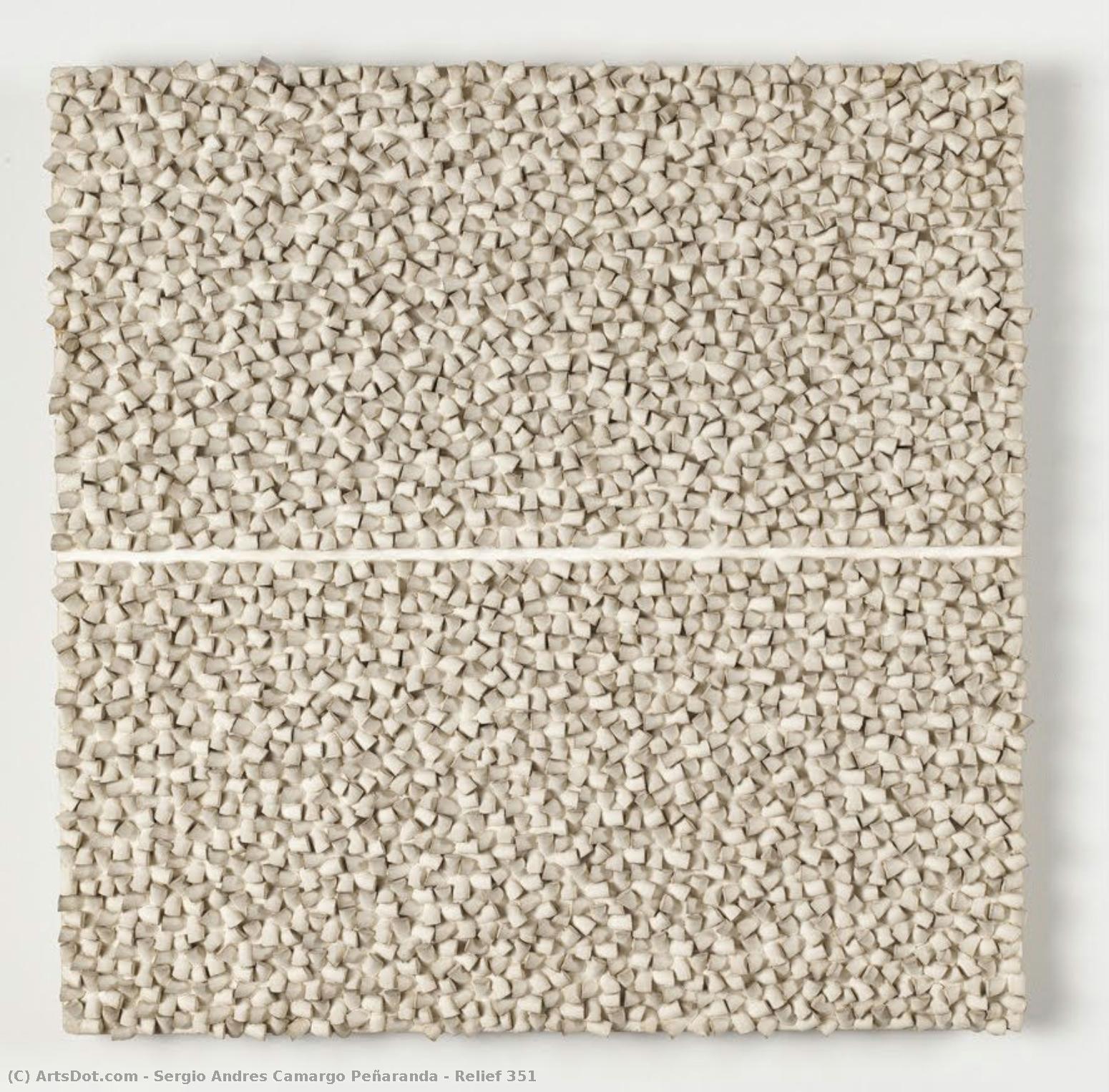
Relief 351
 Acrylic On Canvas
- WallArt
- Minimalism
 1971
1971 49.0 x 49.0 cm
 MAM Rio
 Читать далее
Масляная репродукция ручной работы
Картина маслом на холсте в выбранном вами размере и раме, написанная на заказ нашими художниками. ( Перейти к печати Перейти к цифровым изображениям)




P118B $10

P118H $10

P118W $10

P438Z $10

P508JH $12

P508YH $12

P805H $10

P805Z $10

P919BZ $10

P919G $10

P919XJ $10

P959ZH $10

P968JZ $12

W106C $8

W218G $10

W218JH $8

W218Y $10

W307PJ $10

W316G $10

W316PJ $8

W316Y $10

W398PJ $8

W4111J $10

W500HY $15

W500JH $15

W692G $12

W849H $8

W940BG $15

W953PJ $8




Выберите один из наших стандартных размеров, соответствующих оригинальным пропорциям произведения искусства.

Вы можете указать собственные размеры, чтобы картина идеально вписалась в выбранную раму или пространство. Если выбранный вами размер не соответствует пропорциям оригинала, мы либо обрежем полотно, либо расширим его за счет дополнительных элементов, написанных вручную. Цифровой макет будет отправлен вам на утверждение перед началом производства.
Обратите внимание, что предварительный просмотр на экране не отражает фактическую обрезку или расширение. Только макет точно покажет окончательную композицию.
Хотя доступны индивидуальные размеры, мы рекомендуем выбирать вариант из предопределенного списка, чтобы сохранить исходные пропорции.
После оформления заказа команда ArtsDot.com свяжется с клиентом по электронной почте для уточнения деталей и предоставит предварительный макет
Доставка по всему миру () за 3–4 недели вместо стандартных 5 недель. (11 Сентябрь). Без компромиссов в качестве.

Бесплатная экспресс-доставка по всему миру

Высококачественный льняной холст

Полное страхование доставки

Гарантия возмещения таможенных пошлин

Гарантия точного соответствия цветов

100-дневная политика возврата (только при обнаружении дефектов)

Гарантия возврата 100% средств

Предложение оптовых скидок
 Вариант со стеклом доступен только для размеров менее 110 см

Relief 351
Техника репродукции
Размер репродукции
-


Итоговая стоимость
$ 263
Sergio Camargo: A Bridge Between Brazil and Modernism
Sergio Camargo (born Sergio Andrés Camargo Peñaranda in Rio de Janeiro, Brazil, 1930 – 1990) was a renowned sculptor and relief maker. He began his artistic journey at the Academia Altamira in Buenos Aires under the tutelage of Emilio Pettoruti. Camargo didn’t limit himself to visual arts; he also pursued philosophical studies at the Sorbonne in Paris, enriching his intellectual foundation. This dual engagement with art and thought profoundly shaped his creative vision—a perspective that seamlessly blended Brazilian traditions with the groundbreaking innovations of European modernism.Early Life and Education: Seeds of Artistic Vision
Camargo’s formative years instilled a deep appreciation for both formal aesthetics and intellectual inquiry. His studies at the Academia Altamira exposed him to Pettoruti's influential teachings, establishing a foundational understanding of architectural design principles that would later permeate his sculptural explorations. Simultaneously, his immersion in Parisian philosophy nurtured a critical spirit and broadened his conceptual horizons—a combination crucial for developing an artist capable of challenging conventions and forging new artistic paths.Artistic Development and Influences: Embracing Modernism’s Embrace
A transformative journey through Europe in 1948 irrevocably altered Camargo's artistic trajectory. Witnessing the pioneering works of artists like Constantin Brâncuși, Jean Arp, Henri Laurens, and Georges Vantongerloo ignited his imagination and instilled a fervent devotion to modernist ideals. These encounters weren’t merely observational; they represented genuine dialogues with artistic luminaries who championed abstraction, geometric precision, and an uncompromising commitment to materiality—influences that would become inextricably woven into Camargo's distinctive style. He skillfully synthesized these inspirations with the rich tapestry of Brazilian cultural heritage, resulting in a singular aesthetic expression.The Sculpture: Relief 351 – Minimalism Defined
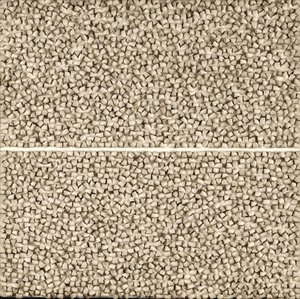
“Relief 351,” created in 1971, exemplifies Camargo’s artistic philosophy—a distillation of modernist principles into their purest form. The sculpture is presented as a photograph capturing an intricate grid pattern formed by numerous small, rounded, and slightly irregular white elements arranged in a dense mosaic. Two horizontal lines bisect the composition diagonally from upper left to lower right, creating a visual division within the overall surface. The texture dominates; each element contributes to a palpable three-dimensionality. It’s remarkable how Camargo achieved this effect—likely employing sculpting or molding techniques followed by careful assembly onto a ceramic or plaster substrate. The resulting matte finish and subtle tonal variations underscore the sculpture's understated elegance.Symbolism and Emotional Impact: Beyond Geometry
While seemingly devoid of overt subject matter, “Relief 351” speaks volumes about Camargo’s artistic intentions. The geometric grid—a hallmark of concrete art—represents order, rationality, and a deliberate rejection of representational illusion. However, the sculpture transcends mere formalism; it evokes a sense of serenity and contemplation. The repetition of forms suggests stability and harmony, mirroring the artist's belief in the transformative power of art to communicate profound ideas without resorting to visual clichés. Viewing “Relief 351” invites viewers to consider not just its aesthetic qualities but also its capacity to inspire introspection—a testament to Camargo’s enduring legacy as a sculptor who elevated minimalism into an emotionally resonant artistic language.Legacy and Recognition: A Global Artistic Presence
Sergio Camargo's contribution to Brazilian art history is undeniable, securing him a prominent place within the international art community. His work gained considerable acclaim during his lifetime, earning him prestigious awards and invitations to exhibitions worldwide. Notably, “Relief 351” resides in the Tate Gallery’s permanent collection—a recognition of Camargo's artistic merit and his ability to transcend national boundaries. He remains an inspiration for artists striving to forge innovative paths while honoring tradition—a sculptor whose oeuvre embodies the harmonious fusion of modernist principles with Brazilian cultural roots.Похожие произведения





Биография художника
Sergio Camargo: A Bridge Between Brazil and Modernism
Early Life and Education
Sergio Camargo (born Sergio Andrés Camargo Peñaranda in Rio de Janeiro, Brazil, 1930 – 1990) was a renowned sculptor and relief maker. He began his artistic journey at the Academia Altamira in Buenos Aires under the tutelage of Emilio Pettoruti. Camargo didn’t limit himself to visual arts; he also pursued philosophical studies at the Sorbonne in Paris, enriching his intellectual foundation.
Artistic Development and Influences
A pivotal moment in Camargo's artistic development was a trip through Europe in 1948. This journey exposed him to leading modernist artists who profoundly impacted his style. He had the opportunity to meet and learn from figures such as Constantin Brâncuși, Jean Arp, Henri Laurens, and Georges Vantongerloo. These encounters instilled in him a blend of modernist principles with an appreciation for traditional Brazilian aesthetics. His work evolved to become characterized by minimalist forms, geometric abstraction, and a focus on texture and spatial relationships.
Key Characteristics of Camargo’s Work
- Relief Sculptures: Camargo is best known for his relief sculptures, often constructed from wood or other materials.
- Geometric Abstraction: His work frequently employs geometric shapes and forms, reflecting a modernist sensibility.
- Minimalism: A strong emphasis on simplicity and essential forms defines much of his output.
- Texture & Spatiality: Camargo skillfully manipulated texture and explored the interplay between positive and negative space.
Major Achievements and Recognition
Camargo’s talent was widely recognized during his lifetime, earning him several prestigious awards and invitations to prominent exhibitions:
- 1965 São Paulo Biennial: Awarded a gold medal for his exceptional work.
- 1966 Venice Biennale: Participation solidified his international reputation.
- 1968 Documenta in Kassel: Further cemented his position within the global art community.
Legacy and Historical Significance
Sergio Camargo’s passing in 1990 marked the end of a significant artistic career, but his legacy continues to inspire. His work serves as an important bridge between traditional Brazilian art and modern European influences. The Tate Gallery in London proudly features one of his sculptures in its permanent collection, demonstrating his enduring impact on the international art world. Camargo’s contribution lies not only in his aesthetic innovations but also in his ability to synthesize diverse cultural traditions into a unique and compelling artistic vision.
Where to Explore His Work
You can find examples of Sergio Camargo's work at ArtsDot.com, as well as explore resources on his style and influences through links provided by the platform.

sergio andres camargo peñaranda
1930 - 1990 , Brazil
Основные сведения
- Birth Date: 1930
- Birth Place: Rio de Janeiro, Brazil
- Death Date: 1990
- Influenced By:
- Brâncuși
- Arp
- Henri Laurens
- Georges Vantongerloo
- Movement:
- Modernism
- Concrete art
- Name: Sergio Camargo
- Nationality: Brazilian
- Notable Works: Reliefs
Похожие статьи

10 легендарных бронзовых скульптур, изменивших искусство навсегда | ArtsDot
Погрузитесь в мир великих бронзовых скульптур! От Давида Микеланджело до работ Родена – история искусства, техники и вдохновения. Купите репродукции шедевров для вашего интерьера на ArtsDot.com
Sculpting with Soul: An Expert Guide to the Tactile Elegance of Plaster Relief Art
Discover the captivating world of plaster relief art. Our expert guide explores the history, techniques, and curation of textured bas-relief, helping collectors bring depth, light, and soulful dimension to their modern interiors through sophisticated sculptural masterpieces.

10 легендарных бронзовых шедевров, изменивших искусство | ArtsDot
Погрузитесь в мир великих бронзовых шедевров! От Давида Донателло до Мыслителя Родена – узнайте историю создания, технику и значение легендарных скульптур. Вдохновение для интерьера и музейное качество репродукций на ArtsDot.com.

The Enduring Form: Sculpture Across History, Technique & Emotional Resonance
Explore the rich history of sculpture with ArtsDot. Discover key techniques, influential artists & investment potential for discerning collectors. Expert insights into valuing and collecting timeless masterpieces.

The Enduring Form: Exploring Themes & Techniques in Sculpture Across Historical Periods
Explore the rich history of sculpture from ancient masterpieces to contemporary innovations. Discover key techniques, influential artists & investment potential for discerning art collectors.