


 Предпросмотр
 Поделиться
 Поделиться
 Детали произведения

 Скачать
 Похожие работы
 Рентгенография
 Слайд-шоу
 Статистика
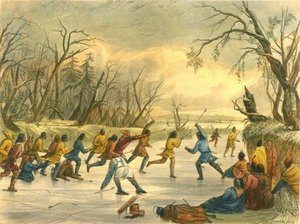
Ballplay of the Dakota on the St. Peters River in Winter
 Oil
Oil- WallArt
- Hudson River School
 1848
1848- 19th Century
 89.0 x 65.0 cm
 Amon Carter Museum of American Art
 Читать далее
Приобретите цифровое изображение высокого разрешения в улучшенном качестве, которое значительно превосходит онлайн-превью.
Каждый файл тщательно подготавливается нашими специалистами с использованием передовых инструментов и экспертной ручной ретуши. Мы гарантируем исключительную четкость, точную цветопередачу и детальную проработку каждого изображения.
Финальный файл доставляется по электронной почте в течение 72 часов и оптимизирован для немедленного использования в профессиональной среде, при верстке и печати. Это тот же уровень качества, которому доверяют ведущие дизайнерские студии, издательства и галереи.
Цифровое изображение
Скачайте файл высокого разрешения для личного использования, печати и творческих проектов. ( Перейти к печати Купить картину ручной работы)
Включено в каждый заказ цифровых изображений
Гарантия экспертной цифровой доставки
Выбирая ArtsDot.com, вы получаете не просто изображение — вы приобретаете профессионально обработанное цифровое произведение искусства, созданное с безупречной точностью и под защитой гарантии качества. Вот всё, что автоматически входит в ваш заказ:

Мгновенная доставка по e-mail
Ваш цифровой файл в высоком разрешении будет отправлен вам по электронной почте в течение 72 часов после оформления заказа — и сразу станет доступен для использования.

Цифровой файл с ИИ-улучшением
Ваше произведение искусства проходит профессиональную оптимизацию с использованием передовых инструментов ИИ и ручной обработки, что гарантирует максимальную детализацию, четкость и точность цветопередачи.

Бессрочная бесплатная повторная доставка
Случайно удалили или потеряли файл? Не беспокойтесь — мы отправим его вам повторно в любое время и совершенно бесплатно.

Без импортных пошлин — навсегда
Наслаждайтесь вашим произведением искусства мгновенно без таможенных пошлин, сборов или затрат на доставку — цифровые загрузки всегда не облагаются налогом.

Гарантия точности цветопередачи
Мы гарантируем, что ваше цифровое изображение максимально точно передает оригинальные цвета благодаря использованию профессиональных инструментов и систем управления цветом.

Гарантия удовлетворенности 100 дней
Если вы не будете удовлетворены своим цифровым изображением, мы внесем правки или вернем 100% стоимости в течение 100 дней — без лишних вопросов.

100% Гарантия возврата средств
Не удовлетворены покупкой? Получите полный возврат средств в течение 100 дней после получения цифрового файла — без лишних вопросов.

Скидки на оптовые заказы
Купите 3 изображения, сэкономьте 10% — Купите 5, сэкономьте 15% — Купите 10+, сэкономьте 20%. Отличное решение для творческих проектов, галерей и агентств.
A Frozen Moment in Frontier History
In the quiet, biting chill of an 1848 winter, Seth Eastman captured more than just a landscape; he immortalized a vibrant pulse of life amidst the frost. Ballplay of the Dakota on the St. Peters River in Winter serves as a breathtaking window into a vanished era, where the frozen expanse of the river becomes a stage for communal joy and athletic prowess. The painting depicts a spirited game of what would later be known as hockey, played by the Dakota people with an intensity that defies the sub-zero temperatures. As viewers gaze upon the scene, they are drawn into a whirlwind of motion, where players glide across the ice, their silhouettes etched against the stark, wintry backdrop. The composition is masterfully populated, featuring at least thirteen individuals whose varied postures—some leaning into a stride, others watching from the periphery—create a sense of deep, immersive movement.
The artistry of Eastman lies in his ability to blend the meticulous observational skills of a soldier-explorer with the romantic sensibilities of the Hudson River School. His technique allows the viewer to feel the crispness of the air and the slippery texture of the ice. Through delicate brushwork, he renders the subtle details of the era: the presence of a horse standing sentinel near the riverbank, the specialized use of skis for mobility on snow, and the rugged attire designed to withstand the harsh Midwestern elements. This is not merely a static portrait of a game; it is a dynamic narrative of adaptation and resilience, showcasing how the Dakota people transformed a challenging environment into a playground of cultural expression.
The Soul of the American Frontier
Beyond its technical brilliance, this masterpiece carries profound historical weight. As an officer who navigated the complexities of the American frontier, Eastman possessed a rare, firsthand intimacy with his subjects. Unlike many contemporary artists who viewed Native American life through a lens of distant myth, Eastman’s work is grounded in ethnographic truth. Every figure in this painting contributes to a larger story of survival and community. The symbolism of the game itself—the pursuit of a shared goal amidst a landscape that could be unforicately lethal—mirrors the endurance of the Dakota spirit. For the collector or interior designer, this piece offers more than just aesthetic beauty; it provides a conversation piece that speaks to the themes of heritage, strength, and the enduring human connection to the land.
Integrating a high-quality reproduction of this work into a curated space brings an atmosphere of historical depth and quiet drama. The cool tones of the frozen river and the muted winter palette provide a sophisticated anchor for modern or classical interiors, offering a sense of calm that is simultaneously energized by the underlying action of the scene. It is an invitation to reflect on the layers of history beneath our feet and to celebrate the beauty found in the most rugged of circumstances. To possess this painting is to hold a fragment of the American wilderness, preserved forever in a moment of triumph and play.
Похожие произведения
Биография художника
The Dual Vision of a Frontier Chronicler
Seth Eastman lived a life defined by the striking duality of the sword and the brush. As a West Point graduate and a distinguished officer in the United States Army, his early years were forged in the crucible of military discipline and the rugged expanses of the American frontier. During the Mexican-American War, Eastman did not merely navigate challenging terrains as a soldier; he observed them with the keen, analytical eye of a mapmaker. This period of service, marked by bravery and leadership, provided him with a unique vantage point—a perspective that blended the strategic precision of a military officer with the profound sensitivity of an artist.His journey through the Dakota Territory and his command positions within the expanding West allowed him to witness the dramatic shifts of a nation in motion. While his military career saw him rise through the ranks to become a Lieutenant Colonel, it was his quiet moments of observation that would ultimately secure his place in the annals of American art history.
A Witness to Vanishing Worlds
Perhaps Eastman’s most enduring contribution to the American identity is his role as an ethnographic chronicler. Tasked by Congress with documenting the lives of Native American tribes following the Treaty of Fort Laramie, he undertook arduous expeditions that were as much scientific endeavors as they were artistic ones. His work for Henry Rowe Schoolcraft’s monumental six-volume study stands as a testament to his commitment to accuracy and detail. Through his hundreds of illustrations, Eastman captured the rhythmic pulse of the Sioux tribes in Minnesota and South and Dakota—documenting hunting rituals, sacred ceremonies, and the dignified portraits of tribal elders with an uncompromising realism.These works are more than mere illustrations; they are windows into a way of life that was being irrevocably altered by the tides of westward expansion. In his depictions of communal joy, such as the spirited ballplay of the Dakota on the frozen St. Peters River, or the quiet dignity of daily survival, Eastman imbued his subjects with a humanity that transcended the colonial gaze. He possessed a rare ability to translate the ephemeral moments of frontier life into permanent visual records, ensuring that the vibrant culture of the Plains peoples would not be lost to the shadows of history. His brush served as a bridge between the known and the unknown, capturing the essence of a world in transition.
The Hudson River Legacy and the Golden West
Artistically, Eastman was deeply rooted in the Hudson River School tradition, a movement characterized by its reverence for the sublime power of nature. His style reflected the meticulous attention to detail and the luminous quality of light that defined his contemporaries, such as Thomas Moran. This influence is evident in his ability to render the landscape not just as a backdrop, but as a living, breathing protagonist in the American story.This mastery of light and texture extended even to his explorations of the California frontier. In his delicate watercolors depicting the Yokuts people within the San Joaquin Valley, Eastman demonstrated an extraordinary capacity for capturing the translucent layers of the natural world. Whether portraying the purposeful movement of women gathering grass seed or the sweeping vistas of a golden valley, his work remained anchored in a profound connection to the earth. Through this seamless blend of military precision and artistic lyricism, Seth Eastman remains a singular figure—a man who mapped the land and, in doing so, captured its very soul.
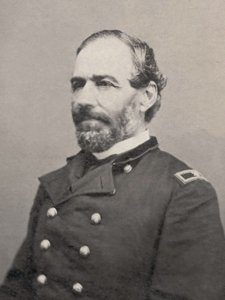
seth eastman
1808 - 1875
Основные сведения
- Artistic Movement Or Style: Hudson River School
- Artists Who Influenced This Artist:
- Hudson George Frederic Watts
- Thomas Cole
- Date Of Birth: 1808
- Date Of Death: 1875
- Full Name: Seth Eastman
- Nationality: American
- Notable Artworks:
- Fort Laramie Expedition Landscape
- Dakota War I: Battle of Birch Bark Grove
- The Death Scene
- Place Of Birth: Pittsfield, Massachusetts