

 Предпросмотр
 Поделиться
 Поделиться
 Детали произведения

 Скачать
 Похожие работы
 Рентгенография
 Слайд-шоу
 Статистика
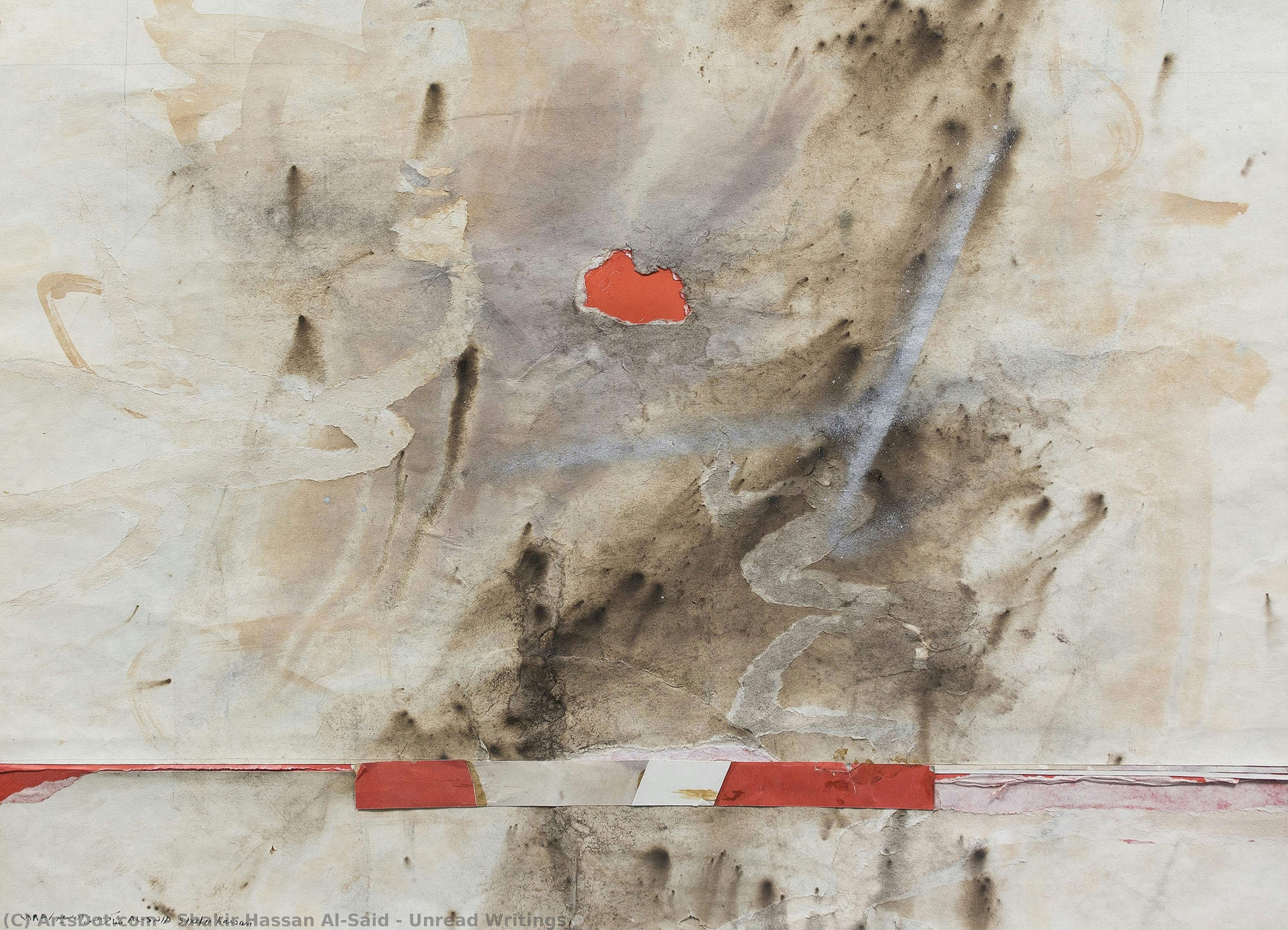
Unread Writings
 Mixed Media
- WallArt
- Abstract Expressionism
 1985
1985- Modern
 50.0 x 65.0 cm
 Ibrahimi Collection
 Читать далее
Жикле / Арт-принт
Печать (жикле) или холст музейного качества с быстрыми сроками изготовления и широким выбором вариантов отделки. ( Купить картину ручной работы Перейти к цифровым изображениям)




































Выберите один из наших стандартных размеров, соответствующих оригинальным пропорциям произведения искусства.

Вы можете указать свои собственные размеры, чтобы репродукция идеально подошла под конкретную раму или пространство. Если выбранный вами размер не будет соответствовать пропорциям оригинала, мы либо обрежем произведение, либо дополним изображение зеркальным отражением краев или однотонной заливкой. Перед началом производства вам будет отправлен цифровой макет для утверждения.
Пожалуйста, обратите внимание, что предварительный просмотр на экране не отображает фактическую обрезку или расширение изображения. Только макет точно покажет финальную композицию.
Несмотря на возможность заказа индивидуальных размеров, мы рекомендуем выбирать размер из предопределенного списка, чтобы сохранить оригинальные пропорции.
Доставка по всему миру () за 2 недели вместо стандартных 4/5 недель. (11 Сентябрь)

Бесплатная экспресс-доставка по всему миру

Высококачественный льняной холст

Полное страхование доставки

Гарантия возмещения таможенных пошлин

Гарантия точного соответствия цветов

100-дневная политика возврата (только при обнаружении дефектов)

Гарантия возврата 100% средств

Предложение оптовых скидок
 Вариант со стеклом доступен только для размеров менее 110 см

Unread Writings
Жикле / Арт-принт
Размер репродукции
-


Итоговая стоимость
$ 62
The Poetics of Decay: An Encounter with Unread Writings
In the evocative masterpiece Unread Writings, created in 1985 by the visionary Iraqi master Shakir Hassan Al Said, we are invited to witness a profound dialogue between materiality and time. At first glance, the viewer is confronted by a surface that feels less like a canvas and more like a relic recovered from the depths of history. The artwork presents an intimate, close-up exploration of aged paper or parchment, where the very essence of the medium has been transformed through a process of beautiful deterioration. Dark brown and grey blotches spread across the surface like shadows of forgotten thoughts, creating a landscape of organic, amorphous shapes that suggest the uncontrolled spread of ink and moisture over decades.
The composition is anchored by a striking, partially obscured red rectangular element that pierces through the heavy staining. This sudden burst of color acts as a focal point amidst the monochromatic decay, providing a rhythmic tension against the chaotic, irregular lines that dance across the textured surface. The technique employed by Al Said leans heavily into the realms of Abstract Expressionism, utilizing a sophisticated layering of stains and pigments to build a tactile depth. Every smudge and blemish feels intentional, contributing to an overall impression of a surface that has endured the weight of existence, making it an irresistible centerpiece for collectors who appreciate art that possesses a visceral, physical presence.
A Symphony of Sufi Mysticism and Modernity
To truly understand Unread Writings, one must look beyond the surface to the philosophical soul of its creator. Shakir Hassan Al Said was not merely a painter; he was a philosopher and a scholar deeply immersed in the mystical traditions of Sufism. His work often sought to bridge the gap between the ancient calligraphic traditions of the Islamic world and the avant-garde movements of the twentieth century. In this piece, the "unread" nature of the writings serves as a powerful metaphor for the inaccessible mysteries of the divine and the fragmented nature of human memory. The decay depicted is not merely destruction, but a transformation—a shedding of the superficial to reveal the raw, spiritual essence beneath.
The artist’s ability to infuse modern abstraction with such profound historical and spiritual weight makes this work a cornerstone of Iraqi modernism. For the discerning interior designer or art enthusiast, this piece offers more than just aesthetic beauty; it provides a contemplative atmosphere. The diffused lighting and muted palette allow the artwork to integrate seamlessly into sophisticated, contemporary spaces, where its textured complexity can serve as a silent, powerful narrator of time and loss. Owning a reproduction of such a significant work allows one to bring a fragment of this profound philosophical inquiry into the home, turning a living space into a sanctuary for reflection and intellectual depth.
Похожие произведения
Биография художника
Shakir Hassan Al Said: A Pioneer of Modern Iraqi Art
Early Life and Education
- Born: 1925 in Samawah, Iraq.
- Shakir Hassan Al Said was a multifaceted artist – painter, sculptor, writer, philosopher, art critic, and historian.
- He received his degree in Social Science from the Higher Institute of Teachers in Baghdad (1948).
- Furthered his artistic training with a diploma in painting from the Institute of Fine Arts in Baghdad (1954).
- Continued studies at the École Nationale Supérieure des Beaux-Arts in Paris until 1959, broadening his exposure to international art movements.
Artistic Development and Influences
- Upon returning to Baghdad, Al Said immersed himself in the study of Yahya ibn Mahmud al-Wasiti’s work, a significant figure in Islamic miniature painting.
- Sufism, with its mystical and philosophical underpinnings, profoundly influenced his artistic vision.
- The poetry and philosophy of Mansur al-Hallaj, a controversial Sufi mystic, also played a crucial role in shaping his aesthetic sensibilities.
- His early style was initially figurative but gradually transitioned towards an emphasis on Arabic calligraphy as a central artistic element.
Founding of Art Groups and Collaborative Efforts
- Jama'et Baghdad lil Fann al-Hadith (The Baghdad Modern Art Group) – Co-founded in 1951, this group aimed to synthesize modern artistic approaches with Iraq’s rich cultural heritage.
- Al Bu'd al Wahad (The One Dimension Group) – Established in 1971, this collective explored the expressive potential of Arabic script within a contemporary art context. It championed the Hurufiyya movement.
Key Artistic Contributions and Style
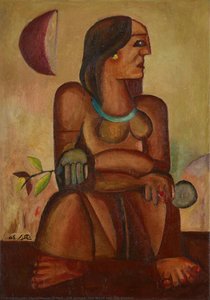
- Notable Works: Include “Quaternary Rhythm” (ibrahimi collection, Amman, Jordan), demonstrating his unique blend of modernity and tradition; “Woman in Profile (turned to the left)”, showcasing stylistic experimentation.
- Al Said’s work is characterized by a distinctive fusion of abstract forms, calligraphic elements, and symbolic imagery.
- He often employed earthy tones and textured surfaces, evoking a sense of history and cultural depth.
Legacy and Historical Significance
- Al Said’s theoretical writings and artistic practice charted a new course for Arabic art aesthetics.
- He advocated for evaluating regional art through uniquely Arabic lenses, challenging Western-centric perspectives.
- His contributions had a profound impact on the modern Iraqi art movement and continue to inspire artists today.
- His work is held in collections such as The Museum Ruskin Library (Lancaster, United States).
- Died in 2004, leaving behind a lasting legacy as a pivotal figure in the development of modern art in Iraq and beyond.
shakir hassan al-said
1925 - 2004 , Iraq
Основные сведения
- Birth Date: 1925
- Birth Place: Samawah, Iraq
- Death Date: 2004
- Influenced By:
- Yahya ibn Mahmud Al-Wasiti
- Sufism
- Mansur Al-Hallaj
- Movement:
- Modern Iraqi art
- Hurufiyya movement
- Name: Shakir Hassan Al Said
- Nationality: Iraqi
- Notable Works:
- Quaternary Rhythm
- Woman in Profile
- Unread Writings
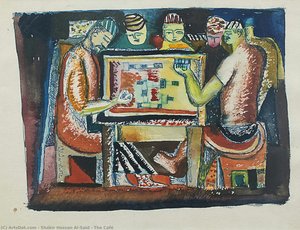
- The Café
Похожие статьи

Топ-25 шедевров Василия Кандинского: Абстрактное искусство для вашего интерьера
Погрузитесь в мир абстрактного искусства с Василием Кандинским! 25 шедевров экспрессионизма, баухауса и русского авангарда. Репродукции картин Кандинского для вдохновения и декора вашего интерьера. Откройте всю коллекцию на ArtsDot.com
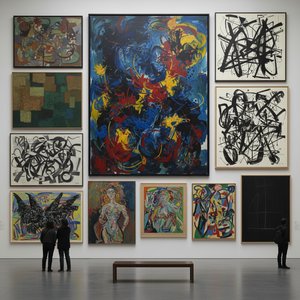
Топ-10 шедевров абстрактного экспрессионизма: искусство для вашего интерьера от ArtsDot.com
Погрузитесь в мир абстрактного экспрессионизма! Откройте для себя 10 шедевров Поллока, Ротко и других гениев. История искусства, техники живописи и вдохновение для вашего интерьера от ArtsDot.com. Explore the full collection online!
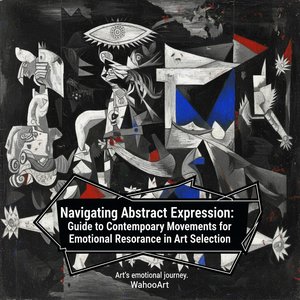
От минимализма к экспрессионизму: руководство по выбору абстрактного стиля для эмоционального резонанса в искусстве
Руководство по выбору абстрактного стиля для эмоционального резонанса в искусстве. Откройте мир минимализма и экспрессионизма с экспертами ArtsDot.com! Советы, история, техники.
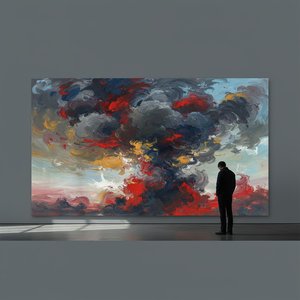
Beyond Representation: Exploring the Emotional Landscape of Abstract Expressionism
Explore the profound emotional world of Abstract Expressionism with ArtsDot. Discover key artists like Pollock & Rothko, learn about collecting, and find museum-quality reproductions to inspire your space.

Геометрическая абстракция: 10 шедевров, изменивших искусство | ArtsDot.com
Погрузитесь в мир геометрической абстракции! От Кандинского до Малевича – 10 шедевров, изменивших искусство. Узнайте историю создания и значение культовых картин. Репродукции музейного качества на ArtsDot.com. Вдохновение для вашего интерьера!