

 Предпросмотр
 Поделиться
 Поделиться
 Детали произведения

 Скачать
 Похожие работы
 Рентгенография
 Слайд-шоу
 Статистика
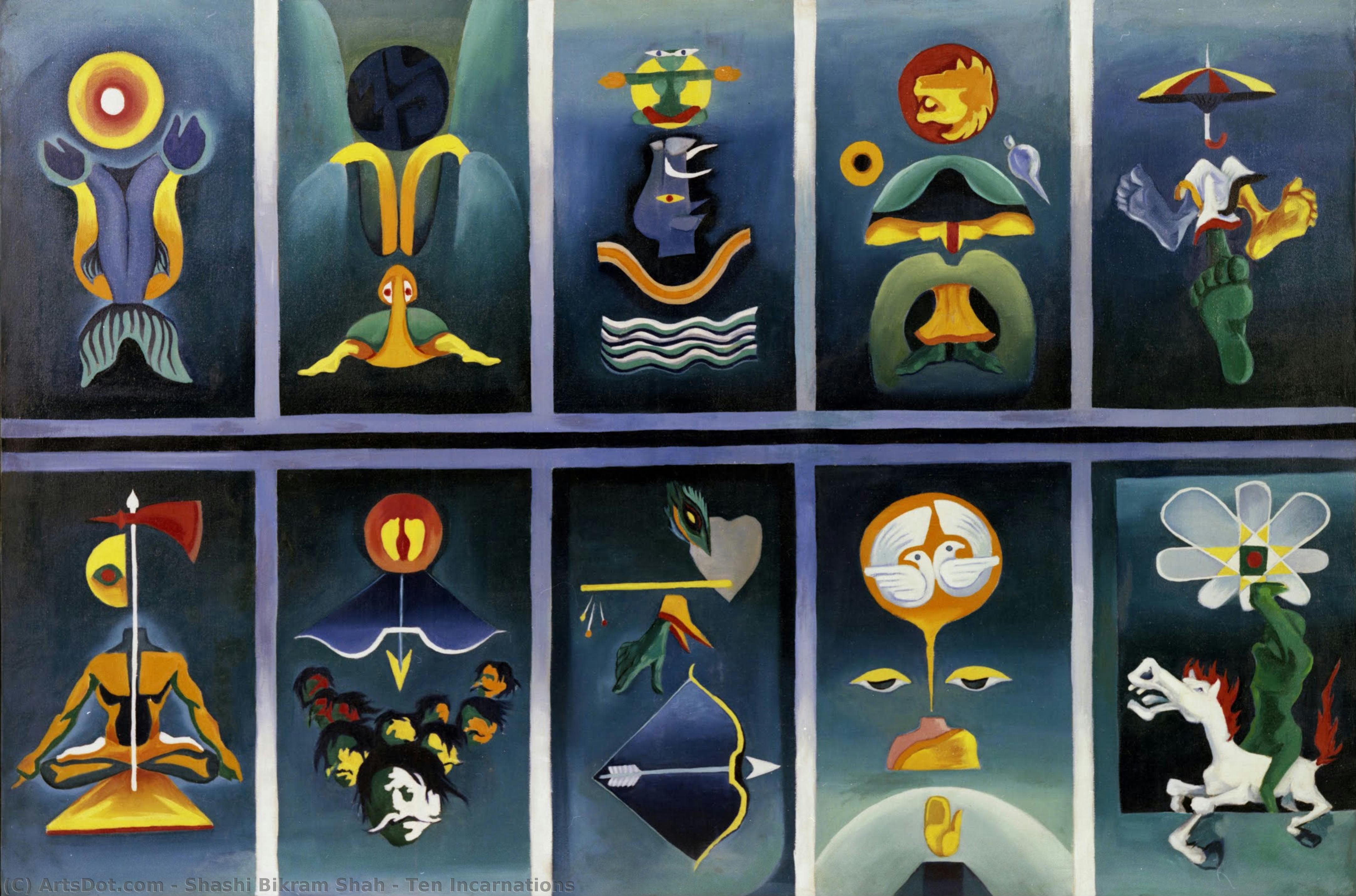
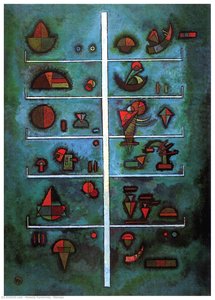
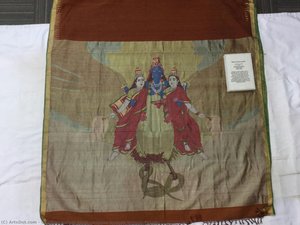
Ten Incarnations
 Surrealism
 153.0 x 103.0 cm
 Fukuoka Asian Art Museum
 Читать далее
Приобретите цифровое изображение высокого разрешения в улучшенном качестве, которое значительно превосходит онлайн-превью.
Каждый файл тщательно подготавливается нашими специалистами с использованием передовых инструментов и экспертной ручной ретуши. Мы гарантируем исключительную четкость, точную цветопередачу и детальную проработку каждого изображения.
Финальный файл доставляется по электронной почте в течение 72 часов и оптимизирован для немедленного использования в профессиональной среде, при верстке и печати. Это тот же уровень качества, которому доверяют ведущие дизайнерские студии, издательства и галереи.
Цифровое изображение
Скачайте файл высокого разрешения для личного использования, печати и творческих проектов. ( Перейти к печати Купить картину ручной работы)
Включено в каждый заказ цифровых изображений
Гарантия экспертной цифровой доставки
Выбирая ArtsDot.com, вы получаете не просто изображение — вы приобретаете профессионально обработанное цифровое произведение искусства, созданное с безупречной точностью и под защитой гарантии качества. Вот всё, что автоматически входит в ваш заказ:

Мгновенная доставка по e-mail
Ваш цифровой файл в высоком разрешении будет отправлен вам по электронной почте в течение 72 часов после оформления заказа — и сразу станет доступен для использования.

Цифровой файл с ИИ-улучшением
Ваше произведение искусства проходит профессиональную оптимизацию с использованием передовых инструментов ИИ и ручной обработки, что гарантирует максимальную детализацию, четкость и точность цветопередачи.

Бессрочная бесплатная повторная доставка
Случайно удалили или потеряли файл? Не беспокойтесь — мы отправим его вам повторно в любое время и совершенно бесплатно.

Без импортных пошлин — навсегда
Наслаждайтесь вашим произведением искусства мгновенно без таможенных пошлин, сборов или затрат на доставку — цифровые загрузки всегда не облагаются налогом.

Гарантия точности цветопередачи
Мы гарантируем, что ваше цифровое изображение максимально точно передает оригинальные цвета благодаря использованию профессиональных инструментов и систем управления цветом.

Гарантия удовлетворенности 100 дней
Если вы не будете удовлетворены своим цифровым изображением, мы внесем правки или вернем 100% стоимости в течение 100 дней — без лишних вопросов.

100% Гарантия возврата средств
Не удовлетворены покупкой? Получите полный возврат средств в течение 100 дней после получения цифрового файла — без лишних вопросов.

Скидки на оптовые заказы
Купите 3 изображения, сэкономьте 10% — Купите 5, сэкономьте 15% — Купите 10+, сэкономьте 20%. Отличное решение для творческих проектов, галерей и агентств.
Похожие произведения
Биография художника
Shashi Bikram Shah: A Visionary Voice of Nepali Modernism
Shashi Bikram Shah (born 1940) stands as one of Nepal’s foremost contemporary artists, a beacon of modernist painting and a profound interpreter of Hindu mythology. His lifelong dedication to artistic exploration began in Kathmandu, nurtured by familial encouragement for creative pursuits and solidified by a scholarship to the Sir J.J. School of Art in Mumbai—a formative experience that exposed him to the groundbreaking works of Impressionists and Surrealists. This exposure irrevocably shaped his artistic vision, propelling him toward a singular path characterized by unwavering commitment to conveying suffering and distilling complex theological concepts into striking visual narratives.- Early Influences & Education: Shah’s initial artistic grounding occurred at Durbar High School in Kathmandu, where he cultivated an appreciation for art alongside fellow students who largely eschewed formal artistic training. However, his academic journey took a decisive turn when he secured a prestigious scholarship to Mumbai's Sir J.J. School of Art, immersing himself in the intellectual currents of Western art history and encountering influential teachers who broadened his perspective on artistic practice.
- The Surrealist Resonance: The influence of Surrealism was palpable in Shah’s early canvases—characterized by elongated human figures suspended in ethereal realms—demonstrating a deliberate departure from conventional Nepalese artistic traditions. This stylistic choice reflected a broader engagement with avant-garde movements and signaled an intention to transcend representational realism.
- Mythological Exploration & The Kalki Avatar: Shah’s artistic core revolves around the exploration of Hindu mythology, particularly the Dashavatar—the ten incarnations of Vishnu—and prominently features the Kalki avatar—a horse symbolizing the Kali Yuga, the current epoch marked by spiritual decline and moral decay. He consistently employs this imagery as a metaphor for confronting existential anxieties and grappling with universal themes of suffering and salvation.
The SKIB Collective & Kathmandu’s Artistic Renaissance
Shah's artistic trajectory gained momentum through his involvement in SKIB (Society for Kinetic Art), Nepal, established in 1971—a collective that spearheaded the revival of modernist art in Kathmandu. Alongside Krishna Manandhar, Indra Pradhan, Batsa Gopal Vaidya and others, Shah championed innovative artistic approaches and fostered a vibrant intellectual environment. The SKIB group’s ethos prioritized self-funding exhibitions and drew inspiration from the burgeoning cultural landscape of Nepal during the 1960s and 70s—a period characterized by significant liberalization and exposure to global influences. This collective served as a catalyst for disseminating new ideas across disciplines, including literature, art, music, and film, fundamentally reshaping Kathmandu’s artistic identity.- Notable Exhibitions: Shah's solo exhibitions began in 1968 at NAFA Gallery, followed by one at Triveni Kala Sangam in Delhi in 1971. A retrospective showcasing his oeuvre was held at Siddhartha Art gallery in 2001.
- International Recognition: His work gained international acclaim through participation in events such as EXPO Japan 1970, the National Art Exhibition organized by NAFA Gallery, and exhibitions at Triveni Kala Sangam, New Delhi; the Biennale Exhibition Dhaka Bangladesh; and Asian Art Shows in Fukuoka and Seoul.
- Institutional Roles: Shah served as Campus Chief of Fine Arts Campus and Sirjana College of Fine Arts, demonstrating his dedication to nurturing artistic talent and fostering educational excellence. He was also a member of Faculty Board-Institute of Humanities and Social Science T.U., Vice President of Artists’ Society of Nepal, Chairman of Subject Committee of Paintings and Sculpture, T.U., and served on the Advisory Board of Sirjana Contemporary Art Gallery.
A Legacy Defined by Symbolism & Reflection
Shah's artistic legacy extends beyond individual artworks; it embodies a profound engagement with Nepal’s cultural heritage and its evolving relationship with the wider world. His monumental series “Ten Incarnations,” depicting Vishnu’s avatars in a stark grid, exemplifies his masterful blend of surrealist aesthetics and mythological symbolism—a stylistic hallmark that distinguishes his oeuvre. Furthermore, Tate Etc recognized Shah's contribution to contemporary art by showcasing his Royal Massacre Series – 15 double-sided works on newspaper responding to the tragic assassination of Nepal’s royal family in June 2001. This series powerfully communicates Shah’s artistic vision and underscores his commitment to confronting complex social realities through evocative imagery rooted in Hindu iconography. His enduring influence continues to inspire artists and scholars alike, cementing his place as a pivotal figure in Nepal's artistic history.
shashi bikram shah
1940 - , Nepal
Основные сведения
- Artistic Movement Or Style: Modernist Painting
- Artists Or Movements Influenced By This Artist: ['Hindu Mythology']
- Artists Who Influenced This Artist:
- Impressionists
- Surrealists
- Date Of Birth: 1940
- Full Name: Shashi Bikram Shah
- Nationality: Nepali
- Notable Artworks:
- Ten Incarnations
- Royal Massacre Series
- Place Of Birth: Kathmandu, Nepal