

 Предпросмотр
 Поделиться
 Поделиться
 Детали произведения

 Скачать
 Похожие работы
 Рентгенография
 Слайд-шоу
 Статистика
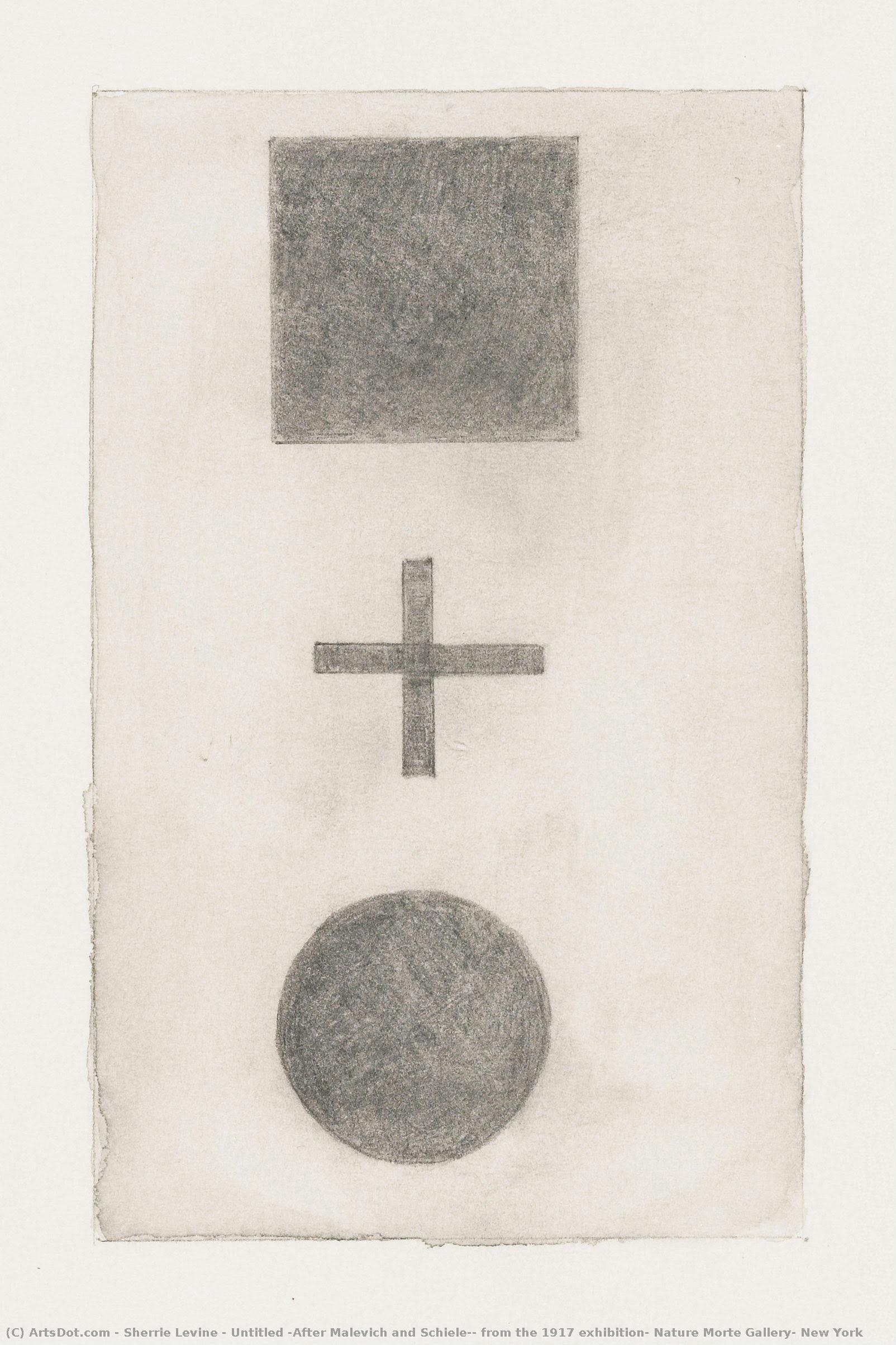
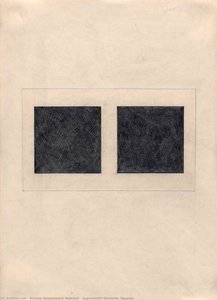
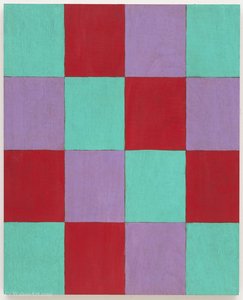
Untitled (After Malevich and Schiele), from the 1917 exhibition, Nature Morte Gallery, New York
 Acrylic On Canvas
- WallArt
- Contemporary Minimalism
 1984
1984 27.0 x 35.0 cm
 Музей современного искусства (Нью-Йорк)
 Читать далее
Приобретите цифровое изображение высокого разрешения в улучшенном качестве, которое значительно превосходит онлайн-превью.
Каждый файл тщательно подготавливается нашими специалистами с использованием передовых инструментов и экспертной ручной ретуши. Мы гарантируем исключительную четкость, точную цветопередачу и детальную проработку каждого изображения.
Финальный файл доставляется по электронной почте в течение 72 часов и оптимизирован для немедленного использования в профессиональной среде, при верстке и печати. Это тот же уровень качества, которому доверяют ведущие дизайнерские студии, издательства и галереи.
Цифровое изображение
Скачайте файл высокого разрешения для личного использования, печати и творческих проектов. ( Перейти к печати Купить картину ручной работы)
Включено в каждый заказ цифровых изображений
Гарантия экспертной цифровой доставки
Выбирая ArtsDot.com, вы получаете не просто изображение — вы приобретаете профессионально обработанное цифровое произведение искусства, созданное с безупречной точностью и под защитой гарантии качества. Вот всё, что автоматически входит в ваш заказ:

Мгновенная доставка по e-mail
Ваш цифровой файл в высоком разрешении будет отправлен вам по электронной почте в течение 72 часов после оформления заказа — и сразу станет доступен для использования.

Цифровой файл с ИИ-улучшением
Ваше произведение искусства проходит профессиональную оптимизацию с использованием передовых инструментов ИИ и ручной обработки, что гарантирует максимальную детализацию, четкость и точность цветопередачи.

Бессрочная бесплатная повторная доставка
Случайно удалили или потеряли файл? Не беспокойтесь — мы отправим его вам повторно в любое время и совершенно бесплатно.

Без импортных пошлин — навсегда
Наслаждайтесь вашим произведением искусства мгновенно без таможенных пошлин, сборов или затрат на доставку — цифровые загрузки всегда не облагаются налогом.

Гарантия точности цветопередачи
Мы гарантируем, что ваше цифровое изображение максимально точно передает оригинальные цвета благодаря использованию профессиональных инструментов и систем управления цветом.

Гарантия удовлетворенности 100 дней
Если вы не будете удовлетворены своим цифровым изображением, мы внесем правки или вернем 100% стоимости в течение 100 дней — без лишних вопросов.

100% Гарантия возврата средств
Не удовлетворены покупкой? Получите полный возврат средств в течение 100 дней после получения цифрового файла — без лишних вопросов.

Скидки на оптовые заказы
Купите 3 изображения, сэкономьте 10% — Купите 5, сэкономьте 15% — Купите 10+, сэкономьте 20%. Отличное решение для творческих проектов, галерей и агентств.
Sherrie Levine’s Bold Appropriation: Echoes of Malevich and Schiele
Sherrie Levine's "Untitled (After Malevich & Schiele)," created in 1984, stands as a cornerstone of postmodern art practice—a deliberate act of reimagining and redefining artistic originality. This deceptively simple drawing, housed within the Nature Morte Gallery’s collection in New York, isn’t merely a reproduction; it's an interrogation of the very concept of authorship and a profound engagement with the legacy of two monumental figures: Kazimir Malevich and Oskar Schiele. Levine’s masterful execution captures the essence of their pioneering visions while simultaneously asserting her own creative voice within a dialogue spanning artistic history.A Dialogue Across Generations
Levine's decision to revisit Malevich’s Suprematism – specifically his iconic “Black Square” – and Schiele’s expressive figurative art is not accidental. These artists, operating at the cusp of the 20th century, fundamentally challenged conventional aesthetic standards by prioritizing geometric abstraction and unflinching psychological realism respectively. Malevich stripped painting down to its purest form, rejecting representational imagery in favor of a single black square on white canvas—a radical statement about reducing art to its fundamental elements and questioning established notions of visual perception. Schiele, conversely, confronted the complexities of human emotion through unsettling portraits characterized by distorted figures and intense gaze, delving into themes of vulnerability and repressed desire. Levine recognized that confronting these seminal works would allow her to explore the broader implications of artistic influence and transformation.Technique and Reproduction: A Careful Consideration
The drawing itself is executed in graphite on paper—a technique chosen deliberately for its understated elegance and ability to convey subtle tonal variations. Levine meticulously recreated Schiele’s compositional arrangement, mirroring the placement of a smaller circle alongside a larger one – a motif frequently employed by Schiele to represent duality and inner turmoil. The resulting image possesses a remarkable clarity and precision, achieved through painstaking attention to detail—a testament to Levine's dedication to capturing the spirit of her chosen source material. Importantly, she acknowledges that reproduction inevitably alters the original artwork’s materiality and immediacy; therefore, this piece serves as an invitation to contemplate not just what is depicted but also how it communicates its message across mediums.Symbolism Beyond Imitation
While Levine's work undeniably borrows from Malevich and Schiele’s artistic vocabularies, she transcends mere imitation by injecting her own conceptual framework into the process. The circles themselves symbolize interconnectedness and opposing forces—a visual representation of the tensions inherent in human experience and mirroring Schiele’s preoccupation with psychological states. Furthermore, Levine's appropriation speaks to a larger critique of art history, questioning whether originality is truly attainable or if artistic creativity thrives on revisiting and reimagining established traditions. By confronting these questions head-on, she elevates her artwork beyond stylistic homage into a thoughtful meditation on the nature of artistic legacy.Emotional Resonance: A Quiet Intensity
Ultimately, “Untitled (After Malevich & Schiele)” resonates with an understated emotional depth—a subtle acknowledgment of the profound impact that art can have on our understanding of ourselves and the world around us. The drawing’s monochrome palette reinforces its contemplative mood, inviting viewers to engage in a quiet dialogue with the artistic heritage it embodies. Like Schiele's portraits, Levine’s piece compels us to confront uncomfortable truths about human vulnerability and psychological complexity—a reminder that art can illuminate hidden dimensions of experience and foster empathy for perspectives beyond our own. It is this enduring quality of reflection and emotional engagement that secures its place as a significant contribution to contemporary artistic discourse.Похожие произведения

Биография художника
The Architect of Appropriation: The Life and Legacy of Sherrie Levine
Sherrie Levine stands as a pivotal figure in contemporary art, recognized for her pioneering exploration of appropriation—a practice that fundamentally challenged notions of originality and authorship within the postmodern landscape. Born in 1947 in Hazleton, Pennsylvania, Levine’s formative years were shaped by experiences rooted in the American Midwest, notably spending her childhood and adolescence in the suburbs of St. Louis, Missouri. Early exposure to art fostered a lifelong fascination with visual culture, beginning with visits to the St. Louis Art Museum where she observed her mother—a passionate painter—introducing her to the transformative power of artistic expression at just eight years old. This familial influence extended beyond mere observation; Levine’s mother instilled in her a love for art house films and cinematic storytelling, shaping an aesthetic sensibility that would later inform her profound engagement with the layers of visual history.
Levine pursued formal education with rigorous dedication, earning her B.A. from the University of Wisconsin–Madison in 1969. Her academic pursuits solidified her understanding of art history and critical theory, preparing her for a career dedicated to conceptual exploration. Continuing her studies at UW-Madison, she earned an M.F.A. in 1973, honing her artistic skills and refining her approach to visual communication. It was during this period that Levine began to develop her signature style—a deliberate act of appropriation—drawing inspiration from the groundbreaking works of modernist masters such as Walker Evans, Edgar Degas, Marcel Duchamp, and Constantin Brancusi. By re-presenting existing images, she sought to interrogate the very essence of what it means to create in an age of infinite reproduction.
Challenging the Canon through Rephotography and Drawing
The late 1970s witnessed a surge of appropriation art within New York’s East Village scene, fueled by a desire to interrogate established artistic conventions. Alongside contemporaries like Louise Lawler and Barbara Kruger, Levine pushed the boundaries of creativity, establishing herself as a prominent voice in a movement that questioned the sanctity of the "original" masterpiece. Her work often utilizes rephotography—the act of photographing existing photographs—to create a dialogue between the past and the present. This technique allows her to strip away the traditional aura of the artist's hand, instead focusing on the way images circulate, persist, and transform through time.
Beyond her photographic interventions, Levine has explored the starkness of minimalist drawing to echo the movements of early modernism. Her 1984 work, Untitled (After Malevich and Schiele), serves as a profound example of this technique. In this piece, she utilizes minimalist graphite to create a geometric abstraction that references the pioneering spirits of Kazimir Malevich and Egon Schiele. Through these drawings, Levine does not merely copy; she inhabits the visual language of her predecessors, using stark lines and shadows to embody a bold challenge to artistic originality. This work showcases her ability to engage deeply with the history of art while simultaneously deconstructing its most fundamental myths.
Historical Significance and the Postmodern Dialogue
The enduring significance of Sherrie Levine lies in her ability to transform the act of looking into an act of critical critique. Her career has been a continuous investigation into the politics of representation, gender, and the ownership of imagery. By reclaiming the works of male masters, she has performed a feminist intervention, subtly shifting the gaze and questioning the patriarchal structures inherent in the art historical canon.
Her contributions can be summarized through several key artistic pillars:
- The Reconceptualization of Authorship: Levine’s practice forces the viewer to confront the blurred lines between the creator and the curator, making the act of selection a primary creative force.
- Engagement with Modernist Legacies: Through her appropriation of figures like Walker Evans and Malevich, she keeps the dialogue of modernism alive while simultaneously critiquing its foundations.
- The Power of the Image in Flux: Her work highlights how meaning is not fixed within an object but is instead generated through the context, repetition, and re-presentation of visual culture.
Today, Levine remains a vital presence in the art world, her work continuing to resonate within the ongoing debates regarding digital reproduction, intellectual property, and the ever-evolving nature of the image in the contemporary era.
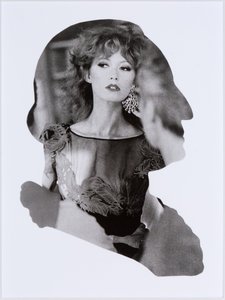
Sherrie Levine
1947 - , United States of America
Основные сведения
- Artistic Movement Or Style: Appropriation Art
- Artists Or Movements Influenced By This Artist:
- Louise Lawler
- Mike Bidlo
- Artists Who Influenced This Artist:
- Walker Evans
- Marcel Duchamp
- Date Of Birth: 1947
- Full Name: Sherrie Levine
- Nationality: American
- Notable Artworks:
- Untitled (After Walker Evans)
- Untitled (After Malevich & Schiele)
- Place Of Birth: Hazleton, United States