

 Предпросмотр
 Поделиться
 Поделиться
 Детали произведения

 Скачать
 Похожие работы
 Рентгенография
 Слайд-шоу
 Статистика
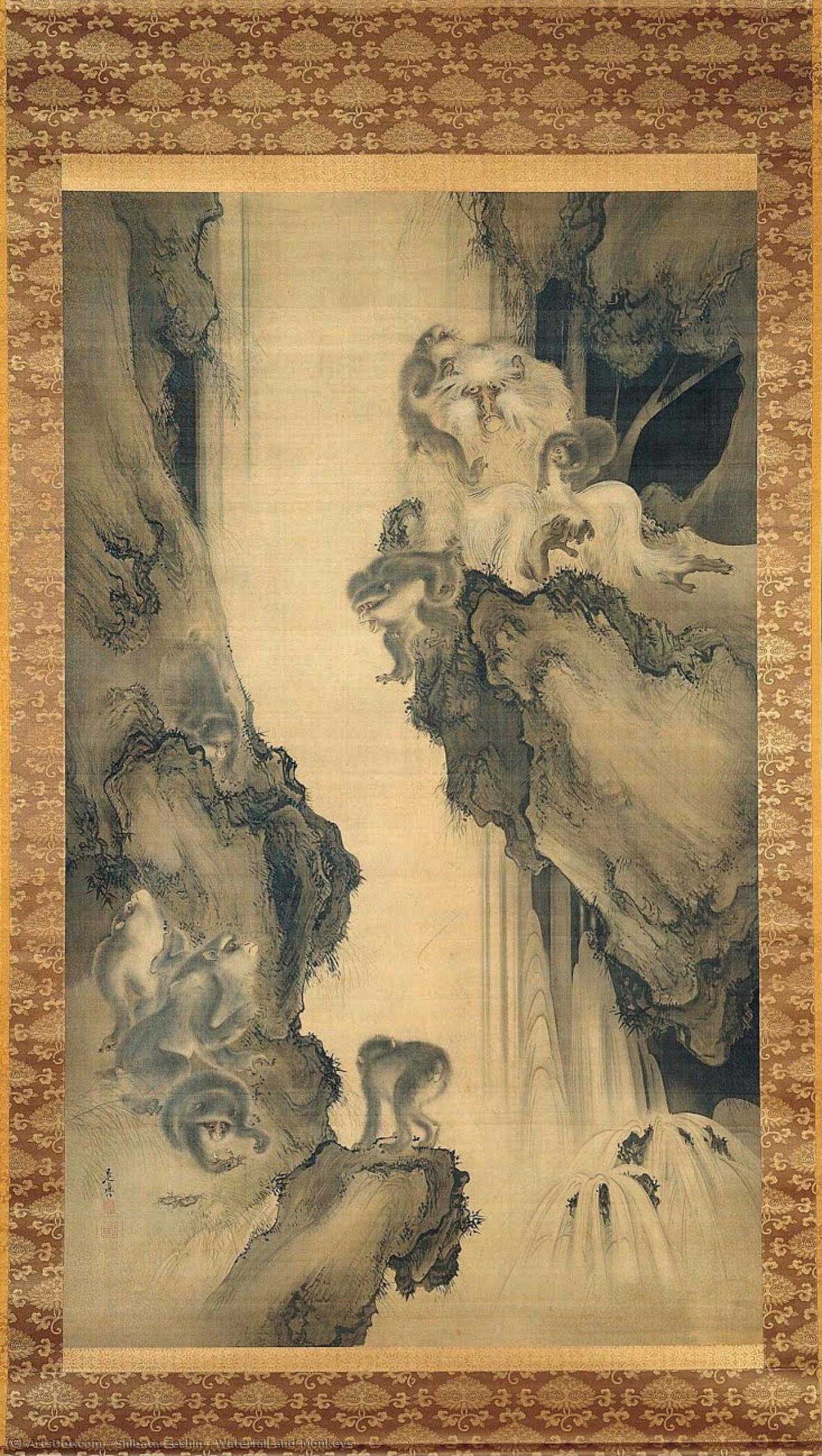
Waterfall and Monkeys
 Ink
Ink- WallArt
- Japanese Ukiyo-e influenced
 1872
1872- 19th Century
 187.0 x 113.0 cm
 Кимбелл Арт-музей
 Читать далее
Приобретите цифровое изображение высокого разрешения в улучшенном качестве, которое значительно превосходит онлайн-превью.
Каждый файл тщательно подготавливается нашими специалистами с использованием передовых инструментов и экспертной ручной ретуши. Мы гарантируем исключительную четкость, точную цветопередачу и детальную проработку каждого изображения.
Финальный файл доставляется по электронной почте в течение 72 часов и оптимизирован для немедленного использования в профессиональной среде, при верстке и печати. Это тот же уровень качества, которому доверяют ведущие дизайнерские студии, издательства и галереи.
Цифровое изображение
Скачайте файл высокого разрешения для личного использования, печати и творческих проектов. ( Перейти к печати Купить картину ручной работы)
Включено в каждый заказ цифровых изображений
Гарантия экспертной цифровой доставки
Выбирая ArtsDot.com, вы получаете не просто изображение — вы приобретаете профессионально обработанное цифровое произведение искусства, созданное с безупречной точностью и под защитой гарантии качества. Вот всё, что автоматически входит в ваш заказ:

Мгновенная доставка по e-mail
Ваш цифровой файл в высоком разрешении будет отправлен вам по электронной почте в течение 72 часов после оформления заказа — и сразу станет доступен для использования.

Цифровой файл с ИИ-улучшением
Ваше произведение искусства проходит профессиональную оптимизацию с использованием передовых инструментов ИИ и ручной обработки, что гарантирует максимальную детализацию, четкость и точность цветопередачи.

Бессрочная бесплатная повторная доставка
Случайно удалили или потеряли файл? Не беспокойтесь — мы отправим его вам повторно в любое время и совершенно бесплатно.

Без импортных пошлин — навсегда
Наслаждайтесь вашим произведением искусства мгновенно без таможенных пошлин, сборов или затрат на доставку — цифровые загрузки всегда не облагаются налогом.

Гарантия точности цветопередачи
Мы гарантируем, что ваше цифровое изображение максимально точно передает оригинальные цвета благодаря использованию профессиональных инструментов и систем управления цветом.

Гарантия удовлетворенности 100 дней
Если вы не будете удовлетворены своим цифровым изображением, мы внесем правки или вернем 100% стоимости в течение 100 дней — без лишних вопросов.

100% Гарантия возврата средств
Не удовлетворены покупкой? Получите полный возврат средств в течение 100 дней после получения цифрового файла — без лишних вопросов.

Скидки на оптовые заказы
Купите 3 изображения, сэкономьте 10% — Купите 5, сэкономьте 15% — Купите 10+, сэкономьте 20%. Отличное решение для творческих проектов, галерей и агентств.
A Symphony of Nature and Spirit
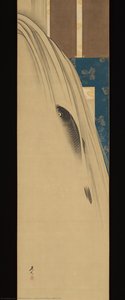
In the vast tapestry of nineteenth-century Japanese art, few works capture the whimsical yet profound essence of the natural world as masterfully as Shibata Zeshin’s Waterfall and Monkeys. Created in 1872, during the height of the artist's creative maturity, this monumental scroll painting invites the viewer into a hidden, primordial realm where the boundaries between the animal kingdom and human emotion blur. The scene unfolds with a breathtaking sense of scale, presenting a troop of young monkeys and their beleaguered mother navigating the craggy, moisture-slicked rocks at the base of a powerful, cascading waterfall. Zeshin, a virtuoso who bridged the gap between meticulous lacquer craftsmanship and expressive painting, utilizes this subject to create a deep kinship between the viewer and the subjects, as the primates exhibit behaviors that feel strikingly, almost unnervingly, human.
The technical brilliance of the piece lies in Zeshin’s ability to marry realism with a poetic, atmospheric sensibility. Through a sophisticated application of sumi-e (ink wash) techniques, the artist achieves a remarkable tactile quality. One can almost feel the contrast between the soft, downy washes used to define the delicate fur of the infants and the longer, more fluid, and vigorous strokes that compose the mother’s thick, heavy coat. This attention to texture extends to the landscape itself; the waterfall is not merely a static element but a dynamic force, rendered through varying ink densities that suggest the spray, mist, and relentless movement of descending water. The composition is balanced with an expert hand, using the verticality of the scroll to draw the eye upward, mimicking the spiritual ascent often found in East Asian landscape traditions.
Symbolism and the Art of Observation
Beyond its surface beauty, Waterfall and Monkeys serves as a profound meditation on life, family, and the cycle of nature. The choice of monkeys is far from accidental; Zeshin leverages their natural resemblance to mankind to explore themes of vulnerability and maternal protection. As the young monkeys scramble amidst the treacherous rocks, their expressions—captured with an almost scientific precision—convey a range of emotions from curiosity to trepidation. This realism suggests that Zeshin was not merely an illustrator of myth, but a keen observer of life, translating the spontaneous energy of simian behavior into a permanent, frozen moment of high drama.
The waterfall itself acts as a powerful symbol of purification and the eternal flow of time. In the context of Japanese and broader East Asian iconography, such natural features often represent a cleansing force or a threshold between the mundane and the divine. The interplay of negative space—the "empty" areas of the paper that allow the mist to breathe—creates an atmosphere of mystery and transcendence. For the collector or interior designer, this piece offers more than just visual splendor; it provides a focal point of contemplative depth. Whether placed in a contemporary gallery setting or a traditional study, the painting’s muted palette of grays, blacks, and subtle earth tones allows it to integrate seamlessly into sophisticated environments, offering an enduring sense of tranquility and a window into a world where nature and spirit are one.
Похожие произведения
Биография художника
A Singular Vision: Shibata Zeshin (1807-1891)
Shibata Zeshin stands apart in the annals of Japanese art history—a figure simultaneously lauded as a revolutionary innovator and dismissed as stubbornly traditional. Born in Edo (modern Tokyo) in 1807, he descended from a lineage steeped in craftsmanship; his grandfather was a shrine carpenter, and his father, Ichigoro Shibata, possessed considerable skill as an ukiyo-e painter, having studied under Katsukawa Shunshō—a formative influence that instilled within him the values of meticulous observation and artistic discipline. This early exposure to both woodworking and painting would prove instrumental in shaping Zeshin’s distinctive oeuvre.- Early Apprenticeship & Suzuki Nanrei:
- The Pursuit of Mastery: Studying Under Nanrei
- Zeshin's Artistic Persona: “This Is True” – The Significance of His Name
Innovation Amidst Tradition: Zeshin’s Distinctive Style
Zeshin’s artistic style is characterized by a remarkable blend of meticulous realism and subtle expressive nuance. While adhering to established conventions of Sumi-e painting—particularly the depiction of landscapes and animals—he pushed boundaries through his masterful use of *maki-e*, a technique involving applying metallic pigments onto lacquer surfaces. This innovative approach allowed him to imbue his works with shimmering luminescence and textural depth, elevating them beyond mere representation into embodiments of spiritual contemplation. His paintings frequently explored themes of Buddhist serenity and harmony, reflecting the prevailing intellectual currents of the Meiji era.- Landscapes & Tigers: Capturing Nature’s Essence
- Maki-e Technique: Light & Texture in Japanese Lacquer Art
Legacy & Recognition: Zeshin’s Enduring Influence
Despite criticisms leveled against his perceived conservatism within Japan, Shibata Zeshin achieved considerable acclaim in the West, particularly in England and the United States. His works were exhibited internationally, garnering admiration for their aesthetic beauty and technical virtuosity—a testament to his artistic genius and a reflection of the burgeoning interest in Japanese art during the late nineteenth century. Today, Zeshin’s paintings continue to captivate audiences worldwide, serving as enduring symbols of Japan's artistic tradition and demonstrating the transformative power of blending meticulous observation with innovative technique. His legacy persists as an exemplar of artistic integrity and unwavering devotion to craft—a singular vision that resonates across time and culture.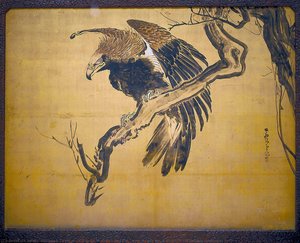
Shibata Zeshin
1807 - 1891
Основные сведения
- Artistic Movement Or Style: Sumi-e; Maki-e
- Artists Or Movements Influenced By This Artist: ['Japanese lacquer art']
- Artists Who Influenced This Artist:
- Suzuki Nanrei
- Katsukawa Shunshō
- Date Of Birth: March 15, 1807
- Date Of Death: July 13, 1891
- Full Name: Shibata Zeshin
- Nationality: Japanese
- Notable Artworks:
- Flowers (pink & white) and Leaves, Clappers
- Waterfall and Monkeys
- Garden Scene
- Place Of Birth: Tokyo, Japan