

 Предпросмотр
 Поделиться
 Поделиться
 Детали произведения

 Скачать
 Похожие работы
 Рентгенография
 Слайд-шоу
 Статистика
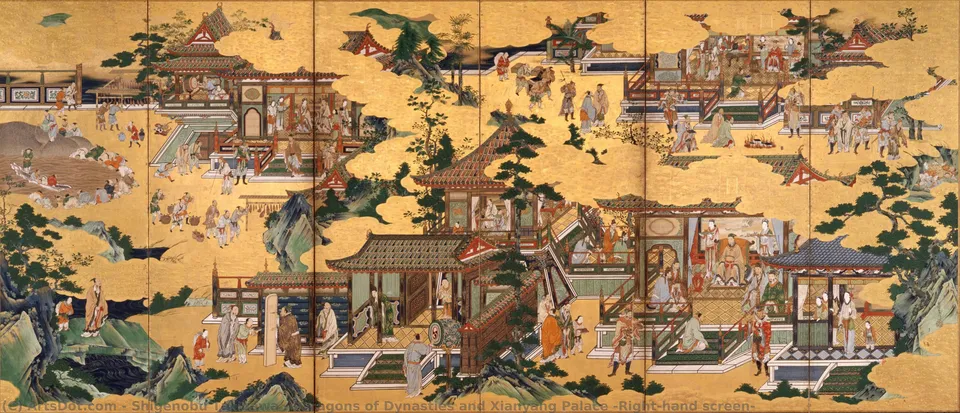
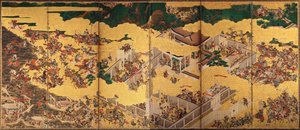
Paragons of Dynasties and Xianyang Palace (Right-hand screen)

 Читать далее
Приобретите цифровое изображение высокого разрешения в улучшенном качестве, которое значительно превосходит онлайн-превью.
Каждый файл тщательно подготавливается нашими специалистами с использованием передовых инструментов и экспертной ручной ретуши. Мы гарантируем исключительную четкость, точную цветопередачу и детальную проработку каждого изображения.
Финальный файл доставляется по электронной почте в течение 72 часов и оптимизирован для немедленного использования в профессиональной среде, при верстке и печати. Это тот же уровень качества, которому доверяют ведущие дизайнерские студии, издательства и галереи.
Цифровое изображение
Скачайте файл высокого разрешения для личного использования, печати и творческих проектов. ( Перейти к печати Купить картину ручной работы)
Включено в каждый заказ цифровых изображений
Гарантия экспертной цифровой доставки
Выбирая ArtsDot.com, вы получаете не просто изображение — вы приобретаете профессионально обработанное цифровое произведение искусства, созданное с безупречной точностью и под защитой гарантии качества. Вот всё, что автоматически входит в ваш заказ:

Мгновенная доставка по e-mail
Ваш цифровой файл в высоком разрешении будет отправлен вам по электронной почте в течение 72 часов после оформления заказа — и сразу станет доступен для использования.

Цифровой файл с ИИ-улучшением
Ваше произведение искусства проходит профессиональную оптимизацию с использованием передовых инструментов ИИ и ручной обработки, что гарантирует максимальную детализацию, четкость и точность цветопередачи.

Бессрочная бесплатная повторная доставка
Случайно удалили или потеряли файл? Не беспокойтесь — мы отправим его вам повторно в любое время и совершенно бесплатно.

Без импортных пошлин — навсегда
Наслаждайтесь вашим произведением искусства мгновенно без таможенных пошлин, сборов или затрат на доставку — цифровые загрузки всегда не облагаются налогом.

Гарантия точности цветопередачи
Мы гарантируем, что ваше цифровое изображение максимально точно передает оригинальные цвета благодаря использованию профессиональных инструментов и систем управления цветом.

Гарантия удовлетворенности 100 дней
Если вы не будете удовлетворены своим цифровым изображением, мы внесем правки или вернем 100% стоимости в течение 100 дней — без лишних вопросов.

100% Гарантия возврата средств
Не удовлетворены покупкой? Получите полный возврат средств в течение 100 дней после получения цифрового файла — без лишних вопросов.

Скидки на оптовые заказы
Купите 3 изображения, сэкономьте 10% — Купите 5, сэкономьте 15% — Купите 10+, сэкономьте 20%. Отличное решение для творческих проектов, галерей и агентств.
Похожие произведения



Биография художника
A Brushstroke in the Edo: The Life and Art of Takizawa Shigenobu
Takizawa Shigenobu, a name perhaps less celebrated than his master Katsushika Hokusai, nevertheless occupies a vital space within the vibrant tapestry of Edo period Japanese art. Born in Tokyo during an era defined by flourishing woodblock printing and a burgeoning merchant class eager for visual delights, Takizawa’s life was deeply interwoven with the artistic currents that shaped Japan's aesthetic landscape. He wasn’t merely a follower in Hokusai’s considerable shadow; he carved his own niche as a prolific creator of *surimono*, exquisitely detailed illustrated books, and captivating depictions of *bijin* – beautiful women – becoming a significant figure in the world of ukiyo-e. His story is one of artistic lineage, dedicated practice, and a distinctive style that, while sometimes criticized for its formality, nonetheless resonated with the tastes of his time.From Pupil to Prolific Artist: The Foundations of a Style
The foundational element of Takizawa’s artistic journey was undoubtedly his apprenticeship under Hokusai. This relationship wasn't simply one of technical instruction; it was an immersion into a revolutionary approach to art, characterized by bold compositions, dynamic lines, and a keen observation of everyday life. Further cementing his place within the Hokusai orbit was his marriage to Hokusai’s eldest daughter, a union that speaks volumes about the close-knit nature of artistic circles in Edo Japan. However, Takizawa didn't simply replicate his master’s style. While he absorbed Hokusai’s technical prowess, he developed a unique aesthetic sensibility. He became particularly renowned for his work as an artist of *surimono* – privately commissioned prints often given as New Year’s greetings or celebratory gifts. These weren’t mass-produced images; they were miniature works of art, showcasing intricate designs and luxurious materials, reflecting the refined tastes of a sophisticated clientele. His dedication to this format allowed him to hone his skills in detail and color, qualities that would become hallmarks of his *bijin* paintings.The Allure of Bijin: Capturing Beauty with Bold Lines
Takizawa Shigenobu’s depictions of beautiful women – the *bijin-ga* genre – are arguably his most recognizable contribution to ukiyo-e. Unlike some artists who sought a more naturalistic portrayal, Takizawa's women often possess a striking formality. They are presented with thick, defined lines and vibrant, complex patterns adorning their kimonos. This approach, while sometimes described as “stereotyped,” wasn’t necessarily a lack of skill but rather a deliberate stylistic choice. His figures exude an elegance and poise that appealed to the sensibilities of his patrons. The elaborate kimono designs weren't merely decorative; they were statements of wealth, status, and cultural awareness. The sheer abundance of detail in these patterns – flowers, geometric shapes, auspicious symbols – speaks to Takizawa’s meticulous craftsmanship and his understanding of visual symbolism. His work often draws comparisons to the Torii school, famed for its theatrical signboards, a connection rooted in their shared emphasis on bold outlines and striking imagery. However, where the Torii school focused on capturing dramatic moments, Takizawa prioritized a more refined and idealized representation of beauty.A Legacy Diminished: The Shadow of Banishment
Despite his prolific output and established reputation during his lifetime, Takizawa Shigenobu’s artistic legacy experienced a decline following his banishment to ōshima in 1714. The reasons for this exile remain somewhat obscure, but it undoubtedly disrupted the continuity of his artistic lineage. His direct disciples, lacking their master's guidance, saw their work fall into relative obscurity. This isn’t to say that Takizawa was forgotten entirely; his prints continued to circulate and influence subsequent generations of artists. However, he never regained the prominence he enjoyed before his banishment. Today, Takizawa Shigenobu is increasingly recognized as a significant figure in Edo period art, not simply as a student of Hokusai but as an artist who developed a distinctive style that reflects the aesthetic preferences of his time and contributed to the rich diversity of ukiyo-e. His *surimono* prints and *bijin-ga* paintings offer a fascinating glimpse into the world of Edo Japan, revealing a society captivated by beauty, elegance, and the power of visual representation.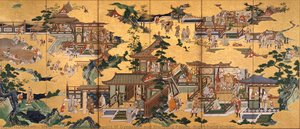
shigenobu takizawa
Japan
Основные сведения
- Artistic Movement Or Style: Ukiyo-e, Surimono
- Artists Who Influenced This Artist: ['Katsushika Hokusai']
- Date Of Death: Living
- Full Name: Shigenobu Takizawa
- Nationality: Japanese
- Notable Artworks:
- Bijin prints
- Illustrated books
- Place Of Birth: Tokyo, Japan