

 Предпросмотр
 Поделиться
 Поделиться
 Детали произведения

 Скачать
 Похожие работы
 Рентгенография
 Слайд-шоу
 Статистика
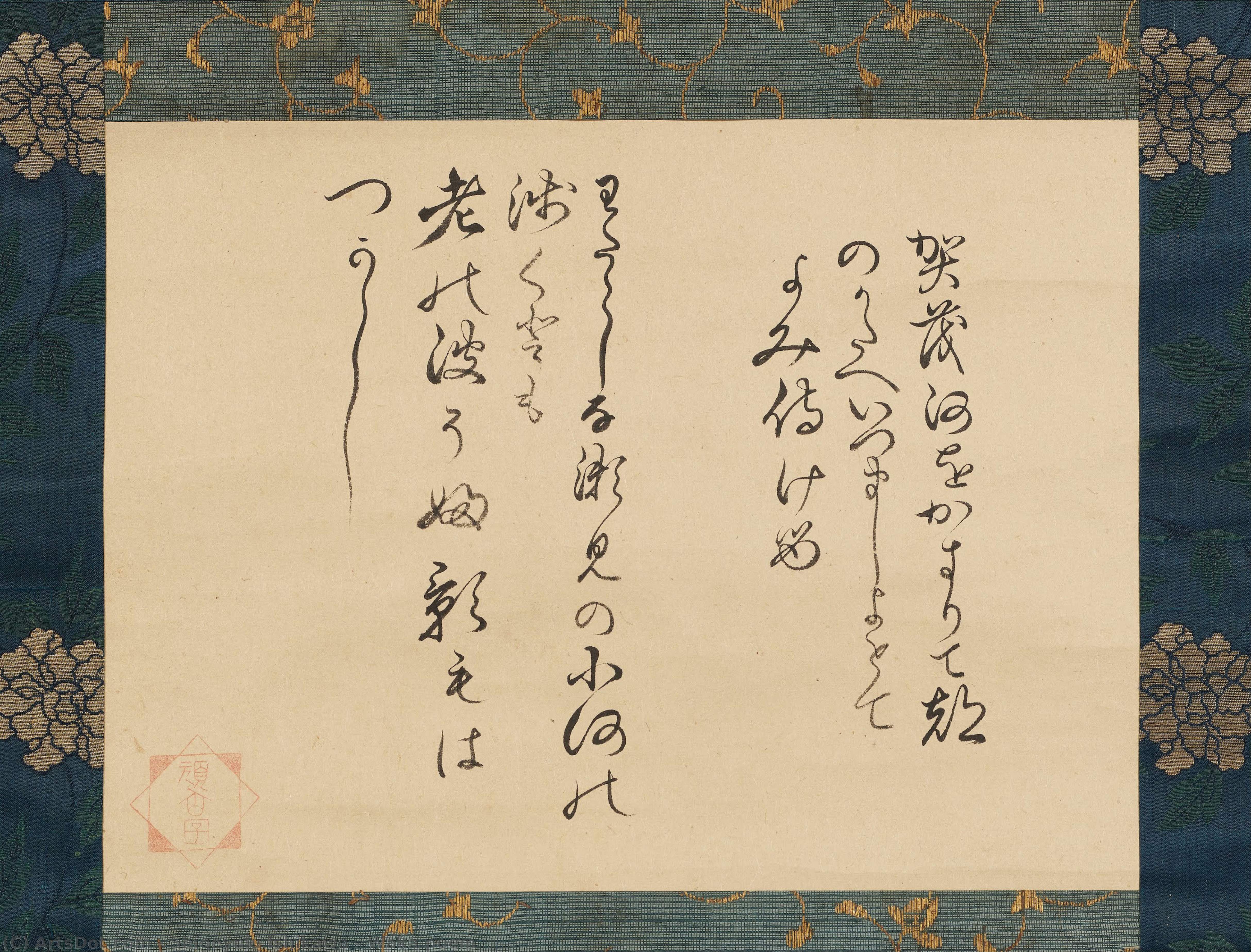
Waka poem

 Читать далее
Масляная репродукция ручной работы
Картина маслом на холсте в выбранном вами размере и раме, написанная на заказ нашими художниками. ( Перейти к печати Перейти к цифровым изображениям)




































Выберите один из наших стандартных размеров, соответствующих оригинальным пропорциям произведения искусства.

Вы можете указать собственные размеры, чтобы картина идеально вписалась в выбранную раму или пространство. Если выбранный вами размер не соответствует пропорциям оригинала, мы либо обрежем полотно, либо расширим его за счет дополнительных элементов, написанных вручную. Цифровой макет будет отправлен вам на утверждение перед началом производства.
Обратите внимание, что предварительный просмотр на экране не отражает фактическую обрезку или расширение. Только макет точно покажет окончательную композицию.
Хотя доступны индивидуальные размеры, мы рекомендуем выбирать вариант из предопределенного списка, чтобы сохранить исходные пропорции.
После оформления заказа команда ArtsDot.com свяжется с клиентом по электронной почте для уточнения деталей и предоставит предварительный макет
Доставка по всему миру () за 3–4 недели вместо стандартных 5 недель. (11 Сентябрь). Без компромиссов в качестве.

Бесплатная экспресс-доставка по всему миру

Высококачественный льняной холст

Полное страхование доставки

Гарантия возмещения таможенных пошлин

Гарантия точного соответствия цветов

100-дневная политика возврата (только при обнаружении дефектов)

Гарантия возврата 100% средств

Предложение оптовых скидок
 Вариант со стеклом доступен только для размеров менее 110 см

Waka poem
Техника репродукции
Размер репродукции
-


Итоговая стоимость
$ 263
Похожие произведения









Биография художника
A Samurai’s Path to Poetic Immortality: The Life and Legacy of Ishikawa Jozan
Ishikawa Jozan, born Shigeyuki Ishikawa in 1583 in Mikawa, Japan, embodies a fascinating transition within the tumultuous landscape of early Edo period Japan. He wasn't destined for a life steeped in artistic pursuits; his initial path was forged in the rigorous discipline of the samurai class. For generations, his family had served the Matsudaira clan, instilling in him a deep sense of loyalty and martial prowess. This foundation, however, would prove to be an unexpected catalyst for a remarkable transformation into one of Japan’s most celebrated literati artists – a scholar-poet, calligrapher, and painter who seamlessly blended warrior spirit with refined aesthetic sensibility. His early life was marked by dedicated training in the arts of war, culminating in service under Tokugawa Ieyasu, where he earned trust for his unwavering devotion. A pivotal moment arrived during the Osaka Summer Campaign, where Jozan’s valor was displayed but also led to a breach of orders and subsequent resignation from military life—a turning point that propelled him toward a new destiny.From Battlefield to Hermitage: Embracing Literati Culture
The decision to relinquish his samurai status wasn't an abandonment of discipline, but rather a redirection of it. Jozan entered a period of self-cultivation, seeking solace and intellectual stimulation in the world of scholarship. He became a devoted student of Neo-Confucianism under the esteemed Fujiwara Seika around 1617, a philosophical framework that deeply influenced his artistic vision. This pursuit wasn’t solitary; Jozan actively engaged with other intellectuals, most notably Hayashi Razan, forming a close bond that fostered mutual inspiration and collaboration. His embrace of literati culture—a tradition emphasizing poetry, calligraphy, painting, and intellectual discourse—was not merely an aesthetic choice but a profound shift in worldview. It was during this time he adopted the sobriquet ‘Jozan,’ signifying his new identity as a man dedicated to artistic and philosophical pursuits. This period saw him navigate various service positions, including with the Asano clan, before ultimately seeking true independence through seclusion.The Creation of Shisendô: A Sanctuary for the Thirty-Six Immortals
In 1641, Jozan realized his vision by constructing Shisendô—the “Hall of Poetry Immortals”—a hillside hermitage in Kyoto. This wasn’t simply a retreat; it was a meticulously crafted sanctuary designed to embody his artistic and philosophical ideals. Inspired by the Kasendo of Kinoshita Chōshōshi, Jozan conceived of honoring thirty-six celebrated Chinese poets throughout history. He commissioned Kanō Tan'yū, a prominent painter of the Kanō school, to create portraits of these literary figures, adorning the walls of Shisendô with their likenesses. This act wasn’t merely decorative; it was an attempt to commune with the great minds of the past and cultivate a space for artistic inspiration. The garden at Higashi Hongan-ji Kikaku Residence (Shōsei-en) also bears his design, showcasing his talent in Japanese garden aesthetics. Shisendô remains a popular tourist destination today, offering a tangible connection to Jozan’s world and enduring legacy.Poetry, Calligraphy, and the Neo-Confucian Spirit
Jozan's artistic output was diverse, encompassing poetry, calligraphy, and painting—all deeply intertwined with his Neo-Confucian beliefs. His poetry often reflected themes of nature, solitude, morality, and the search for inner peace. He excelled in *waka* poetry, a traditional Japanese form, but also demonstrated mastery of Chinese verse. His calligraphy was characterized by its elegance and authenticity, reflecting the principles of balance and harmony central to Neo-Confucian thought. While fewer examples of his paintings survive, they reveal a refined brushwork and sensitivity to landscape—often imbued with symbolic meaning related to his philosophical convictions. He declined invitations from Emperor Go-Mizunoo, choosing instead to live as a free-willed artist-scholar among like-minded friends. This dedication to intellectual pursuits and artistic expression solidified his reputation as a key figure in the Edo period literati movement.Historical Significance: A Bridge Between Warrior Ethos and Artistic Refinement
Ishikawa Jozan’s significance lies not only in his individual accomplishments but also in his embodiment of a changing Japan. He represented a bridge between the warrior ethos of the Azuchi-Momoyama period and the burgeoning artistic sensibilities of the Edo era. His transformation from samurai to scholar-artist challenged conventional norms and demonstrated the potential for intellectual and creative pursuits within a traditionally rigid social structure. His works continue to be highly regarded in Japan, serving as a testament to his enduring influence on Japanese literature and art. Shisendô stands as a lasting monument to his vision—a place where poetry, calligraphy, painting, and Neo-Confucian philosophy converge, offering a glimpse into the mind of a remarkable man who dared to forge his own path to poetic immortality.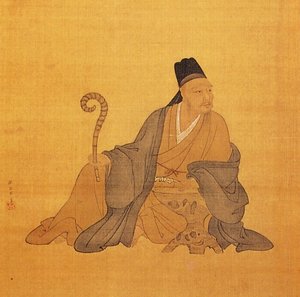
shigeyuki ishikawa
1583 - 1672 , Japan
Основные сведения
- Artistic Movement Or Style: Literati painting
- Date Of Birth: 1583
- Date Of Death: 1672
- Full Name: Shigeyuki Ishikawa
- Nationality: Japanese
- Notable Artworks: ['Waka poem']
- Place Of Birth: Mikawa, Japan