

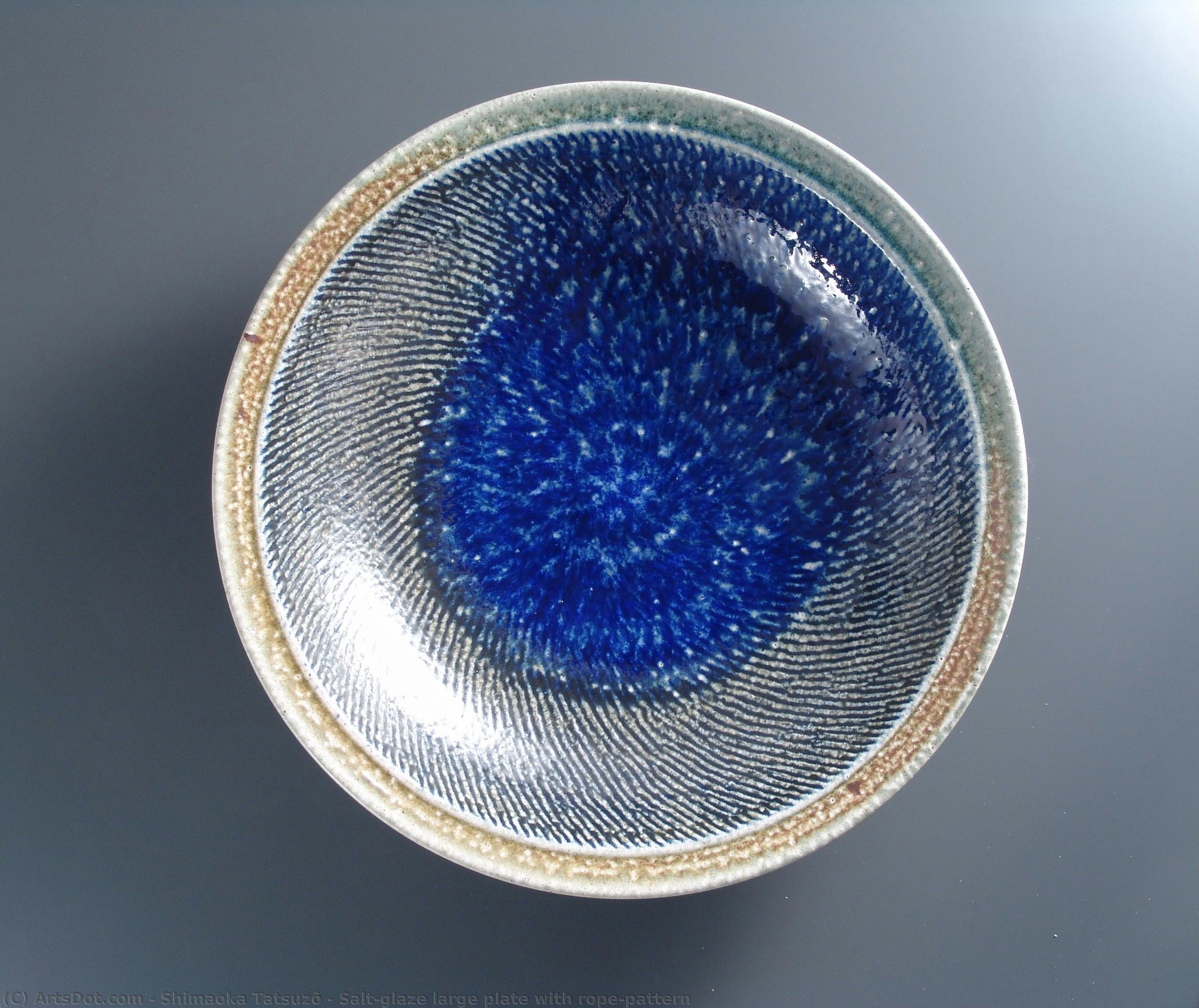
 Предпросмотр
 Поделиться
 Поделиться
 Детали произведения

 Скачать
 Похожие работы
 Рентгенография
 Слайд-шоу
 Статистика
Salt-glaze large plate with rope-pattern

 Читать далее
Жикле / Арт-принт
Печать (жикле) или холст музейного качества с быстрыми сроками изготовления и широким выбором вариантов отделки. ( Купить картину ручной работы Перейти к цифровым изображениям)




































Выберите один из наших стандартных размеров, соответствующих оригинальным пропорциям произведения искусства.

Вы можете указать свои собственные размеры, чтобы репродукция идеально подошла под конкретную раму или пространство. Если выбранный вами размер не будет соответствовать пропорциям оригинала, мы либо обрежем произведение, либо дополним изображение зеркальным отражением краев или однотонной заливкой. Перед началом производства вам будет отправлен цифровой макет для утверждения.
Пожалуйста, обратите внимание, что предварительный просмотр на экране не отображает фактическую обрезку или расширение изображения. Только макет точно покажет финальную композицию.
Несмотря на возможность заказа индивидуальных размеров, мы рекомендуем выбирать размер из предопределенного списка, чтобы сохранить оригинальные пропорции.
Доставка по всему миру () за 2 недели вместо стандартных 4/5 недель. (11 Сентябрь)

Бесплатная экспресс-доставка по всему миру

Высококачественный льняной холст

Полное страхование доставки

Гарантия возмещения таможенных пошлин

Гарантия точного соответствия цветов

100-дневная политика возврата (только при обнаружении дефектов)

Гарантия возврата 100% средств

Предложение оптовых скидок
 Вариант со стеклом доступен только для размеров менее 110 см

Salt-glaze large plate with rope-pattern
Жикле / Арт-принт
Размер репродукции
-


Итоговая стоимость
$ 62
Похожие произведения








Биография художника
A Life Rooted in Tradition: The World of Shimaoka Tatsuzō
Shimaoka Tatsuzō, born in Tokyo in 1919 and passing away in 2007, was more than just a potter; he was a custodian of Japanese *mingei*—the folk craft tradition—and a pivotal figure in its modern revival. His journey began not within the kiln’s fiery embrace but with an awakening at the Japanese Folk Crafts Museum as a young man of nineteen. This initial encounter sparked a profound desire to dedicate himself to the art of pottery, leading him away from his studies at the Tokyo Institute of Technology and towards a life steeped in clay and ancestral techniques. The intervening years of wartime service, including time spent as a prisoner of war, undoubtedly shaped his perspective, instilling a deep appreciation for resilience and the enduring power of human creativity. It wasn’t until 1946 that he could fully commit to his artistic calling, beginning an apprenticeship with the renowned potter Shōji Hamada in Mashiko, a village destined to become synonymous with his name.The Apprenticeship and the Birth of a Unique Style
Hamada Shoji was not merely a teacher but a guiding force, introducing Shimaoka to the core principles of *mingei*—beauty found in utility, simplicity, and the embrace of imperfection. This foundational influence would remain central throughout Shimaoka’s career. However, he wasn't content with simply replicating Hamada’s style; he possessed an innate drive to innovate. After three years at the Tochigi Prefecture Ceramic Research Center, Shimaoka established his own kiln in Mashiko in 1953, setting the stage for a period of intense experimentation and artistic development. It was during this time that he began to explore what would become his signature technique: *jōmon zogan*. This intricate process involved pressing ropes—often silk or densely woven cords used for kimono obi—into the leather-hard clay, creating textured impressions reminiscent of ancient Jōmon pottery. He then layered slip into these indentations, meticulously carving back the surface to reveal a delicate interplay of light and shadow. The technique wasn’t simply an aesthetic choice; it was a conscious effort to connect with Japan's distant past, honoring the artistry of those who came before while simultaneously forging a new path.Collaboration, Recognition, and International Acclaim
Shimaoka Tatsuzō was not a solitary artist. Throughout his career, he fostered a collaborative spirit, working alongside a dedicated group of students, apprentices, and fellow artisans—both from Japan and abroad. He believed in the power of shared knowledge and collective creativity, viewing the kiln as a space for learning and mutual inspiration. His dedication to teaching and mentorship helped ensure the continuation of traditional techniques and the vitality of the *mingei* movement. This commitment, coupled with his exceptional artistry, earned him widespread recognition. In 1996, he was bestowed with the prestigious title of “Living National Treasure” (*Ningen Kokuho*) by the Japanese government—a testament to his unique contribution to the art of pottery and his mastery of *jōmon zogan*. This honor brought international attention to his work, leading to exhibitions in Boston, Hamburg, and numerous other cities around the world. Museums worldwide, including the Victoria and Albert Museum, the Metropolitan Museum of Art, and the British Museum, eagerly sought to include his pieces in their collections.The Legacy of a Master Potter
Shimaoka’s influence extends far beyond the beauty of his individual creations. He demonstrated that tradition wasn't static but rather a living entity capable of evolving through innovation and collaboration. His work embodies a profound respect for nature, a deep understanding of materials, and an unwavering commitment to craftsmanship. The *jōmon zogan* technique, born from a fascination with ancient pottery and refined through years of dedicated practice, continues to inspire potters today. He wasn’t simply recreating the past; he was reinterpreting it, imbuing it with new life and meaning. His final firing in late 2007—a poignant moment that preceded his passing from acute liver failure—symbolizes a lifetime devoted to the art of pottery, leaving behind a legacy that will continue to resonate for generations to come. He showed how an artist could be deeply rooted in tradition while simultaneously embracing change and fostering a spirit of community.- Born: Atago, Tokyo, Japan (October 27, 1919)
- Died: Mashiko, Tochigi Prefecture, Japan (December 11, 2007)
- Influences: Shōji Hamada, Yanagi Soetsu, ancient Jōmon pottery
- Style: *Jōmon zogan* – rope-impressed inlay pottery, slip decoration, wood-fired techniques.
- Living National Treasure Designation: 1996

shimaoka tatsuzō
1919 - 2007 , Japan
Основные сведения
- Artistic Movement Or Style: Mingei pottery
- Artists Who Influenced This Artist: ['Shōji Hamada']
- Date Of Birth: October 27, 1919
- Date Of Death: December 11, 2007
- Full Name: Shimaoka Tatsuzō
- Nationality: Japanese
- Notable Artworks: ['Salt-glaze large plate with rope-pattern']
- Place Of Birth: Atago, Japan