

 Предпросмотр
 Поделиться
 Поделиться
 Детали произведения

 Скачать
 Похожие работы
 Рентгенография
 Слайд-шоу
 Статистика
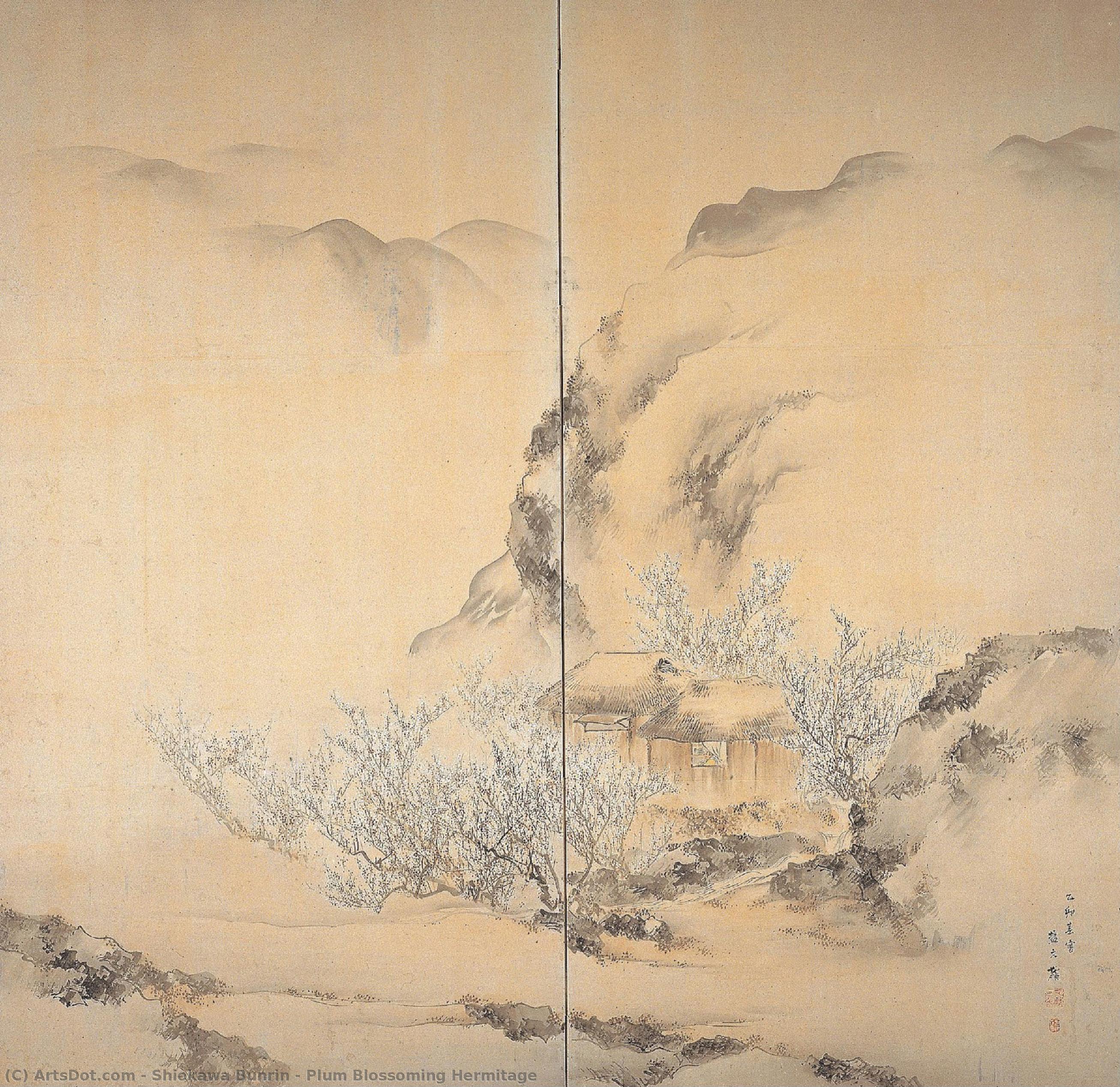
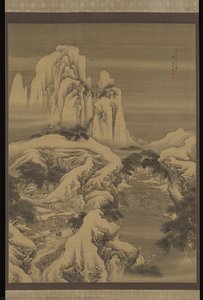
Plum Blossoming Hermitage
 Ink On Paper
- Shijo School
 1855
1855- 19th Century
 170.0 x 174.0 cm
 Читать далее
Масляная репродукция ручной работы
Картина маслом на холсте в выбранном вами размере и раме, написанная на заказ нашими художниками. ( Перейти к печати Перейти к цифровым изображениям)




P118B $10

P118H $10

P118W $10

P438Z $10

P508JH $12

P508YH $12

P805H $10

P805Z $10

P919BZ $10

P919G $10

P919XJ $10

P959ZH $10

P968JZ $12

W106C $8

W218G $10

W218JH $8

W218Y $10

W307PJ $10

W316G $10

W316PJ $8

W316Y $10

W398PJ $8

W4111J $10

W500HY $15

W500JH $15

W692G $12

W849H $8

W940BG $15

W953PJ $8




Выберите один из наших стандартных размеров, соответствующих оригинальным пропорциям произведения искусства.

Вы можете указать собственные размеры, чтобы картина идеально вписалась в выбранную раму или пространство. Если выбранный вами размер не соответствует пропорциям оригинала, мы либо обрежем полотно, либо расширим его за счет дополнительных элементов, написанных вручную. Цифровой макет будет отправлен вам на утверждение перед началом производства.
Обратите внимание, что предварительный просмотр на экране не отражает фактическую обрезку или расширение. Только макет точно покажет окончательную композицию.
Хотя доступны индивидуальные размеры, мы рекомендуем выбирать вариант из предопределенного списка, чтобы сохранить исходные пропорции.
После оформления заказа команда ArtsDot.com свяжется с клиентом по электронной почте для уточнения деталей и предоставит предварительный макет
Доставка по всему миру () за 3–4 недели вместо стандартных 5 недель. (11 Сентябрь). Без компромиссов в качестве.

Бесплатная экспресс-доставка по всему миру

Высококачественный льняной холст

Полное страхование доставки

Гарантия возмещения таможенных пошлин

Гарантия точного соответствия цветов

100-дневная политика возврата (только при обнаружении дефектов)

Гарантия возврата 100% средств

Предложение оптовых скидок
 Вариант со стеклом доступен только для размеров менее 110 см

Plum Blossoming Hermitage
Техника репродукции
Размер репродукции
-


Итоговая стоимость
$ 263
A Winter Sanctuary in Ink and Silence
In the quietude of a snow-laden landscape, Plum Blossoming Hermitage invites the viewer into a realm where time seems to suspend its forward march. Painted in 1855 by the master Shiokawa Bunrin, this exquisite work captures a moment of profound stillness within the rugged beauty of the Japanese mountains. The composition is anchored by a dramatic mountain range, its peaks partially veiled by drifting clouds that lend an ethereal, almost dreamlike quality to the scene. Nestled in the foreground, two humble dwellings—one larger and more intimate, the other a distant silhouette—offer a sense of human presence amidst the vast, cold majesty of nature. The delicate application of ink and pigment on paper creates a texture that feels both fragile and enduring, mirroring the ephemeral beauty of a winter morning.
The artistry of Bunrin is deeply rooted in the Shijō school tradition, a style renowned for its ability to blend realistic observation with poetic, lyrical expression. In this piece, his mastery of light and atmosphere is on full display; the way the snow clings to the rooftops and the soft gradients of the mountain mist suggest a temperature one can almost feel against the skin. The technique relies on a sophisticated use of negative space, where the unpainted areas of the paper become as vital as the brushstrokes themselves, representing the biting cold of the air and the blinding purity of the snowfall. This balance between presence and absence is what gives the painting its rhythmic, breathing quality.
Symbolism and the Spirit of the Hermit
Beyond its visual splendor, Plum Blossoming Hermitage carries deep symbolic weight, resonant with the philosophical traditions of late Edo-period Japan. The plum blossom, often the first to bloom even amidst the frost, serves as a powerful metaphor for resilience, purity, and the triumph of life over adversity. By placing a hermitage within this frozen landscape, Bunrin evokes the classical ideal of the scholar-recluse—one who seeks wisdom in solitude and finds harmony with the natural world. The mountains represent the eternal and the unshakeable, while the transient clouds and falling snow remind us of the impermanence of all things. For the collector, this painting is not merely a depiction of scenery, but an invitation to contemplate the strength found in stillness.
For interior designers and connoisseurs of fine art, this reproduction offers a sophisticated focal point that brings a sense of Zen-like tranquility to any space. Its muted palette of whites, soft greys, and subtle earth tones allows it to integrate seamlessly into modern minimalist settings or more traditional, classical interiors. The sheer scale of the original work—a commanding 170 x 174 cm—suggests a piece that can transform a room, turning a wall into a window onto a serene, historical landscape. Owning such a piece is an opportunity to surround oneself with the quiet dignity of Japanese heritage and the timeless elegance of Bunrin’s brush.
Похожие произведения
Биография художника
A Life Rooted in Tradition: The World of Shiokawa Bunrin
Shiokawa Bunrin, also known as Shion, emerged from the rich artistic landscape of Kyoto in 1808, a period steeped in samurai culture and refined aesthetic sensibilities. Born into a family with ties to the warrior class, his early life took an unexpected turn following his father’s passing. He sought refuge and guidance with relatives in Fushimi, where he embarked on a journey that would define him as one of Japan's most celebrated landscape painters. This relocation wasn’t merely a change of scenery; it was the genesis of a profound artistic awakening. At fourteen, Bunrin began his formal studies under Toryō, a local artist who laid the foundation for his future mastery. However, it was his subsequent tutelage with Okamoto Toyohiko of the prestigious Shijō school that truly shaped his style and trajectory.The Shijō School and Early Patronage
Okamoto Toyohiko’s influence proved pivotal in Bunrin's development. The Shijō school, renowned for its elegant depictions of nature and poetic interpretations of classical themes, provided a framework for Bunrin to hone his skills. He absorbed the nuances of ink wash painting, learning to capture the essence of landscapes with subtle gradations and evocative brushwork. This period wasn’t solely dedicated to artistic refinement; it also marked the beginning of Bunrin's professional life as a painter in attendance to the esteemed Yasui family. Patronage from Kyoto nobility became a defining characteristic of his career, allowing him the freedom to explore his creative vision while catering to the tastes of discerning collectors. This delicate balance between artistic expression and societal expectations would remain a constant throughout his life. The support he received enabled him to delve deeper into the study of both traditional Japanese styles and emerging Western techniques, foreshadowing the unique synthesis that would become his hallmark.A Synthesis of Styles: Nanga, Western Influences & Personal Vision
Bunrin’s artistic journey wasn't confined to a single path. While deeply rooted in the Shijō school tradition, he actively sought knowledge from diverse sources. He immersed himself in *nanga* style painting – literati painting emphasizing scholarly pursuits and personal expression – and surprisingly, also explored Western painting methods. This willingness to embrace new ideas set him apart from many of his contemporaries. During a period of increasing isolation for Japan, Bunrin’s curiosity about foreign artistic approaches was remarkable. He absorbed elements like perspective, atmospheric rendering, and the use of light, skillfully integrating them into his own distinct style. His landscapes began to exhibit a depth and realism previously unseen in traditional Japanese painting, while retaining the poetic sensibility that defined his earlier works. This fusion wasn't merely technical; it reflected Bunrin’s broader intellectual curiosity and desire to push the boundaries of artistic convention.Landscapes of Serenity: Themes & Techniques
Shiokawa Bunrin is best known for his serene landscapes, often featuring plum blossoms – a symbol of resilience and renewal – and scenes imbued with poetic atmosphere. His paintings are not simply representations of nature; they are invitations to contemplation. He masterfully employed the *suzuri* technique, utilizing ink wash painting to create subtle gradations of tone and texture. The flowing water in his river landscapes, for example, is rendered with remarkable fluidity, capturing both its physical movement and its symbolic association with the passage of time. Willow trees frequently appear in his compositions, representing grace, flexibility, and mourning – adding layers of meaning to his already evocative scenes. His triptychs, like “River Landscape with Fireflies” (1874), exemplify his ability to create immersive experiences that transport viewers to tranquil realms. The fireflies themselves are not merely decorative elements; they symbolize fleeting beauty and the ephemeral nature of life.Legacy & Historical Significance
Shiokawa Bunrin’s influence extended far beyond his own lifetime. He played a crucial role in shaping the Kyoto style of painting during the early Meiji era, mentoring a generation of artists including Kishi Chikudō, Morikawa Sobun, and Takeuchi Seihō. His willingness to embrace Western techniques while remaining true to Japanese aesthetic principles paved the way for new artistic possibilities. He was instrumental in establishing the Kyoto Exhibition, providing a platform for local artists to showcase their work and connect with a wider audience. Furthermore, he actively participated in the formation of an art cooperative, enabling artists to sell their creations directly to the public – a revolutionary concept at the time. His contributions weren’t limited to artistic creation; he also served as a judge for painting sections, further solidifying his position as a leading figure in the Kyoto art world. Bunrin's death in 1877 marked the end of an era, but his legacy continues to inspire artists and captivate audiences with its timeless beauty and profound serenity. His works stand as testaments to the power of artistic synthesis, cultural preservation, and the enduring allure of Japanese landscape painting.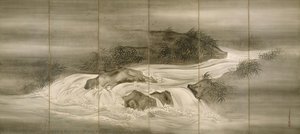
shiokawa bunrin
1808 - 1877 , Japan
Основные сведения
- Artistic Movement Or Style: Shijō School, Nanga
- Artists Or Movements Influenced By This Artist:
- Kishi Chikudō
- Morikawa Sobun
- Takeuchi Seihō
- Artists Who Influenced This Artist: ['Okamoto Toyohiko']
- Date Of Birth: 1808
- Date Of Death: 1877
- Full Name: Shiokawa Bunrin
- Nationality: Japanese
- Notable Artworks:
- River Landscape with Fireflies
- Summer and Winter Landscapes
- The Poet Li Bo's Visit to Mount Emei
- Place Of Birth: Kyoto, Japan
Похожие статьи

Романтический пейзаж: 10 шедевров, изменивших искусство | ArtsDot.com
Погрузитесь в мир романтического пейзажа! 10 шедевров Фридриха, Тёрнера и других гениев. Узнайте историю создания культовых картин и вдохновитесь для декора интерьера. Репродукции высокого качества на ArtsDot.com.

Evocations of Place: A Historical Journey Through Landscape Art
Explore the rich history of landscape art with ArtsDot. Discover renowned artists, movements like Impressionism & Romanticism, and expert guidance for collecting timeless pieces. Find your perfect serene escape today!

Джон Констебль: 25 шедевров английского пейзажа для вашего интерьера
Погрузитесь в мир английского пейзажа с Джоном Констеблом! 25 шедевров романтизма, история создания картин и вдохновение для вашего интерьера. Репродукции высокого качества на ArtsDot.com – искусство для ценителей.
Serene Visions: Exploring Themes of Tranquility in Art History & Contemporary Practice
Explore the history of serene landscape art & discover artists who evoke tranquility. Find the perfect calming artwork for your home with expert guidance from ArtsDot.

Топ-25 шедевров Кацусики Хокусая: Искусство Японии для вашего интерьера
Погрузитесь в мир гения Кацусики Хокусая! 25 легендарных гравюр укиё-э, включая "Великую волну". История искусства Японии и вдохновение для вашего интерьера. Репродукции высокого качества на ArtsDot.com.