

 Предпросмотр
 Поделиться
 Поделиться
 Детали произведения

 Скачать
 Похожие работы
 Рентгенография
 Слайд-шоу
 Статистика
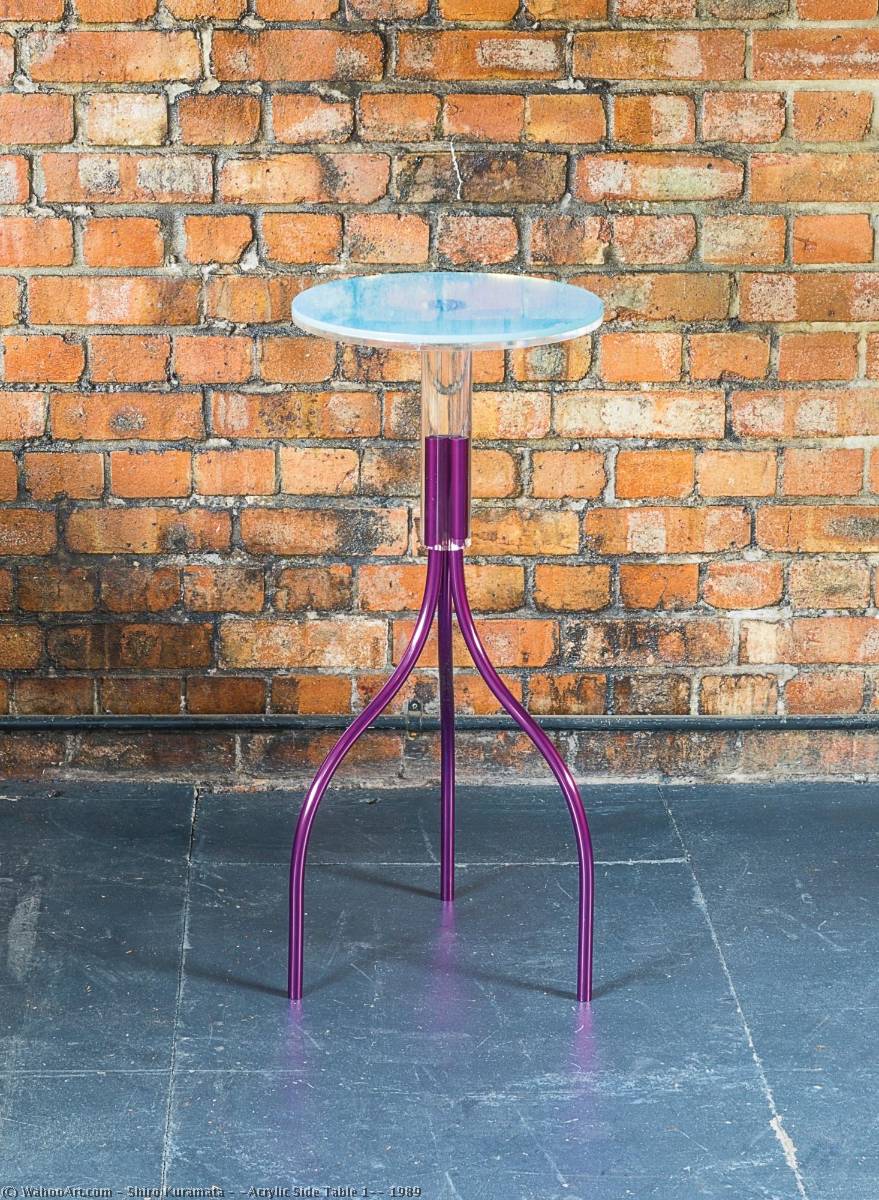
'Acrylic Side Table 1', 1989
 Читать далее
Приобретите цифровое изображение высокого разрешения в улучшенном качестве, которое значительно превосходит онлайн-превью.
Каждый файл тщательно подготавливается нашими специалистами с использованием передовых инструментов и экспертной ручной ретуши. Мы гарантируем исключительную четкость, точную цветопередачу и детальную проработку каждого изображения.
Финальный файл доставляется по электронной почте в течение 72 часов и оптимизирован для немедленного использования в профессиональной среде, при верстке и печати. Это тот же уровень качества, которому доверяют ведущие дизайнерские студии, издательства и галереи.
Цифровое изображение
Скачайте файл высокого разрешения для личного использования, печати и творческих проектов. ( Перейти к печати Купить картину ручной работы)
Включено в каждый заказ цифровых изображений
Гарантия экспертной цифровой доставки
Выбирая ArtsDot.com, вы получаете не просто изображение — вы приобретаете профессионально обработанное цифровое произведение искусства, созданное с безупречной точностью и под защитой гарантии качества. Вот всё, что автоматически входит в ваш заказ:

Мгновенная доставка по e-mail
Ваш цифровой файл в высоком разрешении будет отправлен вам по электронной почте в течение 72 часов после оформления заказа — и сразу станет доступен для использования.

Цифровой файл с ИИ-улучшением
Ваше произведение искусства проходит профессиональную оптимизацию с использованием передовых инструментов ИИ и ручной обработки, что гарантирует максимальную детализацию, четкость и точность цветопередачи.

Бессрочная бесплатная повторная доставка
Случайно удалили или потеряли файл? Не беспокойтесь — мы отправим его вам повторно в любое время и совершенно бесплатно.

Без импортных пошлин — навсегда
Наслаждайтесь вашим произведением искусства мгновенно без таможенных пошлин, сборов или затрат на доставку — цифровые загрузки всегда не облагаются налогом.

Гарантия точности цветопередачи
Мы гарантируем, что ваше цифровое изображение максимально точно передает оригинальные цвета благодаря использованию профессиональных инструментов и систем управления цветом.

Гарантия удовлетворенности 100 дней
Если вы не будете удовлетворены своим цифровым изображением, мы внесем правки или вернем 100% стоимости в течение 100 дней — без лишних вопросов.

100% Гарантия возврата средств
Не удовлетворены покупкой? Получите полный возврат средств в течение 100 дней после получения цифрового файла — без лишних вопросов.

Скидки на оптовые заказы
Купите 3 изображения, сэкономьте 10% — Купите 5, сэкономьте 15% — Купите 10+, сэкономьте 20%. Отличное решение для творческих проектов, галерей и агентств.
Похожие произведения










Биография художника
Shiro Kuramata: Architect of Illusion and Material Minimalism
Shiro Kuramata (倉俣 史朗, November 29, 1934 – February 1, 1991) stands as one of Japan’s most influential designers of the latter half of the twentieth century. His singular vision—a fusion of industrial materials and sculptural form—challenged conventional notions of design and cemented his place among the vanguard of postmodern aesthetics. Born in Osaka, Kuramata's formative years were marked by exposure to both traditional Japanese craftsmanship and the burgeoning postwar cultural landscape, experiences that profoundly shaped his artistic sensibilities. He pursued architectural studies at Tokyo Technical College before embarking on a career dedicated to exploring the interplay between geometry, texture, and perception.- Early Influences: Kuramata’s initial training in cabinet making instilled a meticulous attention to detail and an appreciation for handcrafted techniques—values that would permeate his subsequent designs.
- Memphis Group Collaboration: In 1981, Kuramata joined Ettore Sottsass's Memphis Group, a collective committed to disrupting established design conventions through playful experimentation with color, pattern, and unconventional materials. This association propelled him into the spotlight of international design discourse and solidified his reputation as an innovator.
The Poetics of Industrial Materials
Kuramata’s distinctive approach centered on transforming commonplace industrial components—wire mesh, plexiglass, Lucite—into objects of breathtaking beauty and conceptual depth. He eschewed ornamentation in favor of geometric abstraction, prioritizing structural integrity alongside sculptural form. This deliberate rejection of decorative embellishment wasn't merely stylistic choice; it represented a philosophical stance rooted in the belief that “form follows function,” albeit reimagined through a lens of surrealism and psychological exploration. His celebrated "How High the Moon" chair exemplifies this principle perfectly—a deceptively simple structure crafted from wire mesh that evokes an ethereal sense of movement and contemplation.- Wire Mesh Sculpture: Kuramata’s mastery of wire mesh allowed him to create monumental sculptures that simultaneously conveyed solidity and fragility, mirroring themes of vulnerability and resilience.
- Lucite Transformations: He skillfully manipulated Lucite—a transparent acrylic resin—to achieve luminous effects and explore the illusionistic qualities of light and shadow, furthering his fascination with visual perception.
Iconic Designs and Critical Recognition
Kuramata’s oeuvre garnered considerable acclaim during his lifetime, culminating in prestigious awards and international recognition. The “Miss Blanche” chair, inspired by Tennessee Williams's *A Streetcar Named Desire*, became a symbol of Kuramata’s artistic vision—a testament to the transformative power of art and design. Its sale at Christie’s in 1997 underscored its enduring value within the contemporary art market. Furthermore, his Ikebana vase, commissioned by Vilca from Colle di Val d'Elsa, showcased his ability to synthesize Eastern aesthetics with Western craftsmanship—a reflection of Japan’s evolving role on the global stage.Legacy and Influence
Shiro Kuramata died prematurely in 1991, leaving behind a legacy that continues to inspire designers and artists worldwide. His uncompromising commitment to experimentation and his profound understanding of material properties established him as a pivotal figure in postmodern design—a pioneer who challenged conventional aesthetic boundaries and championed the expressive potential of industrial materials. He remains an exemplar of artistic integrity and intellectual curiosity, reminding us that beauty can emerge from unexpected combinations and that true innovation resides in questioning accepted norms.
Основные сведения
- Artistic Movement Or Style: Memphis Group
- Artists Or Movements Influenced By This Artist: ['Issey Miyake']
- Artists Who Influenced This Artist: ['Ettore Sottsass']
- Date Of Birth: November 29, 1934
- Date Of Death: February 1, 1991
- Full Name: Shiro Kuramata
- Nationality: Japanese
- Notable Artworks:
- How High the Moon Chair
- 'Miss Blanche' Chair
- Place Of Birth: Tokyo, Japan