

 Предпросмотр
 Поделиться
 Поделиться
 Детали произведения

 Скачать
 Похожие работы
 Рентгенография
 Слайд-шоу
 Статистика
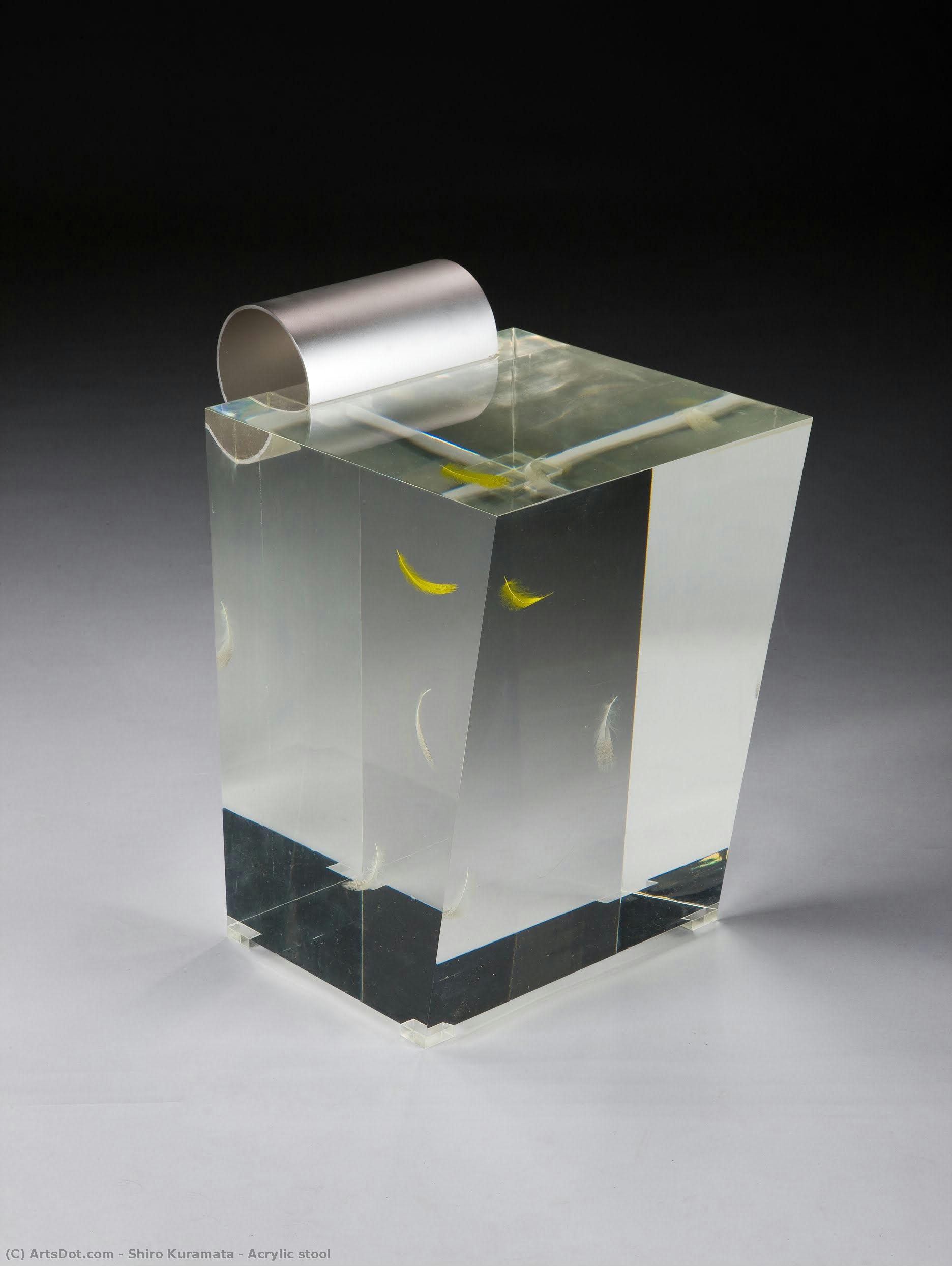
Acrylic stool

 Читать далее
Жикле / Арт-принт
Печать (жикле) или холст музейного качества с быстрыми сроками изготовления и широким выбором вариантов отделки. ( Купить картину ручной работы Перейти к цифровым изображениям)




































Выберите один из наших стандартных размеров, соответствующих оригинальным пропорциям произведения искусства.

Вы можете указать свои собственные размеры, чтобы репродукция идеально подошла под конкретную раму или пространство. Если выбранный вами размер не будет соответствовать пропорциям оригинала, мы либо обрежем произведение, либо дополним изображение зеркальным отражением краев или однотонной заливкой. Перед началом производства вам будет отправлен цифровой макет для утверждения.
Пожалуйста, обратите внимание, что предварительный просмотр на экране не отображает фактическую обрезку или расширение изображения. Только макет точно покажет финальную композицию.
Несмотря на возможность заказа индивидуальных размеров, мы рекомендуем выбирать размер из предопределенного списка, чтобы сохранить оригинальные пропорции.
Доставка по всему миру () за 2 недели вместо стандартных 4/5 недель. (11 Сентябрь)

Бесплатная экспресс-доставка по всему миру

Высококачественный льняной холст

Полное страхование доставки

Гарантия возмещения таможенных пошлин

Гарантия точного соответствия цветов

100-дневная политика возврата (только при обнаружении дефектов)

Гарантия возврата 100% средств

Предложение оптовых скидок
 Вариант со стеклом доступен только для размеров менее 110 см

Acrylic stool
Жикле / Арт-принт
Размер репродукции
-


Итоговая стоимость
$ 62
Похожие произведения




Биография художника
Shiro Kuramata: Architect of Illusion and Material Minimalism
Shiro Kuramata (倉俣 史朗, November 29, 1934 – February 1, 1991) stands as one of Japan’s most influential designers of the latter half of the twentieth century. His singular vision—a fusion of industrial materials and sculptural form—challenged conventional notions of design and cemented his place among the vanguard of postmodern aesthetics. Born in Osaka, Kuramata's formative years were marked by exposure to both traditional Japanese craftsmanship and the burgeoning postwar cultural landscape, experiences that profoundly shaped his artistic sensibilities. He pursued architectural studies at Tokyo Technical College before embarking on a career dedicated to exploring the interplay between geometry, texture, and perception.- Early Influences: Kuramata’s initial training in cabinet making instilled a meticulous attention to detail and an appreciation for handcrafted techniques—values that would permeate his subsequent designs.
- Memphis Group Collaboration: In 1981, Kuramata joined Ettore Sottsass's Memphis Group, a collective committed to disrupting established design conventions through playful experimentation with color, pattern, and unconventional materials. This association propelled him into the spotlight of international design discourse and solidified his reputation as an innovator.
The Poetics of Industrial Materials
Kuramata’s distinctive approach centered on transforming commonplace industrial components—wire mesh, plexiglass, Lucite—into objects of breathtaking beauty and conceptual depth. He eschewed ornamentation in favor of geometric abstraction, prioritizing structural integrity alongside sculptural form. This deliberate rejection of decorative embellishment wasn't merely stylistic choice; it represented a philosophical stance rooted in the belief that “form follows function,” albeit reimagined through a lens of surrealism and psychological exploration. His celebrated "How High the Moon" chair exemplifies this principle perfectly—a deceptively simple structure crafted from wire mesh that evokes an ethereal sense of movement and contemplation.- Wire Mesh Sculpture: Kuramata’s mastery of wire mesh allowed him to create monumental sculptures that simultaneously conveyed solidity and fragility, mirroring themes of vulnerability and resilience.
- Lucite Transformations: He skillfully manipulated Lucite—a transparent acrylic resin—to achieve luminous effects and explore the illusionistic qualities of light and shadow, furthering his fascination with visual perception.
Iconic Designs and Critical Recognition
Kuramata’s oeuvre garnered considerable acclaim during his lifetime, culminating in prestigious awards and international recognition. The “Miss Blanche” chair, inspired by Tennessee Williams's *A Streetcar Named Desire*, became a symbol of Kuramata’s artistic vision—a testament to the transformative power of art and design. Its sale at Christie’s in 1997 underscored its enduring value within the contemporary art market. Furthermore, his Ikebana vase, commissioned by Vilca from Colle di Val d'Elsa, showcased his ability to synthesize Eastern aesthetics with Western craftsmanship—a reflection of Japan’s evolving role on the global stage.Legacy and Influence
Shiro Kuramata died prematurely in 1991, leaving behind a legacy that continues to inspire designers and artists worldwide. His uncompromising commitment to experimentation and his profound understanding of material properties established him as a pivotal figure in postmodern design—a pioneer who challenged conventional aesthetic boundaries and championed the expressive potential of industrial materials. He remains an exemplar of artistic integrity and intellectual curiosity, reminding us that beauty can emerge from unexpected combinations and that true innovation resides in questioning accepted norms.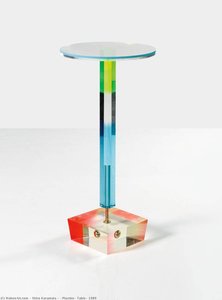
Основные сведения
- Artistic Movement Or Style: Memphis Group
- Artists Or Movements Influenced By This Artist: ['Issey Miyake']
- Artists Who Influenced This Artist: ['Ettore Sottsass']
- Date Of Birth: November 29, 1934
- Date Of Death: February 1, 1991
- Full Name: Shiro Kuramata
- Nationality: Japanese
- Notable Artworks:
- How High the Moon Chair
- 'Miss Blanche' Chair
- Place Of Birth: Tokyo, Japan