


 Предпросмотр
 Поделиться
 Поделиться
 Детали произведения

 Скачать
 Похожие работы
 Рентгенография
 Слайд-шоу
 Статистика
Freehand copy of a transcription of “The Song of Everlasting Sorrow” by Bai Juyi
 1614
1614 35.0 x 785.0 cm
 Читать далее
Масляная репродукция ручной работы
Картина маслом на холсте в выбранном вами размере и раме, написанная на заказ нашими художниками. ( Перейти к печати Перейти к цифровым изображениям)
































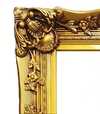
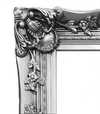
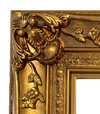
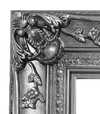
Выберите один из наших стандартных размеров, соответствующих оригинальным пропорциям произведения искусства.

Вы можете указать собственные размеры, чтобы картина идеально вписалась в выбранную раму или пространство. Если выбранный вами размер не соответствует пропорциям оригинала, мы либо обрежем полотно, либо расширим его за счет дополнительных элементов, написанных вручную. Цифровой макет будет отправлен вам на утверждение перед началом производства.
Обратите внимание, что предварительный просмотр на экране не отражает фактическую обрезку или расширение. Только макет точно покажет окончательную композицию.
Хотя доступны индивидуальные размеры, мы рекомендуем выбирать вариант из предопределенного списка, чтобы сохранить исходные пропорции.
После оформления заказа команда ArtsDot.com свяжется с клиентом по электронной почте для уточнения деталей и предоставит предварительный макет
Доставка по всему миру () за 3–4 недели вместо стандартных 5 недель. (15 Сентябрь). Без компромиссов в качестве.

Бесплатная экспресс-доставка по всему миру

Высококачественный льняной холст

Полное страхование доставки

Гарантия возмещения таможенных пошлин

Гарантия точного соответствия цветов

100-дневная политика возврата (только при обнаружении дефектов)

Гарантия возврата 100% средств

Предложение оптовых скидок
 Вариант со стеклом доступен только для размеров менее 110 см

Freehand copy of a transcription of “The Song of Everlasting Sorrow” by Bai Juyi
Техника репродукции
Размер репродукции
-


Итоговая стоимость
$ 263
Похожие произведения
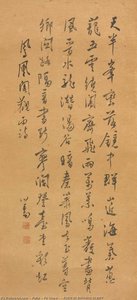

Биография художника
early life and spiritual pursuits
shōjō shōkadō, a prominent figure in japan's edo period, was born in 1584 in the yamato province. his life took a significant turn when he entered the hachiman shrine on otoko-yama (yawata) near kyoto, where he received his buddhist name, shōjō. this marked the beginning of his spiritual journey as a buddhist monk.artistic pursuits and mastery
shōjō's artistic talents extended to painting, calligraphy, and mastery of the tea ceremony. he is notably recognized as one of the 'three brushes of the kan'ei period' (寛永三筆, kan'ei sanpitsu), a testament to his exceptional skill in the art world.artistic style and influences
shōjō's painting style was characterized by the use of monochromatic ink, influenced by the works of mu-ch’i fa-ch’ang and yin-t’o-lo, a 13th-century chinese monk-artist. his adherence to traditional japanese painting styles, such as yamato-e, further solidified his reputation as a versatile artist.notable works and legacy
though specific paintings by shōjō are not widely documented, his influence on the development of japanese art is undeniable. as part of the kanō school style art movement, his work contributed to the evolution of a distinctly japanese aesthetic.- explore shōjō shōkadō's profile on ArtsDot
- discover the ukiyo-e art movement, which influenced many japanese artists, including those from the kanō school.
- learn more about the new medievialism art movement, a contemporary movement inspired by medieval artistic techniques.
conclusion
shōjō shōkadō's legacy, though shrouded in mystery, remains an integral part of japan's rich cultural heritage. his contributions to the world of art and spirituality continue to inspire artists and scholars alike. important dates: - born: 1584, yamato province, japan - died: 1639 museum collections: though specific works by shōjō are not listed here, explore his profile on ArtsDot for more information on his artistic contributions.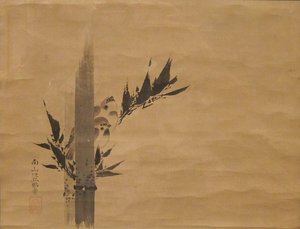
shōjō shōkadō
1584 - 1639 , Japan
Основные сведения
- Artistic Movement Or Style: Dutch Golden Age painting
- Artists Or Movements Influenced By This Artist: ['Later artists in Leiden']
- Artists Who Influenced This Artist:
- Jacques de Gheyn II
- Cornelius van der Voort
- Date Of Birth: 1584
- Date Of Death: 1657
- Full Name: David Bailly
- Nationality: Dutch
- Notable Artworks:
- Boy with a Basket of Fruit
- The Musicians
- Self-portraits
- Place Of Birth: Leiden, Netherlands