


 Предпросмотр
 Поделиться
 Поделиться
 Детали произведения

 Скачать
 Похожие работы
 Рентгенография
 Слайд-шоу
 Статистика
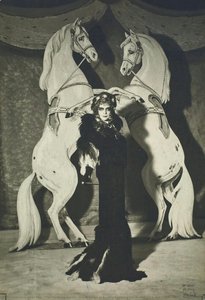
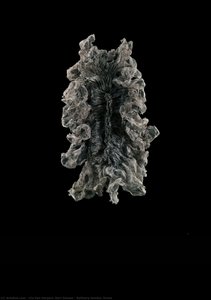
Herbert von Karajan
 Читать далее
Жикле / Арт-принт
Печать (жикле) или холст музейного качества с быстрыми сроками изготовления и широким выбором вариантов отделки. ( Купить картину ручной работы Перейти к цифровым изображениям)

































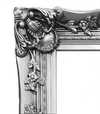
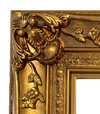
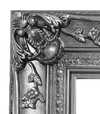
Выберите один из наших стандартных размеров, соответствующих оригинальным пропорциям произведения искусства.

Вы можете указать свои собственные размеры, чтобы репродукция идеально подошла под конкретную раму или пространство. Если выбранный вами размер не будет соответствовать пропорциям оригинала, мы либо обрежем произведение, либо дополним изображение зеркальным отражением краев или однотонной заливкой. Перед началом производства вам будет отправлен цифровой макет для утверждения.
Пожалуйста, обратите внимание, что предварительный просмотр на экране не отображает фактическую обрезку или расширение изображения. Только макет точно покажет финальную композицию.
Несмотря на возможность заказа индивидуальных размеров, мы рекомендуем выбирать размер из предопределенного списка, чтобы сохранить оригинальные пропорции.
Доставка по всему миру () за 2 недели вместо стандартных 4/5 недель. (14 Сентябрь)

Бесплатная экспресс-доставка по всему миру

Высококачественный льняной холст

Полное страхование доставки

Гарантия возмещения таможенных пошлин

Гарантия точного соответствия цветов

100-дневная политика возврата (только при обнаружении дефектов)

Гарантия возврата 100% средств

Предложение оптовых скидок
 Вариант со стеклом доступен только для размеров менее 110 см

Herbert von Karajan
Жикле / Арт-принт
Размер репродукции
-


Итоговая стоимость
$ 62
Похожие произведения








Биография художника
Siegfried Lauterwasser: A Subjective Vision of German Landscapes and Cultural Moments
Siegfried Lauterwasser (1913-2000) stands as a pivotal figure in 20th-century German photography, renowned for his uniquely subjective approach to capturing the essence of movement, harmony, and light. Born in Ueberlingen, Germany, on April 16, 1913, into a family steeped in photographic tradition – his father and grandfather were both accomplished photographers – Lauterwasser inherited not just technical skills but also an artistic sensibility deeply attuned to the interplay between observation and interpretation. His work transcends mere documentation; it’s a carefully constructed narrative woven from light, composition, and emotional resonance, reflecting a profound engagement with the landscapes, music festivals, and cultural events that defined his era.Early Training and Wartime Documentation
Lauterwasser's formal training began under his father, Alexander Lauterwasser, an established photographer in Ueberlingen. This early apprenticeship provided him with a solid foundation in photographic technique, but it was at the Frankfurt Vocational School (1929-1931) that he truly began to develop his own artistic voice. Crucially, his career intersected with the tumultuous period of World War II, during which he served as a photojournalist for the Luftwaffe on the Eastern Front. This experience profoundly shaped his perspective, imbuing his work with a sense of immediacy and a willingness to confront difficult realities. While commissioned by the military, Lauterwasser’s photographs from this time are notable for their color photography – an unusual practice at the time – offering a vibrant, albeit propagandistic, view of the war effort. These images, often depicting landscapes and scenes of activity, reveal his early mastery of composition and light, foreshadowing the stylistic hallmarks that would characterize his later work.The Fotoform Group and Artistic Evolution
Following the war, Lauterwasser’s artistic trajectory shifted dramatically. He became a member of *fotoform*, a highly influential group of German photographers dedicated to exploring new approaches to photography beyond traditional documentary styles. *Fotoform*, founded in 1949, championed subjective expression and experimentation with form and technique. This association proved transformative, pushing Lauterwasser to move beyond simple representation and embrace a more emotionally driven approach. He began to prioritize the *feeling* of a scene – its movement, rhythm, and atmosphere – over strict adherence to objective reality. This shift is evident in his subsequent work documenting the Bayreuth Festival, where he captured not just the performances but also the palpable energy and emotional intensity of the event.Landscapes, Music Festivals, and the Black Forest
Lauterwasser’s photographic interests diversified significantly after the war. He turned increasingly to landscape photography, focusing on the picturesque Lake Constance region of Southern Germany. His images of this area are characterized by a lyrical quality – a celebration of light, color, and the subtle nuances of the natural world. He also became deeply involved in documenting musical events, most notably the Bayreuth Festival, where he served as the official stage photographer from 1952 to 1987. His photographs of Wagner’s operas are particularly renowned for their evocative power, capturing not only the visual spectacle but also the emotional depth of the performances. Beyond these major subjects, Lauterwasser explored a wide range of themes, including traditional folk customs (such as the Swabian-Alemannic Fastnacht), sailing on Lake Constance, and the diverse landscapes of the Black Forest, Italy, France, Svalbard, and Africa.Legacy and Recognition
Siegfried Lauterwasser’s artistic legacy extends far beyond his individual photographs. He was a key figure in the development of subjective photography in Germany, influencing generations of artists. His work is characterized by a distinctive blend of technical skill and emotional sensitivity – a rare combination that continues to resonate with viewers today. In 1999, he received the Culture Prize of the German Society for Photography, recognizing his lifetime contributions to the art form. His photographs are held in prominent collections worldwide, including the Berlin Prussian Heritage Image Archive and the George Eastman Museum, ensuring that his unique vision will continue to be appreciated for years to come. Lauterwasser’s dedication to capturing the beauty and spirit of Germany's landscapes and cultural traditions cemented his place as a truly significant voice in photographic history.
Siegfried Lauterwasser
1913 - 2000 , Germany
Основные сведения
- Artistic Movement Or Style: Subjective photography
- Artists Or Movements Influenced By This Artist: ['fotoform group']
- Artists Who Influenced This Artist: ['Alexander Lauterwasser']
- Date Of Birth: April 16, 1913
- Date Of Death: September 7, 2000
- Full Name: Siegfried Lauterwasser
- Nationality: German
- Notable Artworks:
- Lake Constance images
- Bayreuth Festival photos
- Wagner's Tristan & Isolde
- Place Of Birth: Überlingen, Germany