

 Предпросмотр
 Поделиться
 Поделиться
 Детали произведения

 Скачать
 Похожие работы
 Рентгенография
 Слайд-шоу
 Статистика
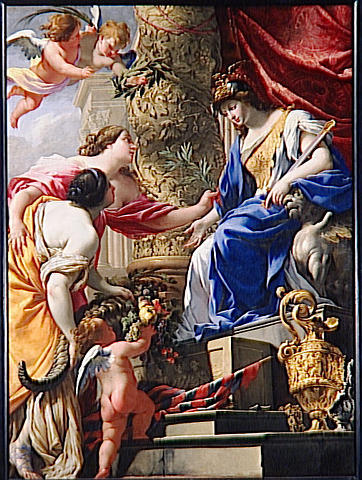
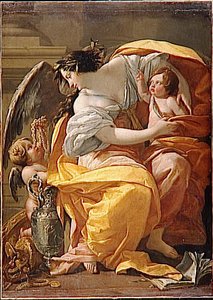
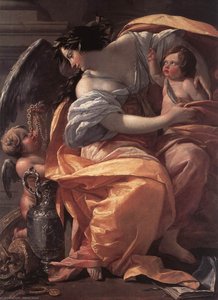
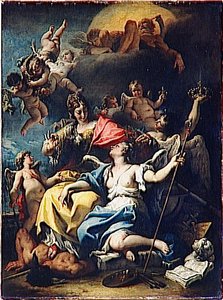
LA PRUDENCE AMENE LA PAIX ET L'ABONDANCE


 Читать далее
Приобретите цифровое изображение высокого разрешения в улучшенном качестве, которое значительно превосходит онлайн-превью.
Каждый файл тщательно подготавливается нашими специалистами с использованием передовых инструментов и экспертной ручной ретуши. Мы гарантируем исключительную четкость, точную цветопередачу и детальную проработку каждого изображения.
Финальный файл доставляется по электронной почте в течение 72 часов и оптимизирован для немедленного использования в профессиональной среде, при верстке и печати. Это тот же уровень качества, которому доверяют ведущие дизайнерские студии, издательства и галереи.
Цифровое изображение
Скачайте файл высокого разрешения для личного использования, печати и творческих проектов. ( Перейти к печати Купить картину ручной работы)
Включено в каждый заказ цифровых изображений
Гарантия экспертной цифровой доставки
Выбирая ArtsDot.com, вы получаете не просто изображение — вы приобретаете профессионально обработанное цифровое произведение искусства, созданное с безупречной точностью и под защитой гарантии качества. Вот всё, что автоматически входит в ваш заказ:

Мгновенная доставка по e-mail
Ваш цифровой файл в высоком разрешении будет отправлен вам по электронной почте в течение 72 часов после оформления заказа — и сразу станет доступен для использования.

Цифровой файл с ИИ-улучшением
Ваше произведение искусства проходит профессиональную оптимизацию с использованием передовых инструментов ИИ и ручной обработки, что гарантирует максимальную детализацию, четкость и точность цветопередачи.

Бессрочная бесплатная повторная доставка
Случайно удалили или потеряли файл? Не беспокойтесь — мы отправим его вам повторно в любое время и совершенно бесплатно.

Без импортных пошлин — навсегда
Наслаждайтесь вашим произведением искусства мгновенно без таможенных пошлин, сборов или затрат на доставку — цифровые загрузки всегда не облагаются налогом.

Гарантия точности цветопередачи
Мы гарантируем, что ваше цифровое изображение максимально точно передает оригинальные цвета благодаря использованию профессиональных инструментов и систем управления цветом.

Гарантия удовлетворенности 100 дней
Если вы не будете удовлетворены своим цифровым изображением, мы внесем правки или вернем 100% стоимости в течение 100 дней — без лишних вопросов.

100% Гарантия возврата средств
Не удовлетворены покупкой? Получите полный возврат средств в течение 100 дней после получения цифрового файла — без лишних вопросов.

Скидки на оптовые заказы
Купите 3 изображения, сэкономьте 10% — Купите 5, сэкономьте 15% — Купите 10+, сэкономьте 20%. Отличное решение для творческих проектов, галерей и агентств.
A Symphony of Virtue: Simon Vouet’s “La Prudence Amène la Paix et l'Abondance”
Simon Vouet’s “La Prudence Amène la Paix et l'Abondance,” a magnificent Baroque allegory, isn’t merely a painting; it’s an immersive experience. Completed around 1620 in Paris, this monumental work transports the viewer to a realm of serene order and overflowing prosperity – a testament to the virtues that underpinned the aspirations of Louis XIII’s court. The canvas pulsates with a carefully orchestrated drama, a visual embodiment of balance and divine favor, reflecting the artist's deep immersion in the Italian Baroque tradition while firmly establishing his own distinctive style.
The scene unfolds within a richly appointed interior, bathed in a masterful interplay of light and shadow. At its heart stands Prudence, depicted as a noblewoman radiating an aura of calm authority. Her pose is deliberate, conveying both wisdom and grace – she’s not simply *present*, but actively directing the flow of events. To her right, another woman receives a gift, perhaps symbolizing the rewards of prudence and diligence. Cherubs, emblems of innocence and divine blessing, flit amongst the figures, adding to the painting's sense of harmony and optimism. The composition is meticulously structured, utilizing strong vertical lines established by a grand column – a visual anchor that reinforces Prudence’s central role – and diagonal elements that draw the eye through the scene, creating a dynamic yet controlled flow.
The Baroque Palette: Color, Light, and Texture
Vouet's mastery of color is immediately striking. Deep blues dominate the background, evoking a sense of stability and timelessness, while vibrant reds and golds punctuate the scene, symbolizing wealth, power, and divine grace. The artist skillfully employs chiaroscuro – the dramatic contrast between light and dark – to sculpt the figures and create a palpable sense of depth. Light streams from an unseen source above, illuminating Prudence’s face and highlighting the intricate details of her garments, while casting long shadows that add mystery and drama. The textures are equally compelling; the smooth skin tones of the figures contrast with the flowing drapery, suggesting both refinement and movement. The artist's attention to detail is evident in every brushstroke, from the delicate folds of fabric to the subtle nuances of expression.
A Renaissance Influence: Symbolism and Allegory
“La Prudence Amène la Paix et l’Abondance” is deeply rooted in classical allegory – a tradition that sought to represent abstract concepts through visual narratives. Prudence, as the central figure, embodies wisdom, foresight, and self-control—qualities highly valued by Renaissance humanists and monarchs alike. The gift she bestows represents not just material prosperity but also spiritual well-being and lasting peace. The presence of cherubs reinforces this message, suggesting that virtue leads to divine favor and blessings. The inclusion of a cornucopia – a symbol of abundance – further emphasizes the painting’s theme of prosperity and fulfillment. It's a carefully constructed visual argument for the importance of virtuous conduct in achieving societal harmony.
Simon Vouet: Bridging Italy and France
Simon Vouet’s journey from Italy to France profoundly shaped his artistic vision. He spent years studying the works of Italian masters like Caravaggio, Veronese, and Titian, absorbing their techniques and stylistic innovations. However, he didn't simply imitate these artists; instead, he synthesized their influences into a distinctly French style—characterized by its elegance, grace, and dramatic lighting. “La Prudence Amène la Paix et l’Abondance” exemplifies this synthesis perfectly, showcasing Vouet’s ability to seamlessly blend Italian Baroque aesthetics with his own unique sensibility. His work became immensely influential in shaping the artistic landscape of 17th-century France, establishing a new standard for portraiture and decorative painting.
Reproductions & Beyond
Today, “La Prudence Amène la Paix et l’Abondance” stands as a testament to Simon Vouet's genius. High-quality reproductions capture the richness of color, the drama of light, and the intricate details of this magnificent allegory. Whether adorning a grand salon or adding a touch of timeless elegance to a contemporary space, a reproduction of this painting offers a captivating glimpse into the world of Baroque art – a world where virtue, prosperity, and divine grace converge in a symphony of visual splendor.
Похожие произведения
Биография художника
Simon Vouet: A Pioneer of French Baroque Painting
Simon Vouet was a pivotal figure in the transition of French painting from Mannerism to the Baroque style—a transformation that fundamentally reshaped the artistic landscape of France and cemented his place as one of the most important artists of the seventeenth century. Born into an artistic family – Laurent Vouet, his father, was himself a painter – Simon received early training that instilled in him a deep appreciation for artistic innovation and meticulous craftsmanship. His grandson, Ludovico Dorigny, would continue the Vouet lineage’s dedication to art, ensuring the preservation of their distinctive aesthetic vision.Early Career and Italian Influences (1608-1627)
Vouet's artistic journey began in Paris, where he honed his skills as a portraitist—a profession that would define much of his early career. Demonstrating remarkable talent from a young age, he embarked on a formative trip to England in 1608, commissioned to depict a prominent noble family. This experience exposed him to the burgeoning artistic fervor of Northern Europe and solidified his reputation as a rising star. However, Vouet’s ambitions extended beyond national borders; he eagerly embraced opportunities for exploration and learning abroad. His fascination with Italian art culminated in a momentous decision: in 1611, he joined the entourage of Baron de Sancy, France's ambassador to the Ottoman Empire—a journey that transported him to Constantinople and subsequently to Venice in 1612. These travels were not merely expeditions for pleasure; they served as invaluable catalysts for artistic growth. In Venice, Vouet immersed himself in the vibrant atmosphere of the Serenissima Republic, absorbing the stylistic precepts championed by Paolo Veronese and Giovanni Battista Tiepolo—artists who epitomized the grandeur and theatricality of the Venetian Baroque. Rome, from 1614 to 1627, proved to be Vouet’s crucible – a period of intense artistic experimentation and profound intellectual engagement. He resided within the epicenter of Baroque innovation, surrounded by luminaries such as Caravaggio, Guido Reni, Lanfranco, and Domenichino. These masters profoundly influenced Vouet's stylistic sensibilities, prompting him to meticulously analyze their techniques—particularly their masterful use of chiaroscuro (the dramatic interplay of light and shadow)—and to incorporate elements of Mannerism into his compositions. He wasn’t merely imitating; he was synthesizing disparate influences into a singular artistic idiom that would become his hallmark.Development of Vouet’s Distinctive Style
The culmination of Vouet's Italian sojourn arrived in 1624 when he ascended to the presidency of Accademia di San Luca—Rome’s premier art institution—a prestigious honor reflecting both his exceptional skill and the recognition accorded him by fellow artists. This position afforded him unparalleled access to artistic discourse and enabled him to champion innovative approaches to painting. During this time, Vouet perfected a style characterized by its remarkable ability to absorb and transform diverse influences into a cohesive whole. He achieved this feat through painstaking observation of nature—a practice that informed his meticulous rendering of drapery folds and anatomical detail—and by embracing the principles of di sotto in su (foreshortened perspective), pioneered by Veronese, which created an illusion of depth and grandeur.Major Achievements and Legacy
Upon returning to France in 1627, Vouet immediately established himself as a leading figure in Parisian artistic circles—a role he would maintain until his death in 1649. He was appointed *Premier peintre du Roi* (First Painter to the King)—a position of considerable prestige and influence—by Louis XIII—who recognized Vouet’s unparalleled talent and unwavering dedication to artistic excellence. This patronage afforded him access to royal commissions that allowed him to produce monumental paintings adorning Versailles and other palaces, solidifying his reputation as a master of decorative art. Vouet's workshop flourished during his lifetime, nurturing the careers of numerous aspiring artists—among them Charles Le Brun, Valentin de Boulogne, Pierre Mignard, Eustache Le Sueur, Claude Mellan—who would carry Vouet’s stylistic legacy throughout France. His influence extended beyond individual works; he established a distinctively Baroque school of painting that profoundly shaped the artistic sensibilities of subsequent generations. Vouet's enduring contribution to French art lies in his role as a catalyst for stylistic innovation and in his unwavering commitment to upholding the highest standards of artistic craftsmanship—a testament to his place among the titans of seventeenth-century European painting.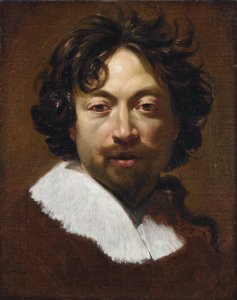
Симон Воюэт
1590 - 1649 , Франция
Основные сведения
- Artistic Movement Or Style: Барокко
- Artists Or Movements Influenced By This Artist: ['Французское барокко']
- Artists Who Influenced This Artist:
- Караваджо
- Паоло Веронезе
- Date Of Birth: Янв 9, 1590
- Date Of Death: Июнь 30, 1649
- Full Name: Simon Vouet
- Nationality: Франция
- Notable Artworks: ['Анотация с Благовещением Святой Маргариты и Святого Ансана']
- Place Of Birth: Париж, Франция