 Предпросмотр
 Поделиться
 Поделиться
 Детали произведения

 Скачать
 Похожие работы
 Рентгенография
 Слайд-шоу
 Статистика
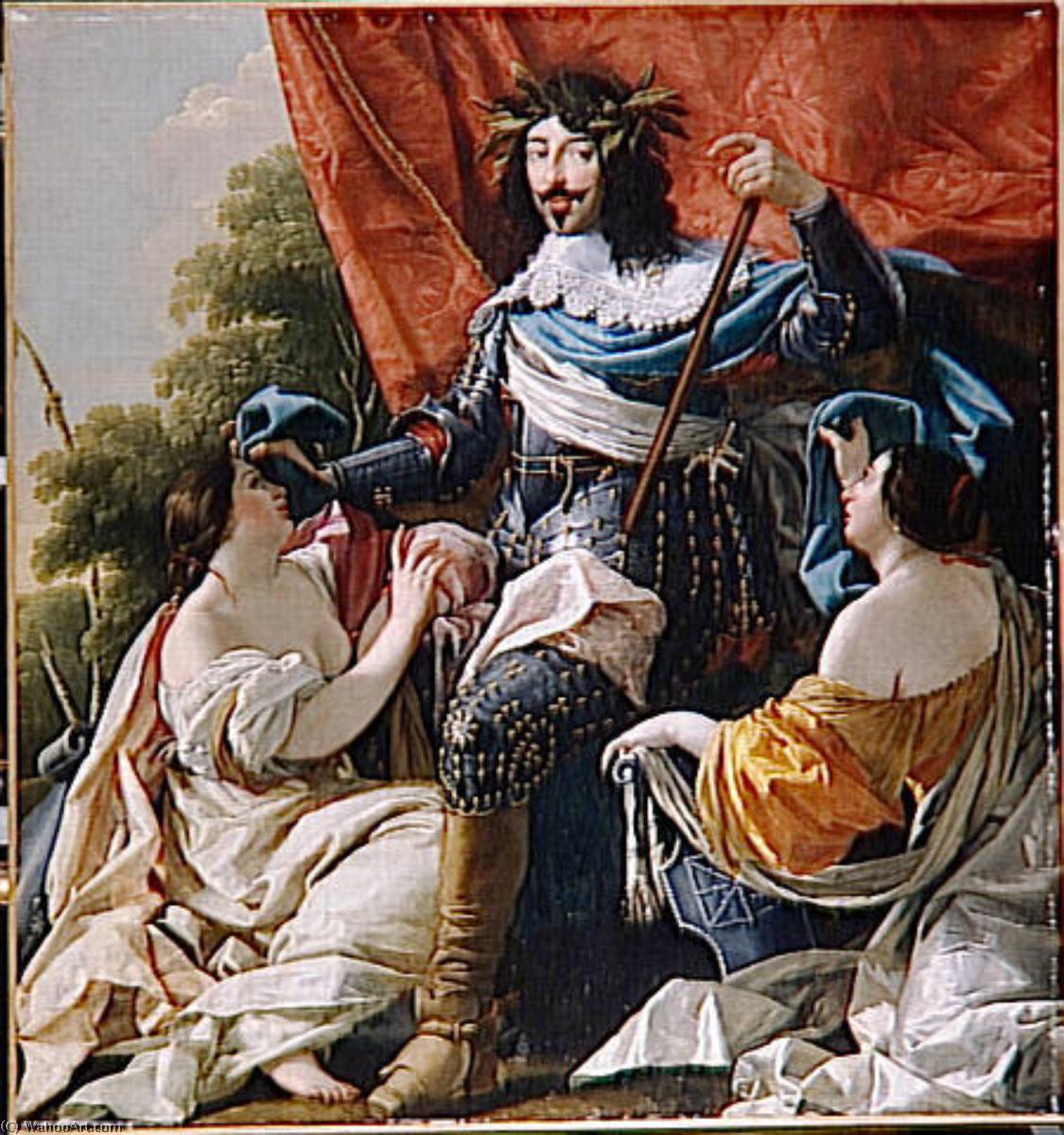
LOUIS XIII ENTRE DEUX FIGURES DE FEMMES SYMBOLISANT LA FRANCE ET LA NAVARRE


 Читать далее
Масляная репродукция ручной работы
Картина маслом на холсте в выбранном вами размере и раме, написанная на заказ нашими художниками. ( Перейти к печати Перейти к цифровым изображениям)




P118B $10

P118H $10

P118W $10

P438Z $10

P508JH $12

P508YH $12

P805H $10

P805Z $10

P919BZ $10

P919G $10

P919XJ $10

P959ZH $10

P968JZ $12

W106C $8

W218G $10

W218JH $8

W218Y $10

W307PJ $10

W316G $10

W316PJ $8

W316Y $10

W398PJ $8

W4111J $10

W500HY $15

W500JH $15

W692G $12

W849H $8

W940BG $15

W953PJ $8




Выберите один из наших стандартных размеров, соответствующих оригинальным пропорциям произведения искусства.

Вы можете указать собственные размеры, чтобы картина идеально вписалась в выбранную раму или пространство. Если выбранный вами размер не соответствует пропорциям оригинала, мы либо обрежем полотно, либо расширим его за счет дополнительных элементов, написанных вручную. Цифровой макет будет отправлен вам на утверждение перед началом производства.
Обратите внимание, что предварительный просмотр на экране не отражает фактическую обрезку или расширение. Только макет точно покажет окончательную композицию.
Хотя доступны индивидуальные размеры, мы рекомендуем выбирать вариант из предопределенного списка, чтобы сохранить исходные пропорции.
После оформления заказа команда ArtsDot.com свяжется с клиентом по электронной почте для уточнения деталей и предоставит предварительный макет
Доставка по всему миру () за 3–4 недели вместо стандартных 5 недель. (13 Сентябрь). Без компромиссов в качестве.

Бесплатная экспресс-доставка по всему миру

Высококачественный льняной холст

Полное страхование доставки

Гарантия возмещения таможенных пошлин

Гарантия точного соответствия цветов

100-дневная политика возврата (только при обнаружении дефектов)

Гарантия возврата 100% средств

Предложение оптовых скидок
 Вариант со стеклом доступен только для размеров менее 110 см

LOUIS XIII ENTRE DEUX FIGURES DE FEMMES SYMBOLISANT LA FRANCE ET LA NAVARRE
Техника репродукции
Размер репродукции
-


Итоговая стоимость
$ 263
A Royal Allegory in Motion
In the grand tapestry of seventeenth-century French history, few images capture the essence of sovereign power and political aspiration as vividly as Simon Vouet’s Louis XIII entre deux figures de femmes symbolisant la France et la Navarre. Painted between 1636 and 1638, this monumental masterpiece serves as much more than a mere portrait; it is a profound political manifesto rendered in oil. At its heart stands King Louis XIII, depicted with the commanding presence of a monarch navigating a turbulent era. He is not alone, however, but flanked by two ethereal female figures who serve as living emblems of his realm—France and Navarre. This clever use of personification transforms a royal likeness into a sweeping narrative of territorial unity and dynastic legitimacy, making it an irresistible centerpiece for any collection focused on the grandeur of the Baroque era.
The composition is a masterclass in the dramatic tension characteristic of the French Baroque. Vouet, a pioneer who successfully bridged the gap between the intricate elegance of Mannerism and the robust energy of the Baroque, utilizes a sophisticated interplay of light and shadow to command the viewer's gaze. Through his expert application of chiaroscuro, the King’s armored figure emerges from the depths of the canvas with a sculptural weight, while the surrounding figures are bathed in a light that feels both divine and theatrical. The texture of the painting is further enriched by a velvety impasto technique, which lends a tactile, three-dimensional quality to the fabrics and metalwork, inviting the eye to linger on the meticulous craftsmanship that defines Vouet’s legendary skill.
Symbolism and the Weight of History
To gaze upon this work is to witness the strategic diplomacy of the Bourbon dynasty. During the reign of Louis XIII, France was a nation striving for stability amidst religious upheaval and shifting European alliances. By positioning the King between the personifications of France and Navarre, Vouet communicates a message of consolidated strength and the successful elevation of Navarre into a royal duchy. The presence of the flag held by the monarch adds an unmistakable layer of authority and triumph, suggesting a ruler who is not only a protector of his lands but a conqueror of chaos. For the discerning collector or interior designer, this painting offers a profound sense of historical gravity, bringing the intellectual depth of the 17 and century into a contemporary space.
Beyond its political utility, the artwork possesses an emotional resonance that transcends time. There is a palpable sense of ceremony in the way the figures kneel, creating a rhythmic flow that guides the viewer through the intricate courtly scene. The background, populated by the subtle presence of the royal entourage, adds a layer of atmospheric grandeur, suggesting the bustling life of a palace without distracting from the central drama. Whether displayed in a stately library or as a focal point in a sophisticated salon, a high-quality reproduction of this Vouet masterpiece provides an unparalleled opportunity to infuse a room with the elegance, prestige, and dramatic spirit of the French Golden Age.
Похожие произведения
Биография художника
Simon Vouet: A Pioneer of French Baroque Painting
Simon Vouet was a pivotal figure in the transition of French painting from Mannerism to the Baroque style—a transformation that fundamentally reshaped the artistic landscape of France and cemented his place as one of the most important artists of the seventeenth century. Born into an artistic family – Laurent Vouet, his father, was himself a painter – Simon received early training that instilled in him a deep appreciation for artistic innovation and meticulous craftsmanship. His grandson, Ludovico Dorigny, would continue the Vouet lineage’s dedication to art, ensuring the preservation of their distinctive aesthetic vision.Early Career and Italian Influences (1608-1627)
Vouet's artistic journey began in Paris, where he honed his skills as a portraitist—a profession that would define much of his early career. Demonstrating remarkable talent from a young age, he embarked on a formative trip to England in 1608, commissioned to depict a prominent noble family. This experience exposed him to the burgeoning artistic fervor of Northern Europe and solidified his reputation as a rising star. However, Vouet’s ambitions extended beyond national borders; he eagerly embraced opportunities for exploration and learning abroad. His fascination with Italian art culminated in a momentous decision: in 1611, he joined the entourage of Baron de Sancy, France's ambassador to the Ottoman Empire—a journey that transported him to Constantinople and subsequently to Venice in 1612. These travels were not merely expeditions for pleasure; they served as invaluable catalysts for artistic growth. In Venice, Vouet immersed himself in the vibrant atmosphere of the Serenissima Republic, absorbing the stylistic precepts championed by Paolo Veronese and Giovanni Battista Tiepolo—artists who epitomized the grandeur and theatricality of the Venetian Baroque. Rome, from 1614 to 1627, proved to be Vouet’s crucible – a period of intense artistic experimentation and profound intellectual engagement. He resided within the epicenter of Baroque innovation, surrounded by luminaries such as Caravaggio, Guido Reni, Lanfranco, and Domenichino. These masters profoundly influenced Vouet's stylistic sensibilities, prompting him to meticulously analyze their techniques—particularly their masterful use of chiaroscuro (the dramatic interplay of light and shadow)—and to incorporate elements of Mannerism into his compositions. He wasn’t merely imitating; he was synthesizing disparate influences into a singular artistic idiom that would become his hallmark.Development of Vouet’s Distinctive Style
The culmination of Vouet's Italian sojourn arrived in 1624 when he ascended to the presidency of Accademia di San Luca—Rome’s premier art institution—a prestigious honor reflecting both his exceptional skill and the recognition accorded him by fellow artists. This position afforded him unparalleled access to artistic discourse and enabled him to champion innovative approaches to painting. During this time, Vouet perfected a style characterized by its remarkable ability to absorb and transform diverse influences into a cohesive whole. He achieved this feat through painstaking observation of nature—a practice that informed his meticulous rendering of drapery folds and anatomical detail—and by embracing the principles of di sotto in su (foreshortened perspective), pioneered by Veronese, which created an illusion of depth and grandeur.Major Achievements and Legacy
Upon returning to France in 1627, Vouet immediately established himself as a leading figure in Parisian artistic circles—a role he would maintain until his death in 1649. He was appointed *Premier peintre du Roi* (First Painter to the King)—a position of considerable prestige and influence—by Louis XIII—who recognized Vouet’s unparalleled talent and unwavering dedication to artistic excellence. This patronage afforded him access to royal commissions that allowed him to produce monumental paintings adorning Versailles and other palaces, solidifying his reputation as a master of decorative art. Vouet's workshop flourished during his lifetime, nurturing the careers of numerous aspiring artists—among them Charles Le Brun, Valentin de Boulogne, Pierre Mignard, Eustache Le Sueur, Claude Mellan—who would carry Vouet’s stylistic legacy throughout France. His influence extended beyond individual works; he established a distinctively Baroque school of painting that profoundly shaped the artistic sensibilities of subsequent generations. Vouet's enduring contribution to French art lies in his role as a catalyst for stylistic innovation and in his unwavering commitment to upholding the highest standards of artistic craftsmanship—a testament to his place among the titans of seventeenth-century European painting.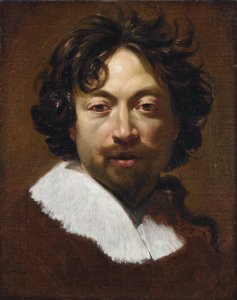
Симон Воюэт
1590 - 1649 , Франция
Основные сведения
- Artistic Movement Or Style: Барокко
- Artists Or Movements Influenced By This Artist: ['Французское барокко']
- Artists Who Influenced This Artist:
- Караваджо
- Паоло Веронезе
- Date Of Birth: Янв 9, 1590
- Date Of Death: Июнь 30, 1649
- Full Name: Simon Vouet
- Nationality: Франция
- Notable Artworks: ['Анотация с Благовещением Святой Маргариты и Святого Ансана']
- Place Of Birth: Париж, Франция
Похожие статьи
Simon Vouet: A Baroque Master's Journey from Italian Influence to French Classicism
Explore the life & art of Simon Vouet, a pivotal French Baroque painter who introduced Italian styles to France. Discover his masterpieces and lasting influence on 17th-century art.

10 Шедевров Барокко: Искусство, изменившее мир | ArtsDot.com
Погрузитесь в мир барокко! 10 шедевров Караваджо, Рембрандта и других великих художников. Узнайте историю создания культовых картин и найдите идеальную репродукцию для вашего интерьера на ArtsDot.com

The Dramatic Flourish: Exploring the Baroque Movement's Enduring Legacy in Art History
Explore the dramatic world of Baroque art! Discover iconic artists like Caravaggio & Rubens, defining techniques, and its lasting impact on art history. Expert insights for collectors & enthusiasts at ArtsDot.

Барочная драма: Искусство величия в современном интерьере
Погрузитесь в мир роскоши и величия барокко! Узнайте об истории стиля, ключевых элементах интерьера и архитектуре. Вдохновляйтесь с и создайте свой неповторимый дизайн.
Charles Le Brun: Master of French Baroque Classicism & His Enduring Legacy
Explore the life & art of Charles Le Brun, master of French Baroque Classicism. Discover his royal commissions, influence on Versailles, and enduring legacy through detailed analysis & stunning artworks.