

 Предпросмотр
 Поделиться
 Поделиться
 Детали произведения

 Скачать
 Похожие работы
 Рентгенография
 Слайд-шоу
 Статистика
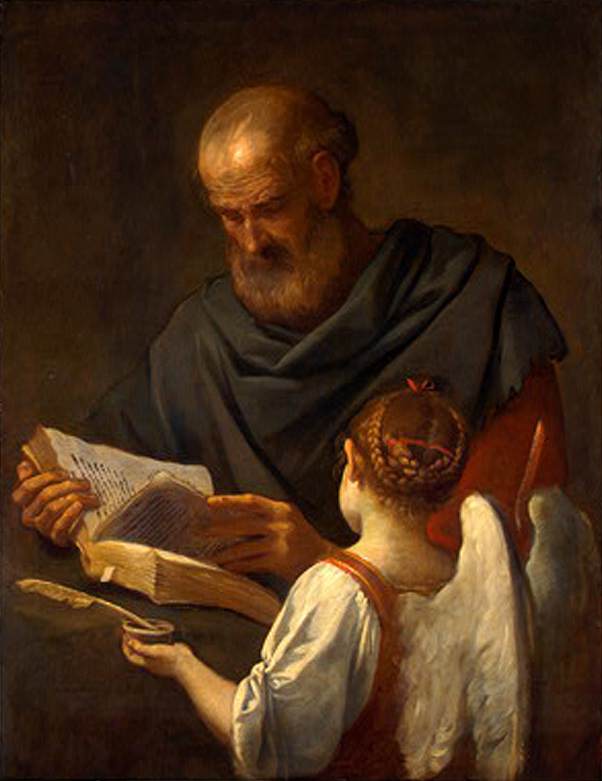
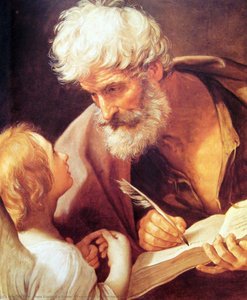
Saint Matthew and the Angel
 Oil On Canvas
- WallArt
- Italian Baroque
 1645
1645- Early Modern
 116.0 x 90.0 cm
 Национальная галерея искусств
 Читать далее
Приобретите цифровое изображение высокого разрешения в улучшенном качестве, которое значительно превосходит онлайн-превью.
Каждый файл тщательно подготавливается нашими специалистами с использованием передовых инструментов и экспертной ручной ретуши. Мы гарантируем исключительную четкость, точную цветопередачу и детальную проработку каждого изображения.
Финальный файл доставляется по электронной почте в течение 72 часов и оптимизирован для немедленного использования в профессиональной среде, при верстке и печати. Это тот же уровень качества, которому доверяют ведущие дизайнерские студии, издательства и галереи.
Цифровое изображение
Скачайте файл высокого разрешения для личного использования, печати и творческих проектов. ( Перейти к печати Купить картину ручной работы)
Включено в каждый заказ цифровых изображений
Гарантия экспертной цифровой доставки
Выбирая ArtsDot.com, вы получаете не просто изображение — вы приобретаете профессионально обработанное цифровое произведение искусства, созданное с безупречной точностью и под защитой гарантии качества. Вот всё, что автоматически входит в ваш заказ:

Мгновенная доставка по e-mail
Ваш цифровой файл в высоком разрешении будет отправлен вам по электронной почте в течение 72 часов после оформления заказа — и сразу станет доступен для использования.

Цифровой файл с ИИ-улучшением
Ваше произведение искусства проходит профессиональную оптимизацию с использованием передовых инструментов ИИ и ручной обработки, что гарантирует максимальную детализацию, четкость и точность цветопередачи.

Бессрочная бесплатная повторная доставка
Случайно удалили или потеряли файл? Не беспокойтесь — мы отправим его вам повторно в любое время и совершенно бесплатно.

Без импортных пошлин — навсегда
Наслаждайтесь вашим произведением искусства мгновенно без таможенных пошлин, сборов или затрат на доставку — цифровые загрузки всегда не облагаются налогом.

Гарантия точности цветопередачи
Мы гарантируем, что ваше цифровое изображение максимально точно передает оригинальные цвета благодаря использованию профессиональных инструментов и систем управления цветом.

Гарантия удовлетворенности 100 дней
Если вы не будете удовлетворены своим цифровым изображением, мы внесем правки или вернем 100% стоимости в течение 100 дней — без лишних вопросов.

100% Гарантия возврата средств
Не удовлетворены покупкой? Получите полный возврат средств в течение 100 дней после получения цифрового файла — без лишних вопросов.

Скидки на оптовые заказы
Купите 3 изображения, сэкономьте 10% — Купите 5, сэкономьте 15% — Купите 10+, сэкономьте 20%. Отличное решение для творческих проектов, галерей и агентств.
Simone Cantarini: Bridging Bolognese Classicism and Caravaggistic Drama
Simone Cantarini (1612 – 1648), born in Pesaro, represents a fascinating crossroads within the Italian Baroque—a painter who defied easy categorization, synthesizing influences from Bologna’s refined classical tradition with the visceral energy of Caravaggio's dramatic naturalism. While biographical details remain sparse, his prodigious talent and unwavering dedication to mastering his craft are undeniable, evidenced by his prolific output across various mediums, including history paintings, portraits, and etchings. His father, Girolamo Cantarini, a prosperous merchant, fostered Simone’s artistic pursuits, providing him with both financial stability and exposure to intellectual currents circulating in Pesaro’s cultural landscape.A Synthesis of Styles: Bolognese Influence and Venetian Naturalism
Cantarini's formative years were spent primarily in Bologna, where he studied under Guido Reni—a pivotal figure who championed a humanist aesthetic rooted in idealized forms and serene compositions. This Bolognese sensibility profoundly shaped Cantarini’s artistic vision, informing his meticulous attention to detail and his commitment to achieving visual harmony. However, Cantarini wasn't merely replicating established conventions; he actively engaged in dialogue with Venetian artists like Tintoretto and Veronese, absorbing their penchant for theatrical lighting and dynamic spatial arrangements—elements that would later characterize his own distinctive style. This blending of Bolognese classicism and Venetian naturalism distinguishes Cantarini from many of his contemporaries, establishing him as a truly innovative artist.The Dramatic Power of Caravaggism
Perhaps the most significant influence on Cantarini’s oeuvre was Caravaggio—whose revolutionary technique of *tenebrismo*, characterized by stark contrasts between light and darkness, captivated audiences across Europe. Caravaggio's uncompromising realism and expressive use of chiaroscuro profoundly impacted Cantarini’s approach to painting, prompting him to adopt similar dramatic devices in his compositions. This stylistic appropriation is particularly evident in works depicting biblical narratives—where Cantarini skillfully employs tenebrismo to heighten emotional intensity and convey a sense of spiritual urgency. The resulting images resonate with palpable pathos, capturing the psychological complexities inherent in human experience.Saint Matthew and the Angel: A Portrait Steeped in Symbolism
Consider Simone Cantarini’s “Saint Matthew and the Angel,” completed around 1645-48. This monumental history painting exemplifies Cantarini's masterful synthesis of artistic styles, demonstrating his ability to convey profound theological ideas through visual eloquence. The composition—featuring Saint Matthew illuminated by a radiant halo—is meticulously crafted according to Bolognese principles of balance and proportion. Yet, Caravaggistic drama permeates the scene, achieved through dramatic lighting that casts deep shadows across Matthew’s face and drapery, emphasizing his vulnerability and conveying a sense of solemn contemplation. The angel's outstretched hand symbolizes divine grace—a gesture of reassurance and compassion directed toward Matthew—underscoring the painting’s overarching theme of spiritual redemption.A Legacy of Innovation
Simone Cantarini remains an artist whose work continues to inspire admiration for its technical brilliance and expressive depth. His brief but impactful career cemented his reputation as a pioneer of Baroque art, establishing him as one of Italy's most gifted painters—a figure who transcended stylistic boundaries and forged a path toward artistic innovation that resonates powerfully even today. The enduring fascination with “Saint Matthew and the Angel” testifies to Cantarini’s ability to capture not only visual beauty but also the profound emotional truths underlying human faith and spirituality.Похожие произведения



Биография художника
A Synthesis of Styles: The Life and Art of Simone Cantarini
Simone Cantarini, born in Pesaro in 1612 and tragically lost to mysterious circumstances in Mantua in 1648, remains a compelling figure within the Italian Baroque. Often referred to as Simone da Pesaro or *il Pesarese*, his brief but intensely productive career was marked by a remarkable ability to synthesize diverse artistic influences into a uniquely personal style. He wasn’t merely echoing the masters who came before him; he was actively engaging in a dialogue with them, forging a path that blended Bolognese classicism with the vibrant naturalism emerging from Venice and the dramatic intensity of Caravaggism. Cantarini's father, Girolamo, was a prosperous merchant, providing a stable foundation for his son’s artistic pursuits, though details of Simone’s early childhood remain scarce. What is clear is that he possessed an innate talent and a relentless drive to master his craft.Formative Years: From Pesaro to Bologna
Cantarini's artistic journey began with likely tutelage under Giovanni Giacomo Pandolfi in Pesaro, absorbing the fundamentals of technique and the prevailing local aesthetic. However, it was a sojourn to Venice that truly broadened his horizons. There, he encountered the late-Mannerism of Sante Peranda and honed his draughtsmanship skills under Francesco Mingucci, immersing himself in the city’s rich artistic atmosphere. This Venetian exposure instilled within him an appreciation for color, texture, and dynamic composition – elements that would become hallmarks of his mature work. A pivotal period followed with Claudio Ridolfi, who guided Cantarini towards a deeper understanding of Venetian style and fostered an admiration for Federico Barocci's lyrical grace. Following Ridolfi’s departure, Cantarini embarked on a period of largely self-directed study, meticulously examining the works of the Carracci brothers, Orazio Gentileschi, and Giovanni Francesco Guerrieri. This independent exploration allowed him to refine his artistic vision and develop a distinctive voice. The turning point arrived with an encounter with Guido Reni’s *Madonna and Child with Saints Thomas and Jerome* in Pesaro Cathedral. Captivated by its elegance and spiritual depth, Cantarini traveled to Bologna around 1634 to study under the master himself. While he excelled within Reni's studio, particularly in etching, tensions arose due to his independent spirit and a growing critique of Reni’s later stylistic choices.A Distinctive Artistic Voice: Paintings and Prints
Cantarini quickly established himself as a painter of considerable skill and originality. Early masterpieces like *St Peter Healing the Lame Man* (Fano) already demonstrate the influence of Guido Reni, yet possess a burgeoning naturalism that sets them apart. Notable paintings such as *The Immaculate Conception with Saints* (Pinacoteca Nazionale di Bologna), *Saint Rita of Cascia* (Pesaro), and *Allegory of Painting* (National Museum, Warsaw) showcase his mastery of composition, color, and expressive figuration. His canvases are characterized by a dynamic interplay between classical form and dramatic realism, often imbued with a palpable sense of emotion. However, Cantarini’s contributions extend far beyond painting. He was an exceptionally gifted etcher, renowned for the delicacy and luminosity of his prints. He produced numerous etchings after works by Reni and others, but also created original compositions that demonstrate his technical virtuosity and artistic sensibility. These etchings played a significant role in disseminating his style and contributed to the development of printmaking techniques during the 17th century.Legacy and Shadows: A Complex Reputation
Simone Cantarini’s artistic legacy is one of innovation and synthesis. He carved out a unique space for himself within the Italian Baroque, blending diverse influences into a cohesive and compelling style. His ability to balance classical ideals with naturalistic observation, coupled with his exceptional etching skills, cemented his position as a significant figure in 17th-century art. However, his reputation was somewhat clouded by his contentious relationship with Guido Reni and reports of a scandalous death in Mantua – allegedly poisoned following a dispute over the Gonzaga collection. These stories, while adding an element of intrigue to his biography, should not overshadow his artistic achievements. While perhaps not as widely celebrated as some of his contemporaries, Cantarini’s work profoundly influenced later generations of Italian artists through its innovative style and technical mastery. He remains a testament to the power of individual vision and the enduring allure of Baroque art. His paintings and etchings continue to captivate viewers with their beauty, drama, and emotional depth, ensuring that his artistic voice will resonate for years to come.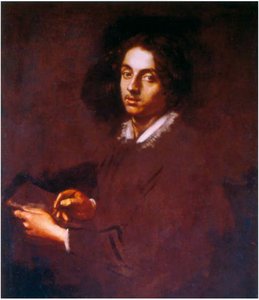
Симоне Кантарини
1612 - 1648 , Италия