

 Поделиться
 Поделиться
 Детали произведения

 Скачать
 Похожие работы
 Слайд-шоу
 Статистика
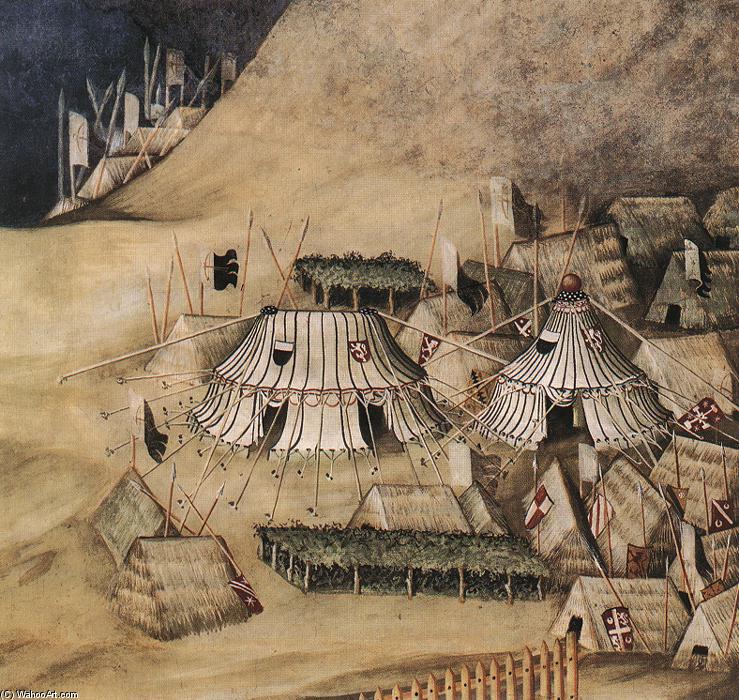
Guidoriccio da Fogliano (detail)


 Читать далее
Приобретите цифровое изображение высокого разрешения в улучшенном качестве, которое значительно превосходит онлайн-превью.
Каждый файл тщательно подготавливается нашими специалистами с использованием передовых инструментов и экспертной ручной ретуши. Мы гарантируем исключительную четкость, точную цветопередачу и детальную проработку каждого изображения.
Финальный файл доставляется по электронной почте в течение 72 часов и оптимизирован для немедленного использования в профессиональной среде, при верстке и печати. Это тот же уровень качества, которому доверяют ведущие дизайнерские студии, издательства и галереи.
Цифровое изображение
Скачайте файл высокого разрешения для личного использования, печати и творческих проектов. ( Перейти к печати Купить картину ручной работы)
Включено в каждый заказ цифровых изображений
Гарантия экспертной цифровой доставки
Выбирая ArtsDot.com, вы получаете не просто изображение — вы приобретаете профессионально обработанное цифровое произведение искусства, созданное с безупречной точностью и под защитой гарантии качества. Вот всё, что автоматически входит в ваш заказ:

Мгновенная доставка по e-mail
Ваш цифровой файл в высоком разрешении будет отправлен вам по электронной почте в течение 72 часов после оформления заказа — и сразу станет доступен для использования.

Цифровой файл с ИИ-улучшением
Ваше произведение искусства проходит профессиональную оптимизацию с использованием передовых инструментов ИИ и ручной обработки, что гарантирует максимальную детализацию, четкость и точность цветопередачи.

Бессрочная бесплатная повторная доставка
Случайно удалили или потеряли файл? Не беспокойтесь — мы отправим его вам повторно в любое время и совершенно бесплатно.

Без импортных пошлин — навсегда
Наслаждайтесь вашим произведением искусства мгновенно без таможенных пошлин, сборов или затрат на доставку — цифровые загрузки всегда не облагаются налогом.

Гарантия точности цветопередачи
Мы гарантируем, что ваше цифровое изображение максимально точно передает оригинальные цвета благодаря использованию профессиональных инструментов и систем управления цветом.

Гарантия удовлетворенности 100 дней
Если вы не будете удовлетворены своим цифровым изображением, мы внесем правки или вернем 100% стоимости в течение 100 дней — без лишних вопросов.

100% Гарантия возврата средств
Не удовлетворены покупкой? Получите полный возврат средств в течение 100 дней после получения цифрового файла — без лишних вопросов.

Скидки на оптовые заказы
Купите 3 изображения, сэкономьте 10% — Купите 5, сэкономьте 15% — Купите 10+, сэкономьте 20%. Отличное решение для творческих проектов, галерей и агентств.
A Window into Medieval Siena: The Elegance of Simone Martini
To gaze upon this exquisite detail from Simone Martini’s Guidoriccio da Fogliano is to step through a portal into the golden age of Sienese artistry. Painted around 1328, this work transcends mere historical documentation; it embodies the very essence of a civilization at its zenith. The scene captures a vibrant, bustling village atmosphere, where the air seems to hum with the energy of a significant gathering. Tents, adorned with fluttering flags that dance against the sky, suggest a moment of both celebration and strategic importance. Within this landscape, figures move with a rhythmic grace, scattered throughout the encampment, creating a sense of lived experience that feels remarkably immediate even centuries later.
Martini’s mastery is most evident in his sophisticated use of color and light. The palette is dominated by tranquil, cool blues and verdant greens, establishing a serene backdrop that allows the individual elements of the composition to emerge with startling clarity. One cannot help but be captivated by the meticulous rendering of drapery and fabric; through a technique reminiscent of grisaille, Martini utilized subtle tonal gradations to imbue every fold with palpable texture and volume. This profound understanding of light and shadow serves as a cornerstone of his realism, providing a sense of weight and presence that would become a defining characteristic of the transition from the Medieval period toward the burgeoning humanist spirit of the Renaissance.
Symbolism and the Spirit of Governance
Beyond its breathtaking technical prowess, the painting is steeped in profound symbolic resonance, making it a masterpiece of political and religious allegory. The tents that dot the landscape are not merely shelters; they serve as potent emblems of hospitality and welcome, mirroring the protective role of the Church as the nurturer of Christendom. This layer of spiritual meaning is woven seamlessly into the worldly narrative of the scene. Furthermore, the presence of the horse on the periphery acts as a visual allusion to nobility and strength—a direct tribute to Guidoriccio da Fogliano himself, the influential commander whose victories for the Republic of Siena merited such monumental commemoration.
For the discerning collector or interior designer, this piece offers more than just aesthetic beauty; it provides a narrative of power, faith, and human endeavor. The composition skillfully integrates these complex themes, elevating the work from a simple topographical representation to a meditative study on governance and the beauty found in historical triumph. It is an artwork that commands attention, offering a sophisticated focal point for any space dedicated to the appreciation of fine art history and classical elegance.
Биография художника
A Sienese Master of Elegance and Grace
Simone Martini, born around 1284 in the heart of Siena, Italy, stands as a pivotal figure in the transition from medieval to Renaissance art. He wasn’t merely a painter; he was an architect of elegance, a master of line and color who infused his works with a courtly refinement that distinguished him from contemporaries like Giotto. While historical accounts vary regarding his early training—some suggest apprenticeship under Duccio di Buoninsegna, the leading Sienese artist of the time, while others point to Florence and the influence of Giotto—Martini undeniably forged a unique artistic path. His brother-in-law, Lippo Memmi, was also an artist with whom he frequently collaborated, further enriching the vibrant artistic landscape of Siena. The city itself played a crucial role in shaping Martini’s aesthetic; Siena, a thriving center of commerce and culture, fostered an environment where art flourished, blending religious devotion with worldly sophistication.The Flourishing of International Gothic
Martini's style is immediately recognizable for its departure from the more monumental forms favored in Florence. He embraced a delicate sensibility, characterized by flowing lines, soft decorative details, and an overall sense of grace. This aesthetic wasn’t born in isolation; it was profoundly influenced by external forces. The Via Francigena, a major pilgrimage route traversing Europe, brought with it artistic currents from France—particularly the refined elegance of French manuscript illumination and ivory carving. These influences are readily apparent in Martini's work, manifesting as intricate patterns, elongated figures, and a heightened attention to surface ornamentation. He didn’t simply copy these styles; he synthesized them with existing Sienese traditions, creating something entirely new. His paintings weren’t merely representations of religious scenes but rather elegant narratives imbued with emotional depth and visual poetry. The *Saint Louis of Toulouse Crowning His Brother Robert of Anjou*, painted in 1317 during a sojourn in Naples, exemplifies this masterful blend of narrative skill and refined composition. The work showcases Martini’s ability to depict complex scenes with clarity and grace, while simultaneously imbuing them with a sense of courtly splendor.From Siena to Avignon: A Courtly Appointment
Martini's reputation extended beyond the borders of Italy, leading to a significant turning point in his career. In 1336, he accepted a commission from Pope Benedict XII to create frescoes for the Papal Palace in Avignon, France—a move that placed him at the heart of European power and patronage. This appointment wasn’t merely about artistic skill; it was a testament to Martini's ability to cater to the tastes of a sophisticated courtly audience. While in Avignon, he entered into a remarkable intellectual circle, befriending Francesco Petrarca—better known as Petrarch, the renowned humanist poet. The connection with Petrarch is particularly poignant, as Vasari and other sources suggest that Martini painted a portrait of Laura de Noves, Petrarch’s lifelong muse. Though the portrait itself is lost to time, its very existence speaks volumes about Martini's status as a celebrated artist capable of capturing not only physical likeness but also the essence of beauty and inspiration. The *Annunciation with St. Margaret and St. Ansanus*, created during his time in Florence before moving to Avignon, showcases delicate beauty and refined aesthetic.Major Works and Artistic Techniques
Martini’s oeuvre is characterized by a remarkable range of subjects and styles, reflecting the diverse influences that shaped his artistic development. Among his most celebrated works are the *Maestà* (1315-1326), a monumental fresco depicting the Virgin Mary enthroned before angels and saints; the *Annunciation* (c. 1333), a masterpiece of delicate detail and emotional expression; and the *Saint Catherine of Alexandria Polyptych* (c. 1315-1320), a complex and richly decorated panel painting that showcases Martini’s mastery of color, composition, and narrative storytelling. His technical skill is evident in his meticulous rendering of fabrics, jewels, and architectural details, as well as his innovative use of perspective and spatial relationships. Martini's paintings are renowned for their luminous colors, achieved through the careful layering of thin glazes of tempera paint—a technique that allowed him to create a sense of depth and atmosphere.Legacy and Enduring Influence
Simone Martini’s impact on the development of European art cannot be overstated. He played a crucial role in disseminating the International Gothic style—a movement characterized by its elegance, refinement, and emphasis on decorative detail—across the continent. His influence extended to generations of artists who followed, shaping the course of late medieval and early Renaissance painting. Martini’s work wasn't simply about technical skill; it was about creating a visual language that resonated with the sensibilities of his time—a language of beauty, grace, and spiritual devotion. Even today, his paintings continue to captivate viewers with their exquisite detail, harmonious compositions, and enduring sense of elegance. His frescoes in San Francesco d’Assisi demonstrate his mastery of large-scale decorative painting, while works like the *Saint Louis of Toulouse Crowning His Brother Robert of Anjou* showcase his unparalleled command of color and form. Simone Martini died in Avignon in 1344, leaving behind a legacy that continues to inspire awe and admiration centuries later—a testament to the enduring power of art to transcend time and touch the human spirit.
Сильване Мартини
1284 - 1344 , Италия
Основные сведения
- Artistic Movement Or Style: Международный готический
- Artists Or Movements Influenced By This Artist: ['Международный готический стиль']
- Artists Who Influenced This Artist:
- Дуччо ди Буонавенна
- Джованни Гиотто
- Date Of Birth: ок. 1284
- Date Of Death: 1344
- Full Name: Simone Martini
- Nationality: Итальянский
- Notable Artworks:
- Маэста
- Благовещение
- Святой Иоанн
- Place Of Birth: Сиена, Италия