 Предпросмотр
 Поделиться
 Поделиться
 Детали произведения

 Скачать
 Похожие работы
 Рентгенография
 Слайд-шоу
 Статистика
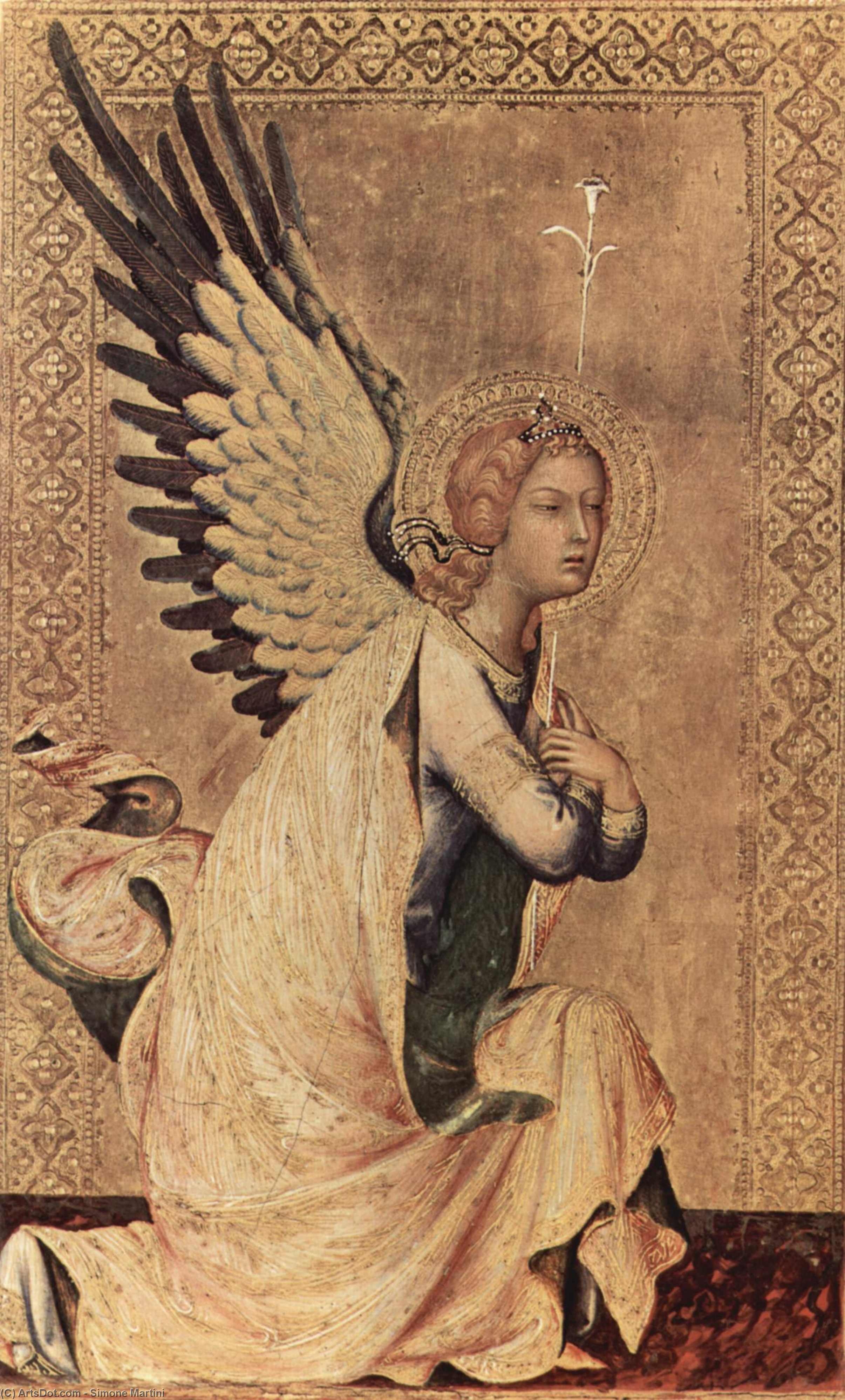
The Angel of the Annunciation 1


 Читать далее
Жикле / Арт-принт
Печать (жикле) или холст музейного качества с быстрыми сроками изготовления и широким выбором вариантов отделки. ( Купить картину ручной работы Перейти к цифровым изображениям)




P118B $10

P118H $10

P118W $10

P438Z $10

P508JH $12

P508YH $12

P805H $10

P805Z $10

P919BZ $10

P919G $10

P919XJ $10

P959ZH $10

P968JZ $12

W106C $8

W218G $10

W218JH $8

W218Y $10

W307PJ $10

W316G $10

W316PJ $8

W316Y $10

W398PJ $8

W4111J $10

W500HY $15

W500JH $15

W692G $12

W849H $8

W940BG $15

W953PJ $8




Выберите один из наших стандартных размеров, соответствующих оригинальным пропорциям произведения искусства.

Вы можете указать свои собственные размеры, чтобы репродукция идеально подошла под конкретную раму или пространство. Если выбранный вами размер не будет соответствовать пропорциям оригинала, мы либо обрежем произведение, либо дополним изображение зеркальным отражением краев или однотонной заливкой. Перед началом производства вам будет отправлен цифровой макет для утверждения.
Пожалуйста, обратите внимание, что предварительный просмотр на экране не отображает фактическую обрезку или расширение изображения. Только макет точно покажет финальную композицию.
Несмотря на возможность заказа индивидуальных размеров, мы рекомендуем выбирать размер из предопределенного списка, чтобы сохранить оригинальные пропорции.
Доставка по всему миру () за 2 недели вместо стандартных 4/5 недель. (10 Сентябрь)

Бесплатная экспресс-доставка по всему миру

Высококачественный льняной холст

Полное страхование доставки

Гарантия возмещения таможенных пошлин

Гарантия точного соответствия цветов

100-дневная политика возврата (только при обнаружении дефектов)

Гарантия возврата 100% средств

Предложение оптовых скидок
 Вариант со стеклом доступен только для размеров менее 110 см

The Angel of the Annunciation 1
Жикле / Арт-принт
Размер репродукции
-


Итоговая стоимость
$ 62
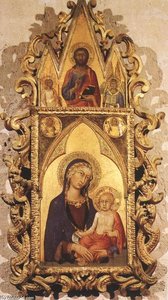
The Angel of the Annunciation 1: A Symphony of Faith and Florentine Elegance
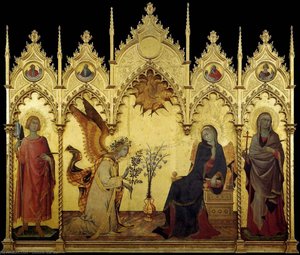
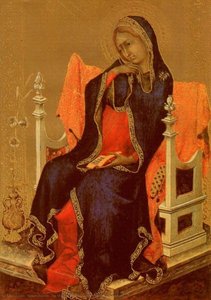
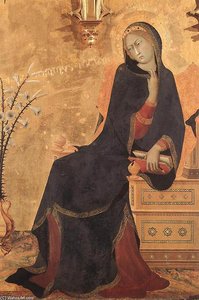
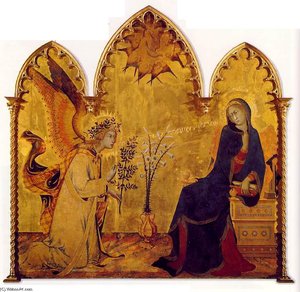
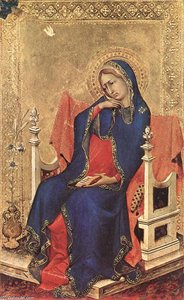
Simone Martini’s “The Angel of the Annunciation,” completed in 1333, transcends mere depiction; it embodies the very essence of Gothic art's zenith – a testament to meticulous craftsmanship and profound spiritual contemplation. Currently residing within the hallowed halls of Florence’s Uffizi Gallery, this painting stands as one of Martini’s undisputed masterpieces, captivating viewers with its luminous palette and exquisitely rendered details that continue to inspire awe centuries later.A Moment Frozen in Time: Narrative Significance
The artwork captures a pivotal biblical narrative – Gabriel announcing to Mary the miraculous conception of Jesus Christ. More than just illustrating scripture, Martini skillfully conveys the palpable emotion of this momentous occasion. Mary’s serene gaze, framed by delicately sculpted robes, speaks volumes about humility and wonder, mirroring the angel's outstretched wings and radiant aureole—symbols of divine grace and celestial majesty. The composition itself is deliberately balanced, guiding the eye towards the central figure while subtly incorporating supporting elements that enrich the overall visual experience.The Gothic Style Embodied: Technique and Materiality
Martini’s artistic vision firmly anchors “The Angel of the Annunciation” within the International Gothic style, a movement characterized by unparalleled realism combined with aristocratic refinement. His mastery is evident in every brushstroke—particularly his masterful use of gold leaf, which bathes the background in an ethereal glow, elevating the painting beyond mere representation into a realm of spiritual illumination. The artist’s painstaking attention to texture – meticulously crafted folds of fabric and feathers – creates a tactile illusion that draws viewers into the scene. Furthermore, Martini employed tempera paint on panel, ensuring exceptional durability and preserving the vibrancy of color for generations to come.Symbolism Illuminated: Angels, Light, and Divine Revelation
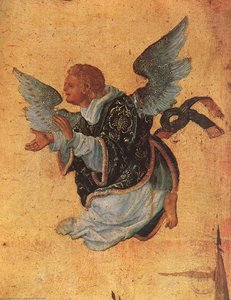
The angel’s pose—kneeling humbly before Mary—represents divine submission and reverence. The outstretched wings symbolize protection and ascension, conveying the angel's role as herald of God’s plan. Gold leaf, beyond its aesthetic brilliance, symbolizes divinity and spiritual enlightenment – reflecting the radiant glory of heaven. Martini’s deliberate use of color contributes to this symbolic resonance; the dominant hues of brown and yellow evoke warmth and solemnity, reinforcing the painting’s devotional character.A Legacy Enduring: Influence and Reproduction
Simone Martini's influence extended far beyond Siena, shaping artistic sensibilities across Europe. His meticulous technique and profound understanding of symbolism established him as a cornerstone of Gothic art and paved the way for subsequent developments in Renaissance painting. Today, discerning collectors can appreciate this iconic artwork through high-quality reproductions available at https://ArtsDot.com/, allowing them to experience Martini’s genius firsthand – or to adorn their homes with a piece of Florentine history. Explore other works by Martini and discover similar artistic treasures at /art/list/?Filter=simoneПохожие произведения
Биография художника
A Sienese Master of Elegance and Grace
Simone Martini, born around 1284 in the heart of Siena, Italy, stands as a pivotal figure in the transition from medieval to Renaissance art. He wasn’t merely a painter; he was an architect of elegance, a master of line and color who infused his works with a courtly refinement that distinguished him from contemporaries like Giotto. While historical accounts vary regarding his early training—some suggest apprenticeship under Duccio di Buoninsegna, the leading Sienese artist of the time, while others point to Florence and the influence of Giotto—Martini undeniably forged a unique artistic path. His brother-in-law, Lippo Memmi, was also an artist with whom he frequently collaborated, further enriching the vibrant artistic landscape of Siena. The city itself played a crucial role in shaping Martini’s aesthetic; Siena, a thriving center of commerce and culture, fostered an environment where art flourished, blending religious devotion with worldly sophistication.The Flourishing of International Gothic
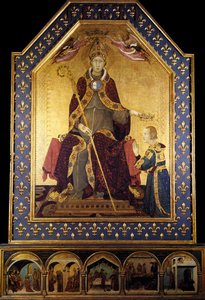
Martini's style is immediately recognizable for its departure from the more monumental forms favored in Florence. He embraced a delicate sensibility, characterized by flowing lines, soft decorative details, and an overall sense of grace. This aesthetic wasn’t born in isolation; it was profoundly influenced by external forces. The Via Francigena, a major pilgrimage route traversing Europe, brought with it artistic currents from France—particularly the refined elegance of French manuscript illumination and ivory carving. These influences are readily apparent in Martini's work, manifesting as intricate patterns, elongated figures, and a heightened attention to surface ornamentation. He didn’t simply copy these styles; he synthesized them with existing Sienese traditions, creating something entirely new. His paintings weren’t merely representations of religious scenes but rather elegant narratives imbued with emotional depth and visual poetry. The *Saint Louis of Toulouse Crowning His Brother Robert of Anjou*, painted in 1317 during a sojourn in Naples, exemplifies this masterful blend of narrative skill and refined composition. The work showcases Martini’s ability to depict complex scenes with clarity and grace, while simultaneously imbuing them with a sense of courtly splendor.From Siena to Avignon: A Courtly Appointment
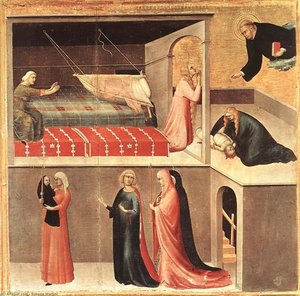
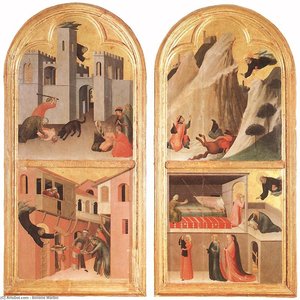
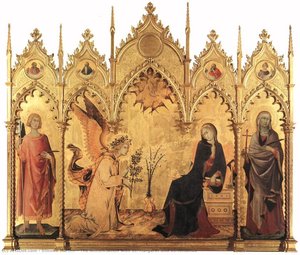
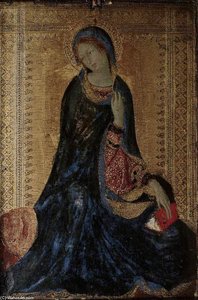
Martini's reputation extended beyond the borders of Italy, leading to a significant turning point in his career. In 1336, he accepted a commission from Pope Benedict XII to create frescoes for the Papal Palace in Avignon, France—a move that placed him at the heart of European power and patronage. This appointment wasn’t merely about artistic skill; it was a testament to Martini's ability to cater to the tastes of a sophisticated courtly audience. While in Avignon, he entered into a remarkable intellectual circle, befriending Francesco Petrarca—better known as Petrarch, the renowned humanist poet. The connection with Petrarch is particularly poignant, as Vasari and other sources suggest that Martini painted a portrait of Laura de Noves, Petrarch’s lifelong muse. Though the portrait itself is lost to time, its very existence speaks volumes about Martini's status as a celebrated artist capable of capturing not only physical likeness but also the essence of beauty and inspiration. The *Annunciation with St. Margaret and St. Ansanus*, created during his time in Florence before moving to Avignon, showcases delicate beauty and refined aesthetic.Major Works and Artistic Techniques
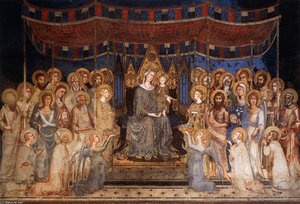
Martini’s oeuvre is characterized by a remarkable range of subjects and styles, reflecting the diverse influences that shaped his artistic development. Among his most celebrated works are the *Maestà* (1315-1326), a monumental fresco depicting the Virgin Mary enthroned before angels and saints; the *Annunciation* (c. 1333), a masterpiece of delicate detail and emotional expression; and the *Saint Catherine of Alexandria Polyptych* (c. 1315-1320), a complex and richly decorated panel painting that showcases Martini’s mastery of color, composition, and narrative storytelling. His technical skill is evident in his meticulous rendering of fabrics, jewels, and architectural details, as well as his innovative use of perspective and spatial relationships. Martini's paintings are renowned for their luminous colors, achieved through the careful layering of thin glazes of tempera paint—a technique that allowed him to create a sense of depth and atmosphere.Legacy and Enduring Influence
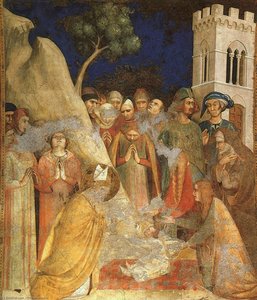
Simone Martini’s impact on the development of European art cannot be overstated. He played a crucial role in disseminating the International Gothic style—a movement characterized by its elegance, refinement, and emphasis on decorative detail—across the continent. His influence extended to generations of artists who followed, shaping the course of late medieval and early Renaissance painting. Martini’s work wasn't simply about technical skill; it was about creating a visual language that resonated with the sensibilities of his time—a language of beauty, grace, and spiritual devotion. Even today, his paintings continue to captivate viewers with their exquisite detail, harmonious compositions, and enduring sense of elegance. His frescoes in San Francesco d’Assisi demonstrate his mastery of large-scale decorative painting, while works like the *Saint Louis of Toulouse Crowning His Brother Robert of Anjou* showcase his unparalleled command of color and form. Simone Martini died in Avignon in 1344, leaving behind a legacy that continues to inspire awe and admiration centuries later—a testament to the enduring power of art to transcend time and touch the human spirit.
Сильване Мартини
1284 - 1344 , Италия
Основные сведения
- Artistic Movement Or Style: Международный готический
- Artists Or Movements Influenced By This Artist: ['Международный готический стиль']
- Artists Who Influenced This Artist:
- Дуччо ди Буонавенна
- Джованни Гиотто
- Date Of Birth: ок. 1284
- Date Of Death: 1344
- Full Name: Simone Martini
- Nationality: Итальянский
- Notable Artworks:
- Маэста
- Благовещение
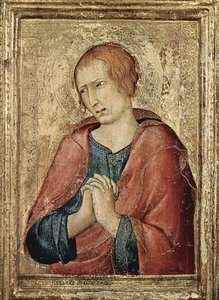
- Святой Иоанн
- Place Of Birth: Сиена, Италия
Похожие статьи
Beyond Borders: The Spiritual & Stylistic Innovations of International Gothic Art
Explore the exquisite beauty & spiritual depth of International Gothic art. Discover key artists like Simone Martini & Pol de Limbourg, its origins, symbolism, and lasting influence on European painting. Expert insights at ArtsDot.
The Radiant Dusk of Medieval Vision: Exploring Late Gothic Art's Synthesis of Faith, Form & Emotionality (c. 1300-1500)
Explore the exquisite beauty & spiritual depth of Late Gothic art (c. 1300-1500). Discover key artists, symbolism, and its lasting influence on the Renaissance. Expert insights at ArtsDot.
Celestial Messengers: A Comprehensive Exploration of Angelic Representation in Art History
Explore the captivating history of angels in art! Discover symbolism, iconic Renaissance masterpieces & renowned artists. Expert insights for art lovers & collectors at ArtsDot.
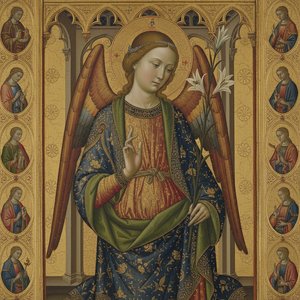
Simone Martini: Innovation, Spirituality & Courtly Refinement in Sienese Painting
Explore the captivating world of Simone Martini, a pivotal figure in Sienese painting & the International Gothic style. Discover his innovative techniques, spiritual depth, and lasting influence on early Renaissance art.
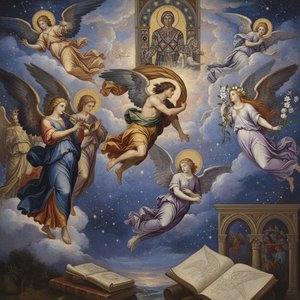
Celestial Messengers: Angels in Painting – A Historical & Artistic Exploration
Explore the captivating history of angels in painting! Discover symbolism, iconic Renaissance & Byzantine masterpieces, and renowned artists. Expert insights for art lovers & collectors at ArtsDot.