 Предпросмотр
 Поделиться
 Поделиться
 Детали произведения

 Скачать
 Похожие работы
 Рентгенография
 Слайд-шоу
 Статистика
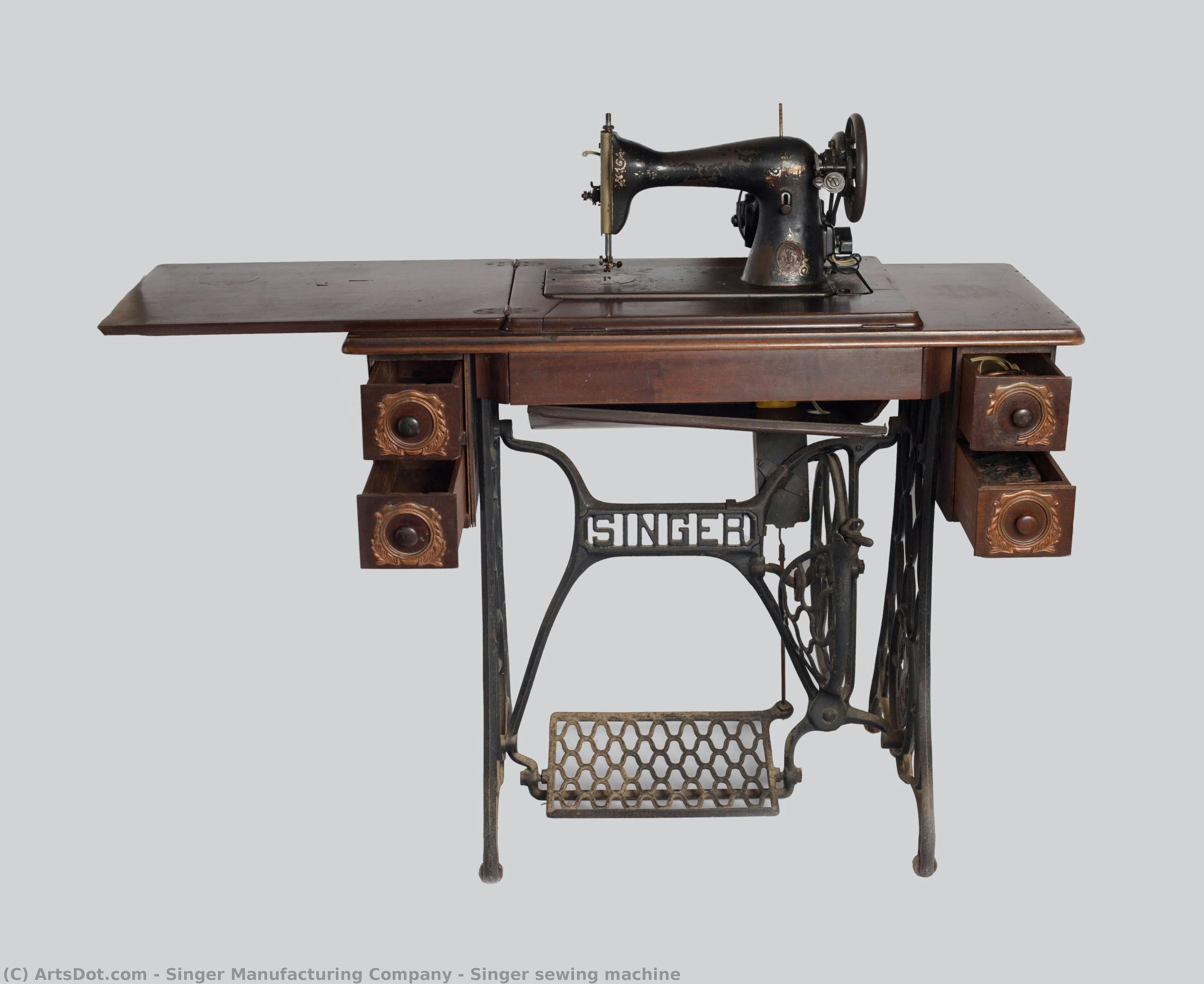
Singer sewing machine

 Читать далее
Приобретите цифровое изображение высокого разрешения в улучшенном качестве, которое значительно превосходит онлайн-превью.
Каждый файл тщательно подготавливается нашими специалистами с использованием передовых инструментов и экспертной ручной ретуши. Мы гарантируем исключительную четкость, точную цветопередачу и детальную проработку каждого изображения.
Финальный файл доставляется по электронной почте в течение 72 часов и оптимизирован для немедленного использования в профессиональной среде, при верстке и печати. Это тот же уровень качества, которому доверяют ведущие дизайнерские студии, издательства и галереи.
Цифровое изображение
Скачайте файл высокого разрешения для личного использования, печати и творческих проектов. ( Перейти к печати Купить картину ручной работы)
Включено в каждый заказ цифровых изображений
Гарантия экспертной цифровой доставки
Выбирая ArtsDot.com, вы получаете не просто изображение — вы приобретаете профессионально обработанное цифровое произведение искусства, созданное с безупречной точностью и под защитой гарантии качества. Вот всё, что автоматически входит в ваш заказ:

Мгновенная доставка по e-mail
Ваш цифровой файл в высоком разрешении будет отправлен вам по электронной почте в течение 72 часов после оформления заказа — и сразу станет доступен для использования.

Цифровой файл с ИИ-улучшением
Ваше произведение искусства проходит профессиональную оптимизацию с использованием передовых инструментов ИИ и ручной обработки, что гарантирует максимальную детализацию, четкость и точность цветопередачи.

Бессрочная бесплатная повторная доставка
Случайно удалили или потеряли файл? Не беспокойтесь — мы отправим его вам повторно в любое время и совершенно бесплатно.

Без импортных пошлин — навсегда
Наслаждайтесь вашим произведением искусства мгновенно без таможенных пошлин, сборов или затрат на доставку — цифровые загрузки всегда не облагаются налогом.

Гарантия точности цветопередачи
Мы гарантируем, что ваше цифровое изображение максимально точно передает оригинальные цвета благодаря использованию профессиональных инструментов и систем управления цветом.

Гарантия удовлетворенности 100 дней
Если вы не будете удовлетворены своим цифровым изображением, мы внесем правки или вернем 100% стоимости в течение 100 дней — без лишних вопросов.

100% Гарантия возврата средств
Не удовлетворены покупкой? Получите полный возврат средств в течение 100 дней после получения цифрового файла — без лишних вопросов.

Скидки на оптовые заказы
Купите 3 изображения, сэкономьте 10% — Купите 5, сэкономьте 15% — Купите 10+, сэкономьте 20%. Отличное решение для творческих проектов, галерей и агентств.
Похожие произведения






Биография художника
The Unexpected Canvas: The Singer Manufacturing Company and the Rise of Industrial Art
It seems paradoxical to consider a sewing machine manufacturer as an artist, yet the Singer Manufacturing Company, born in 1851 from Isaac Merritt Singer’s inventive mind, transcended its purely mechanical origins to become a surprising force in Victorian decorative arts. The story isn't one of individual artistic expression, but rather of corporate branding and the deliberate elevation of a utilitarian object into a symbol of domesticity, progress, and even beauty. Initially facing fierce competition, Singer understood that simply producing a superior machine wasn’t enough; they needed to cultivate an image, a desirability that extended beyond functionality. This realization led them down a path of lavish ornamentation, innovative marketing, and ultimately, the commissioning of art that celebrated their product and the lives it touched.From Practical Invention to Ornamental Icon
The early Singer sewing machines were far from aesthetically refined. They were robust, reliable tools designed for efficiency. However, as the company gained prominence, a shift occurred. Recognizing the importance of appealing to the burgeoning middle class – particularly women who were becoming the primary purchasers and users of these machines – Singer began adorning their products with intricate designs. The cast iron frames became canvases for floral motifs, geometric patterns, and even gilded embellishments. This wasn’t merely superficial decoration; it was a strategic move to transform the sewing machine from an industrial necessity into a desirable household object, a status symbol reflecting a family's prosperity and refinement. The company didn’t limit itself to the machines themselves. They produced elaborate cabinets, often crafted from exotic woods like rosewood and walnut, further enhancing the sense of luxury. This marked a turning point: Singer wasn’t just selling sewing machines; they were selling an aspirational lifestyle.Marketing Masterpieces: The Power of Visual Culture
Singer's commitment to art extended beyond the product itself and into their advertising campaigns. They pioneered innovative marketing techniques, utilizing a vast network of showrooms and catalogs filled with stunning imagery. The company commissioned paintings and illustrations depicting idyllic scenes of domestic life centered around the Singer sewing machine. These weren’t simply advertisements; they were carefully constructed narratives that associated the machine with happiness, family harmony, and female empowerment. Artists were employed to portray women not as burdened laborers, but as creative individuals empowered by technology. The iconic “Singer Girl” – a beautiful woman confidently operating a Singer machine – became a ubiquitous image in Victorian advertising, solidifying the brand’s association with modern femininity. They also utilized trade cards featuring artwork and poetry, distributed widely to promote their products and build brand recognition.Influences and Legacy: A Reflection of the Victorian Era
The artistic style employed by Singer was deeply rooted in the aesthetic sensibilities of the Victorian era. The ornate designs drew heavily from Rococo Revival and Aesthetic Movement influences, characterized by flowing lines, naturalistic motifs, and a penchant for decorative excess. The company’s marketing materials also reflected the prevailing social values of the time – emphasizing domesticity, family, and the idealized role of women. While not directly employing renowned artists in the same way as patrons of the Renaissance, Singer fostered a network of commercial artists who contributed significantly to the visual culture of the period.- The emphasis on ornamentation reflected the Victorian desire for beauty and refinement.
- The portrayal of women aligned with contemporary ideals of femininity and domesticity.
- The use of mass-produced imagery democratized access to art, bringing decorative aesthetics into middle-class homes.