

 Предпросмотр
 Поделиться
 Поделиться
 Детали произведения

 Скачать
 Похожие работы
 Рентгенография
 Слайд-шоу
 Статистика
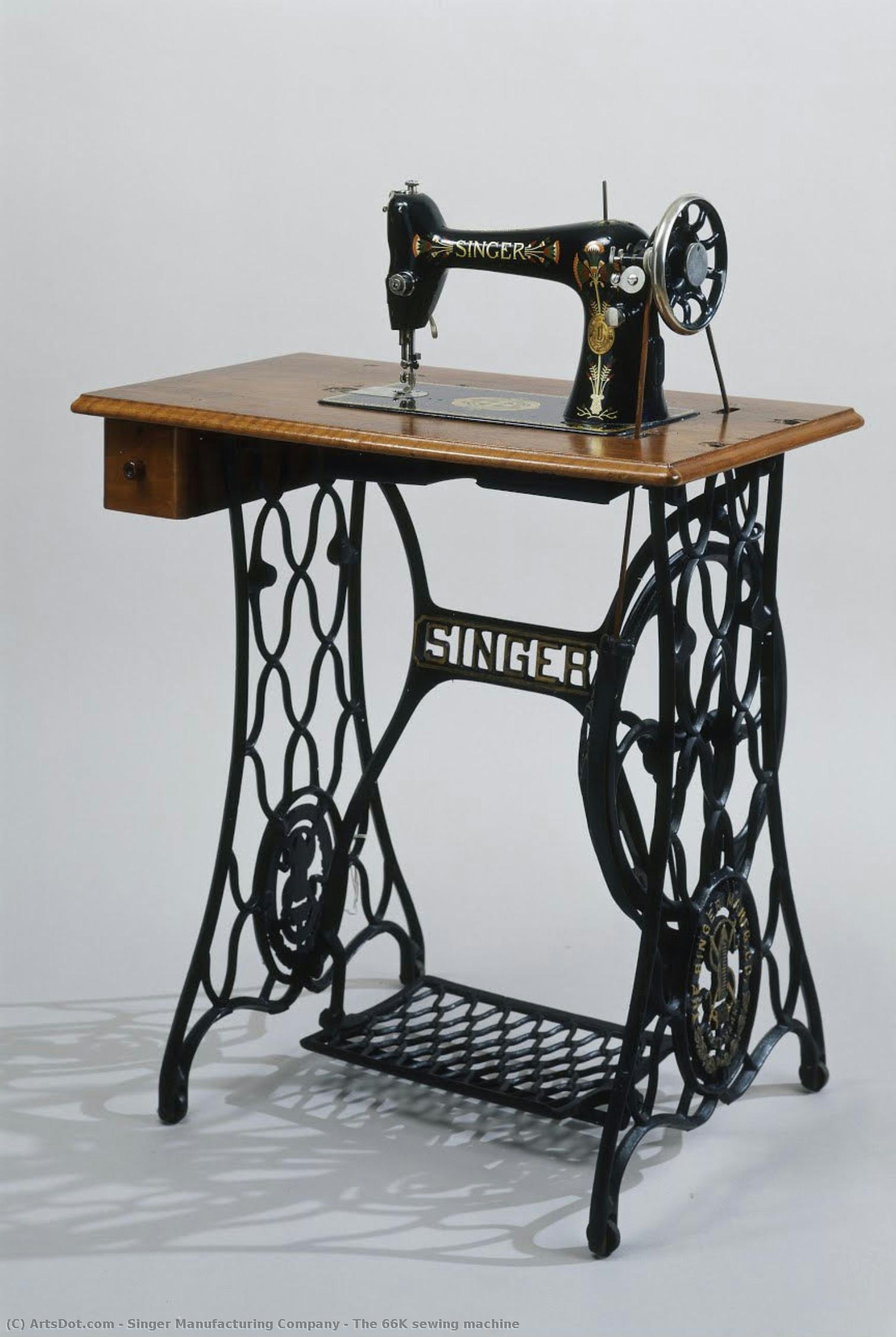
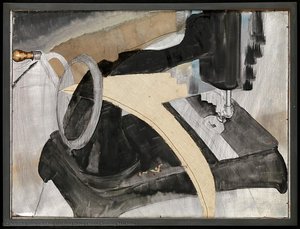
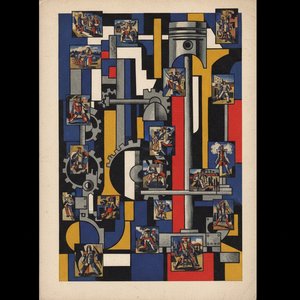
The 66K sewing machine


 Читать далее
Масляная репродукция ручной работы
Картина маслом на холсте в выбранном вами размере и раме, написанная на заказ нашими художниками. ( Перейти к печати Перейти к цифровым изображениям)




































Выберите один из наших стандартных размеров, соответствующих оригинальным пропорциям произведения искусства.

Вы можете указать собственные размеры, чтобы картина идеально вписалась в выбранную раму или пространство. Если выбранный вами размер не соответствует пропорциям оригинала, мы либо обрежем полотно, либо расширим его за счет дополнительных элементов, написанных вручную. Цифровой макет будет отправлен вам на утверждение перед началом производства.
Обратите внимание, что предварительный просмотр на экране не отражает фактическую обрезку или расширение. Только макет точно покажет окончательную композицию.
Хотя доступны индивидуальные размеры, мы рекомендуем выбирать вариант из предопределенного списка, чтобы сохранить исходные пропорции.
После оформления заказа команда ArtsDot.com свяжется с клиентом по электронной почте для уточнения деталей и предоставит предварительный макет
Доставка по всему миру () за 3–4 недели вместо стандартных 5 недель. (11 Сентябрь). Без компромиссов в качестве.

Бесплатная экспресс-доставка по всему миру

Высококачественный льняной холст

Полное страхование доставки

Гарантия возмещения таможенных пошлин

Гарантия точного соответствия цветов

100-дневная политика возврата (только при обнаружении дефектов)

Гарантия возврата 100% средств

Предложение оптовых скидок
 Вариант со стеклом доступен только для размеров менее 110 см

The 66K sewing machine
Техника репродукции
Размер репродукции
-


Итоговая стоимость
$ 263
Похожие произведения
Биография художника
The Unexpected Canvas: The Singer Manufacturing Company and the Rise of Industrial Art
It seems paradoxical to consider a sewing machine manufacturer as an artist, yet the Singer Manufacturing Company, born in 1851 from Isaac Merritt Singer’s inventive mind, transcended its purely mechanical origins to become a surprising force in Victorian decorative arts. The story isn't one of individual artistic expression, but rather of corporate branding and the deliberate elevation of a utilitarian object into a symbol of domesticity, progress, and even beauty. Initially facing fierce competition, Singer understood that simply producing a superior machine wasn’t enough; they needed to cultivate an image, a desirability that extended beyond functionality. This realization led them down a path of lavish ornamentation, innovative marketing, and ultimately, the commissioning of art that celebrated their product and the lives it touched.From Practical Invention to Ornamental Icon
The early Singer sewing machines were far from aesthetically refined. They were robust, reliable tools designed for efficiency. However, as the company gained prominence, a shift occurred. Recognizing the importance of appealing to the burgeoning middle class – particularly women who were becoming the primary purchasers and users of these machines – Singer began adorning their products with intricate designs. The cast iron frames became canvases for floral motifs, geometric patterns, and even gilded embellishments. This wasn’t merely superficial decoration; it was a strategic move to transform the sewing machine from an industrial necessity into a desirable household object, a status symbol reflecting a family's prosperity and refinement. The company didn’t limit itself to the machines themselves. They produced elaborate cabinets, often crafted from exotic woods like rosewood and walnut, further enhancing the sense of luxury. This marked a turning point: Singer wasn’t just selling sewing machines; they were selling an aspirational lifestyle.Marketing Masterpieces: The Power of Visual Culture
Singer's commitment to art extended beyond the product itself and into their advertising campaigns. They pioneered innovative marketing techniques, utilizing a vast network of showrooms and catalogs filled with stunning imagery. The company commissioned paintings and illustrations depicting idyllic scenes of domestic life centered around the Singer sewing machine. These weren’t simply advertisements; they were carefully constructed narratives that associated the machine with happiness, family harmony, and female empowerment. Artists were employed to portray women not as burdened laborers, but as creative individuals empowered by technology. The iconic “Singer Girl” – a beautiful woman confidently operating a Singer machine – became a ubiquitous image in Victorian advertising, solidifying the brand’s association with modern femininity. They also utilized trade cards featuring artwork and poetry, distributed widely to promote their products and build brand recognition.Influences and Legacy: A Reflection of the Victorian Era
The artistic style employed by Singer was deeply rooted in the aesthetic sensibilities of the Victorian era. The ornate designs drew heavily from Rococo Revival and Aesthetic Movement influences, characterized by flowing lines, naturalistic motifs, and a penchant for decorative excess. The company’s marketing materials also reflected the prevailing social values of the time – emphasizing domesticity, family, and the idealized role of women. While not directly employing renowned artists in the same way as patrons of the Renaissance, Singer fostered a network of commercial artists who contributed significantly to the visual culture of the period.- The emphasis on ornamentation reflected the Victorian desire for beauty and refinement.
- The portrayal of women aligned with contemporary ideals of femininity and domesticity.
- The use of mass-produced imagery democratized access to art, bringing decorative aesthetics into middle-class homes.
Historical Significance: Beyond the Stitch
The Singer Manufacturing Company’s foray into art represents a fascinating intersection of industry, commerce, and culture. They demonstrated the power of branding in shaping consumer perceptions and elevating a utilitarian object to an iconic status. More importantly, they played a significant role in popularizing decorative arts and making them accessible to a wider audience. The beautifully ornamented Singer sewing machines became collector’s items, prized not only for their mechanical ingenuity but also for their aesthetic value. Today, these machines stand as testaments to the Victorian era's fascination with technology, domesticity, and the enduring power of visual culture. The company’s legacy extends beyond the realm of sewing; it serves as a compelling case study in how corporations can utilize art and marketing to create lasting brand identities and shape societal values.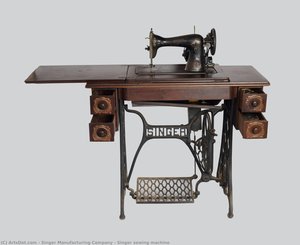
Похожие статьи

Индустриальный Шик в Искусстве: 10 Шедевров для Стильного Интерьера
Погрузитесь в мир индустриального искусства! 10 шедевров от Моне до Пикассо, отражающих эпоху перемен и городскую жизнь. Репродукции картин высокого качества для стильного интерьера на ArtsDot.com. Откройте всю коллекцию онлайн!
Фернан Леже: Топ-25 шедевров кубизма для ценителей искусства и декора интерьера
Погрузитесь в мир Фернана Леже! Топ-25 шедевров кубизма, раскрывающих машинную эстетику и новаторский стиль художника. Репродукции картин высокого качества для вашего интерьера. Откройте всю коллекцию на ArtsDot.com
Echoes of Time: Nostalgia, Technique & Cultural Significance in Vintage Paintings
Explore the captivating world of vintage paintings! Discover key styles, cultural significance & collecting tips from art experts at ArtsDot. Find authentic reproductions and elevate your home décor.

The Gritty Muse: Industrial Vibe as Defining Aesthetic in Modern Artwork
Explore the captivating world of industrial aesthetics in modern art. Discover key movements, influential artists & collecting insights at ArtsDot.com – your source for museum-quality reproductions and expert art guidance.

Джон Сингер Сарджент: 25 шедевров портретной живописи для вашего интерьера | ArtsDot
Погрузитесь в мир Джона Сингера Сарджента! 25 шедевров импрессионизма и реализма, раскрывающих элегантность эпохи Gilded Age. Купите репродукции картин Сарджента музейного качества для вашего интерьера на ArtsDot.com.