

 Предпросмотр
 Поделиться
 Поделиться
 Детали произведения

 Скачать
 Похожие работы
 Рентгенография
 Слайд-шоу
 Статистика
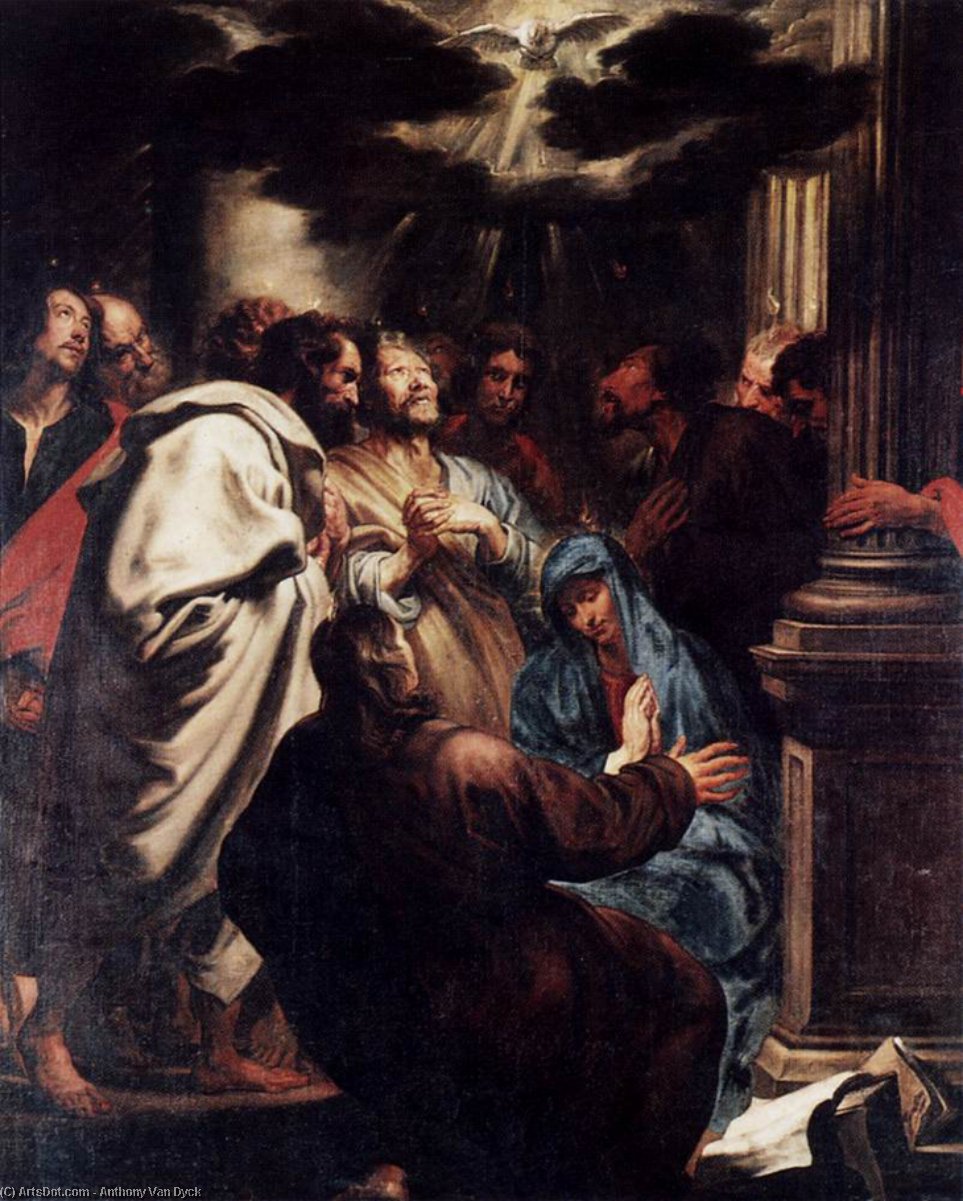
Pentecost
 Acrylic On Canvas
- WallArt
- Baroque Painting
 1618
1618 265.0 x 221.0 cm
 Стейтлешские музеи Берлина
 Читать далее
Приобретите цифровое изображение высокого разрешения в улучшенном качестве, которое значительно превосходит онлайн-превью.
Каждый файл тщательно подготавливается нашими специалистами с использованием передовых инструментов и экспертной ручной ретуши. Мы гарантируем исключительную четкость, точную цветопередачу и детальную проработку каждого изображения.
Финальный файл доставляется по электронной почте в течение 72 часов и оптимизирован для немедленного использования в профессиональной среде, при верстке и печати. Это тот же уровень качества, которому доверяют ведущие дизайнерские студии, издательства и галереи.
Цифровое изображение
Скачайте файл высокого разрешения для личного использования, печати и творческих проектов. ( Перейти к печати Купить картину ручной работы)
Включено в каждый заказ цифровых изображений
Гарантия экспертной цифровой доставки
Выбирая ArtsDot.com, вы получаете не просто изображение — вы приобретаете профессионально обработанное цифровое произведение искусства, созданное с безупречной точностью и под защитой гарантии качества. Вот всё, что автоматически входит в ваш заказ:

Мгновенная доставка по e-mail
Ваш цифровой файл в высоком разрешении будет отправлен вам по электронной почте в течение 72 часов после оформления заказа — и сразу станет доступен для использования.

Цифровой файл с ИИ-улучшением
Ваше произведение искусства проходит профессиональную оптимизацию с использованием передовых инструментов ИИ и ручной обработки, что гарантирует максимальную детализацию, четкость и точность цветопередачи.

Бессрочная бесплатная повторная доставка
Случайно удалили или потеряли файл? Не беспокойтесь — мы отправим его вам повторно в любое время и совершенно бесплатно.

Без импортных пошлин — навсегда
Наслаждайтесь вашим произведением искусства мгновенно без таможенных пошлин, сборов или затрат на доставку — цифровые загрузки всегда не облагаются налогом.

Гарантия точности цветопередачи
Мы гарантируем, что ваше цифровое изображение максимально точно передает оригинальные цвета благодаря использованию профессиональных инструментов и систем управления цветом.

Гарантия удовлетворенности 100 дней
Если вы не будете удовлетворены своим цифровым изображением, мы внесем правки или вернем 100% стоимости в течение 100 дней — без лишних вопросов.

100% Гарантия возврата средств
Не удовлетворены покупкой? Получите полный возврат средств в течение 100 дней после получения цифрового файла — без лишних вопросов.

Скидки на оптовые заказы
Купите 3 изображения, сэкономьте 10% — Купите 5, сэкономьте 15% — Купите 10+, сэкономьте 20%. Отличное решение для творческих проектов, галерей и агентств.
The Dramatic Revelation: Van Dyck’s “Pentecost”
Sir Anthony van Dyck's "Pentecost," painted in 1618, is more than just a religious depiction; it’s a vibrant tableau of spiritual awakening rendered with the artist’s signature elegance and masterful use of light. This monumental work, measuring an impressive 265 x 221 cm, captures a pivotal moment in Christian history – the descent of the Holy Spirit upon the apostles, as described in Acts chapter two. The scene unfolds within what appears to be a richly appointed interior, likely a cloister or chapel space, evidenced by the classical columns and architectural details receding into the background. These elements ground the miraculous event in a tangible reality, creating a compelling juxtaposition between earthly setting and divine intervention. Van Dyck’s choice of composition—a group gathered around a woman giving birth—is particularly striking. While seemingly unconventional at first glance, it subtly alludes to the birth of the Church itself, with Christ's sacrifice serving as its foundational event.A Baroque Masterpiece: Style and Technique
Van Dyck’s style in “Pentecost” is a testament to his evolution from a student of Peter Paul Rubens to a distinct artistic voice. He retains Rubens’s dynamic energy and rich color palette, but tempers it with an unparalleled refinement and grace. Notice the meticulous attention to detail – the folds of the drapery, the textures of the fabrics, the subtle variations in skin tone. Van Dyck was renowned for his ability to capture a sense of movement and emotion through brushwork, and this is evident here. The figures are not static; they are caught in moments of intense feeling—awe, joy, and perhaps even a touch of confusion. His use of *chiaroscuro* – the dramatic contrast between light and shadow – further enhances the scene’s emotional impact, drawing the viewer's eye to key elements like the radiant light emanating from above and the expressions on the apostles’ faces. The painting is executed in oil on canvas, a medium that allowed Van Dyck to achieve both luminous colors and remarkable detail.Symbolism and Narrative Depth
Beyond the literal depiction of the Pentecost event, “Pentecost” is laden with symbolic meaning. The woman lying prone, seemingly giving birth, represents the Church – born through the sacrifice of Christ. The apostles, gathered around her, are receiving the Holy Spirit, symbolizing their empowerment to spread the Gospel. The book visible on the right side, a common motif in religious paintings of the period, likely signifies scripture and the foundation upon which this new faith is built. The ties worn by some figures suggest a formal gathering, emphasizing the importance and solemnity of the occasion. Even the architectural setting contributes to the symbolism – the classical columns evoke ancient wisdom and divine authority, while the receding space creates a sense of depth and transcendence. The overall atmosphere suggests a profound reverence and devotion, inviting contemplation on themes of faith, salvation, and community.Emotional Resonance and Artistic Legacy
“Pentecost” is not merely a historical record; it’s an emotionally charged depiction of spiritual transformation. Van Dyck masterfully conveys the sense of wonder and excitement that must have permeated the room as the apostles received the Holy Spirit. The painting's vibrant colors, dynamic composition, and skillful rendering of human emotion combine to create a truly captivating experience for the viewer. It’s a testament to Van Dyck’s ability to elevate religious subject matter into works of profound beauty and artistic merit. Today, reproductions of this masterpiece offer an opportunity to bring this powerful scene into any space, fostering reflection on faith, community, and the enduring legacy of one of Europe's greatest artists. ArtsDot offers meticulously crafted hand-painted reproductions that faithfully capture the essence and detail of Van Dyck’s “Pentecost,” allowing you to experience its beauty and significance firsthand.Похожие произведения
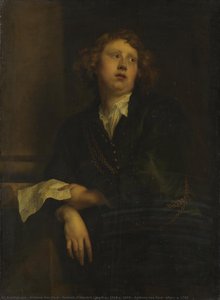
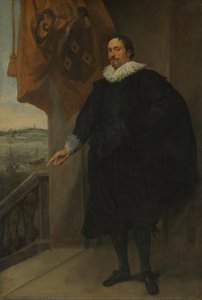
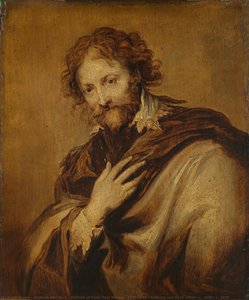
Биография художника
A Flemish Master at the Courts of Europe
Sir Anthony van Dyck, born in Antwerp in 1599, emerged as one of the most celebrated and influential portraitists of the Baroque era. His life, though tragically cut short at just forty-two years old, was a whirlwind of artistic exploration and prestigious commissions that took him from his native Flanders to Italy and ultimately to the heart of the English court. From an early age, van Dyck displayed remarkable talent, entering Hendrick van Balen’s workshop as a young apprentice and quickly absorbing the prevailing styles of the time. However, it was his association with Peter Paul Rubens – not merely as a student but as a collaborator – that truly shaped his artistic foundation. He learned from Rubens' dynamic compositions, rich color palettes, and masterful handling of light and shadow, yet van Dyck soon began to forge his own distinct path, one characterized by an elegance and refinement that would become his signature. This early influence is evident in the dramatic lighting and emotional intensity found in many of his works, a direct inheritance from Rubens’s powerful style.Italian Sojourns and the Birth of a Style
The years van Dyck spent in Italy, beginning around 1621, proved pivotal in his artistic development. He resided primarily in Genoa, where he found favor among the city’s aristocratic families. It was here that he began to cultivate the sophisticated style for which he would become renowned – a style marked by graceful poses, luxurious fabrics, and an almost palpable sense of nobility. Unlike the robust energy often found in Rubens' work, van Dyck’s Italian portraits exuded a refined composure, capturing not just physical likeness but also the inner character and social standing of his sitters. He meticulously studied the works of Titian and other Italian masters, absorbing their techniques for rendering skin tones, drapery, and atmospheric perspective. During this period, he also embarked on his *Iconography*, a series of meticulously rendered portrait etchings featuring prominent figures of his time – artists, scholars, and rulers alike. This project showcased his exceptional technical skill and established him as a leading printmaker; the intricate detail and subtle nuances in these images demonstrated his mastery of the etching process. These etchings weren’t simply records; they were carefully constructed images designed to immortalize the subjects and convey their status and intellect, reflecting a deliberate artistic intent beyond mere documentation.The King's Painter: Van Dyck in England
In 1632, van Dyck received an invitation that would forever alter his career trajectory – a summons from Charles I of England to become the court painter. This appointment marked a turning point, not only for van Dyck but also for English portraiture. He arrived in London with a considerable reputation and quickly became indispensable to the king, tasked with creating images that projected an aura of power, majesty, and divine right. Van Dyck’s portraits of Charles I are particularly noteworthy; he moved away from the stiff, formal representations favored by earlier artists, instead portraying the king as a dynamic, charismatic leader. He employed innovative techniques – dramatic lighting, sweeping gestures, and carefully chosen backgrounds – to create images that were both visually stunning and politically charged. His influence extended beyond the royal family, shaping the visual culture of the English aristocracy for generations to come. He didn’t just paint portraits; he crafted an image of kingship, influencing how royalty was perceived for over a century. The relationship between van Dyck and Charles I was complex, evolving from professional admiration to genuine friendship, reflected in the intimacy and warmth captured within many of the paintings.Legacy and Enduring Influence
Van Dyck's untimely death in 1641 robbed the art world of a prodigious talent, but his legacy endures to this day. His impact on English portraiture is immeasurable; he established a standard of elegance and sophistication that subsequent artists would strive to emulate.- Technical Innovation: He was a master of both oil painting and etching, constantly experimenting with new techniques – particularly in the use of light and shadow to create depth and drama.
- Stylistic Refinement: His portraits are characterized by their graceful poses, luxurious fabrics, and subtle psychological insights; he possessed an uncanny ability to capture not just appearance but also character and mood.
- Courtly Influence: He transformed the image of the English monarchy, creating a visual language of power and prestige that shaped perceptions for decades.
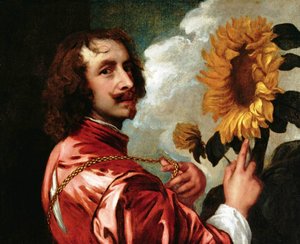
Антоний Ван Дейк
1599 - 1641 , Бельгия
Основные сведения
- Artistic Movement Or Style: Барокко
- Artists Or Movements Influenced By This Artist: ['Английская живопись']
- Artists Who Influenced This Artist: ['Пьер Паоло Рубенс']
- Date Of Birth: 22 марта 1599
- Date Of Death: 9 декабря 1641
- Full Name: Sir Anthony van Dyck
- Nationality: Нидерландский
- Notable Artworks:
- Портрет женщины и ребенка
- Самёт короля Карла I
- Лорд Джон Стюарт и брат
- Благотворительность
- Карл I в трёх позах
- Place Of Birth: Антверпен, Бельгия