 Предпросмотр
 Поделиться
 Поделиться
 Детали произведения

 Скачать
 Похожие работы
 Рентгенография
 Слайд-шоу
 Статистика
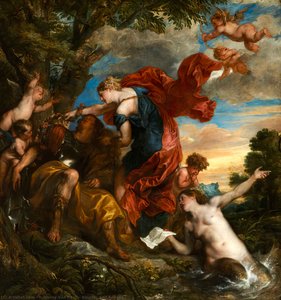
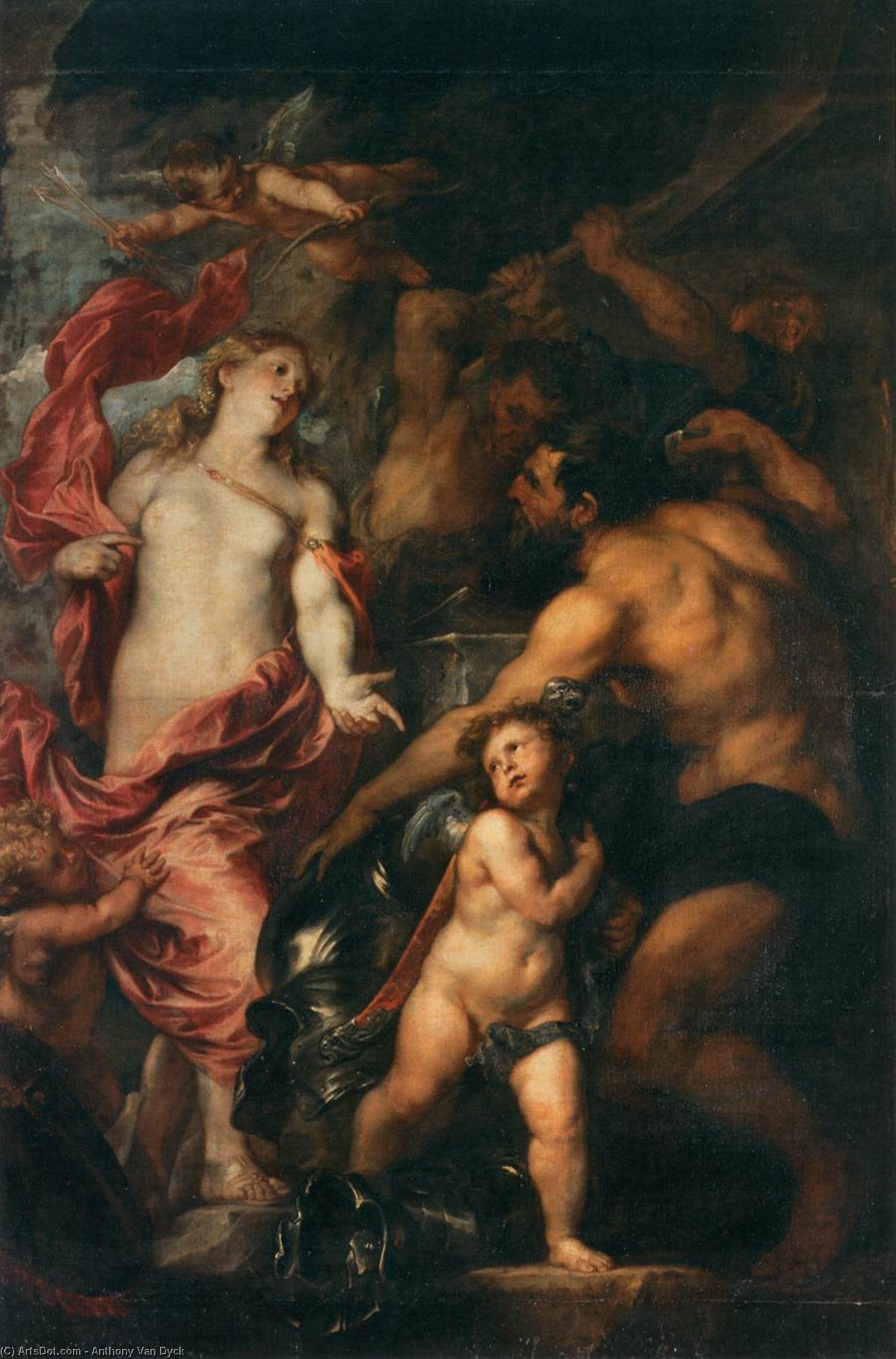
Venus asking Vulcan for the Armour of Aeneas
 Acrylic
- WallArt
- Baroque Art
 1632
1632 145.0 x 220.0 cm
 Читать далее
Жикле / Арт-принт
Печать (жикле) или холст музейного качества с быстрыми сроками изготовления и широким выбором вариантов отделки. ( Купить картину ручной работы Перейти к цифровым изображениям)




P118B $10

P118H $10

P118W $10

P438Z $10

P508JH $12

P508YH $12

P805H $10

P805Z $10

P919BZ $10

P919G $10

P919XJ $10

P959ZH $10

P968JZ $12

W106C $8

W218G $10

W218JH $8

W218Y $10

W307PJ $10

W316G $10

W316PJ $8

W316Y $10

W398PJ $8

W4111J $10

W500HY $15

W500JH $15

W692G $12

W849H $8

W940BG $15

W953PJ $8




Выберите один из наших стандартных размеров, соответствующих оригинальным пропорциям произведения искусства.

Вы можете указать свои собственные размеры, чтобы репродукция идеально подошла под конкретную раму или пространство. Если выбранный вами размер не будет соответствовать пропорциям оригинала, мы либо обрежем произведение, либо дополним изображение зеркальным отражением краев или однотонной заливкой. Перед началом производства вам будет отправлен цифровой макет для утверждения.
Пожалуйста, обратите внимание, что предварительный просмотр на экране не отображает фактическую обрезку или расширение изображения. Только макет точно покажет финальную композицию.
Несмотря на возможность заказа индивидуальных размеров, мы рекомендуем выбирать размер из предопределенного списка, чтобы сохранить оригинальные пропорции.
Доставка по всему миру () за 2 недели вместо стандартных 4/5 недель. (13 Сентябрь)

Бесплатная экспресс-доставка по всему миру

Высококачественный льняной холст

Полное страхование доставки

Гарантия возмещения таможенных пошлин

Гарантия точного соответствия цветов

100-дневная политика возврата (только при обнаружении дефектов)

Гарантия возврата 100% средств

Предложение оптовых скидок
 Вариант со стеклом доступен только для размеров менее 110 см

Venus asking Vulcan for the Armour of Aeneas
Жикле / Арт-принт
Размер репродукции
-


Итоговая стоимость
$ 62
A Baroque Dialogue of Power and Protection
Anthony van Dyck’s “Venus asking Vulcan for the Armour of Aeneas,” painted in 1632, stands as a quintessential emblem of Baroque art—a visual testament to dramatic grandeur, meticulous detail, and profound psychological insight. Executed on canvas measuring 145 x 220 cm, this masterpiece resides within the Kunstsammlungen Graf von Schönborn Pommersfelden, Germany, offering visitors a rare glimpse into the artistic sensibilities of its era.
Composition and Narrative Depth
The painting’s narrative unfolds with captivating elegance. At its core is Venus, portrayed as an idealized beauty radiating serenity amidst a complex tableau. She earnestly petitions Vulcan, god of fire and forge, for the armour crafted by his son Hephaestus—a symbol of divine protection intended for her son Aeneas, destined to lead the Trojans in their epic struggle against Rome. Surrounding Venus are figures representing loyalty and devotion: a man holding a baby – likely symbolizing Venus’s role as mother – and another attendant figure adding to the visual richness.
Baroque Style and Artistic Influences
Van Dyck's stylistic choices firmly anchor the artwork within the Baroque tradition. Characterized by theatrical lighting—particularly dramatic chiaroscuro—the painting employs a masterful manipulation of light and shadow to heighten emotional impact and sculpt form. Rubens’ influence is palpable, evident in the dynamic poses and expansive compositions that prioritize visual drama over strict realism. Furthermore, Van Dyck's meticulous attention to detail extends beyond mere representation; he strives to convey an inner state of mind—Venus’s vulnerability combined with her unwavering determination.
Symbolism: Armor as Resilience
The armour itself serves as a potent symbol – representing not merely physical defense but also resilience and fortitude. It embodies Vulcan's divine power, offering Aeneas the strength necessary to overcome adversity and secure his lineage’s legacy. Venus’s plea underscores the importance of safeguarding heritage and upholding moral values amidst turbulent times—themes central to Baroque art’s preoccupation with religious fervor and heroic narratives.
Emotional Resonance and Artistic Legacy
"Venus asking Vulcan for the Armour of Aeneas" transcends its historical context, resonating powerfully with viewers today. Van Dyck's ability to capture human emotion—particularly Venus’s yearning—elevates the painting beyond mere decorative splendor. It remains a cornerstone of Baroque art history, inspiring admiration for its technical virtuosity and continuing to captivate audiences with its timeless portrayal of faith, family, and the enduring quest for protection.
Похожие произведения
Биография художника
A Flemish Master at the Courts of Europe
Sir Anthony van Dyck, born in Antwerp in 1599, emerged as one of the most celebrated and influential portraitists of the Baroque era. His life, though tragically cut short at just forty-two years old, was a whirlwind of artistic exploration and prestigious commissions that took him from his native Flanders to Italy and ultimately to the heart of the English court. From an early age, van Dyck displayed remarkable talent, entering Hendrick van Balen’s workshop as a young apprentice and quickly absorbing the prevailing styles of the time. However, it was his association with Peter Paul Rubens – not merely as a student but as a collaborator – that truly shaped his artistic foundation. He learned from Rubens' dynamic compositions, rich color palettes, and masterful handling of light and shadow, yet van Dyck soon began to forge his own distinct path, one characterized by an elegance and refinement that would become his signature. This early influence is evident in the dramatic lighting and emotional intensity found in many of his works, a direct inheritance from Rubens’s powerful style.Italian Sojourns and the Birth of a Style
The years van Dyck spent in Italy, beginning around 1621, proved pivotal in his artistic development. He resided primarily in Genoa, where he found favor among the city’s aristocratic families. It was here that he began to cultivate the sophisticated style for which he would become renowned – a style marked by graceful poses, luxurious fabrics, and an almost palpable sense of nobility. Unlike the robust energy often found in Rubens' work, van Dyck’s Italian portraits exuded a refined composure, capturing not just physical likeness but also the inner character and social standing of his sitters. He meticulously studied the works of Titian and other Italian masters, absorbing their techniques for rendering skin tones, drapery, and atmospheric perspective. During this period, he also embarked on his *Iconography*, a series of meticulously rendered portrait etchings featuring prominent figures of his time – artists, scholars, and rulers alike. This project showcased his exceptional technical skill and established him as a leading printmaker; the intricate detail and subtle nuances in these images demonstrated his mastery of the etching process. These etchings weren’t simply records; they were carefully constructed images designed to immortalize the subjects and convey their status and intellect, reflecting a deliberate artistic intent beyond mere documentation.The King's Painter: Van Dyck in England
In 1632, van Dyck received an invitation that would forever alter his career trajectory – a summons from Charles I of England to become the court painter. This appointment marked a turning point, not only for van Dyck but also for English portraiture. He arrived in London with a considerable reputation and quickly became indispensable to the king, tasked with creating images that projected an aura of power, majesty, and divine right. Van Dyck’s portraits of Charles I are particularly noteworthy; he moved away from the stiff, formal representations favored by earlier artists, instead portraying the king as a dynamic, charismatic leader. He employed innovative techniques – dramatic lighting, sweeping gestures, and carefully chosen backgrounds – to create images that were both visually stunning and politically charged. His influence extended beyond the royal family, shaping the visual culture of the English aristocracy for generations to come. He didn’t just paint portraits; he crafted an image of kingship, influencing how royalty was perceived for over a century. The relationship between van Dyck and Charles I was complex, evolving from professional admiration to genuine friendship, reflected in the intimacy and warmth captured within many of the paintings.Legacy and Enduring Influence
Van Dyck's untimely death in 1641 robbed the art world of a prodigious talent, but his legacy endures to this day. His impact on English portraiture is immeasurable; he established a standard of elegance and sophistication that subsequent artists would strive to emulate.- Technical Innovation: He was a master of both oil painting and etching, constantly experimenting with new techniques – particularly in the use of light and shadow to create depth and drama.
- Stylistic Refinement: His portraits are characterized by their graceful poses, luxurious fabrics, and subtle psychological insights; he possessed an uncanny ability to capture not just appearance but also character and mood.
- Courtly Influence: He transformed the image of the English monarchy, creating a visual language of power and prestige that shaped perceptions for decades.
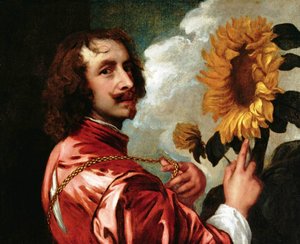
Антоний Ван Дейк
1599 - 1641 , Бельгия
Основные сведения
- Artistic Movement Or Style: Барокко
- Artists Or Movements Influenced By This Artist: ['Английская живопись']
- Artists Who Influenced This Artist: ['Пьер Паоло Рубенс']
- Date Of Birth: 22 марта 1599
- Date Of Death: 9 декабря 1641
- Full Name: Sir Anthony van Dyck
- Nationality: Нидерландский
- Notable Artworks:
- Портрет женщины и ребенка
- Самёт короля Карла I
- Лорд Джон Стюарт и брат
- Благотворительность
- Карл I в трёх позах
- Place Of Birth: Антверпен, Бельгия
Похожие статьи

Рембрандт ван Рейн: Топ-25 шедевров великого голландского мастера | ArtsDot
Погрузитесь в мир великого Рембрандта! 25 шедевров голландского барокко, истории создания картин и уникальные техники художника. Купите репродукции картин Рембрандта высочайшего качества для вашего интерьера на ArtsDot.com

Oil on Canvas: A Historical & Technical Exploration of a Timeless Artistic Medium
Explore the rich history & enduring techniques of oil painting on canvas. Discover the science behind its longevity, conservation practices, and contemporary relevance. Expert insights for art enthusiasts.
10 Шедевров Раннего Нидерландского Живописи: История Искусства в Вашем Интерьере
Погрузитесь в мир Раннего нидерландского живописи! Откройте 10 шедевров Яна ван Эйка, Рогира ван дер Вейдена и других мастеров. История искусства, техника исполнения и вдохновение для вашего интерьера на ArtsDot.com.
Sir Anthony van Dyck: Courtly Portraiture & the Shaping of Baroque Identity
Explore the life & legacy of Sir Anthony van Dyck, the leading court painter of his era. Discover his innovative portraiture, Baroque masterpieces, and investment potential for discerning collectors. Learn more at ArtsDot.
The Grandeur of Baroque Portraiture: Power, Emotion & Artistic Innovation
Explore the grandeur of Baroque portraiture! Discover Rubens, Van Dyck & the masters of 17th-century art. Uncover symbolism, techniques & lasting influence. Expert insights for collectors and enthusiasts.