

 Предпросмотр
 Поделиться
 Поделиться
 Детали произведения

 Скачать
 Похожие работы
 Рентгенография
 Слайд-шоу
 Статистика
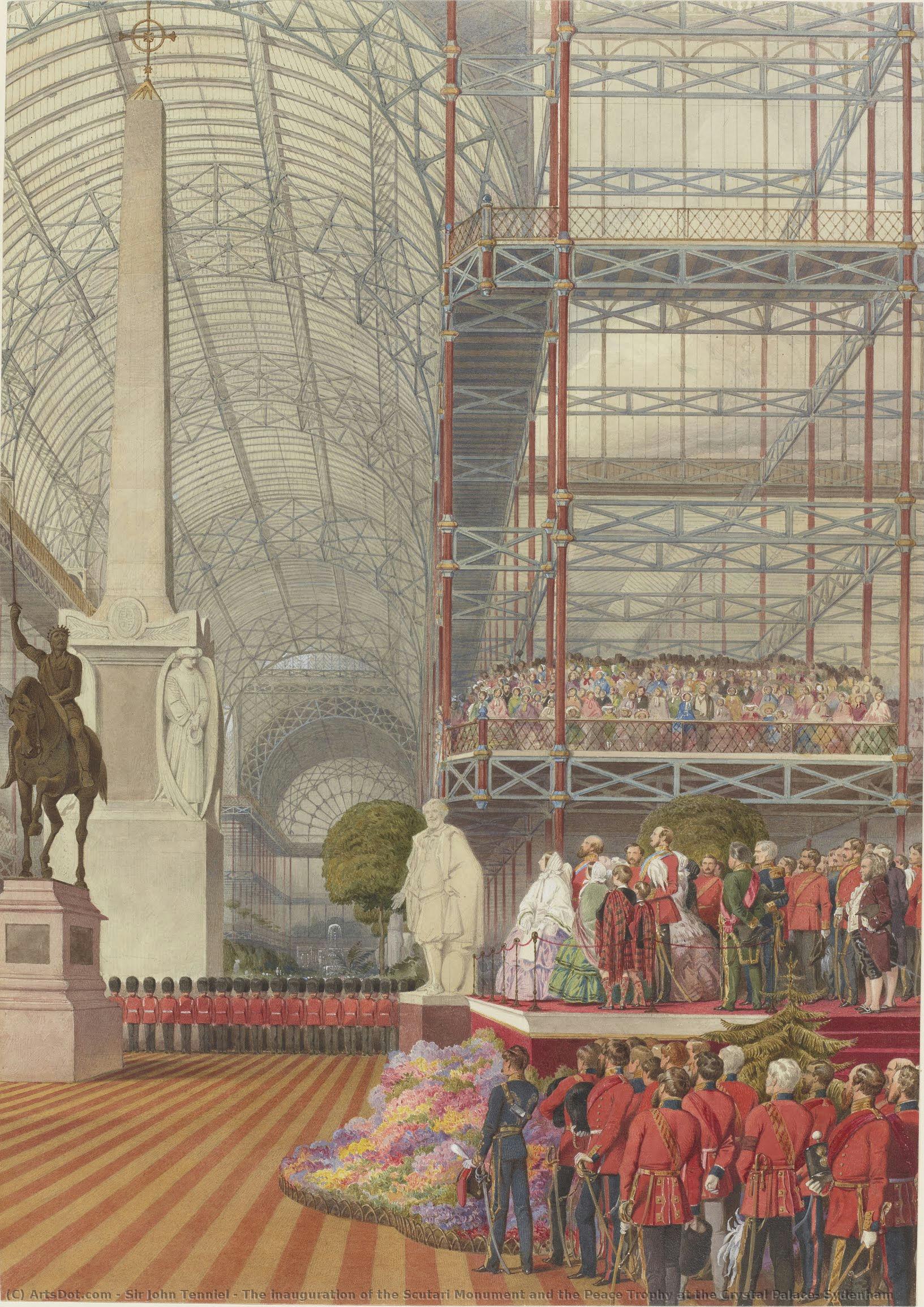
The inauguration of the Scutari Monument and the Peace Trophy at the Crystal Palace, Sydenham
 Acrylic On Canvas
- WallArt
- Satirical illustration
 1856
1856 47.0 x 33.0 cm
 Королевская коллекция
 Читать далее
Масляная репродукция ручной работы
Картина маслом на холсте в выбранном вами размере и раме, написанная на заказ нашими художниками. ( Перейти к печати Перейти к цифровым изображениям)




P118B $10

P118H $10

P118W $10

P438Z $10

P508JH $12

P508YH $12

P805H $10

P805Z $10

P919BZ $10

P919G $10

P919XJ $10

P959ZH $10

P968JZ $12

W106C $8

W218G $10

W218JH $8

W218Y $10

W307PJ $10

W316G $10

W316PJ $8

W316Y $10

W398PJ $8

W4111J $10

W500HY $15

W500JH $15

W692G $12

W849H $8

W940BG $15

W953PJ $8




Выберите один из наших стандартных размеров, соответствующих оригинальным пропорциям произведения искусства.

Вы можете указать собственные размеры, чтобы картина идеально вписалась в выбранную раму или пространство. Если выбранный вами размер не соответствует пропорциям оригинала, мы либо обрежем полотно, либо расширим его за счет дополнительных элементов, написанных вручную. Цифровой макет будет отправлен вам на утверждение перед началом производства.
Обратите внимание, что предварительный просмотр на экране не отражает фактическую обрезку или расширение. Только макет точно покажет окончательную композицию.
Хотя доступны индивидуальные размеры, мы рекомендуем выбирать вариант из предопределенного списка, чтобы сохранить исходные пропорции.
После оформления заказа команда ArtsDot.com свяжется с клиентом по электронной почте для уточнения деталей и предоставит предварительный макет
Доставка по всему миру () за 3–4 недели вместо стандартных 5 недель. (13 Сентябрь). Без компромиссов в качестве.

Бесплатная экспресс-доставка по всему миру

Высококачественный льняной холст

Полное страхование доставки

Гарантия возмещения таможенных пошлин

Гарантия точного соответствия цветов

100-дневная политика возврата (только при обнаружении дефектов)

Гарантия возврата 100% средств

Предложение оптовых скидок
 Вариант со стеклом доступен только для размеров менее 110 см

The inauguration of the Scutari Monument and the Peace Trophy at the Crystal Palace, Sydenham
Техника репродукции
Размер репродукции
-


Итоговая стоимость
$ 263
A Moment Frozen in Time: The Grand Unveiling at Sydenham
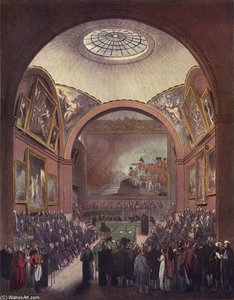
Sir John Tenniel’s watercolor, “The Inauguration of the Scutari Monument and the Peace Trophy at the Crystal Palace,” isn't merely a depiction of an event; it’s a vibrant snapshot of Victorian ambition, imperial pride, and the poignant aftermath of war. Completed in 1856, just months after the end of the Crimean War, this artwork captures a pivotal moment – the unveiling of two monumental works commissioned to commemorate the conflict's devastating conclusion. The scene unfolds within the opulent setting of the Crystal Palace, a testament to Britain’s industrial prowess and its desire to showcase itself as a global leader. Tenniel masterfully utilizes light and shadow, drawing our eye towards the central figures – Queen Victoria, radiating dignified composure, alongside members of the royal family and dignitaries, all witnesses to this grand spectacle.
Symbolism Woven into Stone and Watercolor
Beyond a simple historical record, Tenniel’s work is rich in symbolic meaning. The towering Scutari Monument, an obelisk erected in Istanbul to honor British soldiers who perished during the Crimean War, represents both remembrance and sacrifice. Juxtaposed against it is the Peace Trophy – a complex sculpture designed by Baron Marochetti that embodies the aspirations for lasting peace following years of brutal conflict. The trophy itself, described as “a rather bold experiment” in contemporary accounts, features an allegorical figure holding aloft a palm branch and a broken sword, signifying victory over war and the embrace of diplomacy. The inclusion of Richard I’s equestrian statue further reinforces themes of imperial power and military triumph, subtly balanced by the overarching message of peace.
The Artistic Technique: A Masterful Blend
Tenniel's skill as an artist is immediately apparent in his meticulous attention to detail. The watercolor medium lends itself perfectly to capturing the textures of the elaborate costumes, the grandeur of the Crystal Palace architecture, and the expressions on the faces of the assembled dignitaries. Note the delicate rendering of Queen Victoria’s gown, the subtle shading that defines the figures in the background, and the way Tenniel uses light to create a sense of depth and perspective. The artist's use of loose brushstrokes adds a dynamic energy to the scene, conveying the excitement and anticipation of the occasion. The work demonstrates a keen understanding of composition, guiding the viewer’s eye through the crowded tableau.
A Victorian Legacy: Context and Historical Significance
This artwork offers a fascinating glimpse into Victorian society – its fascination with grand spectacles, its imperial ambitions, and its complex relationship with war. The Crimean War was a watershed moment in British history, exposing vulnerabilities within the military establishment and prompting significant reforms. The commissioning of these monumental works represented an attempt to heal national wounds and assert Britain’s position as a dominant force on the world stage. Baron Marochetti's choice to represent peace through allegory rather than direct depictions of victory reflects the era’s desire for a more nuanced understanding of international relations. The piece stands as a testament to both the grandeur and the anxieties of Victorian England, capturing a fleeting moment in time that continues to resonate today.
Похожие произведения

Биография художника
A Life Etched in Line: The World of Sir John Tenniel
Sir John Tenniel (1820-1914) – a name synonymous with Victorian England’s most beloved visual storytellers, and particularly, the enchanting world of *Alice's Adventures in Wonderland*. Born in Bayswater, London, on February 28th, 1820, his early life held little promise of the artistic destiny that awaited him. Quiet and introspective by nature, Tenniel possessed a keen eye for detail and an extraordinary ability to capture human character – qualities that would ultimately define his remarkable career as both a political cartoonist and a master illustrator. Initially pursuing studies at the Royal Academy of Arts in 1842, he focused on replicating classical sculpture, yet found himself increasingly frustrated with the Academy’s rigid approach, preferring instead to cultivate his talent through independent observation and self-directed learning. This deliberate path shaped his unique style – a harmonious blend of precise draftsmanship and an acute understanding of human psychology and social dynamics.From Political Satire to Wonderland's Embrace
Tenniel’s rise to prominence began with his remarkable skill as a political cartoonist for *Punch* magazine, a role he held for over half a century. During this period, he became a powerful voice in shaping public opinion, offering incisive and often biting commentary on the social and political upheavals of Victorian Britain. His cartoons weren’t merely humorous; they were carefully constructed critiques, exposing hypocrisy and challenging established power structures with remarkable accuracy and wit. He possessed an uncanny ability to transform politicians and prominent figures into instantly recognizable caricatures – a testament to his keen observational skills and masterful command of line. This skill elevated political cartooning to new heights of artistic sophistication, establishing *Punch* as a leading force in British journalism. However, it is perhaps for his illustrations that Tenniel is most widely celebrated: the vivid and imaginative depictions of characters from Lewis Carroll’s *Alice's Adventures in Wonderland* (1865) and *Through the Looking-Glass, and What Alice Found There* (1871). Carroll initially envisioned illustrating the *Alice* manuscript himself, but recognized the need for a professional artist to bring his fantastical world to life. Tenniel’s collaboration with Carroll was a remarkable partnership – both men shared a passion for detail and a deep appreciation for storytelling. The resulting illustrations are iconic, capturing the whimsical absurdity of Wonderland while simultaneously conveying the underlying psychological depth of Carroll's narrative. Tenniel didn’t simply reproduce Carroll’s words; he *interpreted* them, inventing characterizations and adding layers of meaning through his distinctive visual style. His meticulous attention to detail – from the Mad Hatter’s outlandish hat to the Cheshire Cat’s enigmatic grin – cemented his place as the definitive illustrator of these beloved stories.A Style Defined by Detail and Nuance
Tenniel's artistic style is instantly recognizable, characterized by an unwavering commitment to precision, observation, and a subtle yet powerful use of line. His illustrations are not merely drawings; they’re meticulously constructed narratives, imbued with depth and emotion. He favored a technique of delicate linework – often employing subtle shading and cross-hatching – to create the illusion of three-dimensionality and texture. This approach allowed him to convey a remarkable range of emotions and expressions, imbuing his characters with personality and believability. Influenced by earlier engravers and illustrators, Tenniel developed a distinctly personal visual language, blending realism with fantasy in a way that was both captivating and thought-provoking. He possessed an exceptional ability to capture movement and gesture – perhaps stemming from his upbringing as the son of a fencing and dancing master – bringing a dynamic energy to his compositions.Recognition and Enduring Legacy
In 1893, Sir John Tenniel’s contributions to British art were formally recognized with a knighthood – a rare honor bestowed upon an illustrator or cartoonist at that time. This prestigious accolade reflected the growing respect accorded to visual artists who had shaped public opinion and inspired generations of readers. Beyond this formal recognition, Tenniel's legacy lies in his profound influence on subsequent illustrators and cartoonists. He not only elevated the status of satirical illustration but also demonstrated the power of visual storytelling to engage audiences and provoke thought. His illustrations for *Alice* remain beloved classics, continuing to captivate readers of all ages with their timeless charm and enduring appeal. Tenniel’s work serves as a testament to the transformative potential of art – reminding us that a single artist can leave an indelible mark on both the cultural landscape and the collective imagination.Exploring Tenniel's World Further
To further explore the life and work of Sir John Tenniel, numerous resources are available. The Victoria and Albert Museum (V&A) offers a comprehensive online biography detailing his career and artistic influences. Wikipedia provides a detailed historical overview, while Britannica offers a biographical sketch highlighting key achievements. Collectors and enthusiasts can also find reproductions of his iconic illustrations through platforms like ArtsDot. Examining works by related artists such as Waller Hugh Paton and studying the collections at institutions like the Peter Scott Gallery in Lancaster and Sir John Soane’s Museum in London provides valuable context for understanding Tenniel's place within the broader artistic landscape of Victorian Britain. Tenniel’s enduring appeal lies not only in the beauty and skill of his illustrations but also in their ability to transport us to worlds both real and imagined – a testament to the power of art to entertain, enlighten, and inspire.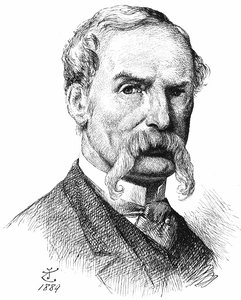
Джон Тённил
1820 - 1914 , Великобритания
Основные сведения
- Artistic Movement Or Style: Сатирическая иллюстрация
- Artists Or Movements Influenced By This Artist: ['Карикатуристы']
- Date Of Birth: 28 февраля 1820 г.
- Date Of Death: 1914 г.
- Full Name: Sir John Tenniel
- Nationality: британский
- Notable Artworks:
- Алиса в стране чудес
- Сквозь зеркало
- Place Of Birth: Бейсвотер, Великобритания
Похожие статьи

Ephemeral Visions: Exploring the History & Emotional Resonance of Watercolor Painting
Explore the captivating history of watercolor painting, from ancient techniques to modern masters like Kandinsky & Blake. Discover essential artists, collecting tips & the emotional power of this luminous medium. Expert insights for art enthusiasts.
Акварель: История, Техники и Современная Практика
Узнайте историю акварели от древности до современности, познакомьтесь с техниками и секретами мастеров. Пошаговое руководство для начинающих и вдохновение для опытных художников.

Топ-10 легендарных акварелей, изменивших искусство навсегда | ArtsDot
Погрузитесь в мир акварели! Откройте топ-10 легендарных картин Turner, Monet и других великих художников. История искусства, техники живописи и вдохновение для вашего интерьера. Репродукции музейного качества на ArtsDot.com.

Ephemeral Visions: Exploring the Artistic Legacy & Contemporary Practice of Watercolor Painting
Explore the captivating world of watercolor painting! Discover its rich history, essential techniques, influential artists & collecting tips. A comprehensive guide for art enthusiasts from ArtsDot.

Ephemeral Visions: Exploring the Artistic Legacy & Nuances of Watercolor Painting
Explore the captivating world of watercolor painting! Discover its rich history, essential techniques, influential artists & collecting tips from art experts. A comprehensive guide for enthusiasts.