 Предпросмотр
 Поделиться
 Поделиться
 Детали произведения

 Скачать
 Похожие работы
 Рентгенография
 Слайд-шоу
 Статистика
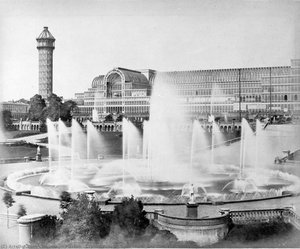
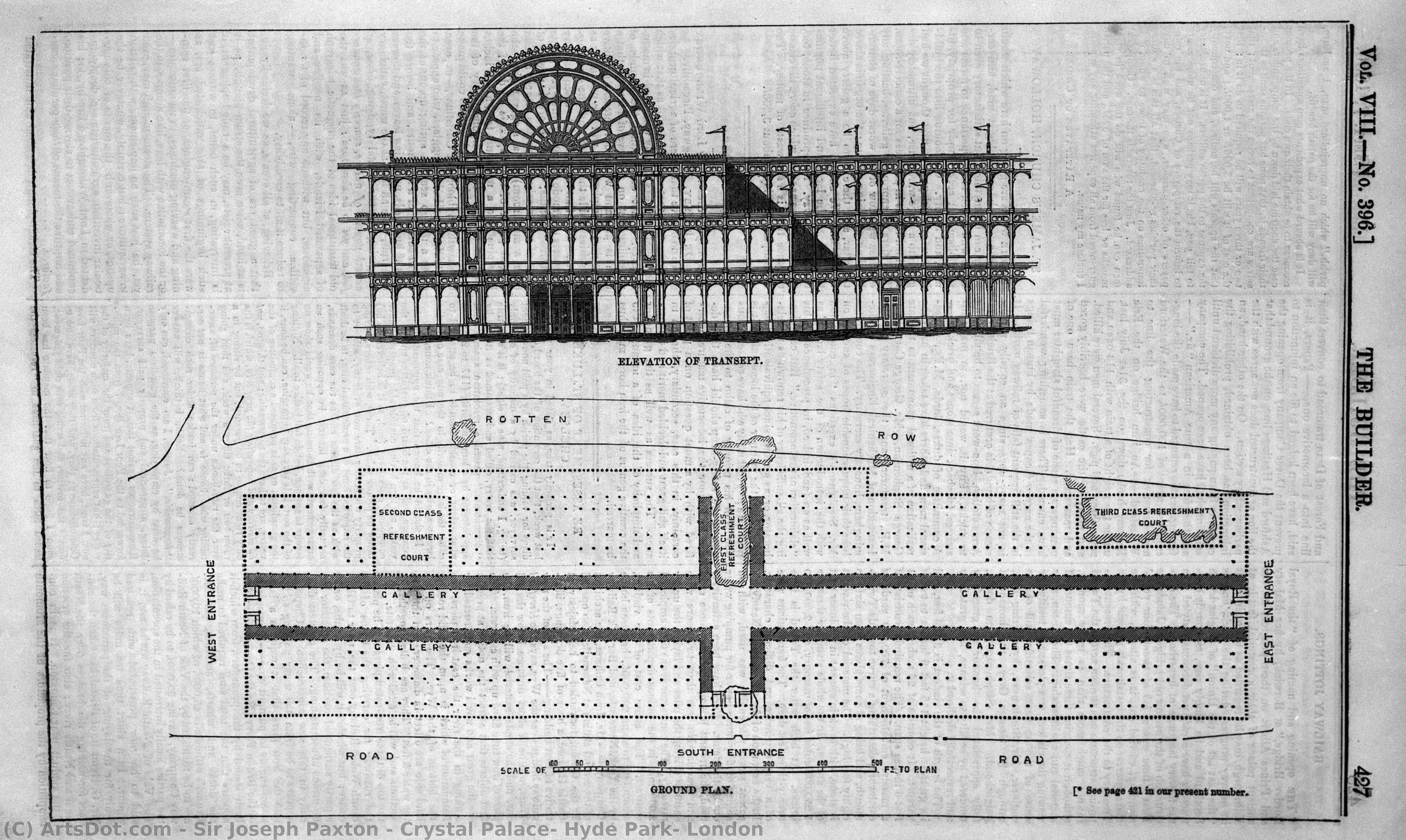
Crystal Palace, Hyde Park, London


 Читать далее
Масляная репродукция ручной работы
Картина маслом на холсте в выбранном вами размере и раме, написанная на заказ нашими художниками. ( Перейти к печати Перейти к цифровым изображениям)




































Выберите один из наших стандартных размеров, соответствующих оригинальным пропорциям произведения искусства.

Вы можете указать собственные размеры, чтобы картина идеально вписалась в выбранную раму или пространство. Если выбранный вами размер не соответствует пропорциям оригинала, мы либо обрежем полотно, либо расширим его за счет дополнительных элементов, написанных вручную. Цифровой макет будет отправлен вам на утверждение перед началом производства.
Обратите внимание, что предварительный просмотр на экране не отражает фактическую обрезку или расширение. Только макет точно покажет окончательную композицию.
Хотя доступны индивидуальные размеры, мы рекомендуем выбирать вариант из предопределенного списка, чтобы сохранить исходные пропорции.
После оформления заказа команда ArtsDot.com свяжется с клиентом по электронной почте для уточнения деталей и предоставит предварительный макет
Доставка по всему миру () за 3–4 недели вместо стандартных 5 недель. (12 Сентябрь). Без компромиссов в качестве.

Бесплатная экспресс-доставка по всему миру

Высококачественный льняной холст

Полное страхование доставки

Гарантия возмещения таможенных пошлин

Гарантия точного соответствия цветов

100-дневная политика возврата (только при обнаружении дефектов)

Гарантия возврата 100% средств

Предложение оптовых скидок
 Вариант со стеклом доступен только для размеров менее 110 см

Crystal Palace, Hyde Park, London
Техника репродукции
Размер репродукции
-


Итоговая стоимость
$ 263
Похожие произведения






Биография художника
The Visionary Architect of Light and Leaf
In the heart of the Victorian era, a period defined by rapid industrial expansion and scientific curiosity, there emerged a figure whose life work bridged the gap between the organic beauty of the natural world and the rigid precision of modern engineering. Sir Joseph Paxton was not merely an architect or a gardener; he was a polymath of the landscape, a man who could translate the delicate veins of a tropical leaf into the soaring iron ribs of a monumental glass palace. Born Milton Bryan in the quietude of Bedfordshire in 1803, his journey from a humble farming background to the heights of British political and architectural influence is a testament to an intellect that refused to be confined by traditional boundaries.
Paxton’s early fascination with botany, nurtured by his father’s horticultural passion, provided the essential foundation for his later structural triumphs. This deep-seated understanding of biological form became his greatest creative tool. He did not simply build structures; he cultivated them. His mastery of horticulture was famously demonstrated through his successful cultivation of the Cavendish banana, a feat that brought a taste of the tropics to Britain and established his reputation as a premier botanist. This intimate knowledge of how light, moisture, and structure interact within a living organism would later become the very soul of his architectural philosophy.
The Triumph of the Crystal Palace
The pinnacle of Paxton’s career arrived with the 1851 Great Exhibition, an event designed to showcase the industrial might of the British Empire. Tasked with designing a venue for this unprecedented global gathering, Paxton bypassed the heavy, stone-laden traditions of his contemporaries. Instead, he drew inspiration from the Victoria Amazonica, a colossal waterlily whose expansive leaves offered a blueprint for modularity and strength. This botanical metaphor led to the creation of the Crystal Palace, a breathtaking marvel of glass and iron that seemed to defy the weight of its own materials.
The construction of this edifice was nothing short of a revolution in engineering. By utilizing prefabricated components and an innovative "ridge-and-furrow" roof design, Paxton achieved a level of speed and efficiency previously thought impossible. The structure acted as a shimmering, translucent skin, allowing natural light to flood the interior and blurring the lines between the indoor exhibits and the surrounding greenery. It was a masterpiece of transparency, embodying the Victorian era's optimism and its belief in the infinite possibilities of progress. Through this work, Paxton proved that the industrial age could be just as elegant and organic as the gardens he so loved.
A Legacy Written in Glass and Greenery
Beyond the ephemeral glory of the Great Exhibition, Paxton’s influence permeated the very fabric of the English landscape. His architectural prowess extended to the design of magnificent public spaces, such as Birkenhead Park, which served as a vital precursor to the modern urban park system. His ability to integrate structural innovation with ecological sensitivity ensured that his legacy was not just found in museums or history books, but in the breathing, living spaces of the public. As the Director of Kew Gardens from 1845 until his death in 1865, he continued to shape the botanical landscape of the nation, ensuring that science and art remained inextricably linked.
The historical significance of Sir Joseph Paxton lies in his role as a pioneer of modernism. He anticipated the move toward lightweight, modular construction long before it became a global standard. His life remains a profound example of how scientific observation can drive artistic innovation. To look upon the legacy of the Crystal Palace is to see the moment when humanity learned to harness the strength of iron and the clarity of glass to celebrate the splendor of the natural world.
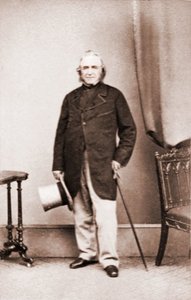
sir joseph paxton
1803 - 1865 , United Kingdom
Основные сведения
- Artistic Movement Or Style: Victorian Architecture
- Artists Or Movements Influenced By This Artist: ['Neo-classical']
- Artists Who Influenced This Artist: ['Charles Barry']
- Date Of Birth: August 3, 1803
- Date Of Death: June 8, 1865
- Full Name: Joseph Paxton
- Nationality: British
- Notable Artworks:
- Crystal Palace
- Knole House
- Place Of Birth: Milton Bryan, United Kingdom