 Предпросмотр
 Поделиться
 Поделиться
 Детали произведения

 Скачать
 Похожие работы
 Рентгенография
 Слайд-шоу
 Статистика
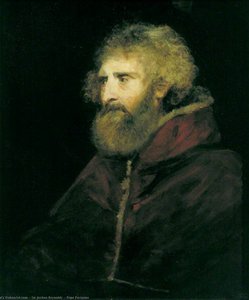
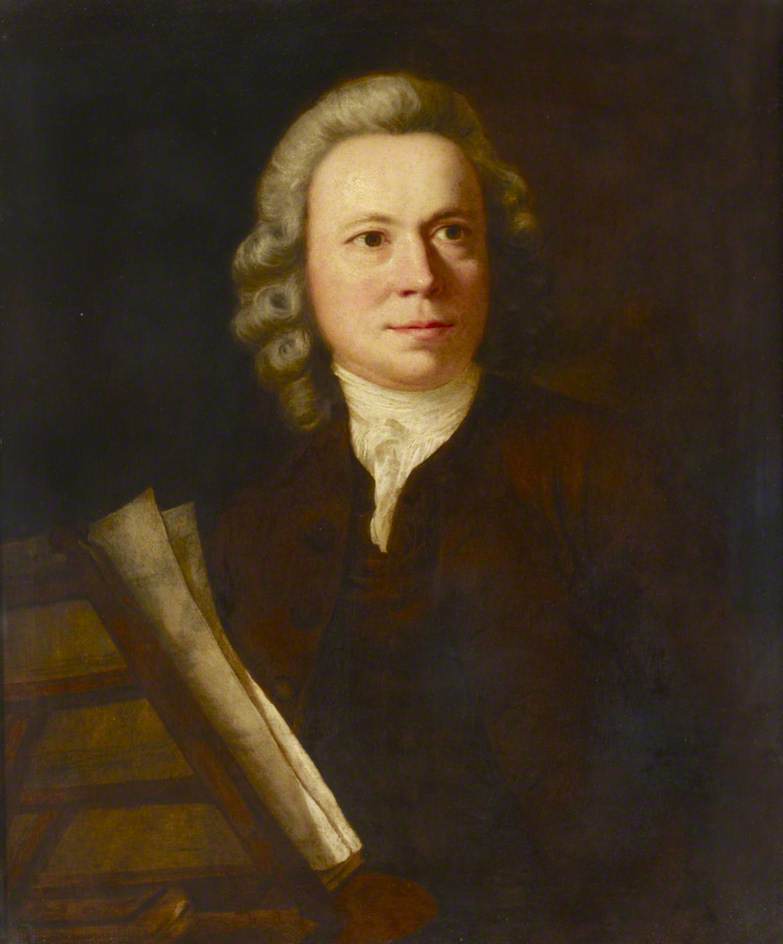
Called 'Johann Christoph Pepusch (1667–1752)'
 Oil On Canvas
- WallArt
- Neoclassicism
 1749
1749 74.0 x 62.0 cm
 Royal College of Music
 Читать далее
Масляная репродукция ручной работы
Картина маслом на холсте в выбранном вами размере и раме, написанная на заказ нашими художниками. ( Перейти к печати Перейти к цифровым изображениям)




P118B $10

P118H $10

P118W $10

P438Z $10

P508JH $12

P508YH $12

P805H $10

P805Z $10

P919BZ $10

P919G $10

P919XJ $10

P959ZH $10

P968JZ $12

W106C $8

W218G $10

W218JH $8

W218Y $10

W307PJ $10

W316G $10

W316PJ $8

W316Y $10

W398PJ $8

W4111J $10

W500HY $15

W500JH $15

W692G $12

W849H $8

W940BG $15

W953PJ $8




Выберите один из наших стандартных размеров, соответствующих оригинальным пропорциям произведения искусства.

Вы можете указать собственные размеры, чтобы картина идеально вписалась в выбранную раму или пространство. Если выбранный вами размер не соответствует пропорциям оригинала, мы либо обрежем полотно, либо расширим его за счет дополнительных элементов, написанных вручную. Цифровой макет будет отправлен вам на утверждение перед началом производства.
Обратите внимание, что предварительный просмотр на экране не отражает фактическую обрезку или расширение. Только макет точно покажет окончательную композицию.
Хотя доступны индивидуальные размеры, мы рекомендуем выбирать вариант из предопределенного списка, чтобы сохранить исходные пропорции.
После оформления заказа команда ArtsDot.com свяжется с клиентом по электронной почте для уточнения деталей и предоставит предварительный макет
Доставка по всему миру () за 3–4 недели вместо стандартных 5 недель. (10 Сентябрь). Без компромиссов в качестве.

Бесплатная экспресс-доставка по всему миру

Высококачественный льняной холст

Полное страхование доставки

Гарантия возмещения таможенных пошлин

Гарантия точного соответствия цветов

100-дневная политика возврата (только при обнаружении дефектов)

Гарантия возврата 100% средств

Предложение оптовых скидок
 Вариант со стеклом доступен только для размеров менее 110 см

Called 'Johann Christoph Pepusch (1667–1752)'
Техника репродукции
Размер репродукции
-


Итоговая стоимость
$ 263
A Window into the Enlightenment: Sir Joshua Reynolds’ ‘Johann Christoph Pepusch’
Sir Joshua Reynolds' “Johann Christoph Pepusch,” painted in 1749, isn’t merely a portrait; it’s a meticulously crafted window into the intellectual and social currents of 18th-century England. This captivating work, currently residing at the Royal College of Music in London, offers a glimpse into the world of musical scholarship and aristocratic patronage – a realm where intellect, refinement, and artistic skill converged. The painting depicts Pepusch, a German composer and musician who served as Kapellmeister to Frederick II, King of Prussia, and later to George II, King of Great Britain. Reynolds’ masterful handling of light, shadow, and texture elevates the scene beyond a simple likeness, imbuing it with an atmosphere of thoughtful contemplation and quiet authority.
Reynolds, considered the “father” of British portraiture, was deeply influenced by the Neoclassical ideals prevalent during the Enlightenment. He sought to elevate the genre, moving away from the often-frivolous depictions of earlier periods and embracing a more idealized and dignified representation of his subjects. Pepusch embodies this shift perfectly – he’s not presented as a mere musician, but as a learned gentleman engaged in serious intellectual pursuits. The composition itself is carefully orchestrated; the seated posture, the focused gaze, and the stack of papers all contribute to a sense of profound concentration.
The Language of Form: Technique and Composition
Technically, “Johann Christoph Pepusch” showcases Reynolds’ signature ‘Grand Style,’ characterized by its smooth surfaces, subtle gradations of color, and meticulous attention to detail. He employed a layering technique – building up the image through multiple thin applications of oil paint—to achieve an incredible level of luminosity and depth. Note the way light catches on the folds of Pepusch's coat, highlighting the texture of the fabric and creating a sense of three-dimensionality. The use of chiaroscuro (the contrast between light and dark) is particularly effective in sculpting Pepusch’s face, emphasizing his features and drawing attention to his intense expression.
The composition is balanced and harmonious, with a clear pyramidal structure that anchors the figure within the frame. Reynolds skillfully uses perspective to create a sense of space – the background fades into a dark brown haze, directing the viewer's eye directly to Pepusch. The arrangement of the papers suggests a scholarly environment, reinforcing the subject’s intellectual role. The careful placement of each element contributes to a feeling of order and control, reflecting the values of the Enlightenment.
Symbolism and Context: A Portrait of an Era
Beyond its technical brilliance, “Johann Christoph Pepusch” is rich in symbolic meaning. The stack of papers represents Pepusch’s scholarly work – his compositions, musical scores, or perhaps even legal documents related to his position as a court musician. His serious expression suggests not just intellectual engagement but also a sense of responsibility and authority. The powdered white wig, fashionable at the time, signifies status and erudition within the aristocratic circles he inhabited.
Painted in 1749, the work reflects the cultural climate of Britain during the reign of George II. Music held a prominent place in courtly life, and musicians like Pepusch were highly valued for their ability to entertain and impress the King. Reynolds’ portrait captures this atmosphere of intellectual sophistication and aristocratic patronage – a world where art, music, and scholarship intertwined seamlessly.
A Timeless Masterpiece: Reproduction and Beyond
Reproductions of “Johann Christoph Pepusch” offer an accessible way to experience the artistry and historical significance of this remarkable painting. ArtsDot’s high-quality reproductions faithfully capture the nuances of Reynolds' brushwork, color palette, and overall composition. Whether displayed in a formal study or a contemporary living space, this portrait serves as a reminder of the enduring power of art to illuminate the past and inspire the present.
Consider commissioning a custom reproduction in a size that complements your décor – from intimate tabletop pieces to grand statement wall hangings. Each reproduction is meticulously crafted using archival-quality materials, ensuring its longevity and preserving the beauty of Reynolds’ original masterpiece for generations to come. Explore ArtsDot's collection today and bring a touch of 18th-century elegance into your home.
Похожие произведения
Биография художника
A Luminary of the Enlightenment: The Life and Art of Sir Joshua Reynolds
Sir Joshua Reynolds, born in 1723 in the charming Devonshire town of Plympton, stands as a towering figure in the annals of British art. His life coincided with a period of profound cultural transformation – the Age of Enlightenment – and his artistic journey profoundly shaped the course of portraiture in England. From humble beginnings, nurtured by a scholarly father, Reynolds’ innate talent for observation and representation blossomed under the tutelage of Thomas Hudson in London, laying the foundation for a career that would ultimately define an era. Hudson's studio wasn’t merely a place of apprenticeship; it was a vibrant microcosm of fashionable society, exposing young Reynolds to the intricate demands and expectations of aristocratic patrons – a crucial element in understanding his later artistic approach. It wasn’t simply about replicating likeness; it was about constructing an image that reflected status, taste, and aspiration, a subtle yet powerful form of social commentary.Forging a ‘Grand Style’ for British Portraiture
Reynolds didn't merely absorb the techniques he learned from Hudson; he embarked on a deliberate quest for artistic innovation, deeply influenced by the masters of antiquity – Raphael, Michelangelo, and Titian. A pivotal moment in his development arrived with his sojourn to Rome in 1750. There, immersed in the heart of classical art, Reynolds absorbed the principles of the ‘Grand Style’ – an approach that prioritized idealized beauty, dramatic composition, and often incorporated allusions to history or mythology. He sought to elevate British portraiture beyond mere representation, imbuing it with a sense of dignity, intellectual weight, and a connection to the enduring values of the past. This ambition led him to experiment with incorporating elements of history painting into his work, frequently depicting his subjects in elaborate costumes and settings reminiscent of classical narratives or historical events – a deliberate strategy designed to elevate their status and imbue them with an aura of timelessness. Reynolds wasn’t simply capturing individuals; he was crafting enduring images that spoke to the ideals of power, intellect, and refinement.The First President and Champion of the Royal Academy
Reynolds' influence extended far beyond his own canvas. Recognizing the need for a formalized institution dedicated to fostering artistic talent and promoting national identity, he played a crucial role in establishing the Royal Academy of Arts in 1768. He was unanimously elected its first president – a position he held with unwavering dedication until his death in 1792. This wasn’t merely a title; it represented a profound shift in the perception of artists within British society. Reynolds tirelessly advocated for the importance of art education, championed the recognition of artists as professionals deserving of respect and patronage, and actively sought to elevate the status of painting alongside other liberal arts. His annual Discourses – lectures delivered to Academy students – became seminal texts on artistic theory and practice, outlining his vision for a distinctly British school of painting rooted in both tradition and innovation. He stressed the importance of meticulous observation of nature, rigorous technical skill, and cultivating an imaginative spirit—a holistic approach designed to nurture truly original artists. Reynolds’ leadership fundamentally transformed the landscape of British art, elevating its status and laying the groundwork for future generations of artistic achievement.Capturing an Era: Notable Works and Enduring Legacy
Reynolds' prolific output encompassed a vast array of portraits, each reflecting the personality and social standing of its subject. His portrait of Duke of Devonshire exemplifies his ability to capture aristocratic power and sophistication with subtle details and masterful composition. The painting exudes an air of authority and refinement, showcasing Reynolds’ skill in conveying both physical likeness and psychological depth. Similarly, Peter Darnell Muilman, Charles Crokatt and William Keable in a Landscape demonstrates his talent for integrating figures seamlessly into natural settings – a technique that added dynamism and narrative to his compositions. Mr and Mrs William Lindow offers a compelling glimpse into the intimacy and social dynamics of family life, revealing Reynolds’ ability to capture nuanced emotions and relationships. Beyond individual portraits, Reynolds excelled at group compositions, skillfully arranging multiple figures within a single frame to create dynamic and engaging narratives that reflected the complexities of British society. His works weren't simply technical exercises; they were carefully constructed stories—portraying the essence of an era through meticulously crafted images. Reynolds’ impact on British art is immeasurable. He not only established portraiture as a respected genre but also profoundly shaped the cultural identity of a nation undergoing rapid social and political change. His emphasis on the ‘Grand Style’ inspired generations of artists, while his leadership of the Royal Academy laid the foundation for the development of a thriving artistic community. Today, his paintings continue to captivate audiences with their elegance, psychological depth, and historical significance—a testament to the enduring power of his vision and artistry. His works are proudly displayed in prestigious collections across the globe, including the Tate Britain in London and the Royal Collection at Hampton Court Palace, ensuring that his legacy will continue to inspire and inform for centuries to come.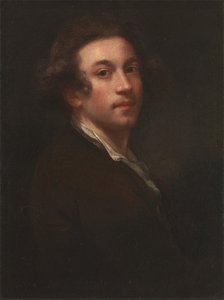
Рейнольдс
1723 - 1792 , Великобритания
Основные сведения
- Artistic Movement Or Style: Гранд Стиль портрета
- Artists Or Movements Influenced By This Artist: ['Томас Худсон']
- Artists Who Influenced This Artist: ['Томас Гадсон']
- Date Of Birth: 1723
- Date Of Death: 1792
- Full Name: Sir Joshua Reynolds
- Nationality: Британский
- Notable Artworks:
- Портрет герцога Девоншира
- Мистер и миссис Уильям Линдоу
- Place Of Birth: Плимут, Великобритания
Похожие статьи
10 Шедевров Неоклассицизма: Искусство, Определившее Эпоху | ArtsDot
Погрузитесь в мир неоклассицизма! 10 шедевров от Давида, Канновы и других великих художников. Узнайте историю создания культовых картин и вдохновитесь для интерьера. Репродукции музейного качества на ArtsDot.com

Oil on Canvas: A Historical & Technical Exploration of a Timeless Artistic Medium
Explore the rich history & enduring techniques of oil painting on canvas. Discover the science behind its longevity, conservation practices, and contemporary relevance. Expert insights for art enthusiasts.
Сир Джошуа Рейнольдс: 25 шедевров портретной живописи для ценителей искусства и декора
Погрузитесь в мир Сира Джошуа Рейнольдса! 25 величайших портретов английского искусства XVIII века. Узнайте историю создания шедевров, технику живописи и вдохновитесь для декора интерьера. Репродукции картин высокого качества на ArtsDot.com.
Sir Joshua Reynolds: Shaping British Art Through Grand Style & Societal Portraiture
Explore the life & work of Sir Joshua Reynolds, a master of British portraiture and founder of the Royal Academy. Discover his 'Grand Style,' techniques, and lasting influence on art history. Learn more at ArtsDot.

The Enduring Legacy of Oil on Canvas: Technique, History & Aesthetic Impact
Explore the rich history & techniques of oil painting – from Renaissance masters to Impressionism. Discover pigments, layering methods, and why this timeless medium endures. Expert insights for artists & art enthusiasts.