

 Предпросмотр
 Поделиться
 Поделиться
 Детали произведения

 Скачать
 Похожие работы
 Рентгенография
 Слайд-шоу
 Статистика
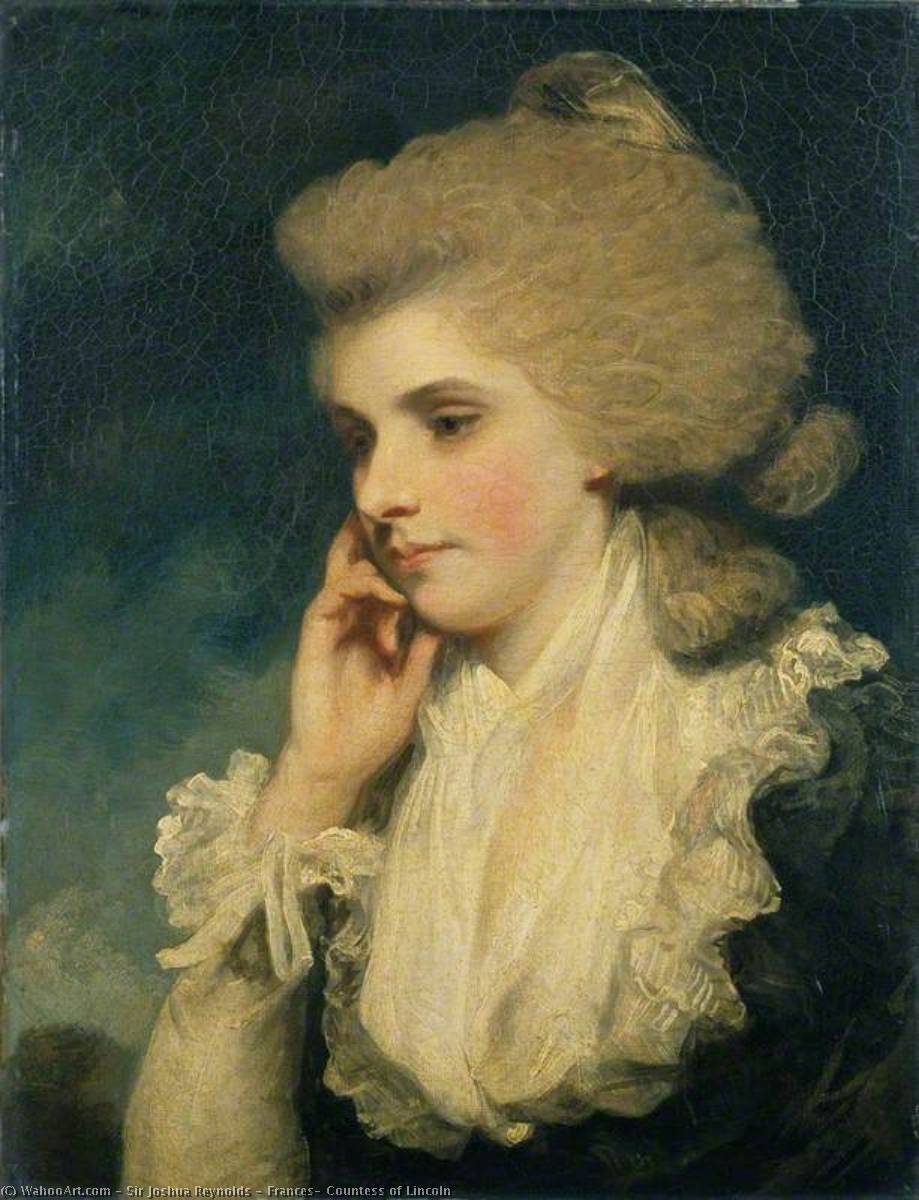
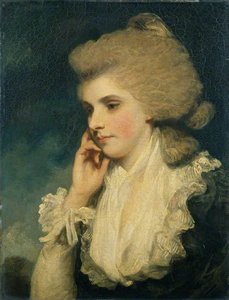
Frances, Countess of Lincoln
 Acrylic On Canvas
- WallArt
- Neoclassicism
 1782
1782 61.0 x 47.0 cm
 Уоллоус Коллекшн
 Читать далее
Приобретите цифровое изображение высокого разрешения в улучшенном качестве, которое значительно превосходит онлайн-превью.
Каждый файл тщательно подготавливается нашими специалистами с использованием передовых инструментов и экспертной ручной ретуши. Мы гарантируем исключительную четкость, точную цветопередачу и детальную проработку каждого изображения.
Финальный файл доставляется по электронной почте в течение 72 часов и оптимизирован для немедленного использования в профессиональной среде, при верстке и печати. Это тот же уровень качества, которому доверяют ведущие дизайнерские студии, издательства и галереи.
Цифровое изображение
Скачайте файл высокого разрешения для личного использования, печати и творческих проектов. ( Перейти к печати Купить картину ручной работы)
Включено в каждый заказ цифровых изображений
Гарантия экспертной цифровой доставки
Выбирая ArtsDot.com, вы получаете не просто изображение — вы приобретаете профессионально обработанное цифровое произведение искусства, созданное с безупречной точностью и под защитой гарантии качества. Вот всё, что автоматически входит в ваш заказ:

Мгновенная доставка по e-mail
Ваш цифровой файл в высоком разрешении будет отправлен вам по электронной почте в течение 72 часов после оформления заказа — и сразу станет доступен для использования.

Цифровой файл с ИИ-улучшением
Ваше произведение искусства проходит профессиональную оптимизацию с использованием передовых инструментов ИИ и ручной обработки, что гарантирует максимальную детализацию, четкость и точность цветопередачи.

Бессрочная бесплатная повторная доставка
Случайно удалили или потеряли файл? Не беспокойтесь — мы отправим его вам повторно в любое время и совершенно бесплатно.

Без импортных пошлин — навсегда
Наслаждайтесь вашим произведением искусства мгновенно без таможенных пошлин, сборов или затрат на доставку — цифровые загрузки всегда не облагаются налогом.

Гарантия точности цветопередачи
Мы гарантируем, что ваше цифровое изображение максимально точно передает оригинальные цвета благодаря использованию профессиональных инструментов и систем управления цветом.

Гарантия удовлетворенности 100 дней
Если вы не будете удовлетворены своим цифровым изображением, мы внесем правки или вернем 100% стоимости в течение 100 дней — без лишних вопросов.

100% Гарантия возврата средств
Не удовлетворены покупкой? Получите полный возврат средств в течение 100 дней после получения цифрового файла — без лишних вопросов.

Скидки на оптовые заказы
Купите 3 изображения, сэкономьте 10% — Купите 5, сэкономьте 15% — Купите 10+, сэкономьте 20%. Отличное решение для творческих проектов, галерей и агентств.
A Portrait of Grace: Sir Joshua Reynolds’ ‘Frances, Countess of Lincoln’
Sir Joshua Reynolds' “Frances, Countess of Lincoln,” painted in 1782, is more than just a likeness; it’s a carefully constructed tableau of aristocratic elegance and subtle psychological depth. This exquisite portrait captures the essence of a woman poised between societal expectation and quiet introspection – a captivating study in light, color, and the artful manipulation of visual cues. The painting immediately draws the eye to Frances herself, a vision in creamy white silk, her blonde hair swept back from a face that holds both serenity and a hint of melancholy. Her pearl necklace, a symbol of wealth and status, rests delicately against her décolletage, while her downward gaze suggests a private contemplation, inviting the viewer into her world.
Reynolds, a towering figure in 18th-century British art, was a master of the “Grand Style,” a technique he championed that prioritized idealized beauty and meticulous detail. He believed that portraiture should not merely record appearance but also convey character and social standing. Here, this belief is brilliantly realized. The composition itself is carefully balanced – the Countess occupies the central space, framed by a richly patterned brocade gown and a subtle, yet effective, use of chiaroscuro (the contrast between light and dark). Notice how Reynolds expertly uses soft lighting to illuminate Frances’ face, highlighting her features while leaving the background in gentle shadow, creating a sense of depth and intimacy.
The Context of Regency Portraiture
To fully appreciate “Frances, Countess of Lincoln,” it's crucial to understand the artistic and social context in which it was created. The late 18th century – the Regency period – was an era of immense wealth and refinement for the British aristocracy. Portraits were not simply decorative; they served as vital documents, recording lineage, status, and influence. Reynolds’ studio was a bustling hub, catering to a demanding clientele eager to immortalize themselves before the camera (or, in this case, the brush) could capture their fleeting beauty. He understood that his patrons desired more than a simple representation; they sought an idealized image that reflected their aspirations and reinforced their position within society.
The Countess’s attire—the voluminous gown, the delicate lace trim—are hallmarks of Regency fashion, reflecting the era's emphasis on elegance and ornamentation. The subtle inclusion of a bird perched near the top right corner adds an element of naturalism and perhaps even a touch of symbolism – birds often represented grace, beauty, or freedom in art of this period. The background, a hazy blue sky with suggestive clouds, provides a sense of spaciousness and tranquility, further enhancing the feeling of serenity surrounding the Countess.
Symbolism and Emotional Resonance
Beyond its technical brilliance, “Frances, Countess of Lincoln” is rich in symbolic meaning. The pearl necklace, as mentioned earlier, represents wealth and status, but it also speaks to a woman’s role within her society – a symbol of adornment and refinement. Her downward gaze, however, hints at something deeper—a quiet contemplation, perhaps even a touch of sadness or wistfulness. It's this subtle emotional complexity that elevates the portrait beyond a mere likeness; it invites us to connect with Frances on a human level.
Reynolds’ skill lies in his ability to capture not just outward appearance but also an underlying mood and personality. He achieves this through careful observation of his subject, combined with a masterful understanding of light, color, and composition. “Frances, Countess of Lincoln” remains a testament to Reynolds' genius – a beautiful and enduring portrait that continues to captivate viewers centuries after its creation.
Bringing ‘Frances’ Home: A Hand-Painted Reproduction
ArtsDot offers exquisite, hand-painted reproductions of Sir Joshua Reynolds’ “Frances, Countess of Lincoln.” Each reproduction is meticulously crafted by skilled artists who have studied Reynolds' techniques and strive to capture the painting’s original beauty and nuance. Unlike digital prints, our hand-painted reproductions possess a depth and richness that cannot be replicated—a tactile quality that brings this iconic portrait to life in your home or office.
Available in a range of sizes, from intimate miniatures to grand statement pieces, our reproductions are perfect for art collectors, interior designers, and anyone seeking to add a touch of timeless elegance to their space. Experience the artistry of Sir Joshua Reynolds firsthand – order your hand-painted reproduction of “Frances, Countess of Lincoln” today.
Похожие произведения
Биография художника
A Luminary of the Enlightenment: The Life and Art of Sir Joshua Reynolds
Sir Joshua Reynolds, born in 1723 in the charming Devonshire town of Plympton, stands as a towering figure in the annals of British art. His life coincided with a period of profound cultural transformation – the Age of Enlightenment – and his artistic journey profoundly shaped the course of portraiture in England. From humble beginnings, nurtured by a scholarly father, Reynolds’ innate talent for observation and representation blossomed under the tutelage of Thomas Hudson in London, laying the foundation for a career that would ultimately define an era. Hudson's studio wasn’t merely a place of apprenticeship; it was a vibrant microcosm of fashionable society, exposing young Reynolds to the intricate demands and expectations of aristocratic patrons – a crucial element in understanding his later artistic approach. It wasn’t simply about replicating likeness; it was about constructing an image that reflected status, taste, and aspiration, a subtle yet powerful form of social commentary.Forging a ‘Grand Style’ for British Portraiture
Reynolds didn't merely absorb the techniques he learned from Hudson; he embarked on a deliberate quest for artistic innovation, deeply influenced by the masters of antiquity – Raphael, Michelangelo, and Titian. A pivotal moment in his development arrived with his sojourn to Rome in 1750. There, immersed in the heart of classical art, Reynolds absorbed the principles of the ‘Grand Style’ – an approach that prioritized idealized beauty, dramatic composition, and often incorporated allusions to history or mythology. He sought to elevate British portraiture beyond mere representation, imbuing it with a sense of dignity, intellectual weight, and a connection to the enduring values of the past. This ambition led him to experiment with incorporating elements of history painting into his work, frequently depicting his subjects in elaborate costumes and settings reminiscent of classical narratives or historical events – a deliberate strategy designed to elevate their status and imbue them with an aura of timelessness. Reynolds wasn’t simply capturing individuals; he was crafting enduring images that spoke to the ideals of power, intellect, and refinement.The First President and Champion of the Royal Academy
Reynolds' influence extended far beyond his own canvas. Recognizing the need for a formalized institution dedicated to fostering artistic talent and promoting national identity, he played a crucial role in establishing the Royal Academy of Arts in 1768. He was unanimously elected its first president – a position he held with unwavering dedication until his death in 1792. This wasn’t merely a title; it represented a profound shift in the perception of artists within British society. Reynolds tirelessly advocated for the importance of art education, championed the recognition of artists as professionals deserving of respect and patronage, and actively sought to elevate the status of painting alongside other liberal arts. His annual Discourses – lectures delivered to Academy students – became seminal texts on artistic theory and practice, outlining his vision for a distinctly British school of painting rooted in both tradition and innovation. He stressed the importance of meticulous observation of nature, rigorous technical skill, and cultivating an imaginative spirit—a holistic approach designed to nurture truly original artists. Reynolds’ leadership fundamentally transformed the landscape of British art, elevating its status and laying the groundwork for future generations of artistic achievement.Capturing an Era: Notable Works and Enduring Legacy
Reynolds' prolific output encompassed a vast array of portraits, each reflecting the personality and social standing of its subject. His portrait of Duke of Devonshire exemplifies his ability to capture aristocratic power and sophistication with subtle details and masterful composition. The painting exudes an air of authority and refinement, showcasing Reynolds’ skill in conveying both physical likeness and psychological depth. Similarly, Peter Darnell Muilman, Charles Crokatt and William Keable in a Landscape demonstrates his talent for integrating figures seamlessly into natural settings – a technique that added dynamism and narrative to his compositions. Mr and Mrs William Lindow offers a compelling glimpse into the intimacy and social dynamics of family life, revealing Reynolds’ ability to capture nuanced emotions and relationships. Beyond individual portraits, Reynolds excelled at group compositions, skillfully arranging multiple figures within a single frame to create dynamic and engaging narratives that reflected the complexities of British society. His works weren't simply technical exercises; they were carefully constructed stories—portraying the essence of an era through meticulously crafted images. Reynolds’ impact on British art is immeasurable. He not only established portraiture as a respected genre but also profoundly shaped the cultural identity of a nation undergoing rapid social and political change. His emphasis on the ‘Grand Style’ inspired generations of artists, while his leadership of the Royal Academy laid the foundation for the development of a thriving artistic community. Today, his paintings continue to captivate audiences with their elegance, psychological depth, and historical significance—a testament to the enduring power of his vision and artistry. His works are proudly displayed in prestigious collections across the globe, including the Tate Britain in London and the Royal Collection at Hampton Court Palace, ensuring that his legacy will continue to inspire and inform for centuries to come.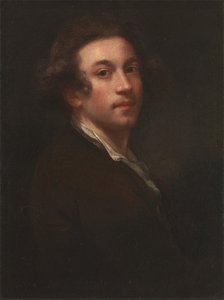
Рейнольдс
1723 - 1792 , Великобритания
Основные сведения
- Artistic Movement Or Style: Гранд Стиль портрета
- Artists Or Movements Influenced By This Artist: ['Томас Худсон']
- Artists Who Influenced This Artist: ['Томас Гадсон']
- Date Of Birth: 1723
- Date Of Death: 1792
- Full Name: Sir Joshua Reynolds
- Nationality: Британский
- Notable Artworks:
- Портрет герцога Девоншира
- Мистер и миссис Уильям Линдоу
- Place Of Birth: Плимут, Великобритания