 Предпросмотр
 Поделиться
 Поделиться
 Детали произведения

 Скачать
 Похожие работы
 Рентгенография
 Слайд-шоу
 Статистика
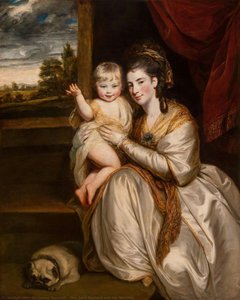
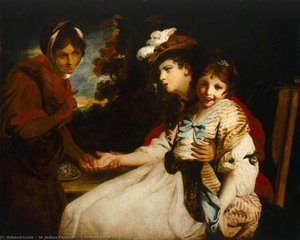
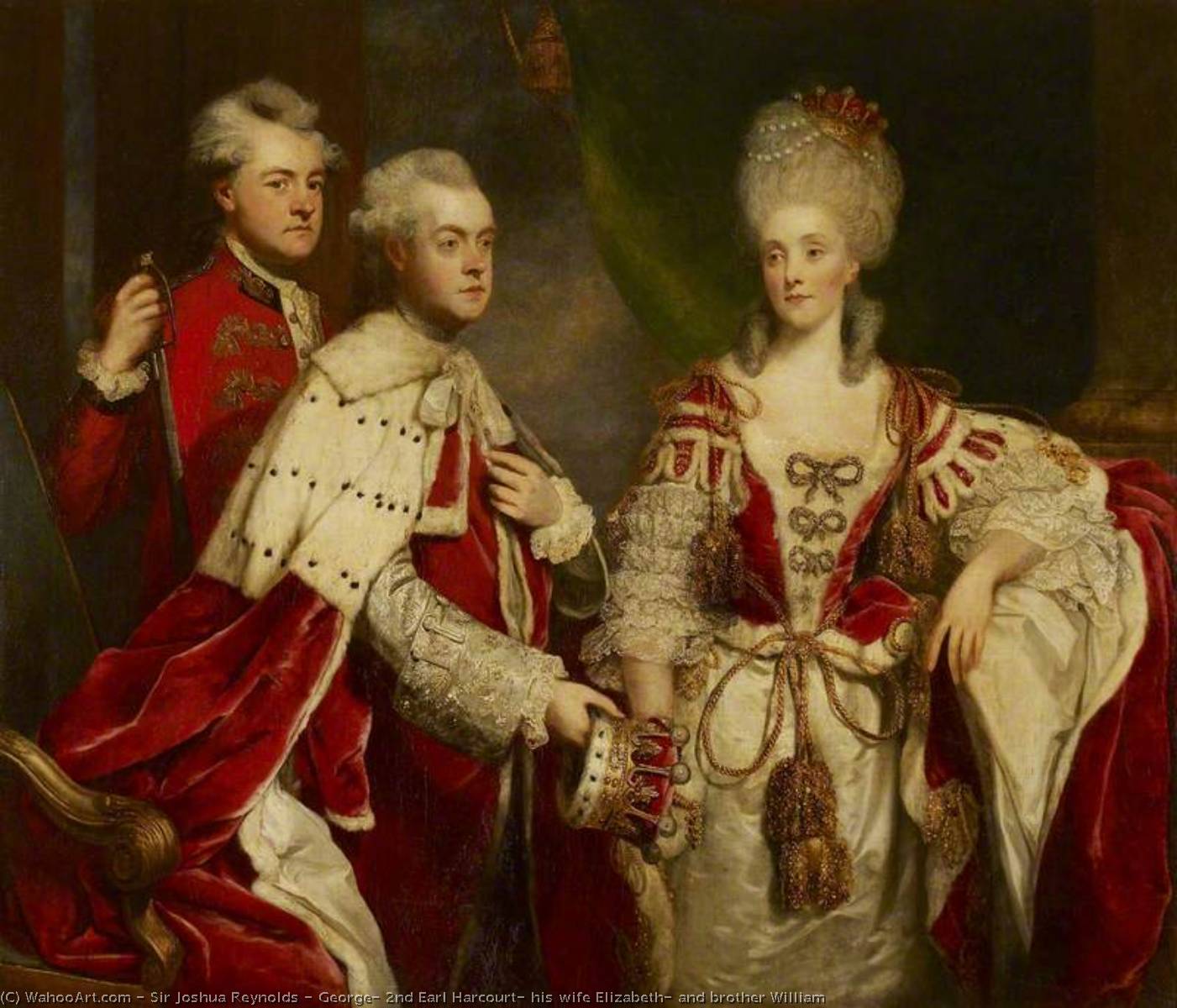
George, 2nd Earl Harcourt, his wife Elizabeth, and brother William
 Acrylic
- WallArt
- Baroque
 1780
1780 148.0 x 172.0 cm
 Ашмолеанский музей искусств и археологии
 Читать далее
Масляная репродукция ручной работы
Картина маслом на холсте в выбранном вами размере и раме, написанная на заказ нашими художниками. ( Перейти к печати Перейти к цифровым изображениям)




P118B $10

P118H $10

P118W $10

P438Z $10

P508JH $12

P508YH $12

P805H $10

P805Z $10

P919BZ $10

P919G $10

P919XJ $10

P959ZH $10

P968JZ $12

W106C $8

W218G $10

W218JH $8

W218Y $10

W307PJ $10

W316G $10

W316PJ $8

W316Y $10

W398PJ $8

W4111J $10

W500HY $15

W500JH $15

W692G $12

W849H $8

W940BG $15

W953PJ $8




Выберите один из наших стандартных размеров, соответствующих оригинальным пропорциям произведения искусства.

Вы можете указать собственные размеры, чтобы картина идеально вписалась в выбранную раму или пространство. Если выбранный вами размер не соответствует пропорциям оригинала, мы либо обрежем полотно, либо расширим его за счет дополнительных элементов, написанных вручную. Цифровой макет будет отправлен вам на утверждение перед началом производства.
Обратите внимание, что предварительный просмотр на экране не отражает фактическую обрезку или расширение. Только макет точно покажет окончательную композицию.
Хотя доступны индивидуальные размеры, мы рекомендуем выбирать вариант из предопределенного списка, чтобы сохранить исходные пропорции.
После оформления заказа команда ArtsDot.com свяжется с клиентом по электронной почте для уточнения деталей и предоставит предварительный макет
Доставка по всему миру () за 3–4 недели вместо стандартных 5 недель. (13 Сентябрь). Без компромиссов в качестве.

Бесплатная экспресс-доставка по всему миру

Высококачественный льняной холст

Полное страхование доставки

Гарантия возмещения таможенных пошлин

Гарантия точного соответствия цветов

100-дневная политика возврата (только при обнаружении дефектов)

Гарантия возврата 100% средств

Предложение оптовых скидок
 Вариант со стеклом доступен только для размеров менее 110 см

George, 2nd Earl Harcourt, his wife Elizabeth, and brother William
Техника репродукции
Размер репродукции
-


Итоговая стоимость
$ 263
A Portrait of Aristocratic Dignity: Examining Sir Joshua Reynolds’ “George, 2nd Earl Harcourt, his wife Elizabeth, and brother William”
Sir Joshua Reynolds' "George, 2nd Earl Harcourt, his wife Elizabeth, and brother William," painted in 1780, stands as a quintessential example of Enlightenment portraiture—a genre deeply invested in portraying not merely physical likeness but also the moral character and social standing of its subjects. Executed during a period marked by intellectual ferment and artistic innovation, this monumental canvas embodies Reynolds’ mastery of technique and his profound understanding of the psychological complexities inherent in capturing human presence on canvas. The artwork resides within Ashmolean Museum, Oxford, offering visitors an unparalleled opportunity to appreciate its enduring beauty and historical significance.- Subject Matter & Composition: The painting depicts George Harcourt, second Earl, alongside his wife Elizabeth and brother William—members of the influential British aristocracy. Reynolds skillfully arranges them within a formal interior setting, dominated by a richly upholstered chair positioned prominently at the base of the composition. This deliberate placement underscores the importance of social hierarchy and reinforces the portrait’s status as documentation of an elite gathering.
- Style & Technique: Reynolds championed a revolutionary approach to portraiture—moving away from Mannerist conventions toward a more naturalistic style informed by scientific observation. He meticulously studied anatomy and drapery, employing sfumato—a technique characterized by subtle gradations of tone—to achieve an ethereal luminosity that softens the contours of the figures and imbues them with an air of serenity. Reynolds’ masterful brushwork captures the textures of fabric and skin with remarkable precision.
Historical Context & Artistic Influences
Painted in 1780, “George, 2nd Earl Harcourt” reflects the broader cultural landscape of Britain during the Enlightenment. Reynolds’ work aligns closely with the prevailing ideals of reason and observation championed by thinkers like Isaac Newton and Voltaire. He drew inspiration from Caravaggio's dramatic chiaroscuro—the interplay of light and shadow—to heighten emotional impact and create a sense of theatrical grandeur. Furthermore, Reynolds’ meticulous attention to detail demonstrates the influence of Dutch portrait painters who had pioneered techniques for conveying psychological realism.- Symbolism & Significance: The chair serves as more than just an architectural element; it symbolizes power and authority—a visual shorthand for the Earl Harcourt's position within society. Reynolds’ use of muted colors contributes to the painting’s contemplative mood, reflecting the aristocratic sensibilities of the time. The dignified poses of the figures convey confidence and composure, embodying the virtues prized by Enlightenment thinkers.
Emotional Impact & Legacy
“George, 2nd Earl Harcourt” transcends mere representation; it aspires to evoke a profound emotional response in the viewer. Reynolds’ skillful rendering of facial expressions captures subtle nuances of emotion—a hint of melancholy mingled with pride—revealing glimpses into the inner lives of his subjects. The painting's enduring appeal lies in its ability to transport us back to a bygone era, capturing the elegance and sophistication of aristocratic society while simultaneously exploring universal themes of human dignity and contemplation. Its meticulous craftsmanship continues to inspire admiration among art historians and collectors alike.Похожие произведения
Биография художника
A Luminary of the Enlightenment: The Life and Art of Sir Joshua Reynolds
Sir Joshua Reynolds, born in 1723 in the charming Devonshire town of Plympton, stands as a towering figure in the annals of British art. His life coincided with a period of profound cultural transformation – the Age of Enlightenment – and his artistic journey profoundly shaped the course of portraiture in England. From humble beginnings, nurtured by a scholarly father, Reynolds’ innate talent for observation and representation blossomed under the tutelage of Thomas Hudson in London, laying the foundation for a career that would ultimately define an era. Hudson's studio wasn’t merely a place of apprenticeship; it was a vibrant microcosm of fashionable society, exposing young Reynolds to the intricate demands and expectations of aristocratic patrons – a crucial element in understanding his later artistic approach. It wasn’t simply about replicating likeness; it was about constructing an image that reflected status, taste, and aspiration, a subtle yet powerful form of social commentary.Forging a ‘Grand Style’ for British Portraiture
Reynolds didn't merely absorb the techniques he learned from Hudson; he embarked on a deliberate quest for artistic innovation, deeply influenced by the masters of antiquity – Raphael, Michelangelo, and Titian. A pivotal moment in his development arrived with his sojourn to Rome in 1750. There, immersed in the heart of classical art, Reynolds absorbed the principles of the ‘Grand Style’ – an approach that prioritized idealized beauty, dramatic composition, and often incorporated allusions to history or mythology. He sought to elevate British portraiture beyond mere representation, imbuing it with a sense of dignity, intellectual weight, and a connection to the enduring values of the past. This ambition led him to experiment with incorporating elements of history painting into his work, frequently depicting his subjects in elaborate costumes and settings reminiscent of classical narratives or historical events – a deliberate strategy designed to elevate their status and imbue them with an aura of timelessness. Reynolds wasn’t simply capturing individuals; he was crafting enduring images that spoke to the ideals of power, intellect, and refinement.The First President and Champion of the Royal Academy
Reynolds' influence extended far beyond his own canvas. Recognizing the need for a formalized institution dedicated to fostering artistic talent and promoting national identity, he played a crucial role in establishing the Royal Academy of Arts in 1768. He was unanimously elected its first president – a position he held with unwavering dedication until his death in 1792. This wasn’t merely a title; it represented a profound shift in the perception of artists within British society. Reynolds tirelessly advocated for the importance of art education, championed the recognition of artists as professionals deserving of respect and patronage, and actively sought to elevate the status of painting alongside other liberal arts. His annual Discourses – lectures delivered to Academy students – became seminal texts on artistic theory and practice, outlining his vision for a distinctly British school of painting rooted in both tradition and innovation. He stressed the importance of meticulous observation of nature, rigorous technical skill, and cultivating an imaginative spirit—a holistic approach designed to nurture truly original artists. Reynolds’ leadership fundamentally transformed the landscape of British art, elevating its status and laying the groundwork for future generations of artistic achievement.Capturing an Era: Notable Works and Enduring Legacy
Reynolds' prolific output encompassed a vast array of portraits, each reflecting the personality and social standing of its subject. His portrait of Duke of Devonshire exemplifies his ability to capture aristocratic power and sophistication with subtle details and masterful composition. The painting exudes an air of authority and refinement, showcasing Reynolds’ skill in conveying both physical likeness and psychological depth. Similarly, Peter Darnell Muilman, Charles Crokatt and William Keable in a Landscape demonstrates his talent for integrating figures seamlessly into natural settings – a technique that added dynamism and narrative to his compositions. Mr and Mrs William Lindow offers a compelling glimpse into the intimacy and social dynamics of family life, revealing Reynolds’ ability to capture nuanced emotions and relationships. Beyond individual portraits, Reynolds excelled at group compositions, skillfully arranging multiple figures within a single frame to create dynamic and engaging narratives that reflected the complexities of British society. His works weren't simply technical exercises; they were carefully constructed stories—portraying the essence of an era through meticulously crafted images. Reynolds’ impact on British art is immeasurable. He not only established portraiture as a respected genre but also profoundly shaped the cultural identity of a nation undergoing rapid social and political change. His emphasis on the ‘Grand Style’ inspired generations of artists, while his leadership of the Royal Academy laid the foundation for the development of a thriving artistic community. Today, his paintings continue to captivate audiences with their elegance, psychological depth, and historical significance—a testament to the enduring power of his vision and artistry. His works are proudly displayed in prestigious collections across the globe, including the Tate Britain in London and the Royal Collection at Hampton Court Palace, ensuring that his legacy will continue to inspire and inform for centuries to come.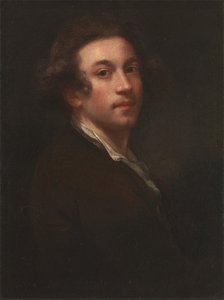
Рейнольдс
1723 - 1792 , Великобритания
Основные сведения
- Artistic Movement Or Style: Гранд Стиль портрета
- Artists Or Movements Influenced By This Artist: ['Томас Худсон']
- Artists Who Influenced This Artist: ['Томас Гадсон']
- Date Of Birth: 1723
- Date Of Death: 1792
- Full Name: Sir Joshua Reynolds
- Nationality: Британский
- Notable Artworks:
- Портрет герцога Девоншира
- Мистер и миссис Уильям Линдоу
- Place Of Birth: Плимут, Великобритания
Похожие статьи
Сир Джошуа Рейнольдс: 25 шедевров портретной живописи для ценителей искусства и декора
Погрузитесь в мир Сира Джошуа Рейнольдса! 25 величайших портретов английского искусства XVIII века. Узнайте историю создания шедевров, технику живописи и вдохновитесь для декора интерьера. Репродукции картин высокого качества на ArtsDot.com.
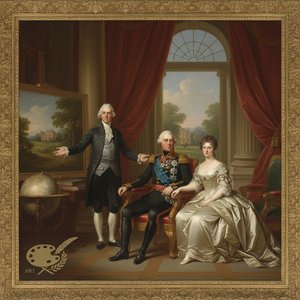
John Hoppner: Portraiture, Patronage & British Identity in the Late Georgian Era
Explore the life & work of John Hoppner, a leading Georgian portraitist. Discover his vibrant style, influential patrons, and lasting impact on British art history. Expert insights for collectors.
10 Шедевров Неоклассицизма: Искусство, Определившее Эпоху | ArtsDot
Погрузитесь в мир неоклассицизма! 10 шедевров от Давида, Канновы и других великих художников. Узнайте историю создания культовых картин и вдохновитесь для интерьера. Репродукции музейного качества на ArtsDot.com
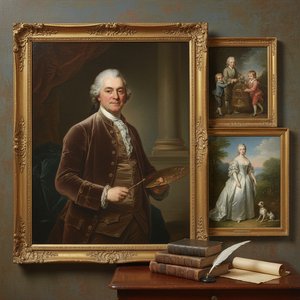
Sir Joshua Reynolds: Shaping British Art Through Grand Style & Societal Portraiture
Explore the life & work of Sir Joshua Reynolds, a master of British portraiture and founder of the Royal Academy. Discover his 'Grand Style,' techniques, and lasting influence on art history. Learn more at ArtsDot.
The Enduring Legacy of Classicism: Principles, Evolution & Influence in Western Art
Explore the enduring legacy of Classicism in Western art! Discover its historical context, key principles, iconic masterpieces & lasting influence. Learn about Renaissance and Neoclassical movements with ArtsDot.