


 Предпросмотр
 Поделиться
 Поделиться
 Детали произведения

 Скачать
 Похожие работы
 Рентгенография
 Слайд-шоу
 Статистика
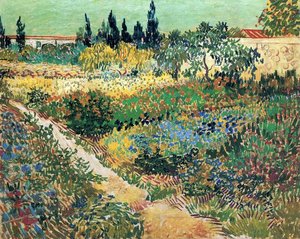
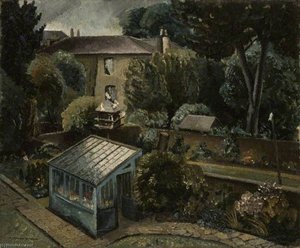
Garden Scene. Port Glasgow

 Читать далее
Приобретите цифровое изображение высокого разрешения в улучшенном качестве, которое значительно превосходит онлайн-превью.
Каждый файл тщательно подготавливается нашими специалистами с использованием передовых инструментов и экспертной ручной ретуши. Мы гарантируем исключительную четкость, точную цветопередачу и детальную проработку каждого изображения.
Финальный файл доставляется по электронной почте в течение 72 часов и оптимизирован для немедленного использования в профессиональной среде, при верстке и печати. Это тот же уровень качества, которому доверяют ведущие дизайнерские студии, издательства и галереи.
Цифровое изображение
Скачайте файл высокого разрешения для личного использования, печати и творческих проектов. ( Перейти к печати Купить картину ручной работы)
Включено в каждый заказ цифровых изображений
Гарантия экспертной цифровой доставки
Выбирая ArtsDot.com, вы получаете не просто изображение — вы приобретаете профессионально обработанное цифровое произведение искусства, созданное с безупречной точностью и под защитой гарантии качества. Вот всё, что автоматически входит в ваш заказ:

Мгновенная доставка по e-mail
Ваш цифровой файл в высоком разрешении будет отправлен вам по электронной почте в течение 72 часов после оформления заказа — и сразу станет доступен для использования.

Цифровой файл с ИИ-улучшением
Ваше произведение искусства проходит профессиональную оптимизацию с использованием передовых инструментов ИИ и ручной обработки, что гарантирует максимальную детализацию, четкость и точность цветопередачи.

Бессрочная бесплатная повторная доставка
Случайно удалили или потеряли файл? Не беспокойтесь — мы отправим его вам повторно в любое время и совершенно бесплатно.

Без импортных пошлин — навсегда
Наслаждайтесь вашим произведением искусства мгновенно без таможенных пошлин, сборов или затрат на доставку — цифровые загрузки всегда не облагаются налогом.

Гарантия точности цветопередачи
Мы гарантируем, что ваше цифровое изображение максимально точно передает оригинальные цвета благодаря использованию профессиональных инструментов и систем управления цветом.

Гарантия удовлетворенности 100 дней
Если вы не будете удовлетворены своим цифровым изображением, мы внесем правки или вернем 100% стоимости в течение 100 дней — без лишних вопросов.

100% Гарантия возврата средств
Не удовлетворены покупкой? Получите полный возврат средств в течение 100 дней после получения цифрового файла — без лишних вопросов.

Скидки на оптовые заказы
Купите 3 изображения, сэкономьте 10% — Купите 5, сэкономьте 15% — Купите 10+, сэкономьте 20%. Отличное решение для творческих проектов, галерей и агентств.
A Glimpse into a Verdant Paradise: Stanley Spencer's "Garden Scene. Port Glasgow"
Sir Stanley Spencer’s “Garden Scene. Port Glasgow” offers a captivating and intensely detailed study of botanical beauty, transporting the viewer to a lush, vibrant garden within the Scottish town. This artwork isn't merely a depiction of plants; it's an exploration of texture, color, and the sheer abundance of nature, rendered with Spencer’s signature meticulousness.
Style & Technique: Realism Infused with Impressionistic Vibrancy
Spencer masterfully blends realism with elements of Impressionism. While the subject matter is rooted in a precise observation of foliage – shrubs, bushes, flowering plants, and birch trees – the application of paint reveals a looser, more expressive approach. The dense layering of vegetation creates an almost claustrophobic sense of depth, achieved through overlapping forms and subtle shifts in color intensity. The technique appears to involve oil paints applied with meticulous attention to detail, capturing the granular quality of bark, the delicate structure of ferns, and the smooth surfaces of flowers. Notice how the diffused lighting, devoid of harsh shadows, contributes to a tranquil atmosphere, suggesting an overcast day or indirect sunlight. The artist’s use of color is particularly striking; greens dominate, ranging from deep forest hues to lighter, yellowish tones, punctuated by vibrant oranges and reds in the flowering plants, creating a visually rich experience.
Subject & Symbolism: Abundance and Tranquility
The subject matter is purely botanical – a detailed study of garden plants. However, beyond its descriptive qualities, the artwork carries symbolic weight. The profusion of life depicted evokes feelings of abundance, fertility, and natural beauty. It speaks to a sense of tranquility and appreciation for the restorative power of nature. Given Spencer’s known fascination with depicting everyday scenes with spiritual undertones, it's plausible that this garden represents more than just a physical space; perhaps symbolizing a personal haven or a reflection on the cyclical rhythms of life.
Historical Context & The Artist's Vision
Created by Sir Stanley Spencer (1891-1959), a renowned English painter, this work reflects his unique artistic vision. Spencer was deeply rooted in his surroundings, particularly the village of Cookham, which he famously described as "a village in heaven." While known for his depictions of biblical scenes set within the familiar landscape of Cookham, this garden scene demonstrates his broader interest in observing and capturing the beauty of the everyday world with an almost devotional intensity. Spencer’s style, influenced by French Post-Impressionism and early Italian painting, is characterized by its attention to detail and a willingness to explore both realism and expressive color palettes. His work often provoked shock and controversy initially, but today it's celebrated for its originality and profound emotional depth.
Похожие произведения
Биография художника
A Visionary of Cookham: The Life and Art of Sir Stanley Spencer
Sir Stanley Spencer, born in the tranquil village of Cookham, Berkshire, on June 30th, 1891, was an artist inextricably bound to his birthplace. His life’s work became a profound exploration of faith, humanity, and the sacredness found within everyday existence – all viewed through the lens of this beloved landscape. As the eighth child of William and Anna Caroline Spencer, Stanley's early education took an unconventional turn, guided primarily by his elder sisters, Annie and Florence, at home before he enrolled in the Slade School of Fine Art in London from 1908 to 1912 under the tutelage of Henry Tonks. This formal training provided a crucial foundation, yet it was Cookham – which Spencer famously described as “a village in heaven” – that truly shaped his artistic vision and served as the wellspring for his most enduring creations. He didn’t merely depict Cookham; he transformed it into a spiritual realm, a canvas upon which biblical narratives unfolded with startling intimacy and a remarkably modern sensibility.Blending the Sacred and the Secular
Spencer's distinctive style emerged as a compelling synthesis of diverse influences. The meticulous detail and Pre-Raphaelite reverence for nature were deeply ingrained in his work – he possessed an almost obsessive attention to light, color, and texture. However, he wasn’t simply replicating the aesthetics of past masters; he absorbed elements from French Post-Impressionism, particularly Paul Gauguin's expressive use of color and bold brushstrokes, and drew inspiration from early Italian painting, notably Giotto’s masterful compositions characterized by their clarity, simplicity, and emotional resonance. Yet, Spencer forged a path uniquely his own. His paintings weren’t mere illustrations of religious stories; they were deeply personal interpretations, populated not by idealized figures but by villagers he knew intimately – local farmers, shopkeepers, and families – cast as biblical characters. This deliberate blurring of the sacred and secular was revolutionary, presenting familiar faces within extraordinary narratives and inviting viewers to contemplate the divine in the ordinary. The *Resurrection, Cookham* (1924-1926), arguably his most celebrated work, exemplifies this approach brilliantly. It’s not a grand, ethereal depiction of resurrection; instead, it's a vibrant, earthy scene unfolding in the familiar fields surrounding Cookham, with local residents rising from their graves – a powerful meditation on life, death, and rebirth within a recognizable setting.Wartime Reflections and Murals of Remembrance
Spencer’s artistic journey wasn’t confined to idyllic landscapes and biblical scenes. The horrors of World War I profoundly impacted his work, shaping his perspective and influencing the emotional depth of his paintings. Serving first at the Beaufort War Hospital in Bristol and later in Macedonia, he witnessed firsthand the devastating consequences of conflict – a stark contrast to the peaceful beauty of Cookham. This experience culminated in a commission to create murals for the Sandham Memorial Chapel at Burghclere in Hampshire (1927-1932). These monumental paintings weren’t intended as glorifications of war; rather, they were honest, unflinching depictions of the lives of ordinary soldiers – their routines, anxieties, and quiet moments of contemplation. The arrangement of the murals consciously echoed Giotto's Arena Chapel in Padua, but Spencer infused it with a uniquely British sensibility and a deeply humanistic perspective. He sought to capture not the spectacle of battle but the profound impact of war on the individual soul. The *Dug-Out*, one of the most poignant scenes, depicts soldiers awaiting an attack, their faces etched with apprehension yet united in shared experience – a testament to the resilience of the human spirit amidst unimaginable circumstances. Later, during World War II, he again served as an Official War Artist, documenting the vital work being done in the shipyards on the Clyde, capturing the heroic teamwork and collective effort that fueled the war effort.Controversy, Personal Life, and Lasting Legacy
Despite his artistic brilliance, Spencer’s career was not without its challenges. His intensely personal vision and unconventional depictions of religious themes often provoked controversy. The frankness with which he explored sexuality in works like *Love Among the Nations* (1935) – a complex and emotionally charged painting depicting a group of villagers engaged in a picnic – scandalized some critics and led to rejection from the Royal Academy for a period. His personal life was equally complex, marked by passionate relationships and emotional turmoil. He married Hilda Carline in 1918, but their relationship was fraught with difficulties, eventually leading to divorce in 1937. His subsequent marriage to Patricia Preece, an artist herself, proved equally turbulent, yet it inspired some of his most daring and innovative work – particularly the series of nude portraits that explored themes of love, desire, and vulnerability. These paintings, including *The Leg of Mutton Nude* (1937), are both strikingly beautiful and profoundly unsettling, revealing a complex and often contradictory inner world. Despite these controversies, Sir Stanley Spencer’s influence on later generations of artists is undeniable. He foreshadowed aspects of Lucian Freud's unflinching realism and paved the way for a more honest and emotionally charged approach to religious art. His legacy endures not only through his paintings but also through his unique vision – a testament to the power of art to transform our understanding of ourselves, our world, and our place within it. He was knighted in 1959, shortly before his death on December 14th, 1959, leaving behind a body of work that continues to captivate and challenge viewers with its unique blend of spirituality, humanity, and artistic innovation.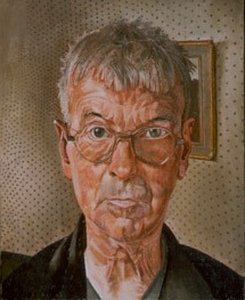
Стивен Спенсер
1891 - 1959 , Великобритания
Основные сведения
- Artistic Movement Or Style: Прерафаэлиты, Пост-импрессионизм
- Artists Or Movements Influenced By This Artist: ['Лучиан Фрейд']
- Artists Who Influenced This Artist:
- Поль Гоген
- Джото
- Date Of Birth: 30 июня 1891
- Date Of Death: 14 декабря 1959
- Full Name: Sir Stanley Spencer
- Nationality: Британский
- Notable Artworks:
- Воскресение в Кокхуме
- Возрождение в Кокхуме
- Самопортрет (1914)
- Place Of Birth: Кокхум, Великобритания