

 Предпросмотр
 Поделиться
 Поделиться
 Детали произведения

 Скачать
 Похожие работы
 Рентгенография
 Слайд-шоу
 Статистика
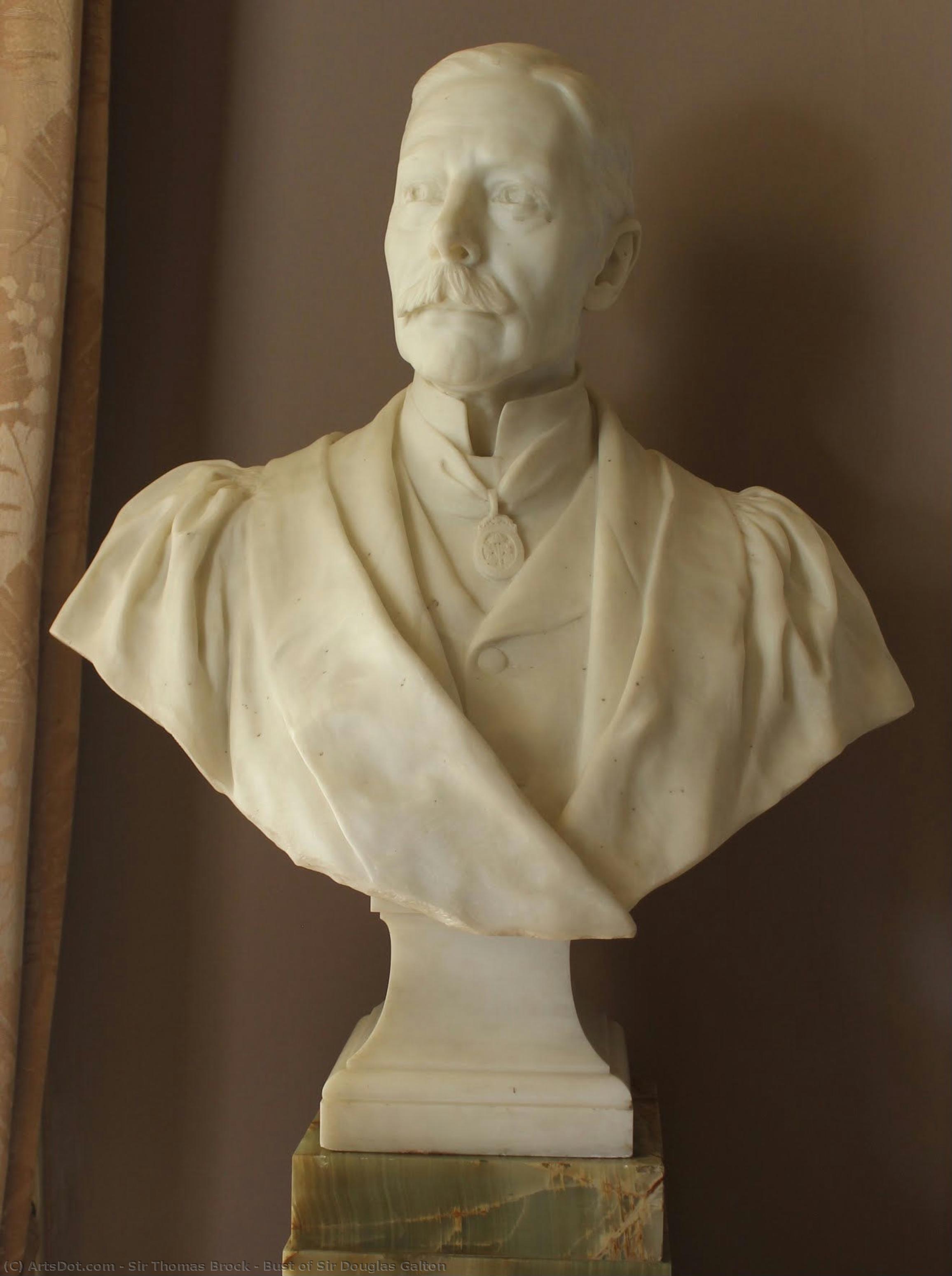
Bust of Sir Douglas Galton


 Читать далее
Приобретите цифровое изображение высокого разрешения в улучшенном качестве, которое значительно превосходит онлайн-превью.
Каждый файл тщательно подготавливается нашими специалистами с использованием передовых инструментов и экспертной ручной ретуши. Мы гарантируем исключительную четкость, точную цветопередачу и детальную проработку каждого изображения.
Финальный файл доставляется по электронной почте в течение 72 часов и оптимизирован для немедленного использования в профессиональной среде, при верстке и печати. Это тот же уровень качества, которому доверяют ведущие дизайнерские студии, издательства и галереи.
Цифровое изображение
Скачайте файл высокого разрешения для личного использования, печати и творческих проектов. ( Перейти к печати Купить картину ручной работы)
Включено в каждый заказ цифровых изображений
Гарантия экспертной цифровой доставки
Выбирая ArtsDot.com, вы получаете не просто изображение — вы приобретаете профессионально обработанное цифровое произведение искусства, созданное с безупречной точностью и под защитой гарантии качества. Вот всё, что автоматически входит в ваш заказ:

Мгновенная доставка по e-mail
Ваш цифровой файл в высоком разрешении будет отправлен вам по электронной почте в течение 72 часов после оформления заказа — и сразу станет доступен для использования.

Цифровой файл с ИИ-улучшением
Ваше произведение искусства проходит профессиональную оптимизацию с использованием передовых инструментов ИИ и ручной обработки, что гарантирует максимальную детализацию, четкость и точность цветопередачи.

Бессрочная бесплатная повторная доставка
Случайно удалили или потеряли файл? Не беспокойтесь — мы отправим его вам повторно в любое время и совершенно бесплатно.

Без импортных пошлин — навсегда
Наслаждайтесь вашим произведением искусства мгновенно без таможенных пошлин, сборов или затрат на доставку — цифровые загрузки всегда не облагаются налогом.

Гарантия точности цветопередачи
Мы гарантируем, что ваше цифровое изображение максимально точно передает оригинальные цвета благодаря использованию профессиональных инструментов и систем управления цветом.

Гарантия удовлетворенности 100 дней
Если вы не будете удовлетворены своим цифровым изображением, мы внесем правки или вернем 100% стоимости в течение 100 дней — без лишних вопросов.

100% Гарантия возврата средств
Не удовлетворены покупкой? Получите полный возврат средств в течение 100 дней после получения цифрового файла — без лишних вопросов.

Скидки на оптовые заказы
Купите 3 изображения, сэкономьте 10% — Купите 5, сэкономьте 15% — Купите 10+, сэкономьте 20%. Отличное решение для творческих проектов, галерей и агентств.
Похожие произведения










Биография художника
Sir Thomas Brock: Sculptor of Majesty and Movement
Sir Thomas Brock (1847-1922) stands as a towering figure in late Victorian and early 20th-century British sculpture, renowned not merely for his technical skill but for the monumental scale and deeply human qualities he imbued into his public works. Born in Worcester, England, to a painter and decorator, Brock’s artistic journey began with a foundational apprenticeship at the Worcester Royal Porcelain Works, a training that instilled within him an appreciation for form, texture, and meticulous craftsmanship. This early experience proved crucial as he later enrolled in the prestigious Government School of Design and subsequently the Royal Academy Schools, where his talent was recognized with a gold medal in 1869 – a testament to his burgeoning ability to capture both realism and emotional resonance.
Brock’s artistic development was profoundly shaped by his association with John Henry Foley, a leading sculptor of the time. Foley's emphasis on naturalism and a sympathetic portrayal of subjects—a philosophy deeply rooted in classical ideals—proved instrumental in guiding Brock’s own approach to sculpture. Following Foley’s untimely death in 1874, Brock skillfully completed several significant commissions, including monuments to Daniel O’Connell in Dublin and the imposing bronze equestrian statue of Lord Canning for Kolkata – achievements that firmly established his reputation as a master sculptor capable of tackling ambitious projects on an international stage.
The Albert Memorial and Beyond
Perhaps Brock's most enduring legacy is undoubtedly the Victoria Memorial, a breathtaking monument erected in front of Buckingham Palace to honor Queen Victoria. This colossal undertaking, completed in 1911, showcased Brock’s extraordinary ability to synthesize classical forms with Victorian grandeur. The sheer scale of the memorial—a complex arrangement of columns, statues, and allegorical figures—demanded not only technical mastery but also a profound understanding of monumental design. Legend has it that King George V was so moved by the quality of the work that he knighted Brock on the spot, solidifying his place among the highest ranks of British artists.
However, Brock’s contributions extended far beyond this single masterpiece. He also redesigned Queen Victoria's effigy for British coinage, a task demanding both artistic sensitivity and an understanding of public image. His work on the massive bronze equestrian statue of Edward, the Black Prince, in City Square, Leeds, further demonstrated his ability to capture historical figures with compelling immediacy. The completion of Prince Albert’s statue on the Albert Memorial, initially undertaken by Foley, marked a pivotal moment in Brock's career, catapulting him into the ranks of established sculptors and securing his position as a leading figure in the New Sculpture movement.
New Sculpture and Artistic Influences
Brock’s artistic trajectory is inextricably linked to the “New Sculpture” movement that flourished during the late Victorian era. This movement, spearheaded by figures like Frederic Leighton, sought to revitalize British sculpture by drawing inspiration from Renaissance and Baroque models—a deliberate departure from the more rigid academic traditions of the past. Brock embraced this shift, incorporating a greater sense of dynamism, emotional depth, and naturalism into his work. His sculptures are characterized by their graceful poses, expressive faces, and meticulous attention to detail – qualities that reflect both his classical training and his engagement with contemporary artistic trends.
Leighton’s influence is particularly evident in Brock's portraiture, which demonstrates a remarkable ability to capture the personality and character of his subjects. Brock’s portraits—busts, statues, and sepulchral monuments—are not merely representations of likeness but rather nuanced explorations of human emotion and experience. His work on figures such as Sir Richard Owen and Henry Philpott, bishop of Worcester, exemplifies this commitment to psychological realism.
A Legacy in Stone and Bronze
Sir Thomas Brock’s impact on the landscape of British sculpture is undeniable. From the grand scale of the Victoria Memorial to the intimate detail of his portrait busts, his work continues to captivate audiences with its beauty, power, and enduring relevance. His contributions extended beyond monumental commissions; he designed medals and coinage, reflecting a versatility that cemented his position as one of the most prolific and respected sculptors of his time. Brock’s legacy is preserved not only in the monuments he created but also in the influence he exerted on subsequent generations of artists, ensuring that his vision continues to inspire and enrich the world of sculpture today.
Sir Thomas Brock
1847 - 1922 , United Kingdom
Основные сведения
- Artistic Movement Or Style: New Sculpture
- Artists Or Movements Influenced By This Artist: ['New Sculpture movement']
- Artists Who Influenced This Artist:
- John Henry Foley
- Frederic Leighton
- Date Of Birth: March 1847
- Date Of Death: August 1922
- Full Name: Sir Thomas Brock
- Nationality: English
- Notable Artworks:
- Victoria Memorial
- Edward Black Prince
- Prince Albert
- Place Of Birth: Worcester, UK