

 Предпросмотр
 Поделиться
 Поделиться
 Детали произведения

 Скачать
 Похожие работы
 Рентгенография
 Слайд-шоу
 Статистика
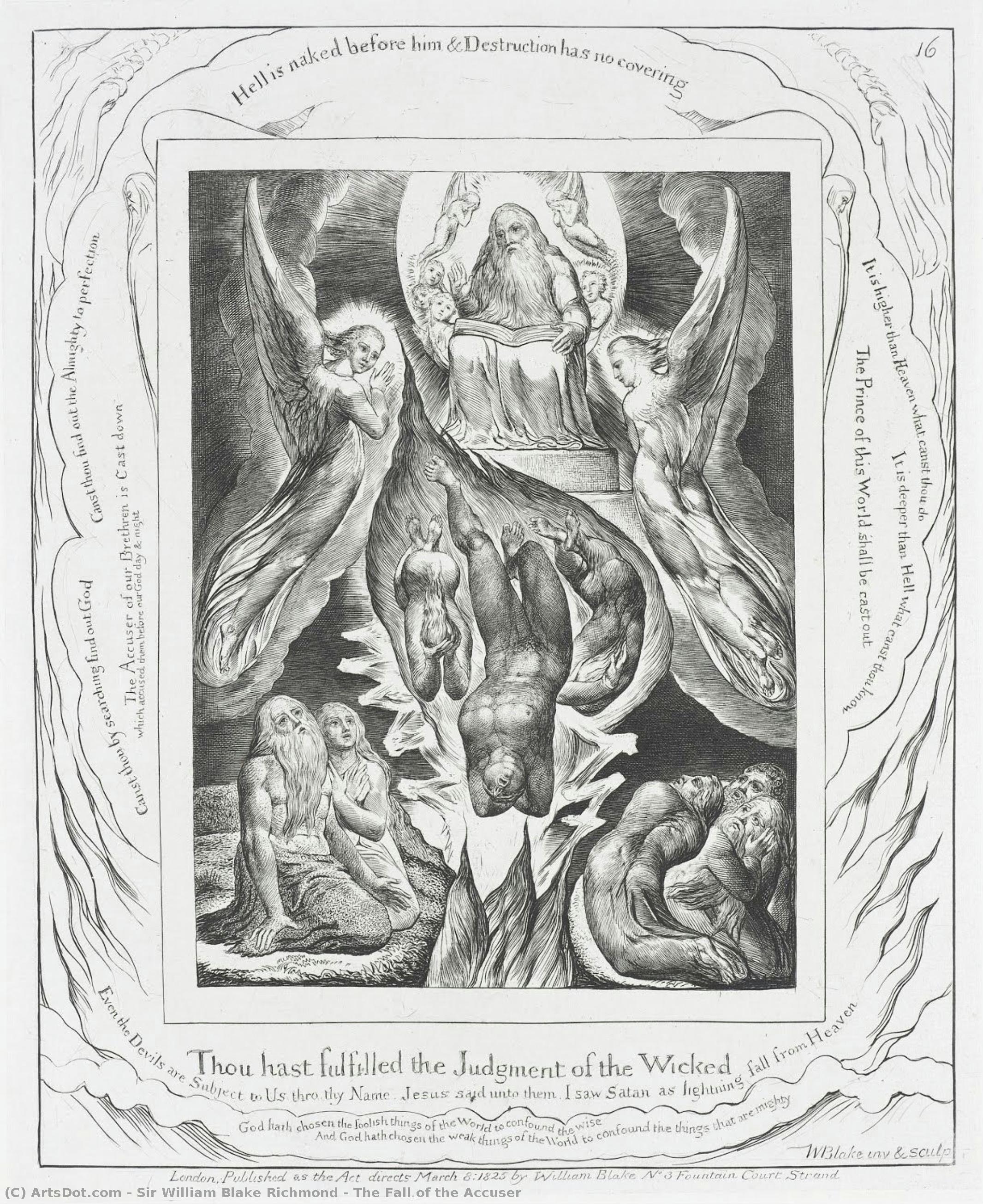
The Fall of the Accuser
 Acrylic On Canvas
- WallArt
- Romanticism
 1825
1825 19.0 x 14.0 cm
 Лос-Анджелесский музей округа Лос-Анджелеса
 Читать далее
Масляная репродукция ручной работы
Картина маслом на холсте в выбранном вами размере и раме, написанная на заказ нашими художниками. ( Перейти к печати Перейти к цифровым изображениям)




P118B $10

P118H $10

P118W $10

P438Z $10

P508JH $12

P508YH $12

P805H $10

P805Z $10

P919BZ $10

P919G $10

P919XJ $10

P959ZH $10

P968JZ $12

W106C $8

W218G $10

W218JH $8

W218Y $10

W307PJ $10

W316G $10

W316PJ $8

W316Y $10

W398PJ $8

W4111J $10

W500HY $15

W500JH $15

W692G $12

W849H $8

W940BG $15

W953PJ $8




Выберите один из наших стандартных размеров, соответствующих оригинальным пропорциям произведения искусства.

Вы можете указать собственные размеры, чтобы картина идеально вписалась в выбранную раму или пространство. Если выбранный вами размер не соответствует пропорциям оригинала, мы либо обрежем полотно, либо расширим его за счет дополнительных элементов, написанных вручную. Цифровой макет будет отправлен вам на утверждение перед началом производства.
Обратите внимание, что предварительный просмотр на экране не отражает фактическую обрезку или расширение. Только макет точно покажет окончательную композицию.
Хотя доступны индивидуальные размеры, мы рекомендуем выбирать вариант из предопределенного списка, чтобы сохранить исходные пропорции.
После оформления заказа команда ArtsDot.com свяжется с клиентом по электронной почте для уточнения деталей и предоставит предварительный макет
Доставка по всему миру () за 3–4 недели вместо стандартных 5 недель. (11 Сентябрь). Без компромиссов в качестве.

Бесплатная экспресс-доставка по всему миру

Высококачественный льняной холст

Полное страхование доставки

Гарантия возмещения таможенных пошлин

Гарантия точного соответствия цветов

100-дневная политика возврата (только при обнаружении дефектов)

Гарантия возврата 100% средств

Предложение оптовых скидок
 Вариант со стеклом доступен только для размеров менее 110 см

The Fall of the Accuser
Техника репродукции
Размер репродукции
-


Итоговая стоимость
$ 388
A Descent into Divine Judgment: Exploring Sir William Blake Richmond’s “The Fall of the Accuser”
Sir William Blake Richmond's 1825 engraving, "The Fall of the Accuser," isn’t merely a depiction of biblical narrative; it’s a visceral plunge into the heart of Romanticism’s anxieties and moral convictions. This monumental work, rendered in stark monochrome, captures a pivotal moment from the Book of Revelation – the dragging of Satan to Hell – with an intensity that transcends simple illustration, becoming instead a profound meditation on sin, justice, and the eternal struggle between good and evil. Richmond, deeply influenced by his mentor William Blake’s mystical vision, imbues this scene with a dramatic theatricality reminiscent of Caravaggio, yet firmly rooted in the burgeoning Romantic sensibility.
The composition immediately commands attention through its dynamic diagonal thrust. A swirling vortex of angels, rendered in elegant, flowing lines, dominates the upper register, their faces etched with righteous fury as they pull the monstrous Satan downwards. Below, the infernal landscape – a chaotic maelstrom of fire and shadow – seems to writhe with tormented energy. The central figure of Satan himself is not presented as a conventionally terrifying demon; rather, he’s depicted as a colossal, almost tragic figure, his face contorted in a silent scream of defiance and despair. Richmond masterfully utilizes hatching and cross-hatching techniques within the monochrome palette to create an astonishingly rich range of textures – from the smooth, burnished robes of the angels to the jagged, volatile surfaces of the flames and the rough, crumbling earth beneath Satan’s feet.
The Echoes of Blake and Romanticism
Richmond's debt to William Blake is undeniable. The engraving shares a similar preoccupation with moral allegory and symbolic representation as Blake’s own work. However, Richmond tempers Blake’s often-intense mysticism with a more restrained, classically informed style. The influence of the Baroque masters – particularly Caravaggio – is evident in the dramatic lighting, the theatrical staging, and the powerful emotional impact of the scene. The overall effect is less overtly visionary than Blake's work, yet equally compelling in its exploration of profound themes.
Furthermore, “The Fall of the Accuser” embodies key tenets of the Romantic movement: a fascination with emotion, an emphasis on individual experience, and a rejection of classical restraint. The engraving’s raw energy, its dramatic contrasts, and its focus on subjective feeling resonate deeply with the Romantic spirit. It reflects a growing sense of unease about the established order, a questioning of traditional values, and a heightened awareness of human suffering – all hallmarks of the era.
Symbolism and Interpretation
Beyond its narrative content, “The Fall of the Accuser” is laden with symbolic meaning. The angels represent divine justice and the unwavering pursuit of righteousness. Satan, despite his monstrous appearance, embodies a tragic figure—a fallen angel wrestling against his fate. The fiery landscape serves as a potent metaphor for damnation and eternal suffering. Even the act of dragging – both the angels’ forceful pull and Satan’s desperate resistance – speaks to the fundamental conflict between free will and divine decree.
Richmond's choice of monochrome further amplifies the engraving’s symbolic weight. The absence of color forces the viewer to focus on form, line, and texture, intensifying the emotional impact of the scene. It creates a sense of timelessness and universality, suggesting that this struggle between good and evil is an eternal one.
A Timeless Masterpiece: Reproduction and Beyond
Reproduced with meticulous detail by ArtsDot, “The Fall of the Accuser” retains its dramatic power and emotional resonance. This artwork offers a captivating glimpse into the heart of Romanticism—a period defined by intense emotion, profound moral questions, and an enduring fascination with the mysteries of human existence. Whether adorning a grand salon or a more intimate space, this engraving’s commanding presence and evocative imagery will undoubtedly spark conversation and inspire contemplation for generations to come.
Похожие произведения
Биография художника
Early Life and Influences
Уильям Блэйк Ричем, выдающийся английский художник и портретист, родился 28 марта 1809 года в Бромптоне, Англия. Его ранние годы были тесно связаны с влиянием «Антикваров» – группы последователей поэта и художника Уильяма Блейка. Эта связь прослеживается в его ранних работах, таких как "Абель пастух" (Abel the Shepherd) и "Христос и женщина Самария" (Christ and the Woman of Samaria), представленных в Королевской академии художеств в 1825 году. Влияние Блейка на Ричемма проявлялось не только в тематике, но и в философском подходе к изображению мира и человеческой души. Раннее окружение, насыщенное идеями романтизма и духовности, заложило основу для его дальнейшего творческого пути.Career Highlights and Artistic Style
В зрелом возрасте Ричемм зарекомендовал себя как успешный портретист, мастерски передавая суть британского дворянства, знати, аристократии и королевской семьи. Его работы отличались вниманием к деталям, реалистичностью и способностью раскрывать характер модели. Среди наиболее известных произведений – "Деревья в Бокка-д’Арно" (Trees at Bocca d'Arno) и "Корона мира" (The Crown of Peace), демонстрирующие его умение сочетать романтизм с классической техникой. Ричемм был приверженцем реалистичного изображения, стремясь к точному воспроизведению внешности и индивидуальности своих моделей. Его стиль характеризуется богатой цветовой палитрой, глубоким использованием светотени и вниманием к текстурам материалов.Travels and Artistic Development
В 1828 году Ричемм отправился во Францию для изучения искусства и анатомии, проведя там зимний период в школах и больницах Парижа. Знаменитое знакомство с Бео Бруммелем в Кале, обмен snuff pinches – это событие, которое стало символом дружбы и взаимного уважения между двумя выдающимися личностями того времени. Его связь с лордом Сидмоутом принесла ему ценные советы и портрет лорда, который сейчас находится в Национальной галерее портретов. Эти путешествия и знакомства оказали значительное влияние на его художественное развитие, обогатив его знания и вдохновив на новые творческие поиски.Legacy and Later Years
В более поздние годы Ричемм склонился к созданию более традиционных портретов, однако его наследие как одного из ведущих портретистов сохраняется до сих пор. Он умер 19 марта 1896 года, оставив после себя обширное творческое наследие, которое продолжает вдохновлять художников и ценителей искусства. Он занимал пост профессора живописи в Оксфордском университете с 1878 по 1883 год, преемником которого стал его друг и наставник Джон Рускин. Его вклад в развитие английской живописи неоспорим, а его работы остаются важной частью культурного наследия Великобритании.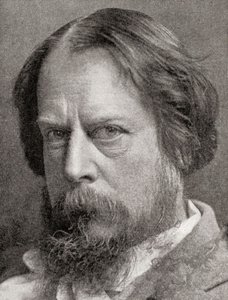
Сэр Уильям Блэк Ричардс
1809 - 1896 , Великобритания
Основные сведения
- Artistic Movement Or Style: Romanticism
- Artists Who Influenced This Artist: ['William Blake']
- Date Of Birth: March 28, 1809
- Date Of Death: March 19, 1896
- Full Name: Sir William Blake Richmond
- Nationality: British
- Notable Artworks:
- Trees at Bocca d'Arno
- The Crown of Peace
- Place Of Birth: Brompton, United Kingdom
Похожие статьи
10 шедевров гравюры, изменивших искусство навсегда | ArtsDot
Откройте для себя 10 легендарных шедевров гравюры от Дюрера, Гойи и Рембрандта! Узнайте историю создания этих культовых работ и их влияние на искусство. Репродукции высокого качества для вашего интерьера – ArtsDot.
Sir William Blake Richmond: A Visionary of Aestheticism & Symbolism
Explore the life & art of Sir William Blake Richmond, a pivotal figure bridging Pre-Raphaelitism and Aestheticism. Discover his stunning portraits, mosaics at St Paul's Cathedral, and lasting influence on Victorian art.
The Intricate World of Engraving: A Historical Survey of Technique, Artistic Expression & Enduring Legacy
Explore the rich history of engraving with ArtsDot. Discover techniques, iconic artists like Dürer & Callot, collecting tips, and expert guidance for preserving your art investment. Learn about intaglio printing & more!
Engraving: A Historical Survey of Technique, Artistic Expression & Enduring Legacy
Explore the rich history of engraving with ArtsDot. Discover techniques, iconic artists like Dürer & Callot, collecting tips, and expert guidance for preserving your art investment. Learn about intaglio printing & more!

William Blake: Romantic Visionary & Mystical Genius of the Imagination
Explore the mystical art & poetic genius of William Blake (1757-1827). Discover his revolutionary illuminated printing, rich symbolism, and lasting influence on Romanticism. Find handmade reproductions at ArtsDot.