 Предпросмотр
 Поделиться
 Поделиться
 Детали произведения

 Скачать
 Похожие работы
 Рентгенография
 Слайд-шоу
 Статистика
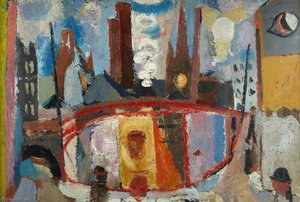
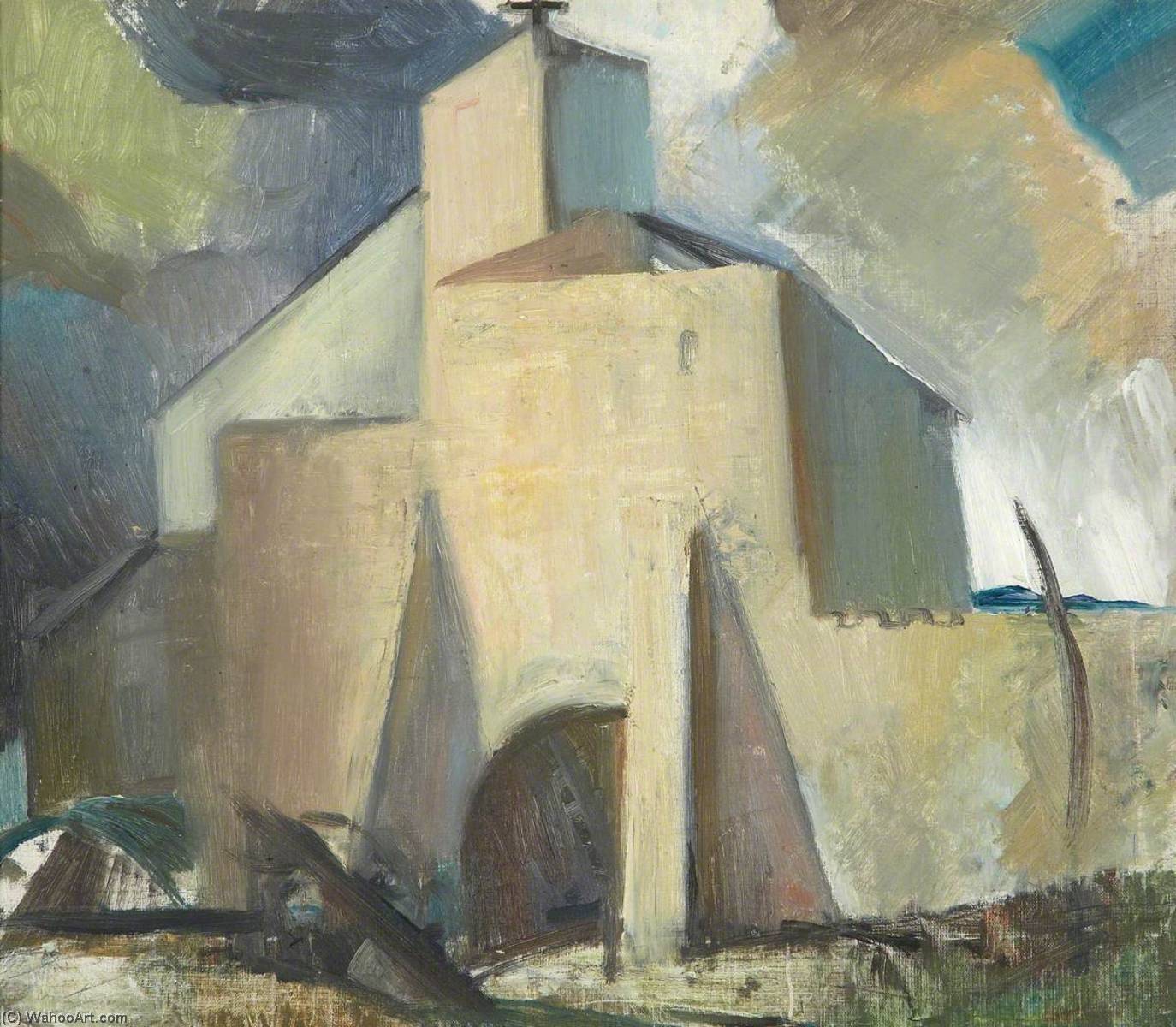
Gateway, Italy
 Oil On Canvas
- WallArt
- Cubist Modernism
 1924
1924 35.0 x 39.0 cm
 Royal Scottish Academy of Art - Architecture
 Читать далее
Масляная репродукция ручной работы
Картина маслом на холсте в выбранном вами размере и раме, написанная на заказ нашими художниками. ( Перейти к печати Перейти к цифровым изображениям)




P118B $10

P118H $10

P118W $10

P438Z $10

P508JH $12

P508YH $12

P805H $10

P805Z $10

P919BZ $10

P919G $10

P919XJ $10

P959ZH $10

P968JZ $12

W106C $8

W218G $10

W218JH $8

W218Y $10

W307PJ $10

W316G $10

W316PJ $8

W316Y $10

W398PJ $8

W4111J $10

W500HY $15

W500JH $15

W692G $12

W849H $8

W940BG $15

W953PJ $8




Выберите один из наших стандартных размеров, соответствующих оригинальным пропорциям произведения искусства.

Вы можете указать собственные размеры, чтобы картина идеально вписалась в выбранную раму или пространство. Если выбранный вами размер не соответствует пропорциям оригинала, мы либо обрежем полотно, либо расширим его за счет дополнительных элементов, написанных вручную. Цифровой макет будет отправлен вам на утверждение перед началом производства.
Обратите внимание, что предварительный просмотр на экране не отражает фактическую обрезку или расширение. Только макет точно покажет окончательную композицию.
Хотя доступны индивидуальные размеры, мы рекомендуем выбирать вариант из предопределенного списка, чтобы сохранить исходные пропорции.
После оформления заказа команда ArtsDot.com свяжется с клиентом по электронной почте для уточнения деталей и предоставит предварительный макет
Доставка по всему миру () за 3–4 недели вместо стандартных 5 недель. (11 Сентябрь). Без компромиссов в качестве.

Бесплатная экспресс-доставка по всему миру

Высококачественный льняной холст

Полное страхование доставки

Гарантия возмещения таможенных пошлин

Гарантия точного соответствия цветов

100-дневная политика возврата (только при обнаружении дефектов)

Гарантия возврата 100% средств

Предложение оптовых скидок
 Вариант со стеклом доступен только для размеров менее 110 см

Gateway, Italy
Техника репродукции
Размер репродукции
-


Итоговая стоимость
$ 263
A Window on Italy: William George Gillies’ “Gateway”
William George Gillies' "Gateway," painted in 1924, isn't merely a depiction of an Italian building; it’s a carefully constructed tableau brimming with layered meaning and reflecting the artist’s evolving artistic sensibilities. This oil on canvas, measuring a modest 35 x 39 cm, offers a glimpse into a pivotal moment in Gillies’ career – a period where he wrestled with the influence of Cubism while simultaneously forging his own distinctly Scottish style. The painting captures a grand structure, likely a palazzo or civic building, dominated by two imposing arches that frame a central cross, a potent symbol of faith and authority. The stone or brick construction exudes solidity and permanence, hinting at centuries of history and architectural tradition – a deliberate nod to the enduring legacy of Italy itself.
Gillies’ artistic journey in 1924 was marked by a conscious exploration of modernism following his studies with André Lhote in Paris. This exposure ignited an interest in Cubist principles, evident in the fragmented forms and geometric arrangements within the arches and the building's overall structure. However, Gillies wasn’t simply replicating Cubist techniques; he skillfully integrated them into a broader compositional framework, drawing inspiration from Cézanne’s emphasis on line and volume – a key influence readily apparent in the painting’s careful rendering of form and space. The muted color palette, dominated by earthy browns, ochres, and subtle blues, further reinforces this blend of influences, creating an atmosphere of quiet contemplation rather than vibrant dynamism.
The Figure and the Landscape
Adding a layer of human interest to the architectural grandeur is a solitary figure standing near the left side of the image. While details are somewhat obscured by the painting’s perspective, this individual appears to be observing the building with a sense of wonder or perhaps even reverence. This inclusion invites us to consider the relationship between humanity and the monumental structures that shape our world – a theme frequently explored in Gillies' work. The figure serves as a focal point, drawing the viewer into the scene and prompting reflection on themes of observation, contemplation, and the passage of time.
Beyond the immediate subject matter, “Gateway” is deeply rooted in the Scottish landscape. Gillies’ formative years were spent in Haddington, East Lothian, and his connection to his homeland profoundly shaped his artistic vision. The painting's composition – the strong vertical lines of the building contrasted with the horizontal expanse of the sky – echoes the dramatic landscapes of Scotland, suggesting a subtle dialogue between Italian architectural tradition and Scottish visual language. This fusion is further emphasized by Gillies’ masterful use of light and shadow, creating a sense of depth and atmosphere that is both evocative and profoundly moving.
Symbolism and Emotional Resonance
The central cross, prominently displayed above the arches, carries significant symbolic weight. It represents faith, divine authority, and perhaps even the enduring spirit of Italy itself – a nation steeped in religious history and artistic achievement. The building’s imposing presence speaks to notions of power, permanence, and the legacy of generations past. Yet, despite its monumental scale, “Gateway” doesn't feel oppressive or intimidating; rather, it exudes an aura of dignified serenity.
Ultimately, "Gateway" is a testament to Gillies’ artistic versatility and his ability to synthesize diverse influences into a cohesive and deeply personal vision. It’s a painting that invites viewers to contemplate the relationship between architecture, landscape, humanity, and spirituality – a timeless exploration of beauty, meaning, and the enduring power of art. The work's quiet elegance and subtle complexities make it a captivating addition to any collection, offering both aesthetic pleasure and intellectual stimulation.
Historical Context & Artistic Influences
Painted in 1924, “Gateway” reflects a period of significant artistic experimentation and innovation. Gillies’ travels to Italy that year were crucial to his development, exposing him to the works of Cézanne, Picasso, and Braque – artists who had pioneered Cubism and influenced a generation of European painters. However, Gillies wasn't simply imitating these masters; he absorbed their techniques while simultaneously developing his own unique style, characterized by its lyrical brushwork, evocative color palettes, and profound sense of place. His decision to return to Scotland after his time in Paris marked a conscious shift towards a more regionalist approach, rooted in the landscapes and traditions of his homeland.
The 1920s were a time of great social and political upheaval, as Europe grappled with the aftermath of World War I. Gillies’ art reflects this atmosphere of uncertainty and change, yet it also retains a sense of optimism and hope. “Gateway” embodies this duality – a celebration of beauty and tradition amidst a world in transition. The painting's enduring appeal lies in its ability to transcend its historical context and speak to universal themes of human experience.
Collecting & Reproduction
Reproductions of "Gateway" capture the essence of Gillies’ masterful technique and evocative atmosphere. The subtle gradations of color, the delicate rendering of form, and the atmospheric perspective are all faithfully reproduced in high-quality prints. Whether displayed as a statement piece in a contemporary interior or framed for a classic setting, “Gateway” adds a touch of timeless elegance and intellectual depth to any space. Consider commissioning a hand-painted reproduction – an exquisite homage to this iconic work of Scottish art.
Похожие произведения
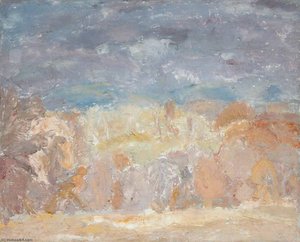
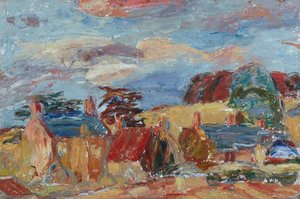
Биография художника
Early Life and Artistic Beginnings
Sir William George Gillies, a name synonymous with the evocative beauty of Scottish landscapes and poignant still lifes, was born in Haddington, East Lothian, in 1898. His early life, steeped in the traditions of his native region, would profoundly shape his artistic vision. Initially enrolled at the Edinburgh College of Art, his studies were abruptly interrupted by the exigencies of World War I, where he served with distinction as a Royal Engineer. This experience, marked by both hardship and camaraderie, undoubtedly left an indelible mark on his psyche – a sensitivity to human experience that would later permeate his art. Following the war’s conclusion, Gillies returned to complete his education at the Edinburgh College of Art, ultimately securing a position as a dedicated teacher there for over four decades, shaping the artistic sensibilities of countless students.A Journey Through Modernism: Influences and Early Works
Gillies' artistic trajectory began with an enthusiastic exploration of Cubism following his studies under André Lhote in Paris (1923) and a subsequent journey to Italy (1924). This period exposed him to the radical innovations of European modern art, particularly the works of Picasso and Braque. His early paintings, such as “Two Pots, Saucer and Fruit” (1933), demonstrate this initial influence – a Cézanne-inspired arrangement characterized by carefully constructed compositions and an understated palette. However, a pivotal moment arrived in 1934 with his encounter with the art of Paul Klee. Klee’s imaginative use of color, his playful approach to form, and his embrace of childlike qualities profoundly impacted Gillies' style, leading him to incorporate elements of whimsy and emotional depth into his compositions. This shift marked a departure from strict Cubism, laying the foundation for his distinctive, deeply personal artistic voice rooted in Scottish traditions.The 1922 Group: A Hub of Innovation
In 1922, Gillies played a crucial role in establishing the “1922 Group,” alongside fellow artists including William Crozier, William Geissler, and William MacTaggart. This collective, operating out of the New Gallery in Edinburgh for a decade, served as a vital platform for emerging Scottish artists to showcase their work and foster a sense of community and artistic exchange. The 1922 Group was more than just an exhibition society; it represented a concerted effort to nurture and promote a new generation of Scottish painters, challenging established norms and pushing the boundaries of contemporary art. It’s a testament to Gillies' leadership and vision that he spearheaded this initiative, contributing significantly to the vibrant artistic landscape of Edinburgh at the time.Themes and Subject Matter: A Reflection of Scotland
Gillies’ artistic focus centered primarily on two distinct yet interconnected themes: landscapes and still lifes. His depictions of the Lothian, Fife, and Border regions of Scotland are renowned for their sensitivity and evocative power. He possessed a remarkable ability to capture not just the visual appearance of these areas but also the essence of their character – the rugged beauty of the Highlands, the tranquility of the coastal villages, and the timeless quality of the Scottish countryside. Simultaneously, Gillies developed a profound interest in still life compositions, often featuring ceramics created by his younger sister, Emma Smith Gillies, whose untimely death in 1936 deeply affected him. These poignant still lifes, frequently imbued with a sense of melancholy and remembrance, stand as powerful testaments to the artist’s personal grief and artistic exploration. While he experimented with portraiture early in his career, landscapes and still lifes ultimately became the dominant subjects of his oeuvre.Recognition and Legacy
Throughout his distinguished career, Sir William George Gillies received numerous accolades recognizing his contributions to Scottish art. He was elected a Royal Academician (RA) in 1964, a prestigious honor signifying recognition within the broader British art world. In 1970, he was knighted, further cementing his place as a leading figure in the nation’s artistic heritage. Gillies served as Principal of the Edinburgh College of Art from 1959 until his retirement in 1966, leaving behind a legacy not only through his paintings but also through his influence on generations of students. His works are now held in prominent collections across Scotland and internationally, including the National Galleries of Scotland, demonstrating the enduring appeal and critical acclaim of his art. Sir William George Gillies remains a pivotal figure in 20th-century Scottish art – an artist whose evocative landscapes and poignant still lifes continue to resonate with audiences today.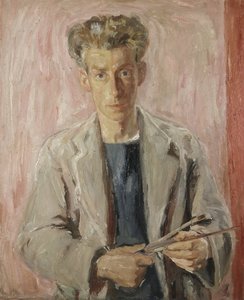
Уильям Джордж Гиллес
1898 - 1973 , Великобритания
Основные сведения
- Artistic Movement Or Style: Кубизм, шотландский колоризм
- Artists Or Movements Influenced By This Artist:
- Paul Klee
- Шотландская школа
- Artists Who Influenced This Artist:
- André Lhote
- Клод Моне
- Пикассо
- Date Of Birth: 1898
- Date Of Death: 1973
- Full Name: Sir William George Gillies
- Nationality: Шотландец
- Notable Artworks:
- Two Pots, Saucer and Fruit
- Mediterranean Landscape
- Place Of Birth: Хаддингтон, Великобритания
Похожие статьи
Sir William George Gillies: A Scottish Colourist's Journey Through Landscape & Abstraction
Explore the captivating world of Sir William George Gillies, a leading Scottish Colourist. Discover his journey from Cubism to iconic landscapes & still lifes. Expert insights for collectors and art enthusiasts.

Романтический пейзаж: 10 шедевров, изменивших искусство | ArtsDot.com
Погрузитесь в мир романтического пейзажа! 10 шедевров Фридриха, Тёрнера и других гениев. Узнайте историю создания культовых картин и вдохновитесь для декора интерьера. Репродукции высокого качества на ArtsDot.com.

Evocations of Place: A Historical Journey Through Landscape Art
Explore the rich history of landscape art with ArtsDot. Discover renowned artists, movements like Impressionism & Romanticism, and expert guidance for collecting timeless pieces. Find your perfect serene escape today!

Жорж Сёра: 25 шедевров великого мастера пуантилизма | ArtsDot
Откройте для себя 25 шедевров Жоржа Сёра – пионера пуантилизма! Узнайте историю создания культовых картин, технику письма и влияние импрессионизма. Репродукции высокого качества на ArtsDot.com. Искусство для вашего интерьера.

Жорж Брак: 25 шедевров кубизма для ценителей искусства и интерьера
Откройте для себя 25 шедевров Жоржа Брака – пионера кубизма! Узнайте историю создания культовых картин, технику и влияние французского художника на искусство XX века. Репродукции высокого качества для вашего интерьера на ArtsDot.com.