

 Предпросмотр
 Поделиться
 Поделиться
 Детали произведения

 Скачать
 Похожие работы
 Рентгенография
 Слайд-шоу
 Статистика
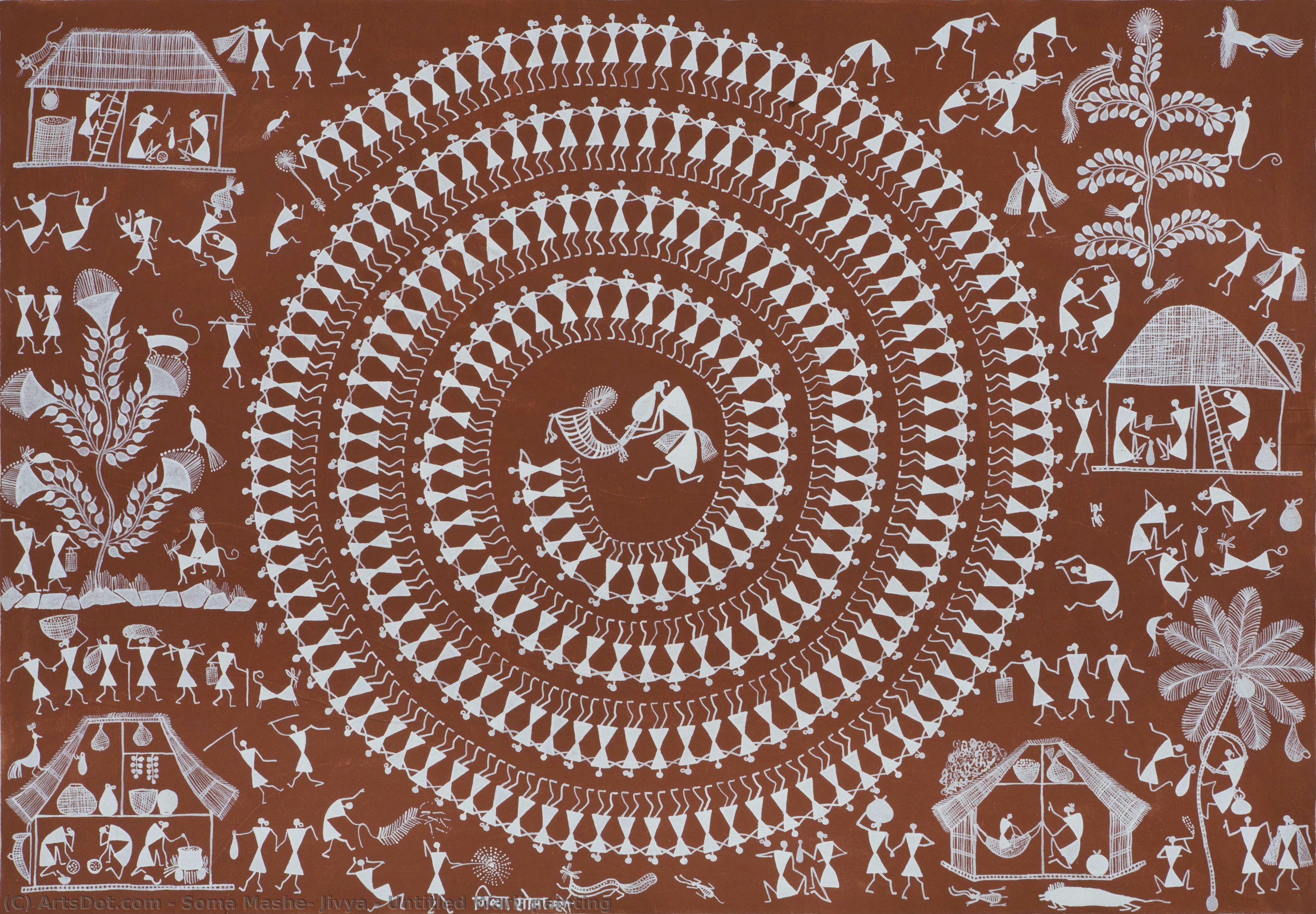
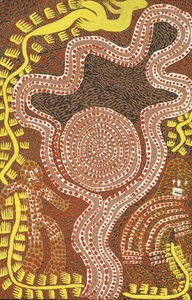
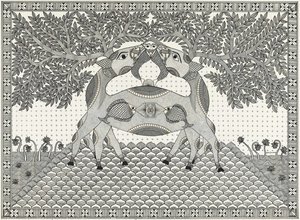
Untitled Warli painting


 Читать далее
Масляная репродукция ручной работы
Картина маслом на холсте в выбранном вами размере и раме, написанная на заказ нашими художниками. ( Перейти к печати Перейти к цифровым изображениям)




P118B $10

P118H $10

P118W $10

P438Z $10

P508JH $12

P508YH $12

P805H $10

P805Z $10

P919BZ $10

P919G $10

P919XJ $10

P959ZH $10

P968JZ $12

W106C $8

W218G $10

W218JH $8

W218Y $10

W307PJ $10

W316G $10

W316PJ $8

W316Y $10

W398PJ $8

W4111J $10

W500HY $15

W500JH $15

W692G $12

W849H $8

W940BG $15

W953PJ $8
Выберите один из наших стандартных размеров, соответствующих оригинальным пропорциям произведения искусства.

Вы можете указать собственные размеры, чтобы картина идеально вписалась в выбранную раму или пространство. Если выбранный вами размер не соответствует пропорциям оригинала, мы либо обрежем полотно, либо расширим его за счет дополнительных элементов, написанных вручную. Цифровой макет будет отправлен вам на утверждение перед началом производства.
Обратите внимание, что предварительный просмотр на экране не отражает фактическую обрезку или расширение. Только макет точно покажет окончательную композицию.
Хотя доступны индивидуальные размеры, мы рекомендуем выбирать вариант из предопределенного списка, чтобы сохранить исходные пропорции.
После оформления заказа команда ArtsDot.com свяжется с клиентом по электронной почте для уточнения деталей и предоставит предварительный макет
Доставка по всему миру () за 3–4 недели вместо стандартных 5 недель. (13 Сентябрь). Без компромиссов в качестве.

Бесплатная экспресс-доставка по всему миру

Высококачественный льняной холст

Полное страхование доставки

Гарантия возмещения таможенных пошлин

Гарантия точного соответствия цветов

100-дневная политика возврата (только при обнаружении дефектов)

Гарантия возврата 100% средств

Предложение оптовых скидок
 Вариант со стеклом доступен только для размеров менее 110 см

Untitled Warli painting
Техника репродукции
Размер репродукции
-


Итоговая стоимость
$ 263
A Tapestry of Tribal Life: The Soul of Warli Art
In the delicate dance of geometric shapes and rhythmic patterns, we encounter a profound window into the heart of India’s tribal heritage. This Untitled Warli painting, created in 1990 by the legendary Jivya Soma Mashe, is far more than a mere arrangement of figures; it is a living chronicle of community, nature, and the eternal cycle of life. Through the masterful use of simple lines, triangles, and circles, Mashe breathes vitality into a composition that captures the essence of the Maharashtra state's ancestral traditions. The painting invites the viewer to step into a world where every stroke serves a ritualistic purpose, transforming a canvas into a sacred space of celebration.
The artistry of Mashe is rooted in the ancient Warli tradition, a style that eschews complex shading in favor of powerful, symbolic silhouettes. In this particular work, the eye is immediately drawn to the central figures engaged in a rhythmic movement, perhaps a communal dance that has been performed for generations. Surrounding this focal point is a lush, intricate ecosystem where birds, deer, and humans coexist in a delicate, harmonious balance. The technique relies on the stark, beautiful contrast of shapes, creating a sense of layered depth that makes the composition feel both expansive and intimately connected. For the collector or interior designer, this piece offers a sophisticated interplay of movement and stillness, making it a captivating centerpiece for any curated space.
The Legacy of a Visionary
To understand this painting is to understand the life of Jivya Soma Mashe himself. A pioneer who transitioned Warli art from the mud walls of village huts to the global stage, Mashe’s work carries the weight of history and the lightness of joy. Having faced significant personal hardship, he found his voice through the very earth he walked upon, using the geometric language of his people to communicate themes of fertility, harvest, and social cohesion. His ability to popularize this tribal art form while maintaining its ritualistic integrity is what gives this 1990 masterpiece such enduring emotional resonance.
For those seeking to adorn a home or gallery with art that tells a story, a high-quality reproduction of this work provides an opportunity to possess a piece of cultural history. The painting’s intricate details—the way the animals seem to emerge from the surrounding flora and the sense of communal energy radiating from the dancers—offer endless visual discovery. It is an evocative choice for spaces that value organic textures, ethnographic depth, and the timeless beauty of minimalist storytelling. Owning such a piece is not merely about decoration; it is about bringing the rhythmic pulse of the Warli spirit into the modern interior.
Похожие произведения
Биография художника
The Silent Language of the Earth
The story of Jivya Soma Mashe is one of profound resilience, where the weight of personal tragedy was transmuted into a vibrant, rhythmic visual language. Born in 1934 in the village of Dhamgaon, India, Mashe’s early life was shadowed by immense hardship. The loss of his mother at the tender age of seven plunged him into a period of deep introspection and literal silence; for several years, he ceased to speak, finding his only outlet for communication through the act of drawing figures in the dust. This early, solitary engagement with the earth served as the foundation for what would become one of the most significant artistic legacies in Indian tribal history. What began as a way to navigate grief eventually blossomed into a sophisticated mastery of Warli iconography, allowing him to speak to the world when words had failed him.
As he grew, Mashe’s art moved from the ephemeral dust of his childhood to more permanent surfaces, yet it never lost its primal connection to the natural world. While traditional Warli painting was historically a ritualistic practice performed by women on the mud walls of huts to celebrate harvests and weddings, Mashe revolutionized the medium. In the 1970s, he took this ancestral art form beyond the confines of ceremonial walls, applying it to paper and canvas. This transition was radical; it transformed Warli art from a fleeting, ritualistic decoration into a contemporary, collectible fine art. Through his hands, the geometric simplicity of the tribe's visual vocabulary—composed of circles, triangles, and squares—was elevated to a level of complex storytelling that could resonate in the most prestigious galleries of Paris and beyond.
A Symphony of Geometry and Life
To look upon a Mashe painting is to witness a teeming, rhythmic universe in motion. His style is characterized by an extraordinary balance between minimalist shapes and a dense, vibrating energy. He utilized a limited palette and basic geometric forms to depict the intricate web of existence, where every dot, line, and stroke contributes to a sense of perpetual movement. His compositions often feature a profusion of motifs—humans, animals, and flora—intertwined in a way that reflects the cyclic interdependence of all living things. There is a remarkable precision in his work; despite the apparent simplicity of the shapes, there is no hesitation in his hand. Instead, one finds a delicate lightness and a meticulous attention to detail that makes the canvas appear to pulse with the very heartbeat of the forest and the field.
The themes within his oeuvre are deeply rooted in the ecological and social fabric of the Warli community. His work serves as a visual chronicle of tribal life, capturing scenes of farming, fishing, and the harmonious relationship between humanity and the environment. Through his art, Mashe did more than just decorate; he documented a way of life that honors the earth. This focus on the symbiotic bond between man and nature has given his work a timeless, universal quality, allowing it to transcend its specific cultural origins and speak to global concerns regarding ecology and social harmony.
Legacy and Global Recognition
The ascent of Jivya Soma Mashe from a village artist to an international icon is a testament to the power of authentic expression. His talent was recognized early by Indian political luminaries, including Jawaharlal Nehru and Indira Gandhi, and his work eventually graced the walls of the Centre Pompidou in Paris and participated in the landmark Magiciens de la terre exhibition. These milestones brought unprecedented global attention to the Warli tradition, prompting a new generation of tribal artists to pursue painting as both a professional vocation and a means of cultural preservation.
Throughout his life, Mashe received numerous accolades, including the prestigious National Award for Tribal Art and the Shilp Guru Award. Yet, perhaps his greatest achievement was not the medals he earned, but the way he redefined the boundaries of his heritage. He ensured that the Warli tradition would not remain a static relic of the past, but a living, breathing, and evolving art form. Today, Jivya Soma Mashe is remembered not only as the father of modern Warli art but as a visionary who used the simplest of shapes to capture the infinite complexity of life.
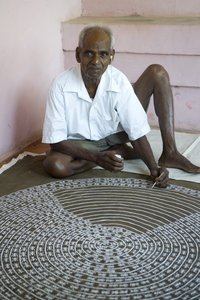
soma mashe, jivya
1934 - 2018 , India
Основные сведения
- Artistic Movement Or Style: Warli Painting
- Date Of Birth: May 1934 Dhamgaon India
- Date Of Death: 2018
- Full Name: Jivya Soma Mashe
- Nationality: Indian
- Notable Artworks:
- Untitled Warli painting
- Lady in chandrakala sari
- Place Of Birth: Dhamgaon India
Похожие статьи
Животные в искусстве: вдохновение для вашего интерьера
Вдохновитесь миром искусства и животных! Узнайте о символике, истории изображения животных в живописи и идеях для декора интерьера от экспертов .

Геометрическая абстракция: 10 шедевров, изменивших искусство | ArtsDot.com
Погрузитесь в мир геометрической абстракции! От Кандинского до Малевича – 10 шедевров, изменивших искусство. Узнайте историю создания и значение культовых картин. Репродукции музейного качества на ArtsDot.com. Вдохновение для вашего интерьера!
Фернан Леже: Топ-25 шедевров кубизма для ценителей искусства и декора интерьера
Погрузитесь в мир Фернана Леже! Топ-25 шедевров кубизма, раскрывающих машинную эстетику и новаторский стиль художника. Репродукции картин высокого качества для вашего интерьера. Откройте всю коллекцию на ArtsDot.com

William Owen: A Poetic Vision of War & Landscape in British Modernism
Explore the poignant war poetry of Wilfred Owen, a key figure in British Modernism. Discover his innovative style, themes of loss & camaraderie, and lasting impact on 20th-century literature. Analysis & historical context included.
Beastly Brushstrokes: A Historical Journey Through Animal Painting & Aesthetic Movements
Explore the rich history of animal painting across cultures & movements. Discover iconic artists, symbolism, collecting trends & expert art consultation at ArtsDot.com.