

 Предпросмотр
 Поделиться
 Поделиться
 Детали произведения

 Скачать
 Похожие работы
 Рентгенография
 Слайд-шоу
 Статистика
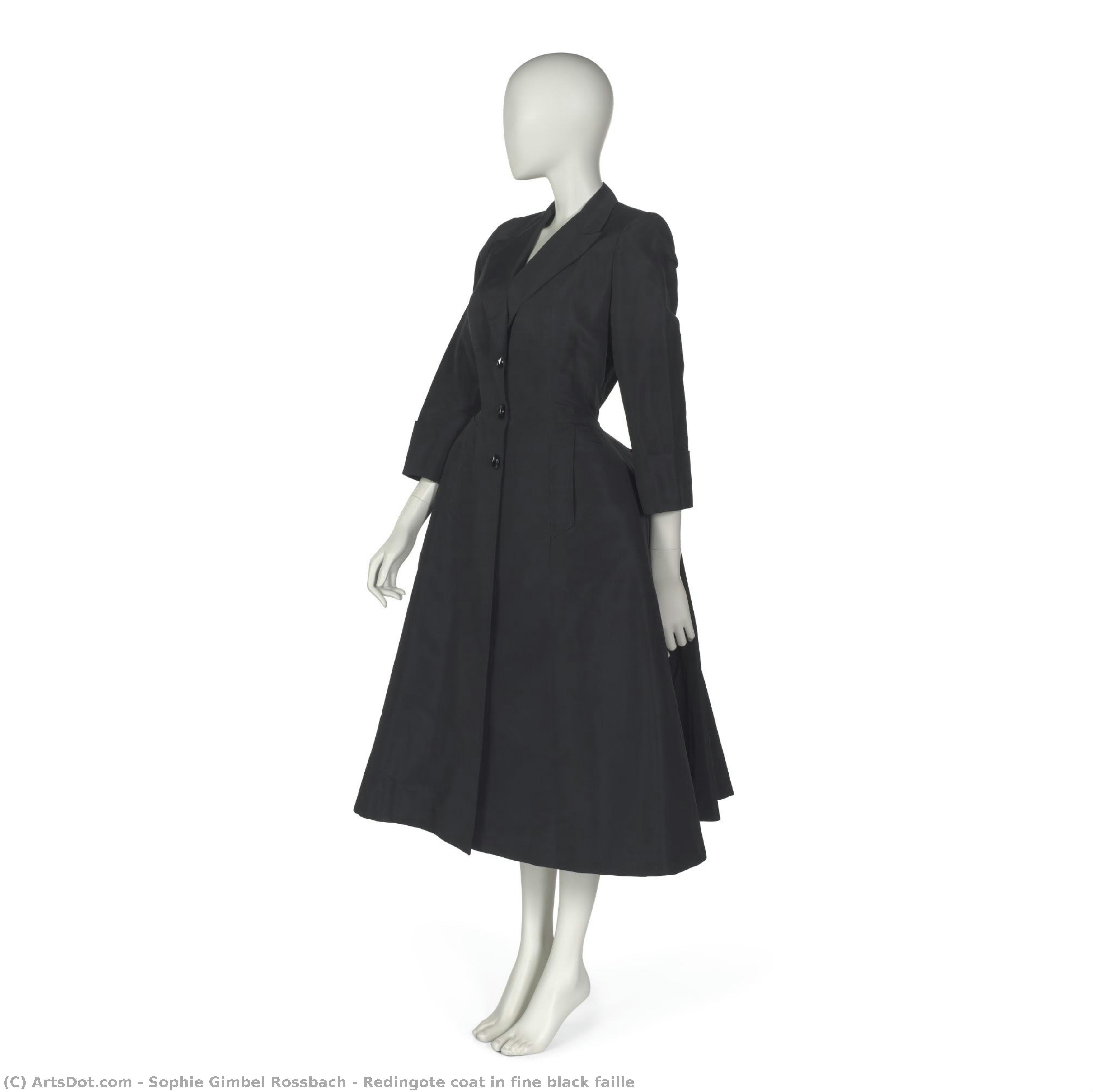
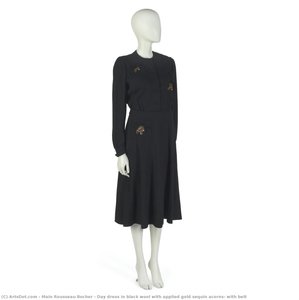
Redingote coat in fine black faille


 Читать далее
Приобретите цифровое изображение высокого разрешения в улучшенном качестве, которое значительно превосходит онлайн-превью.
Каждый файл тщательно подготавливается нашими специалистами с использованием передовых инструментов и экспертной ручной ретуши. Мы гарантируем исключительную четкость, точную цветопередачу и детальную проработку каждого изображения.
Финальный файл доставляется по электронной почте в течение 72 часов и оптимизирован для немедленного использования в профессиональной среде, при верстке и печати. Это тот же уровень качества, которому доверяют ведущие дизайнерские студии, издательства и галереи.
Цифровое изображение
Скачайте файл высокого разрешения для личного использования, печати и творческих проектов. ( Перейти к печати Купить картину ручной работы)
Включено в каждый заказ цифровых изображений
Гарантия экспертной цифровой доставки
Выбирая ArtsDot.com, вы получаете не просто изображение — вы приобретаете профессионально обработанное цифровое произведение искусства, созданное с безупречной точностью и под защитой гарантии качества. Вот всё, что автоматически входит в ваш заказ:

Мгновенная доставка по e-mail
Ваш цифровой файл в высоком разрешении будет отправлен вам по электронной почте в течение 72 часов после оформления заказа — и сразу станет доступен для использования.

Цифровой файл с ИИ-улучшением
Ваше произведение искусства проходит профессиональную оптимизацию с использованием передовых инструментов ИИ и ручной обработки, что гарантирует максимальную детализацию, четкость и точность цветопередачи.

Бессрочная бесплатная повторная доставка
Случайно удалили или потеряли файл? Не беспокойтесь — мы отправим его вам повторно в любое время и совершенно бесплатно.

Без импортных пошлин — навсегда
Наслаждайтесь вашим произведением искусства мгновенно без таможенных пошлин, сборов или затрат на доставку — цифровые загрузки всегда не облагаются налогом.

Гарантия точности цветопередачи
Мы гарантируем, что ваше цифровое изображение максимально точно передает оригинальные цвета благодаря использованию профессиональных инструментов и систем управления цветом.

Гарантия удовлетворенности 100 дней
Если вы не будете удовлетворены своим цифровым изображением, мы внесем правки или вернем 100% стоимости в течение 100 дней — без лишних вопросов.

100% Гарантия возврата средств
Не удовлетворены покупкой? Получите полный возврат средств в течение 100 дней после получения цифрового файла — без лишних вопросов.

Скидки на оптовые заказы
Купите 3 изображения, сэкономьте 10% — Купите 5, сэкономьте 15% — Купите 10+, сэкономьте 20%. Отличное решение для творческих проектов, галерей и агентств.
A Portrait of Elegance: Examining Sophie Gimbel Rossbach’s Redingote Coat
The photograph captures a moment frozen in time – 1959 – presenting us with a meticulously crafted redingote coat displayed on a mannequin against a stark white backdrop. More than just an object of fashion, this garment embodies the spirit of its era and speaks volumes about the artistry of Sophie Gimbel Rossbach, a name quietly revered within American design history. Rossbach’s contribution to haute couture extends beyond mere aesthetics; it represents a dedication to preserving tradition while subtly innovating upon established forms.The Fabric of History: Silk Faille and Its Significance
At first glance, the coat appears deceptively simple – black silk faille dominating the visual field. However, this understated elegance belies the considerable skill required in its production. Faille is a luxurious textile known for its distinctive sheen and subtle ripple effect created by interlacing warp and weft yarns at an angle. Historically, faille was favored by royalty and aristocracy, signifying wealth and refinement. Its selection here underscores Rossbach’s commitment to conveying prestige and sophistication – qualities deeply embedded in the cultural landscape of the mid-century United States. The fabric itself whispers tales of ateliers steeped in craftsmanship and a reverence for materials that transcend mere practicality.Form Follows Function: Structural Precision and Artistic Intent
Rossbach's design philosophy prioritized structural integrity alongside visual appeal. The coat’s construction is characterized by meticulous attention to detail – vertical hip slip pockets with flaps, wide panniers providing dramatic volume, and four pairs of black faceted button closures securing the bodice. These elements aren’t merely decorative; they contribute to the garment’s overall silhouette and facilitate ease of movement. Yet, within this framework of precision lies a profound artistic impulse: Rossbach sought to elevate the everyday into something extraordinary, demonstrating that beauty can be found in meticulous execution. The panniers, particularly, represent a bold statement against the prevailing trends of the time, prioritizing form over fleeting fashion fancies.A Reflection of Style: Documentary Photography and Its Role
The photograph’s style – documentary photography – deliberately avoids embellishment, allowing the coat itself to command attention. Lighting is diffused, minimizing harsh shadows and highlighting textural nuances without resorting to dramatic chiaroscuro. This technique reflects Rossbach's belief in capturing reality with honesty and accuracy, prioritizing visual clarity over artistic interpretation. The composition centers on the mannequin, positioning it strategically against a neutral background to emphasize the garment’s form and design—a deliberate choice that speaks to the broader aesthetic principles of the period.Symbolism Beyond Surface Beauty: Elegance and Restraint
The black color palette evokes feelings of solemnity and sophistication – qualities often associated with mourning attire but here repurposed to convey a sense of refined elegance. The coat’s structured silhouette embodies restraint, mirroring Rossbach's artistic vision as she sought to create garments that were both beautiful and enduring. More than just clothing, it represents an ideal of feminine grace—a quiet confidence rooted in impeccable craftsmanship and timeless design. Ultimately, Sophie Gimbel Rossbach’s redingote coat stands as a testament to the power of understated artistry and its ability to encapsulate the spirit of an era.Похожие произведения
Биография художника
Sophie Gimbel Rossbach: The Quiet Innovator of American Style
Born in Houston, Texas, in 1898, Sophie Gimbel’s journey to becoming a defining figure in mid-20th century American fashion was anything but conventional. Her early life, marked by the loss of her father and subsequent relocation to Atlanta, instilled within her a resourcefulness and practicality that would later inform her approach to design. A childhood spent crafting miniature garments for dolls foreshadowed a lifelong passion – a desire to create beautiful, wearable art. Attending Agnes Scott College provided a foundation in liberal arts, but it was the burgeoning world of Broadway costume design that truly ignited her creative spark, offering invaluable experience in construction and visual storytelling.
Her career took a pivotal turn when she joined Saks Fifth Avenue, initially as a stylist under Adam Long Gimbel. This connection proved transformative; in 1929, she was entrusted with the helm of Salon Moderne, a department store space previously considered unremarkable. Gimbel’s arrival marked a dramatic shift. Recognizing the need to revitalize the salon's image and attract a discerning clientele, she embarked on a strategy that prioritized understated elegance and timeless sophistication – a deliberate counterpoint to the increasingly flamboyant trends emerging from Paris. She traveled extensively to Europe, meticulously sourcing fabrics and designs, absorbing the best of Parisian couture while retaining a distinctly American sensibility.
The Dawn of the “New Look”
Gimbel’s legacy rests largely on her pivotal role in popularizing what is widely considered the ‘New Look’ – a style characterized by full skirts, cinched waists, and graceful necklines. While Christian Dior received broader public recognition for this aesthetic, Gimbel's work at Saks Fifth Avenue was instrumental in introducing these elements to American women. She skillfully navigated the post-war landscape, where practicality and comfort were paramount, yet she understood the desire for a return to glamour and refinement. Her designs weren’t about shocking trends; they were about subtly elevating the everyday, offering women a sense of polished elegance without sacrificing wearability.
Her influence extended beyond simple silhouettes. Gimbel was a pioneer in embracing culottes – divided skirts – a daring choice at the time that demonstrated her willingness to challenge conventional notions of femininity and fashion. She championed the use of luxurious fabrics, often incorporating silks, velvets, and cashmere, elevating the perceived value of ready-to-wear garments. Her commitment to quality and meticulous construction ensured that each piece possessed a lasting appeal – a characteristic that distinguished her from many of her contemporaries.
A Quiet Counterpoint
Despite her significant contributions, Sophie Gimbel often operated behind the scenes, deliberately avoiding the spotlight. Unlike some of her more flamboyant rivals, such as Hattie Carnegie, she preferred to let her designs speak for themselves. Her approach was characterized by a quiet confidence and an unwavering belief in the power of understated elegance. This conservative stance, however, didn’t diminish her impact; rather, it solidified her position as a respected designer who understood the nuances of American taste.
A notable moment in her career came in 1947 when she was featured on the cover of *Time* magazine – a rare honor for an American fashion designer at that time. This recognition underscored her influence and signaled a shift in perceptions regarding the role of women in the fashion industry. Her designs even graced the inauguration gown of Lady Bird Johnson, cementing her place in American cultural history.
Legacy and Remembrance
Sophie Gimbel Rossbach passed away in New York City in 1981 at the age of 83. Her contributions to American fashion were largely unheralded during her lifetime, yet her influence continues to resonate today. Her work at Saks Fifth Avenue established a new standard for elegance and sophistication in ready-to-wear design, shaping the aesthetic preferences of generations of women. The Adam and Sophie Gimbel Art and Design Library stands as a lasting tribute to her passion for art and design, ensuring that her legacy will continue to inspire future creatives.
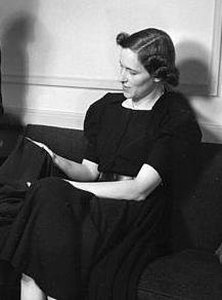
sophie gimbel rossbach
1898 - 1981 , United States of America
Основные сведения
- Artistic Movement Or Style: New Look fashion
- Artists Or Movements Influenced By This Artist: ['Saks Fifth Avenue']
- Artists Who Influenced This Artist: ['Hattie Carnegie']
- Date Of Birth: 1898-03-27
- Date Of Death: 1981-11-28
- Full Name: Sophie Gimbel Rossbach
- Nationality: American
- Notable Artworks:
- Culottes designs
- Elegant gowns
- Place Of Birth: Houston, USA