


 Предпросмотр
 Поделиться
 Поделиться
 Детали произведения

 Скачать
 Похожие работы
 Рентгенография
 Слайд-шоу
 Статистика
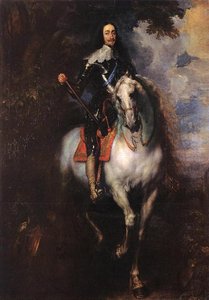
Equestrian Portrait of the King Władysław Zygmunt Waza


 Читать далее
Приобретите цифровое изображение высокого разрешения в улучшенном качестве, которое значительно превосходит онлайн-превью.
Каждый файл тщательно подготавливается нашими специалистами с использованием передовых инструментов и экспертной ручной ретуши. Мы гарантируем исключительную четкость, точную цветопередачу и детальную проработку каждого изображения.
Финальный файл доставляется по электронной почте в течение 72 часов и оптимизирован для немедленного использования в профессиональной среде, при верстке и печати. Это тот же уровень качества, которому доверяют ведущие дизайнерские студии, издательства и галереи.
Цифровое изображение
Скачайте файл высокого разрешения для личного использования, печати и творческих проектов. ( Перейти к печати Купить картину ручной работы)
Включено в каждый заказ цифровых изображений
Гарантия экспертной цифровой доставки
Выбирая ArtsDot.com, вы получаете не просто изображение — вы приобретаете профессионально обработанное цифровое произведение искусства, созданное с безупречной точностью и под защитой гарантии качества. Вот всё, что автоматически входит в ваш заказ:

Мгновенная доставка по e-mail
Ваш цифровой файл в высоком разрешении будет отправлен вам по электронной почте в течение 72 часов после оформления заказа — и сразу станет доступен для использования.

Цифровой файл с ИИ-улучшением
Ваше произведение искусства проходит профессиональную оптимизацию с использованием передовых инструментов ИИ и ручной обработки, что гарантирует максимальную детализацию, четкость и точность цветопередачи.

Бессрочная бесплатная повторная доставка
Случайно удалили или потеряли файл? Не беспокойтесь — мы отправим его вам повторно в любое время и совершенно бесплатно.

Без импортных пошлин — навсегда
Наслаждайтесь вашим произведением искусства мгновенно без таможенных пошлин, сборов или затрат на доставку — цифровые загрузки всегда не облагаются налогом.

Гарантия точности цветопередачи
Мы гарантируем, что ваше цифровое изображение максимально точно передает оригинальные цвета благодаря использованию профессиональных инструментов и систем управления цветом.

Гарантия удовлетворенности 100 дней
Если вы не будете удовлетворены своим цифровым изображением, мы внесем правки или вернем 100% стоимости в течение 100 дней — без лишних вопросов.

100% Гарантия возврата средств
Не удовлетворены покупкой? Получите полный возврат средств в течение 100 дней после получения цифрового файла — без лишних вопросов.

Скидки на оптовые заказы
Купите 3 изображения, сэкономьте 10% — Купите 5, сэкономьте 15% — Купите 10+, сэкономьте 20%. Отличное решение для творческих проектов, галерей и агентств.
The Majesty of Power: Pieter Soutman’s Equestrian Portrait
Pieter Soutman's “Equestrian Portrait of the King Władysław Zygmunt Waza” is more than just a painting; it’s a meticulously crafted tableau vivant, a frozen moment of regal authority and martial prowess. Completed in 1624-1628 during Władysław IV Vasa’s time as King of Poland, this remarkable work offers a rare glimpse into the life and ambitions of a powerful European monarch. The painting immediately commands attention with its imposing scale – measuring nearly two and a half feet by almost two feet – reflecting the importance placed upon the subject and conveying an undeniable sense of grandeur.
The central figure, King Władysław Zygmunt Waza, dominates the composition, seated confidently atop his magnificent steed. Dressed in full plate armor, meticulously rendered with intricate detailing, he embodies both military strength and aristocratic refinement. The armor itself is a testament to the era’s craftsmanship, showcasing the skill of armourers and reflecting the wealth and status of the king. His posture exudes self-assurance; his hand firmly gripping the reins speaks volumes about control and command, while his gaze, directed forward with unwavering resolve, projects an image of leadership.
A Masterclass in Dutch Baroque Technique
Soutman’s mastery lies not only in capturing the likeness of his subject but also in his skillful deployment of the techniques characteristic of the Dutch Golden Age. The painting is executed in oil on canvas, utilizing a layering technique known as *sfumato*, which creates subtle gradations of light and shadow, lending depth and realism to the figures and their surroundings. Notice particularly how Soutman uses atmospheric perspective – distant elements are rendered paler and less distinct, creating an illusion of space and reinforcing the sense of vastness behind the king.
- Color Palette: The rich, deep blues and reds of the armor contrast sharply with the earthy tones of the horse’s coat and the muted background landscape.
- Light & Shadow: Soutman expertly manipulates light to highlight key features – Władysław's face, the details of his armor, and the powerful musculature of the horse – drawing the viewer’s eye to these focal points.
- Texture: The artist skillfully renders the textures of metal, fabric, and flesh, creating a convincing sense of tactile reality.
Symbolism and Historical Context
Beyond its technical brilliance, the portrait is laden with symbolic meaning. The horse itself represents power, nobility, and military might – essential qualities for a king presiding over a vast kingdom. The flag held aloft by Władysław symbolizes his authority and dominion. The inclusion of two horses—one prominently featured in the foreground, the other slightly further back—creates a dynamic sense of movement and reinforces the idea of leadership and control extending outwards to encompass his realm. Painted during a period of significant political upheaval in Poland, this portrait served as a potent visual statement of Władysław’s legitimacy and ambition.
Furthermore, the painting reflects Soutman's service to King Sigismund III Vasa, highlighting the close relationship between art and royalty in 17th-century Europe. The commission itself underscored the importance of portraiture as a means of asserting power, reinforcing dynastic legitimacy, and projecting an image of strength and stability.
A Timeless Legacy: Reproduction and Appreciation
Today, “Equestrian Portrait of the King Władysław Zygmunt Waza” stands as a testament to Pieter Soutman’s exceptional talent and a captivating window into the world of 17th-century Polish royalty. High-quality reproductions capture the painting's rich detail and dramatic atmosphere, making it an ideal addition to any discerning collection or interior space. Its commanding presence and evocative symbolism continue to resonate with viewers centuries later, reminding us of the enduring power of portraiture to immortalize both individuals and eras.
Похожие произведения
Биография художника
Pieter Soutman: Life and Legacy
Early Life and Training
Pieter Soutman, a prominent Dutch Golden Age painter and printmaker, was born in Haarlem, Netherlands in 1593. He was the youngest of six children to a wealthy Catholic family; his father owned the Haarlem beer brewery *de werelt*. Soutman’s artistic journey began with formal training under the renowned Peter Paul Rubens in Antwerp. This period profoundly influenced his style and ultimately contributed significantly to his success as a painter.
Career Highlights and Royal Appointments
Soutman's career was marked by several notable appointments and achievements. He was appointed royal court painter in Poland, reflecting his esteemed position within the art world. From approximately 1618 until 1628, he served as a servitor of King Sigismund III Vasa, further solidifying his reputation and providing him with valuable patronage.
Return to Haarlem and Artistic Focus
Upon returning to Haarlem, Soutman established himself as a respected portrait painter. He secured numerous commissions for group portraits and the popular *schutterstukken* – depictions of civic militia groups. These large-scale works showcased his ability to capture both individual likenesses and dynamic compositions.
Artistic Style and Influences
Soutman’s style demonstrates a clear influence from Rubens, particularly in the use of rich colors, dramatic lighting, and energetic brushwork. However, he developed his own distinct approach to portraiture, characterized by a sense of realism and attention to detail. He skillfully blended Flemish Baroque influences with Dutch artistic traditions.
Notable Works
- Portrait of a Family: A prime example of Soutman’s mastery of group portraits, showcasing his ability to capture the personalities and relationships within a family unit.
- Still Life with Fruit: Demonstrates his skill in capturing everyday life scenes with meticulous detail and vibrant colors.
- Equestrian Portrait of King Władysław Zygmunt Waza: A significant work reflecting his time as royal court painter, displaying both artistic skill and political patronage.
Legacy and Pupils
Today, Soutman’s work can be found in various museums, including Huis Ten Bosch in The Hague. His influence extended to a number of pupils, among whom were Cornelis Visscher, Jacob Louys (1595-after 1635), and Pieter van Sompel. These artists continued to develop the traditions of Dutch portraiture and genre painting.
Historical Significance
Pieter Soutman remains a significant figure in art history as a representative of the Dutch Golden Age. His contributions to the world of portraiture, particularly his ability to capture both individual character and collective identity within group portraits, continue to inspire artists and art enthusiasts alike. He successfully navigated the artistic currents of his time, blending Flemish Baroque influences with distinctly Dutch sensibilities.
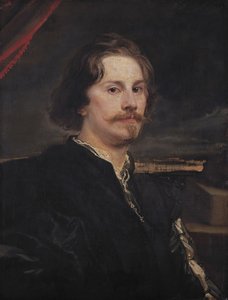
soutman, pieter
1593 - 1657 , Netherlands
Основные сведения
- Birth Date: 1593
- Birth Place: Haarlem, Netherlands
- Death Date: 1657
- Influenced:
- Cornelis Visscher
- Jacob Louys
- Pieter van Sompel
- Influenced By: Peter Paul Rubens
- Movement: Dutch Golden Age painting
- Name: Pieter Soutman
- Nationality: Dutch
- Notable Works:
- Portrait of a family
- Still life with fruit
- Equestrian Portrait of the King Władysław Zygmunt Waza