

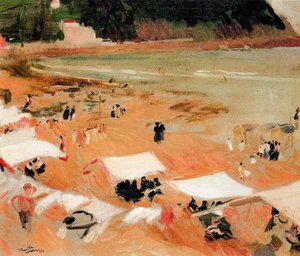
![Recreations Of Long Beach [in Situ] — Stanton Macdonald Wright](/media/artworks/images-full/09/cb/09cb9fafae6f9a4412d39b8655f50782.jpg)
 Поделиться
 Поделиться
 Детали произведения

 Скачать
 Похожие работы
 Слайд-шоу
 Статистика
Recreations of Long Beach [in situ]


 Читать далее
Жикле / Арт-принт
Печать (жикле) или холст музейного качества с быстрыми сроками изготовления и широким выбором вариантов отделки. ( Купить картину ручной работы Перейти к цифровым изображениям)




































Выберите один из наших стандартных размеров, соответствующих оригинальным пропорциям произведения искусства.

Вы можете указать свои собственные размеры, чтобы репродукция идеально подошла под конкретную раму или пространство. Если выбранный вами размер не будет соответствовать пропорциям оригинала, мы либо обрежем произведение, либо дополним изображение зеркальным отражением краев или однотонной заливкой. Перед началом производства вам будет отправлен цифровой макет для утверждения.
Пожалуйста, обратите внимание, что предварительный просмотр на экране не отображает фактическую обрезку или расширение изображения. Только макет точно покажет финальную композицию.
Несмотря на возможность заказа индивидуальных размеров, мы рекомендуем выбирать размер из предопределенного списка, чтобы сохранить оригинальные пропорции.
Доставка по всему миру () за 2 недели вместо стандартных 4/5 недель. (12 Сентябрь)

Бесплатная экспресс-доставка по всему миру

Высококачественный льняной холст

Полное страхование доставки

Гарантия возмещения таможенных пошлин

Гарантия точного соответствия цветов

100-дневная политика возврата (только при обнаружении дефектов)

Гарантия возврата 100% средств

Предложение оптовых скидок
 Вариант со стеклом доступен только для размеров менее 110 см

Recreations of Long Beach [in situ]
Жикле / Арт-принт
Размер репродукции
-


Итоговая стоимость
$ 62
A Vibrant Tapestry of Coastal Life
In the evocative masterpiece Recreations of Long Beach [in situ], Stanton Macdonald-Wright captures a fleeting moment of mid-century leisure, frozen in a mosaic-inspired brilliance. This work serves as more than just a depiction of a seaside afternoon; it is a rhythmic celebration of community and the sun-drenched joy of the California coast. The painting, which recreates a monumental mural, invites the viewer to step into a world where the boundaries between art and architecture dissolve. Through a masterful arrangement of figures engaged in various beachside pursuits, Macdonald-Wright orchestrates a scene that feels both bustling with life and profoundly serene. Each individual, scattered across the composition, contributes to a larger narrative of relaxation and the simple, shared pleasures of summer.
The technique employed in this piece is nothing short of mesmerizing, drawing heavily from the artist's deep understanding of color harmony and structural rhythm. While Macdonald-Wright was a pioneer of Synchromism—a movement centered on the use of color to create form—here he applies those principles to a more representational, yet stylistically elevated, mosaic aesthetic. The brushwork mimics the segmented, tessellated texture of a mosaic, creating a visual pulse that guides the eye across the canvas. This approach lends a sense of permanence and weight to the scene, as if the ephemeral moments of a beach day have been etched into stone. For the discerning collector or interior designer, this texture provides a sophisticated layer of visual interest, making it an ideal centerpiece for spaces that demand both character and a sense of historical depth.
Historical Resonance and Modern Elegance
Created in 1936, this work sits at a fascinating crossroads of American art history. During an era marked by significant social shifts, Macdonald-Wright looked toward the light and the communal spirit of Long Beach to find beauty and stability. The inclusion of subtle urban elements, such as the distant traffic light, anchors the dreamlike beach scene in the reality of the 1930s urban landscape, creating a poignant dialogue between nature and civilization. This juxtaposition adds a layer of historical authenticity that resonates deeply with those who appreciate art that reflects the evolution of the modern world.
Beyond its historical significance, the emotional impact of Recreations of Long Beach lies in its ability to evoke nostalgia and warmth. The palette, rich with the hues of sun, sand, and sea, radiates a sense of optimism that is both uplifting and calming. It is a piece that does not merely decorate a room; it transforms an environment, infusing it with the breezy, light-filled atmosphere of a coastal retreat. Whether displayed in a contemporary gallery setting or as a focal point in a luxurious residential interior, this reproduction offers a timeless window into a golden age of American leisure, promising to inspire anyone who gazes upon its vibrant, rhythmic surface.
Похожие произведения
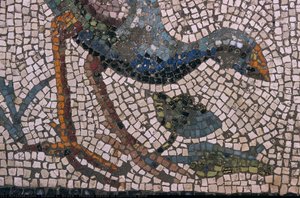
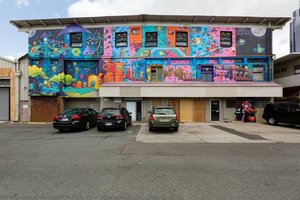
Биография художника
Early Life and Artistic Influences
Stanton Macdonald-Wright (July 8, 1890 – August 22, 1973), was a pivotal American artist who fundamentally reshaped the landscape of modern art. Born in Charlottesville, Virginia, his formative years were spent amidst the seaside charm of Santa Monica, California, where he absorbed artistic inspiration from his father’s hotel business and benefited from private painting lessons instilled by him.
His brother, Willard Huntington Wright—a celebrated writer and critic—further nurtured his creative spirit through encouragement and fostered a deep appreciation for literature. Influenced profoundly by the Impressionists and Cézanne, Macdonald-Wright embarked on a transformative journey to Paris in 1911, driven by an unwavering desire to immerse himself in European artistic traditions.
At the Sorbonne, École des Beaux-Arts, and Académie Colarossi, he honed his skills alongside fellow student Morgan Russell, establishing a collaborative partnership that would propel them to the forefront of Synchromism. Their teacher, Percyval Tudor-Hart’s color theory—rooted in musical principles—became an indelible guide for their artistic explorations.
The Birth of Synchromism
Together with Russell, Macdonald-Wright spearheaded the creation of Synchromism (meaning “with color”), a revolutionary art movement that challenged conventional notions of representation. Rejecting literal depictions of nature and embracing abstraction as a conduit for emotional expression—akin to musical performance—they sought to liberate painting from visual constraints.
Their initial experiments in Munich, Paris, and New York garnered international acclaim, establishing Synchromism as an influential force within the burgeoning modernist movement. Critically analyzing the artistic landscape of the preceding century, Macdonald-Wright’s brother published a landmark survey that championed Cézanne's groundbreaking approach and foreshadowed the ascendancy of pure color abstraction.
The Synchromists meticulously studied the works of Delacroix, Cézanne, Matisse, and Picasso—artists who prioritized harmony and reverberations of color as expressive elements. They believed that painting should transcend mere visual observation, mirroring the dynamism and spiritual depth inherent in musical compositions.
Stylistic Evolution and Artistic Legacy
Macdonald-Wright’s artistic trajectory spanned diverse styles, from Synchromist abstractions to figurative works infused with subtle chromatic nuances. He championed Synchromism's core tenets—the fusion of color and form into rhythmic patterns—and advocated for its significance as an alternative aesthetic paradigm.
His involvement in the Works Progress Administration (WPA) during the Great Depression provided invaluable training opportunities for aspiring California artists, disseminating Synchromist principles and fostering a vibrant artistic community. Notably, he organized the inaugural exhibition of modern art in Los Angeles—a pivotal moment in establishing Los Angeles as a cultural epicenter.
Following World War II, Macdonald-Wright revisited his Synchromist roots, refining his technique and embracing Neo-Synchromism—a stylistic revival that reaffirmed the enduring relevance of early American modernist painting. He served as an eloquent voice for artistic innovation during the era of Abstract Expressionism, reminding audiences that modern art possessed a rich history rooted in explorations of color theory.
Notable Paintings and Artistic Contributions
Among Macdonald-Wright’s most celebrated artworks is “Synchromy #3,” which exemplifies Synchromist principles—namely, the harmonious interplay of color and form to generate rhythmic movement. The painting's composition achieves balance within a dynamic field of hue, mirroring the expansive rhythm of an unfolding universe.
Inspired by musical concepts like synesthesia—the blending of sensory perceptions—Macdonald-Wright sought to translate musical qualities into visual terms. His meticulous color palettes and compositional arrangements conveyed profound emotional resonance, reflecting his belief in painting’s capacity for spiritual contemplation.
His influence extended beyond Synchromism itself, shaping the artistic sensibilities of subsequent generations of California artists and establishing him as a cornerstone of American modern art history.
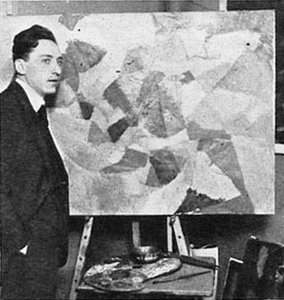
stanton macdonald wright
1890 - 1973
Основные сведения
- Artistic Movement Or Style: Synchromism
- Artists Or Movements Influenced By This Artist:
- Kandinsky
- Futurists
- Artists Who Influenced This Artist:
- Percyval Tudor-Hart
- Morgan Russell
- Matisse
- Rodin
- Date Of Birth: July 8, 1890
- Date Of Death: August 22, 1973
- Full Name: Stanton Macdonald-Wright
- Nationality: American
- Notable Artworks: ['Synchromy #3']
- Place Of Birth: Charlottesville, Virginia
Похожие статьи
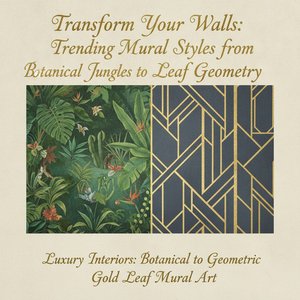
От джунглей до золотой геометрии: тренды муралов для стильных интерьеров отелей
Узнайте о последних трендах муралов для отелей! Экспертные советы по выбору стиля, заказу и интеграции настенной живописи в дизайн интерьера. Создайте уникальную атмосферу с .

Преображение интерьеров: как муралы переосмысливают кухни и ванные комнаты
Узнайте, как муралы преобразят вашу кухню и ванную комнату! Экспертные советы по выбору дизайна, материалам и уходу. Создайте уникальный интерьер с помощью росписи стен.
Преображение прихожей: создание незабываемого первого впечатления с помощью настенных росписей
Создайте незабываемое первое впечатление с помощью настенных росписей в прихожей отеля! Экспертные советы, стильные решения и качественные работы от .
Муралы в интерьере отеля: руководство по созданию запоминающегося дизайна
Руководство для дизайнеров отелей по использованию муралов. Создайте уникальный и запоминающийся интерьер с помощью настенной живописи. Вдохновляющие примеры, советы экспертов.
Роспись стен как визуальная идентичность бренда: руководство для отельеров и дизайнеров
Узнайте, как роспись стен может стать мощным инструментом брендинга для вашего отеля или ресторана. Советы экспертов по дизайну и реализации от .